Training Your Cirneco dell’Etna
Independent thinkers bred to work ahead of handlers. Scent hounds follow their nose; sight hounds follow movement. Requires patience and high-value rewards.
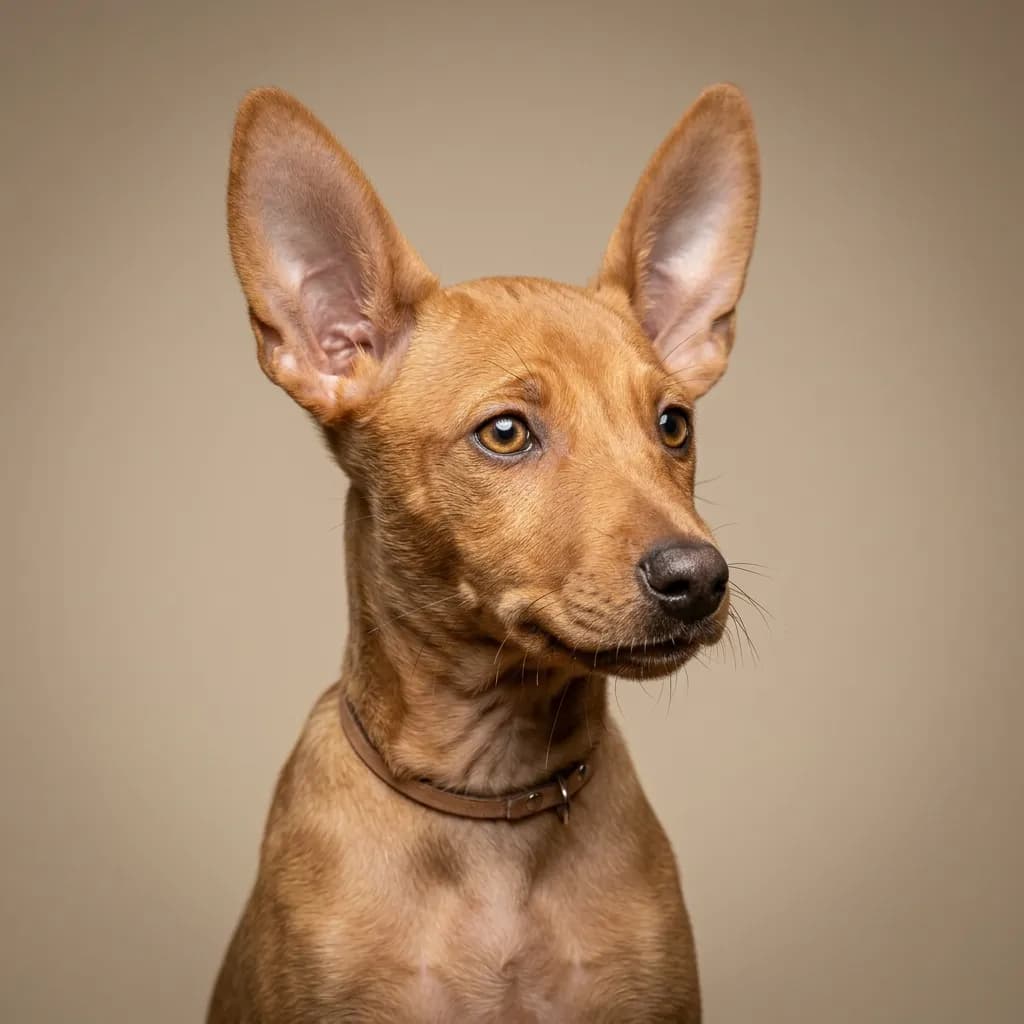
What Training a Cirneco dell’Etna Is Actually Like
Training a Cirneco is not about dominance or repetition drills. It’s about negotiation, timing, and respecting their independence. They’re in the Hound Group for a reason—they were bred to hunt rabbits solo on rugged volcanic terrain, making decisions on the fly. That means they’re sharp, observant, and naturally inclined to follow their nose over your voice. Their Coren trainability tier of 3 puts them above average; they’ll pick up new commands in 15 to 25 repetitions, and respond to the first command about 70% of the time. But don’t mistake that for eagerness to please like a Border Collie. They’re affectionate and friendly with their people, but they’re not pushovers. They’ll weigh your request against what’s more interesting at the moment—usually a scent trail. Trainability is high if you work with their instincts, not against them. If you’re consistent, patient, and use rewards they care about, they’ll cooperate. If you’re rigid or use low-value treats, you’ll lose their attention fast.
Training Timeline
Start formal training at 8 weeks—this is critical. Their socialization window closes at 12 weeks, so expose them to surfaces, sounds, people, and other dogs early. By 16 weeks, they should be comfortable with collars, leashes, and basic cues like “sit” and “come.” Around 32 to 40 weeks, expect a second fear period. Keep exposures positive and controlled—no forced interactions. Avoid scolding; back up and rebuild confidence slowly. Adolescence hits at 5 months and lasts until 14, peaking around 8-10 months. This is when independence flares. Recall will be unreliable. Use long lines outdoors. Maturity settles around 9 months, but mental development continues. By 14 months, most Cirnechi are more responsive and less impulsive—if you’ve stayed consistent.
Breed-Specific Challenges
First, recall is a lifelong project. Their hunting heritage means they’re hardwired to chase movement or follow scent trails. Off-leash freedom is risky, even in safe areas. Second, they’re scent-driven but not always food-motivated—unless the food is exceptional. Standard kibble won’t cut it. Third, they’re independent to a fault. They’ll assess whether obeying is worth their effort. If training feels like a chore, they’ll tune out. Fourth, they’re sensitive during fear periods and react poorly to harsh corrections. A raised voice or forceful handling can set back progress for weeks.
What Works Best
Keep sessions under 5 minutes. Their energy level is moderate (3/5) and attention span is short. Use extremely high-value treats—real meat, cheese, or freeze-dried liver. Pair food with scent games: hide treats in grass or use puzzle toys that engage their nose. Training should feel like play, not work. Use positive reinforcement exclusively. Their mental stimulation needs are moderate (3/5), so rotate activities—short obedience drills, scent hunts, brief off-leash runs in secure areas. Start loose-leash walking early; they’re light enough to pull if not taught better. And never rely on voice alone in distracting environments. Their focus shifts fast when a rabbit scent hits the air.
Crate Training Your Cirneco dell’Etna
A Cirneco dell’Etna typically weighs around 22 pounds as an adult, so a 30-inch crate is ideal for a full-grown dog. If you’re starting with a puppy, use a crate with a divider so you can adjust the space as they grow. These dogs are small to medium in size but need room to stand, turn, and stretch without feeling cramped, even at full size. Don’t go too big just in case—Cirnechi prefer cozy spaces that feel den-like, and an oversized crate can encourage potty accidents or anxiety.
Cirnechi are affectionate and independent in equal measure, which means crate training can go smoothly if approached with patience and respect for their intelligence. They don’t tend to fight the crate like some higher-energy breeds, but they won’t tolerate forced confinement. Use short sessions—5 to 10 minutes at first—with extremely high-value treats like freeze-dried liver or tripe. Their strong scent drive means you can turn crate time into a game: toss a treat inside so they have to sniff it out, or hide a treat under a puzzle toy in the back. This builds positive association fast.
They’re not high-energy dogs—3/5, so they settle more easily than, say, a Border Collie—but they do need mental engagement. A bored Cirneco might chew a crate pad or scratch at the plastic tray, not out of anxiety but because they’re curious and clever. Skip plush bedding at first; use a durable mat or towel instead.
Adult Cirnechi can handle 4 to 5 hours crated during the day if exercised and mentally stimulated beforehand. Puppies should not exceed one hour per month of age. They’re generally quiet dogs and won’t bark in the crate without reason. If they do, check for discomfort or insufficient potty breaks. Their independence helps with separation, but they’re also affectionate—don’t make the crate feel like exile. Keep it a positive, scent-rich space they choose to enter, not one they’re pushed into.
Potty Training Your Cirneco dell’Etna
Potty training a Cirneco dell’Etna isn’t the most difficult you’ll encounter, but it’s not instant either. At around 22 pounds, their medium-small size means a bladder that can’t hold it as long as a larger breed, but better than a teacup pup. Puppies will need a potty break every 2-3 hours during the day, and you’ll still need at least one middle-of-the-night trip until they’re about 14-16 weeks old. Don’t expect full reliability before 5-6 months, even with consistency.
Their trainability score of 4/5 and placement in Coren’s “Above Average” tier means they learn fast—usually in 15 to 25 repetitions—but their independent streak can show up early. They’re affectionate and friendly, yes, but they’re not Velcro dogs desperate to please. That means praise helps, but it’s not always enough. They’ll weigh whether following you outside is worth the effort, especially if the yard isn’t interesting or the weather’s off.
One real challenge? They’re observant and easily distracted. Once outside, they might get fixated on a lizard or a bird and forget why they came out. You’ll need to keep potty trips structured and brief—don’t let them wander aimlessly. Keep them on a short leash in the yard until they go, then reward immediately.
Treats work better than praise alone. Use small, high-value bits like tiny pieces of chicken or freeze-dried liver. The key is timing—deliver the reward within 2 seconds of elimination. Over time, they’ll link the action to the payoff.
Crate training is your best friend here. A properly sized crate plays to their denning instinct and prevents indoor accidents they might otherwise hide in quiet corners. Stick to a tight schedule, supervise closely during transitions, and expect solid house-training by 6 to 7 months with consistent effort. They’re not stubborn in a defiant way, just thoughtful—so meet them with patience, not force.
Leash Training Your Cirneco dell’Etna
Leash training a Cirneco dell’Etna isn’t about forcing compliance—it’s about guiding a dog who was built to explore rugged terrain with focus and independence. At around 22 pounds, they’re light enough that a collar can work, but I’d still go with a well-fitted front-clip harness. Not because they’re strong pullers, but because their hound instincts make them pivot and dart toward scents suddenly, and a front-clip gives you gentle control without straining their delicate neck. Avoid back-clip harnesses if you want any steering power.
Their energy is moderate—3 out of 5—so long, draining walks aren’t necessary, but they do need mental engagement. That’s where their 4 out of 5 trainability shines. They’re smart and eager to please, but their hound brain prioritizes scent over your agenda. Expect them to stop mid-stride to investigate a patch of dirt or freeze when they catch a rabbit’s trail. That’s not defiance, that’s their breeding. These dogs were developed to hunt solo on volcanic slopes, using sight and scent, so they’re naturally observant and easily distracted by movement or smell.
Common leash issues? Pulling when excited, sudden stops to sniff, and occasional selective hearing when something interesting is in the air. You won’t get a perfect heel like a Border Collie, and that’s okay. “Good” leash behavior for a Cirneco means loose-leash walking with frequent check-ins, minimal pulling after consistent training, and returning when called—most of the time. Use positive reinforcement and short sessions that tap into their curiosity. Let them sniff—it’s in their DNA. Just teach them to do it on cue. Be patient, be consistent, and remember: you’re not breaking their independence, you’re channeling it.
“I just wish someone would tell me what to do and when to do it.”
Not generic puppy tips. Not a video course you’ll never finish. Just one email a week telling you exactly what to work on with your Cirneco dell’Etna, at the age they are right now. Nothing to sift through. Nothing to figure out. Just this week.
Get Started — It’s FreeTell us your breed and your puppy’s age. We’ll send you exactly what to work on this week.
Socializing Your Cirneco dell’Etna
Socializing a Cirneco dell’Etna isn’t just helpful—it’s non-negotiable. These little hounds hit their critical socialization window between weeks 3 and 12, which means you’ve got a narrow five-week sprint to set the foundation. But here’s the kicker: their first fear period runs from weeks 8 to 11, right in the middle of when most people bring them home. That overlap is tricky. A scary experience during that time can stick with them far longer than with other breeds. You’ve got to be proactive, not reactive.
Cirnechi were bred to hunt rabbits solo on rugged volcanic terrain, so independence is coded into their DNA. That also means they’re naturally more cautious around unfamiliar things. You’ll need to expose them early and often to things they wouldn’t encounter on a Sicilian hillside—like city traffic, vacuums, skateboards, and men with deep voices or hats. Their wariness isn’t aggression, but left unchecked, it becomes reactivity.
A common mistake is assuming their quiet, affectionate nature means they’re “fine” when they’re actually shutting down. These dogs don’t always show stress dramatically. They might just freeze or avoid eye contact. Letting them hide during new experiences teaches them avoidance works, and that habit is hard to break post-9 months, when they reach emotional maturity.
If you skip structured socialization? You don’t get a bold hunter. You get a dog that startles at umbrellas, tenses up around strangers, or fixates on every squirrel like it’s prey—which, well, it is, but you’d like some control over that instinct. Early, positive exposure to people, sounds, surfaces, and other dogs shapes them into the friendly, adaptable companions they can be. Without it, their independence turns into aloofness, and their alertness becomes suspicion. Start slow, keep it upbeat, and respect their pace without letting them opt out.