Training Your Croatian Sheepdog
Rare breeds with varied backgrounds. Approach based on breed's country of origin and original purpose.
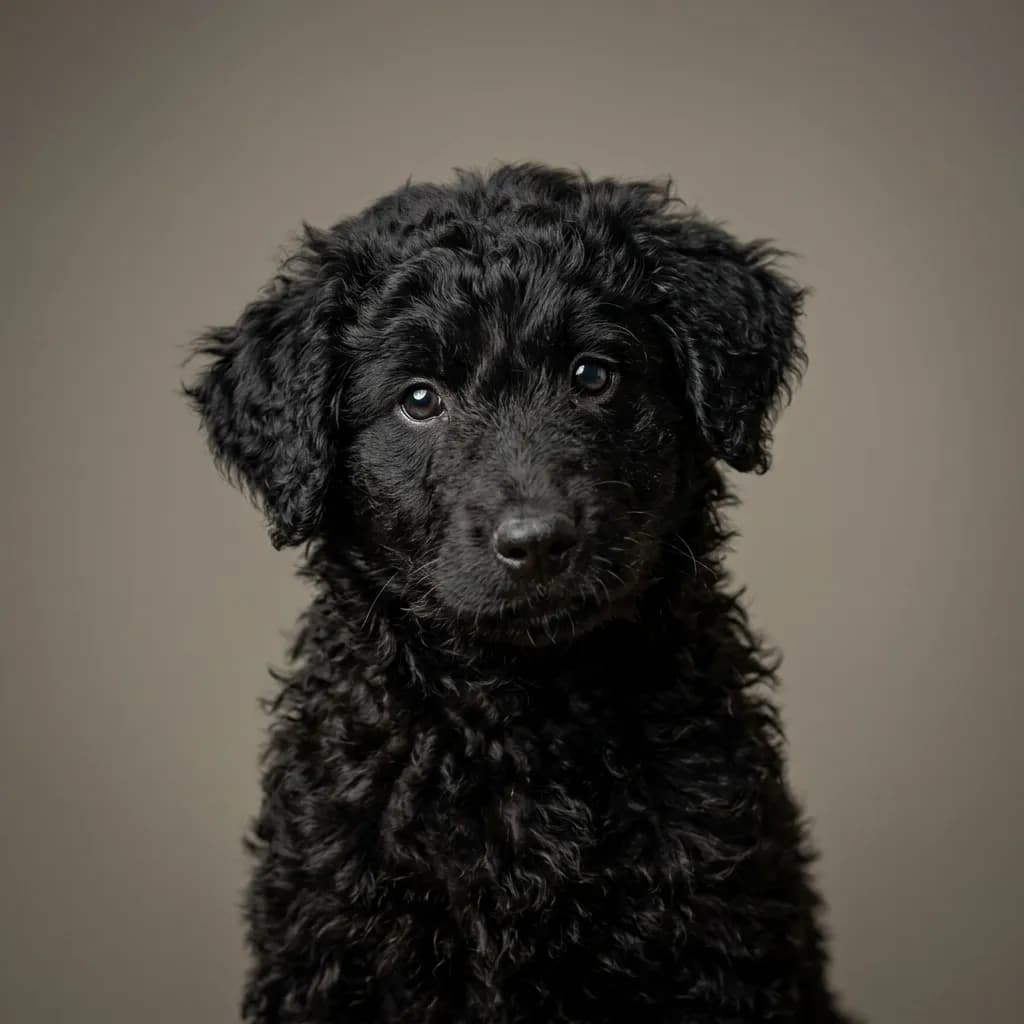
What Training a Croatian Sheepdog Is Actually Like
Training a Croatian Sheepdog is like working with a busy, opinionated farmhand who knows half the job already but wants to confirm the details. They’re intelligent and eager to engage, but not the kind of dog who’ll master a command in five minutes just to please you. Ranked in Coren’s Tier 4, they need 25 to 40 repetitions to learn something new, and their first-command obedience hovers around 50%. That’s not a red flag—it’s context. These dogs were bred to make independent decisions while herding sheep across rugged terrain in Croatia, so they’re wired to assess before obeying. They respond best to consistency, mental challenges, and structure that respects their working roots. They’re loyal and alert, which means they’ll notice everything and react to it. If you’re sedentary or inconsistent, you’ll struggle. But if you’re active, patient, and willing to adapt, you’ll build a responsive, deeply bonded partner.
Training Timeline
Start at 8 weeks. Their socialization window closes by 12 weeks, so prioritize exposure to different people, surfaces, sounds, and dogs right away. Puppy classes are ideal, but keep sessions short—5 to 10 minutes—to match their focus span. By 4 to 6 months, they’re learning faster, but the second fear period hits around weeks 32 to 40. Watch for sudden hesitations or avoidance. Go slow, don’t force interactions, and reinforce confidence with calm praise. Adolescence kicks in at 5 months and lasts until 14, peaking around 9 to 12 months when they test boundaries. This is when their trainability score of 3/5 becomes obvious—they’ll ignore commands they know, just to see if the rules still apply. Stick to routines, revisit basics, and keep training engaging. By 9 months, they’re mentally mature enough to handle longer sequences, but physical maturity lags. Agility or herding intro drills can begin around 7 months with low impact.
Breed-Specific Challenges
First, their independence. They’ll often pause to evaluate a command instead of reacting instantly. This isn’t defiance—it’s bred-in caution. Push too hard and they’ll shut down. Second, their alertness borders on reactivity. They’ll bark at unfamiliar movement or noise, especially in rural or farm settings where they’re always "on duty." Early impulse control training is non-negotiable. Third, their mental stimulation needs are high—4/5 on the scale—and boredom leads to chewing, digging, or obsessive herding of kids or pets. A tired Croatian Sheepdog is not a quiet one; a mentally satisfied one is. Finally, they’re not apartment dogs. Without space to move and tasks to do, their focus in training evaporates.
What Works Best
Use an adaptive mixed approach: positive reinforcement for new behaviors, but introduce structured corrections early—like a brief leash redirect during distraction—so they learn limits. Sessions should be 10 to 15 minutes, 2 to 3 times daily, varying between obedience, problem-solving games, and off-leash recall in safe areas. Rewards? Mix high-value treats (like freeze-dried liver) with play and praise. They’re not greedy, so rotating rewards keeps them interested. Train outdoors when possible—this breed learns better when they’re not confined. And always, always tie training into activity. Practice “stay” while you toss a ball, or “come” after a short sprint. Structure mirrors their herding past, and that’s where they thrive.
Crate Training Your Croatian Sheepdog
A Croatian Sheepdog weighs around 36 pounds on average, so a 36-inch crate is ideal for an adult. If you’re starting with a puppy, use a 30-inch crate and add a divider; they grow fast but don’t need the extra space until they’re close to full size. A divider helps prevent them from eliminating in one end and sleeping in the other, which they’re more prone to do if given too much room too soon.
These dogs are loyal and alert, which means they notice when you’re preparing to leave—and they’ll let you know how they feel about it. Don’t expect them to settle right away. They’re intelligent and active enough that boredom sets in quickly, so the crate needs to be more than just a box. Stuff a durable chew toy like a West Paw Toppl or a Kong filled with frozen peanut butter and yogurt to keep them mentally occupied. They won’t accept being shut in without a payoff.
With a 3/5 energy level and moderate trainability, they do better with a mixed training approach—positive reinforcement works, but consistency is non-negotiable. Crate sessions should start short, 20–30 minutes while you’re in the same room, then gradually increase. By 6 months, they can handle 4 hours if exercised first, but don’t push beyond that regularly. They’re attached to their people, so extended crating leads to stress barking or chewing at the crate bars.
One quirk: Croatian Sheepdogs can be mouthy. They might chew crate pads or fabric covers, so stick to rubber mats or fleece blankets you don’t mind replacing. Some will dig at the bedding like they’re tamping down grass—keep nails trimmed and offer a chew-resistant bed. And don’t place the crate in total silence; a radio on low in the background helps buffer outside noises that might trigger their alertness. They’ll adapt, but only if you respect their intelligence and need for engagement.
Potty Training Your Croatian Sheepdog
Croatian Sheepdogs are medium sized at around 36 pounds on average, which gives them a decent bladder capacity for their age, but don’t expect miracles from a puppy under 16 weeks. You’re looking at needing to take them out every 2 to 3 hours during the day, especially after meals, naps, and play sessions. Their size means they won’t need the hyper-frequent outings of a teacup breed, but consistency is still non-negotiable. Expect full reliability to take 4 to 6 months, sometimes longer, simply because of their average trainability.
They’re intelligent and loyal, which helps, but they’re not golden retrievers eager to please at every turn. Croatian Sheepdogs fall in Coren’s Tier 4, meaning they need 25 to 40 repetitions to learn a new command. That’s not slow, but it’s not fast either. They can be independent thinkers, bred to work with some autonomy, so they might question why they need to go outside again when it’s raining. That independence can look like stubbornness if you’re not consistent. You can’t skip routines or cut corners.
One challenge is their alertness and energy. Once outside, they might get distracted by birds, squirrels, or wind in the trees and forget the whole point of being out there. Keep potty trips short and focused. Use a specific command like “go potty” and stick to it. Bring them to the same spot each time, leashed, and wait quietly. Don’t turn it into playtime.
Rewards? Make them immediate and meaningful. These dogs respond best to a mix of high-value treats (tiny bits of chicken or cheese) and genuine praise. They bond closely with their people, so verbal approval from you matters. But be careful not to over-treat—medium size doesn’t mean infinite calories. A quick treat plus affection right after they finish is enough. Stick with it, and they’ll get there. Just don’t expect overnight success.
Leash Training Your Croatian Sheepdog
Leash training a Croatian Sheepdog means working with a smart, alert dog who was built to move independently while managing livestock. That independence shows up on walks. Expect some weaving, circling, and testing boundaries if you’re not consistent. They’re medium-sized at around 36 pounds, so they’re not yanking you off your feet like a husky might, but they’ve got muscle and purpose when they decide to pull. A front-clip harness works best here—gives you gentle control without risking strain on their neck, especially since they’re prone to quick, darting movements when they spot something interesting.
Their energy level is moderate—not hyper, but definitely active—so daily walks with some mental engagement built in are essential. Without it, they’ll invent their own job on leash, like herding squirrels or pulling you toward every movement down the street. Prey drive isn’t extreme, but it’s present. A passing rabbit or fluttering bird can hijack their attention in seconds. That’s normal. The goal isn’t perfection, it’s responsiveness. You want a dog who checks in, even when distracted.
Common leash issues? Pulling when excited, lagging when bored, and that signature herding-dog habit of circling wide around you or cutting in front. That’s their livestock-handling instinct kicking in. Don’t fight it entirely—redirect it. Use turns, changes in pace, and treats to keep them focused on you. They’re intelligent and loyal, so they’ll catch on fast if training is varied and fair.
Realistic expectations? A Croatian Sheepdog won’t march in heel position like a German Shepherd. Good leash behavior for them means walking within 3–4 feet of you, responding to corrections, and not lunging or dragging. Some drift is normal. With consistent, adaptive mixed training—positive reinforcement layered with clear boundaries—you’ll get cooperation, not compliance, which is exactly what this breed offers.
“I just wish someone would tell me what to do and when to do it.”
Not generic puppy tips. Not a video course you’ll never finish. Just one email a week telling you exactly what to work on with your Croatian Sheepdog, at the age they are right now. Nothing to sift through. Nothing to figure out. Just this week.
Get Started — It’s FreeTell us your breed and your puppy’s age. We’ll send you exactly what to work on this week.
Socializing Your Croatian Sheepdog
You’ve got a narrow window with a Croatian Sheepdog, and you need to move fast. Their socialization prime time is weeks 3 to 12, but here’s the catch—that overlaps almost exactly with their first fear period, weeks 8 to 11. That’s when they’re extra sensitive to negative experiences, so you can’t just flood them with new stuff. You’ve got to be deliberate. Introduce things slowly, keep it positive, and never force it. A scary moment during that window can stick with them for life, and this breed remembers.
These dogs were bred to move sheep in rugged terrain across Croatia, so they’re naturally alert and a bit suspicious of anything out of place. That means they need more exposure to things they aren’t wired to love—especially children, loud noises, and unfamiliar people. Kids can be unpredictable, and a herding dog might try to nip or avoid them if not properly introduced. You’ve got to set up controlled, calm meetings where the pup sees kids as normal, not threats or prey.
They’re naturally wary of strangers and sudden movements. That’s not bad—it’s useful for a livestock guardian—but if you don’t counteract it early, it turns into avoidance or reactivity. Let them observe from a distance at first, reward calm behavior, and never drag them into a situation they’re not ready for.
Common mistakes? Overprotective owners who shield them from everything, or worse, assuming their intelligence means they’ll “figure it out.” They won’t. Skip early socialization and you’ll end up with a 36-pound dog who barks at delivery people, freezes around new faces, or tries to herd your guests. Their loyalty and intelligence become liabilities without proper exposure. Do it right, and you’ve got a confident, adaptable partner who’s tuned in but not tense.