Training Your Dachshund
Independent thinkers bred to work ahead of handlers. Scent hounds follow their nose; sight hounds follow movement. Requires patience and high-value rewards.
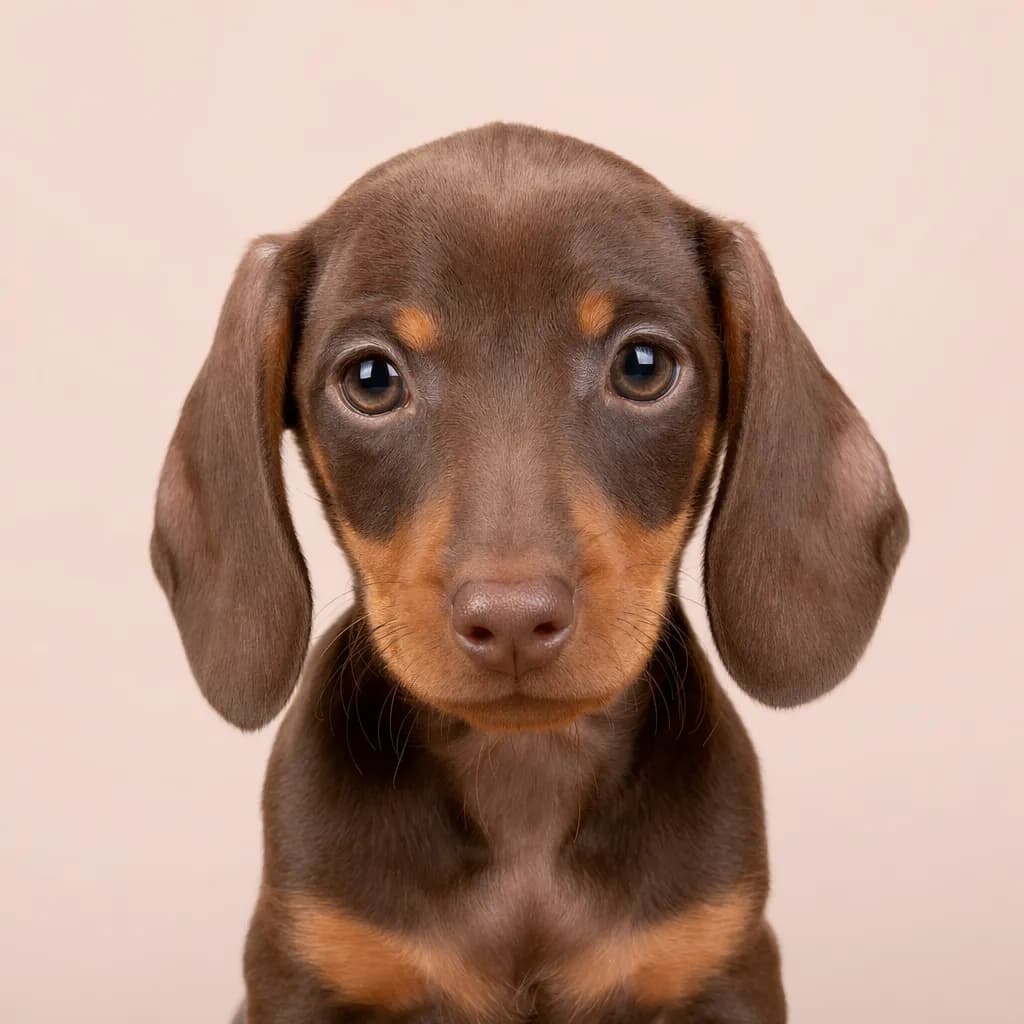
What Training a Dachshund Is Actually Like
Dachshunds are clever little schemers with a strong sense of purpose. Bred to dig into badger dens and work independently, they don’t just follow commands—they consider them. That means they’re not stubborn for no reason; they’re assessing whether your request makes sense to them. Their Coren trainability tier of 4 means they’ll likely need 25 to 40 repetitions to learn a new command, and they’ll only obey the first time about half the time. That’s not a failure on your part—it’s just their wiring. They’re scent hounds first and followers second. If they catch a whiff of something interesting, your recall command becomes background noise. Training them well means respecting their instincts while giving them clear, rewarding reasons to listen.
Training Timeline
At 8 weeks, dive into socialization. The window closes fast at 12 weeks, so expose your pup to different people, surfaces, sounds, and dogs in a positive way. Start basic commands like “sit” and “stay” by 10 weeks using high-value treats. Between 5 and 7 months, your Dachshund enters adolescence—expect testing of boundaries, increased distractibility, and more independence. This is when consistency matters most. Around 8 months, you’ll hit the second fear period (weeks 32–40 overlaps here), so avoid forcing scary situations and focus on confidence-building. By 9 months, mental maturity begins to show. You’ll notice better focus, improved impulse control, and greater reliability on commands. Continue reinforcing until 14 months, when adolescence wraps up. By then, your dog should respond reliably in low-distraction environments—especially if you’ve made training fun and rewarding.
Breed-Specific Challenges
First, their back. Those long spines make jumps on and off furniture a real risk. Train a solid “off” command early and use ramps or steps to prevent injury. Second, their drive to follow scents. A Dachshund on a trail is not coming back until they’re done—so off-leash freedom is risky unless in a secure area. Third, their independence. They were bred to make decisions underground without human input, so they don’t default to looking at you for direction like a Border Collie would. That means recall and focus take more repetition and creativity. Finally, they can be possessive. Resource guarding and toy reactivity show up in some lines, so early handling exercises and trade-up games are essential.
What Works Best
Keep sessions under 5 minutes. Dachshunds thrive on short, engaging bursts of training—especially with high-value rewards like freeze-dried liver or cheese. Use scent games like hide-and-seek with treats or toys to satisfy their natural drive and boost focus. Training should feel like play, not work. Repetition is non-negotiable, but vary the environment and rewards to keep them invested. End each session with success—never frustration. And remember: patience isn’t optional here. It’s the foundation. They’ll learn, but on their schedule. Respect that, make it fun, and you’ll build a dog who chooses to listen, not one you have to nag into compliance.
Crate Training Your Dachshund
A Dachshund needs a crate that’s just big enough to stand up, turn around, and lie down comfortably—usually a 30-inch crate works for the average 22-pound adult. If you’re starting with a puppy, use a divider; they’re small at first but fill out lengthwise fast, and too much space can encourage potty accidents or anxiety. Stick to wire crates with a solid floor tray so they can’t dig at seams or chew through fabric.
Doxies are curious and spunky, not high-energy, so they’ll usually settle in their crate if the space feels like a den, not a prison. But don’t expect instant buy-in. Their scent-driven nature means they’ll be more interested in a crate that smells familiar and rewarding. Stuff a hollow Kong with liver paste or freeze a mix of plain yogurt and salmon bits and let them work it out inside the crate with the door open at first. Short sessions—5 to 10 minutes—multiple times a day work best. Use high-value treats like real chicken or tripe to lure them in, never force them.
They can handle 3 to 4 hours crated as adults, but only if they’ve had a sniff walk first. A bored Dachshund will chew crate pads, scratch at the floor tray, or bark to get your attention. They’re friendly but can be stubborn, so consistency matters. If they whine, wait it out unless it’s potty time—giving in teaches them to scream for freedom.
One quirk: they’ll often try to dig or rearrange bedding like they’re burrowing. Provide a thick, chew-proof pad and rotate scent games—bury a treat under a towel in the crate, let them sniff it out. It satisfies their curiosity and builds positive association. Never use the crate as timeout. For a Dachshund, it should feel like their secret tunnel hideout, not a jail.
Potty Training Your Dachshund
Dachshunds are small but not tiny, averaging around 22 pounds, which gives them a decent bladder capacity for their shape. That said, their size still means they can’t hold it as long as larger breeds, especially as puppies. Expect to take a young Dachshund out every 2 to 3 hours during the day, and don’t be surprised if nighttime accidents happen until they’re 4 to 5 months old. Their trainability score of 4 out of 5 sounds good on paper, but here’s the real talk: they’re spunky and curious, which often reads as stubbornness. They’re not eager-to-please like a Golden Retriever. They’ll learn fast—around 25 to 40 repetitions to pick up a cue—but they’ll also test boundaries. You have to be consistent, or they’ll exploit any crack in your routine.
The realistic timeline for a Dachshund to be reliably house-trained is 4 to 6 months, sometimes longer. Some individuals take until 8 months, especially if they’re easily distracted. And that’s a real issue outdoors—this breed was bred to follow scents, so a squirrel trail or interesting leaf can hijack their focus mid-potty break. Keep outdoor sessions short and purpose-driven. Use a leash in the yard, and stick to a quiet spot to minimize distractions.
When it comes to rewards, Dachshunds respond best to food. Small, high-value treats like tiny bits of chicken or freeze-dried liver work wonders. Pair the treat with immediate praise the second they go. They’re friendly and enjoy interaction, but food is their love language during training. Skip the vague petting or delayed rewards—they won’t connect the dots. Stick to a tight routine, reward instantly, and don’t let them wander unsupervised indoors until fully trained. They’re clever enough to find a quiet corner for accidents if given the chance.
Leash Training Your Dachshund
Dachshunds might only average 22 pounds but they’ve got the heart of a ten-pound badger and the determination to match. Leash training them isn’t about force, it’s about managing their curiosity and prey drive without killing their spirit. First, skip the collar—go straight for a well-fitted front-clip harness. Their long backs and thick necks mean collars increase the risk of tracheal damage, especially when they see a squirrel and lunge. A front-clip harness gives you more control and discourages pulling by redirecting their momentum.
They’re scent hounds, bred to follow tunnels and dig out prey, not walk politely beside you. So “good” leash behavior for a Dachshund isn’t military precision. It’s them staying connected to you while allowing time to sniff. Expect pauses. Expect sudden stops mid-stride when they catch a whiff of something buried in the grass. That’s not defiance, that’s fulfilling a 300-year-old job description. Their energy level is moderate—3 out of 5—so walks don’t need to be long, but they do need to be mentally engaging.
Common issues? Pulling toward smells, ignoring recall mid-sniff, and digging at the ground when they find an interesting spot. Some will even try to “tunnel” under fences or bushes mid-walk. Their trainability is 4 out of 5, so they can learn loose-leash walking, but you’ve got to make it worth their while. High-value treats and a consistent cue like “this way” work better than corrections.
Aim for progress, not perfection. A well-leashed Dachshund checks in with you between sniffs, responds to your voice, and walks beside you without constant tugging. They’ll never ignore a hot trail, and that’s okay. Let them be a hound sometimes. That’s what they were made for.
“I just wish someone would tell me what to do and when to do it.”
Not generic puppy tips. Not a video course you’ll never finish. Just one email a week telling you exactly what to work on with your Dachshund, at the age they are right now. Nothing to sift through. Nothing to figure out. Just this week.
Get Started — It’s FreeTell us your breed and your puppy’s age. We’ll send you exactly what to work on this week.
Socializing Your Dachshund
Dachshunds hit their prime socialization window between weeks 3 and 12, and that timeline is critical because it overlaps directly with their first fear period at 8 to 11 weeks. That means you’re working against biology a little—your pup is naturally wired to be cautious right when they’re most impressionable. Miss that narrow window and you’re setting yourself up for a dog that’s reactive or shut down later on.
Because they were bred to go underground after badgers, Dachshunds are bold by instinct but also suspicious of unfamiliar things. That spunky curiosity can flip to defensiveness fast if they haven’t seen enough variety early on. You need to expose them to deep, wide, and repeated experiences with strange surfaces (metal grates, tile, grass), loud or sudden noises (doorbells, vacuums, kids yelling), and different types of people—especially men with deep voices or hats, which many Dachshunds are instinctively wary of.
Where people mess up is treating them like lap dogs too soon. Yes, they’re small, but coddling them when they react to something teaches them fear is the right response. Instead, keep your tone calm and matter-of-fact, and reward curiosity. Never force interaction, but don’t let them hide either. Use treats to create positive associations, not to bribe them away from stress.
Without solid early socialization, their adult temperament shifts hard. You end up with a 22-pound dog who barks at every visitor, lunges at skateboards, or freezes up at the vet. Their hound independence turns into stubborn reactivity. A well-socialized Dachshund is friendly, adaptable, and boldly curious. The under-socialized one becomes a tiny dictator, convinced the world is out to get them—and they’re ready to take it on, whether they can win or not. Start early, stay consistent, and remember: confidence is the goal, not cuteness.