Training Your Eurasier
Rare breeds with varied backgrounds. Approach based on breed's country of origin and original purpose.
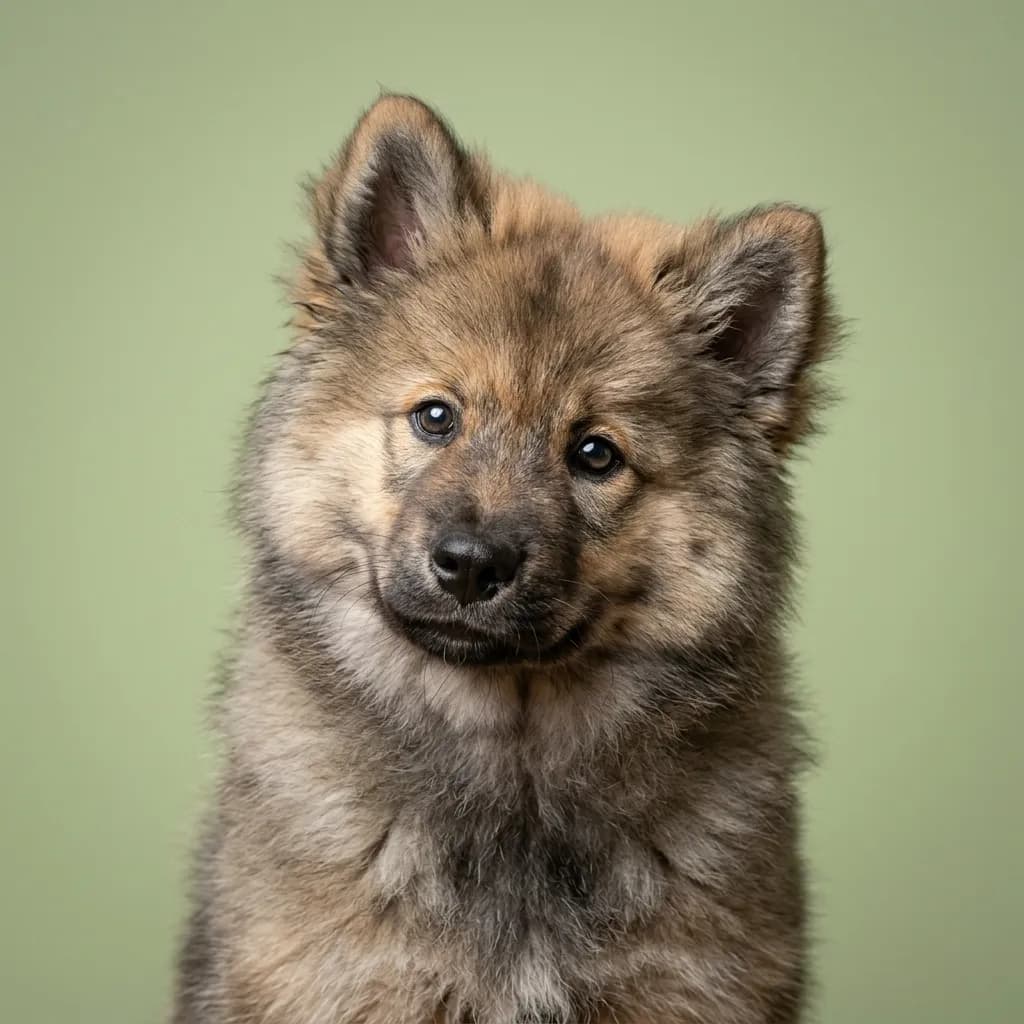
What Training a Eurasier Is Actually Like
Training a Eurasier feels like working with a thoughtful partner who wants to do the right thing but needs to understand why. They’re confident and calm by nature, which helps, but they’re not robots. Their above-average intelligence means they pick up new commands in 15 to 25 repetitions and obey first commands about 70% of the time. That’s solid, but not off-the-charts. They’re not as eager to please as a Golden Retriever, nor as stubborn as some Nordic spitz breeds. Think of them as polite students who show up prepared but want clear explanations. They respond best to consistency and fairness. If you’re inconsistent or harsh, they’ll shut down or politely ignore you. They thrive on mental engagement, but their energy level is moderate—this isn’t a dog that needs hours of intense work daily. But don’t mistake calmness for low needs. Skip mental stimulation and you’ll come home to a bored dog rearranging your shoes.
Training Timeline
Start at 8 weeks. The socialization window closes at 12 weeks, so those first few months are non-negotiable. Expose your puppy to different people, surfaces, sounds, and dogs—gently and positively. By 16 weeks, begin basic obedience: sit, stay, loose-leash walking. Keep sessions short, 5 minutes max. Between 6 and 18 months is adolescence, and progress may plateau. Around 10 to 14 months, expect a dip in responsiveness—this is normal, not failure. The second fear period hits between weeks 44 and 56, so avoid forcing new experiences during that time. Use positive reinforcement to build confidence. Formal training can continue through 14 months, when they reach full mental maturity. By then, you should have a reliable recall, solid leash manners, and a dog that understands household rules.
Breed-Specific Challenges
First, their reserved nature. Eurasiers aren’t naturally outgoing, so poor socialization leads to aloofness or mild reactivity. They’re not aggressive, but they are cautious, and that caution can harden without early, ongoing exposure. Second, their sensitivity. They don’t respond well to loud tones or force. A heavy hand kills motivation. Third, their independence. Bred as companions, not workers, they don’t have the relentless drive of herding or sporting breeds. That means they’ll question repetition—do ten fetch throws and they’ll look at you like, “We done?” Finally, their slow maturity. Training isn’t over at a year. You’re still shaping behavior at 18 months, so patience is non-negotiable.
What Works Best
Use an adaptive mixed approach. Blend positive reinforcement with clear structure. Sessions should be 10–15 minutes, 3–4 times a week after puppyhood. Puppies need daily 3–5 minute touchpoints. Reward with praise, play, and high-value treats—find what motivates your individual dog. Some prefer food; others value a game of tug. Keep training varied to prevent boredom. Their Coren tier of 3 means they learn quickly but need reinforcement. Practice new skills in low-distraction environments first, then gradually increase difficulty. And always end on a win. This breed remembers frustration. Train with fairness, not force, and you’ll have a willing partner for life.
Crate Training Your Eurasier
A Eurasier needs a 42-inch crate as an adult, and if you’re starting with a puppy, get one with a divider. They grow steadily, hitting around 30 pounds by six months and reaching their full 55-pound frame by 18 months. A divider is essential so they’re not lounging in too much space early on, which can encourage potty accidents. Their calm, confident temperament works in your favor—most Eurasiers accept the crate without drama if you take a patient, positive approach. They’re not high-strung or frantic, so they usually settle quickly once they understand the crate is their den.
Because their energy level is moderate and they’re deeply family-oriented, they don’t do well crated for long stretches. More than 4 hours at a time during the day can lead to restlessness, especially if they don’t get a solid walk or mental workout first. Overnight is fine—they sleep well—but avoid making the crate their default space for half the day. These dogs thrive on companionship. If left alone too long, even in a crate, they can develop soft barking or whining, not out of defiance but loneliness.
One quirk: Eurasiers can be mouthy as puppies and may chew on crate pads or fabric linings. Stick to indestructible chew toys inside and avoid plush bedding until they’re past the teething phase. Some will paw at the crate door if they’re eager to join the family, so build up duration slowly and always release them when they’re calm.
Use your adaptive mixed approach—combine consistency with positive reinforcement. A Eurasier responds well to praise and routine but needs variety to stay engaged. Rotate crate games, like tossing a treat inside and closing the door briefly, then opening before they react. Make the crate a predictable, safe spot, not a punishment zone, and they’ll respect it for life.
Potty Training Your Eurasier
Eurasiern have decent bladder control for their size, but don’t expect miracles from day one. At 55 pounds on average, they’re not tiny, so their capacity builds faster than small breeds—most can manage 3 to 4 hours by 12 weeks with consistency. Still, full reliability takes time. Plan for 4 to 6 months of active training, maybe longer if you’re not home during the day. They’re not high-strung, so they won’t panic or have accidents out of anxiety, but their calm nature means they won’t always rush to tell you they need to go. You’ve got to be proactive.
Trainability is a solid 4 out of 5, and they fall in Coren’s “Above Average” tier, learning a new command in 15 to 25 repetitions. That’s good news, but here’s the catch: they’re independent thinkers. Not stubborn like a terrier, but they’ll assess whether obeying is worth their effort. They’re not desperate to please like a Border Collie. So if your timing’s off or your rewards are weak, they’ll tune out. Consistency and clear communication matter more than force.
Potty training challenges? Indoors, they’re usually tidy—no weird habits like hiding accidents in corners. Outdoors, distractions aren’t a huge issue since they’re not scent-driven like hounds. But their calmness can work against you. They might linger at the door instead of going, just observing the yard. Keep potty trips short, structured, and purposeful. Use a leash and a cue like “Go potty” every time.
Rewards? Make them count. Eurasiern respond best to meaningful praise—enthusiastic voice, petting, maybe a high-value treat like small bits of chicken. They bond deeply with family, so your approval means a lot. Over time, shift from food to verbal praise so they’re not dependent on snacks. Patience and steady routine win here.
Leash Training Your Eurasier
Leash training a Eurasier is usually a smooth process because they’re smart and eager to please, but you still need to be consistent. At around 55 pounds and a calm 3 out of 5 on the energy scale, they’re not going to yank you down the street like a sledding breed, but they can still lean into the leash if they sense hesitation. A front-clip harness works well here—it gives you gentle control without risking strain on their neck, especially since they’re bred to be balanced and responsive, not brute-pullers. A standard flat collar is fine for casual walks once they’re trained, but start with the harness during training to set them up for success.
Their prey drive is low to moderate, so you won’t have the constant battle with sniffing or darting after squirrels like you might with hounds or terriers. That said, they’re observant and sensitive to new environments, so distractions can still derail a walk if you’re not prepared. Common leash issues? Lagging behind or stopping to assess a situation—they’re thoughtful dogs, not robots. And sometimes they’ll test boundaries just to see if you’re paying attention, especially between 6 to 18 months.
Remember, they were developed in post-war Germany specifically to be calm, balanced companions. That means good leash behavior for a Eurasier isn’t military precision. You’re aiming for loose-leash walking with occasional check-ins, not constant eye contact. They’ll walk beside you with a relaxed posture, rarely pulling hard, but they might slow down to take in their surroundings. That’s normal. Pushing for perfection kills their spirit. Use an adaptive, mixed approach—positive reinforcement with clear, calm boundaries—and you’ll have a dog who walks politely because he chooses to, not because he’s forced.
“I just wish someone would tell me what to do and when to do it.”
Not generic puppy tips. Not a video course you’ll never finish. Just one email a week telling you exactly what to work on with your Eurasier, at the age they are right now. Nothing to sift through. Nothing to figure out. Just this week.
Get Started — It’s FreeTell us your breed and your puppy’s age. We’ll send you exactly what to work on this week.
Socializing Your Eurasier
You’ve got a Eurasier, which means you’re working with a dog that’s naturally reserved but deeply loyal and family-focused. Their socialization window runs from weeks 3 to 12, and here’s the catch—it overlaps heavily with their first fear period, weeks 8 to 11. That’s when they’re most impressionable, for better or worse. A scary experience at 10 weeks can stick with them far longer than it would a Labrador. So you can’t just throw them into every situation and hope for the best. You need controlled, positive exposure. Think quality over quantity.
Eurasiers were bred to be balanced companions, not watchdogs or herders, but they still come with a healthy dose of caution around strangers and new environments. That means they need more exposure to unfamiliar people—especially men, children, and folks wearing hats or uniforms—than some other breeds. They’re not aggressive, but they can shut down or avoid if they’re not properly introduced. You also need to expose them to household sounds, car rides, and different surfaces early. Boredom or lack of stimulation during that critical window can lead to a dog that’s overly sensitive or withdrawn later.
A common mistake? Assuming their calm demeanor means they’re “fine” when they’re actually just shutting down. Eurasiers don’t always show stress with barking or pulling. They might freeze or turn away. If you miss that, you risk reinforcing fear without realizing it.
Skip proper socialization, and by 14 months—their full maturity—you’ll likely have a dog that’s overly wary, hesitant in new situations, or selectively friendly. They won’t turn aggressive, but they’ll lose that signature Eurasier balance: confident yet calm, attached but not clingy. Early effort pays off in a dog who’s truly at ease with the world, not just your living room.