Training Your German Shepherd
Thrives on structured tasks with clear goals. Responds to body language and subtle cues. Needs mental challenges to prevent herding behavior redirected at people/kids.
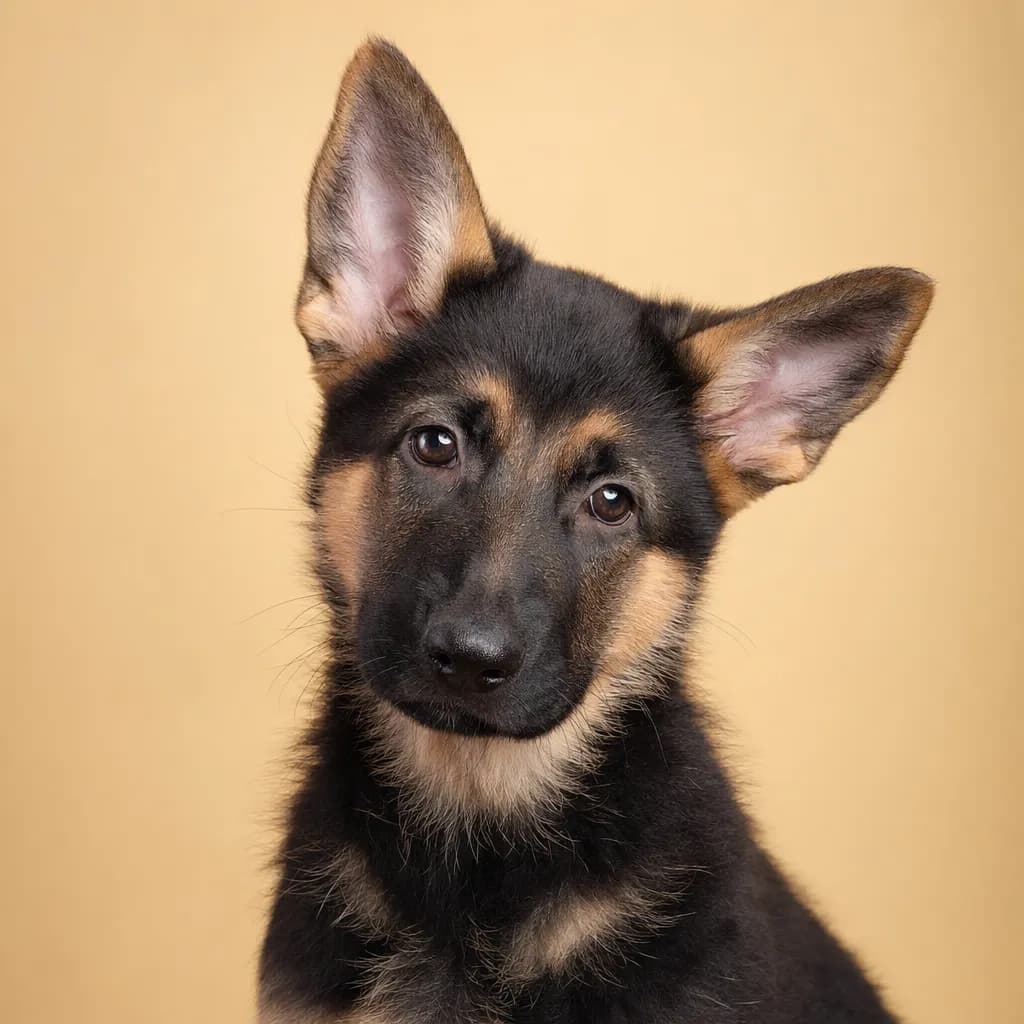
What Training a German Shepherd Is Actually Like
Training a German Shepherd isn’t about teaching tricks or getting basic obedience. It’s about managing a high-performance engine with a built-in GPS for problems. These dogs learn new commands in 1 to 5 repetitions and obey the first command 95% of the time. That intelligence means they’re always watching, always assessing, and always ready to take initiative. If you’re not giving them a job, they’ll invent one—like rounding up kids at the park or guarding your coffee from squirrels. They’re confident, sharp, and thrive under structure. But without clear leadership and mental engagement, that bright mind turns restless. You’re not just training a dog. You’re directing a working partner. This isn’t a breed for weekend walks and casual commands. If you want a couch buddy, look elsewhere. If you want a dog that can out-think problems and match your energy, you’re in the right place.
Training Timeline
Start training the day you bring your pup home at 8 weeks. The socialization window closes at 12 weeks, so flood those early months with positive exposure—kids, bikes, traffic, other dogs, different surfaces. Enroll in puppy class by 10 weeks. Between 4 and 6 months, begin formal obedience: sit, stay, heel, recall. Use short, focused sessions—5 to 10 minutes, 3 times daily. Around 6 months, adolescence hits hard and lasts until 18 months. Expect testing, stubbornness, and regression. The second fear period hits between 11 and 14 months (weeks 44–56), so avoid forced exposure and double down on confidence-building. Introduce scent work, agility drills, or structured tracking around 9 months to meet mental demands. By 14 months, mental maturity starts to settle in, but consistency through 18 months is non-negotiable. Push through adolescence with routine, not punishment.
Breed-Specific Challenges
First, their intelligence is a double-edged sword. They learn fast, but if training is repetitive or boring, they disengage or start manipulating the situation. Second, their herding instinct doesn’t vanish because you don’t own sheep. Without outlets, they may nip at heels, chase bikes, or try to control movement in the household—especially around kids. Third, they’re sensitive to tone and body language, which means inconsistent cues or emotional yelling backfire fast. They’ll shut down or react defensively. Fourth, their high energy and mental needs mean under-exercised German Shepherds become destructive or hyperfixate on minor stimuli. A tired GSD is not just a happy GSD—it’s a stable one.
What Works Best
Use structured, task-oriented sessions of 10–15 minutes, 2–3 times daily. Keep things novel—rotate skills weekly. These dogs respond best to precision work: heel with changes of pace and direction, complex recall under distraction, scent discrimination. Leverage their love of subtle cues—hand signals, eye contact, body shifts—and pair them with clear verbal commands. Reward with enthusiastic verbal praise and high-value play, like tug or ball retrieval. Avoid food-only rewards; many GSDs value play higher. Train in multiple environments early to build resilience. Push for proofing by 8 months, but stay patient through adolescence. And above all, keep their brain busy. A German Shepherd without a job isn’t just bored. They’re dangerous.
Crate Training Your German Shepherd
A German Shepherd needs a properly sized crate—think 42 inches for an adult, even if they’re not there yet. Get the big one now and use a divider because these pups grow fast, and you don’t want to buy twice. Start with the divider set so the space is just big enough for a seven-week-old puppy, then adjust as they grow. The key is preventing them from having so much room that they’ll potty in one corner and sleep in the other. German Shepherds are smart enough to figure that out fast, and once they do, you’ve lost ground.
Their energy level is through the roof, but their trainability and precision mindset work in your favor. They don’t fight the crate if you frame it as a job—treat it like a “settle” command with a finish position inside the crate. Make it structured. Use a consistent cue like “kennel up,” reward precision, and keep sessions short but frequent. They’ll learn fast because they thrive on purpose.
Don’t expect long crating periods early on. Even as adults, max out at 4 hours during the day—more than that and their separation tolerance drops. They’re confident, not clingy, but they’re also problem solvers. Leave them too long and they’ll start testing, chewing the crate pad, barking, or digging at the mat. Prevent this by stuffing durable chew toys like a Kong with peanut butter or a frozen marrow bone. It keeps their mouth busy and their brain off destructive habits.
Use a durable crate pad, not plush ones—they’ll shred them. And never use the crate for punishment. To a German Shepherd, it’s a den, a command post, a safe zone. Respect that, and they’ll go willingly, even eagerly. Make it a non-negotiable part of their routine, like heel work or recall drills, and they’ll accept it as just another task in the day’s work.
Potty Training Your German Shepherd
German Shepherds are large dogs, averaging around 70 pounds, and that size means a bigger bladder—but don’t let that fool you into thinking they’ll hold it forever. Puppies still need to go every 2 to 3 hours, especially after eating, drinking, or playing. Their physical development supports faster progress than smaller breeds, but you still can’t rush biology. Expect full reliability between 4 to 6 months for most, though some may take up to 8 months depending on consistency and environment.
These dogs are in the brightest tier of breeds, learning new commands in just 1 to 5 repetitions. That intelligence is a double-edged sword. They’re eager to please, yes, but they’re also bold and observant, which means they’ll quickly figure out loopholes. If you’re inconsistent with timing or location, they’ll test boundaries. A German Shepherd won’t ignore your cues because he’s confused; he’ll do it because he’s confident enough to challenge you. That’s not stubbornness in the mule-like sense—it’s selective cooperation. You need to be calmer, clearer, and more consistent than he is.
One breed-specific challenge? Their wariness of weather. Some German Shepherds balk at going outside in rain or cold, especially as puppies. Don’t let that slide. Stand firm, use an encouraging tone, and go with them to create a pack mentality around the task. They’re not likely to sneak off to potty indoors like scent hounds or tiny breeds that hide accidents, but they will hold it too long if not taken out promptly, leading to accidents when they finally can’t wait.
Reward them with more than treats—pair food with praise and play. They respond best to a mix of tangible rewards and clear approval from you. A quick game of tug after a successful potty outside reinforces the behavior better than kibble alone. Stay on schedule, stay firm, and you’ll have a reliably house-trained dog faster than most breeds.
Leash Training Your German Shepherd
German Shepherds are powerful, brainy dogs with a drive to work that doesn’t quit. That 70-pound frame and 5/5 energy level mean leash training isn’t optional—it’s essential from day one. Start with the right gear: a well-fitted front-clip harness is your best bet. These dogs are strong enough to yank you down the street, and a back-clip harness or flat collar can encourage pulling and risk tracheal damage. The front-clip design gently redirects their forward motion, giving you more control without compromising their confidence.
Their prey drive is real. Squirrels, bikes, even fluttering leaves—they’re all targets. That herding instinct means they’ll often weave ahead or try to “manage” movement around them, darting toward anything that moves. You’ll see it in their tendency to pull toward stimuli, not just out of excitement but because they’re hardwired to engage and control. This isn’t defiance. It’s purpose. Their original job required them to move with precision and respond instantly, so their trainability is a huge advantage. Use it. Practice loose-leash walking with high-value rewards and clear cues. They thrive on cooperative precision—make it a job, not a battle.
Common issues? Leash reactivity and persistent pulling. They’re alert by nature and can become overprotective on walks if not socialized early. A German Shepherd who sees every passerby as a threat is a recipe for tension on the leash. Expose them widely and positively in puppyhood.
Good leash behavior for this breed isn’t about walking like a show-line Greyhound. Realistic expectations mean a dog who walks within 3–4 feet of your side, checks in regularly, and responds to course corrections without blowing up. They won’t be slack-rope perfect every time, but they should be attentive and cooperative. Train consistently, respect their intelligence, and you’ll have a walking partner who’s as focused as he is fearless.
“I just wish someone would tell me what to do and when to do it.”
Not generic puppy tips. Not a video course you’ll never finish. Just one email a week telling you exactly what to work on with your German Shepherd, at the age they are right now. Nothing to sift through. Nothing to figure out. Just this week.
Get Started — It’s FreeTell us your breed and your puppy’s age. We’ll send you exactly what to work on this week.
Socializing Your German Shepherd
German Shepherds hit their socialization window between weeks 3 and 12, which means you’ve got a tight window to work with—especially since their first fear period hits between weeks 8 and 11. That overlap is critical. If you’re bringing your pup home at 8 weeks, you’re stepping right into the most sensitive phase of their development. They’re already wired to be alert and cautious, traits that made them great at guarding sheep and later serving in police roles. But that natural wariness means poor handling during this time can cement fear or reactivity for life.
You’ve got to prioritize exposure to a wide range of people—especially strangers, children, and people in uniforms or hats—since their guarding instincts can make them overly suspicious later if not properly socialized. Kids are a must; their herding background means they can fixate on fast-moving children, so controlled, positive interactions from an early age prevent chasing or nipping behaviors. Expose them to different environments, sounds (like sirens, skateboards, crowds), and handling from day one, but keep it positive and never force it. A fearful experience at 10 weeks can stick.
Common mistakes? Overprotecting them or waiting until they’re “older” to start socialization. That delay is deadly with this breed. Another is confusing their confidence with readiness—they may look unbothered but still absorb fear-based memories during that 8-11 week window. Also, skipping structured puppy classes that focus on obedience and exposure is a missed opportunity.
Without early, consistent socialization, a German Shepherd doesn’t just grow into a shy dog. They often become hyper-vigilant, overly territorial, or selectively aggressive—especially toward strangers or other dogs. Their intelligence and courage, if not guided early, turn into a dog that makes its own decisions about threats. And at 70 pounds and growing into maturity around 14 months, those decisions can be dangerous. Get it right early, and you’ve got a rock-solid companion. Get it wrong, and you’re managing reactivity for years.