Training Your Giant Schnauzer
Bred for jobs requiring strength, stamina, and decision-making. Responds to purposeful training with clear expectations. Needs to understand WHY.
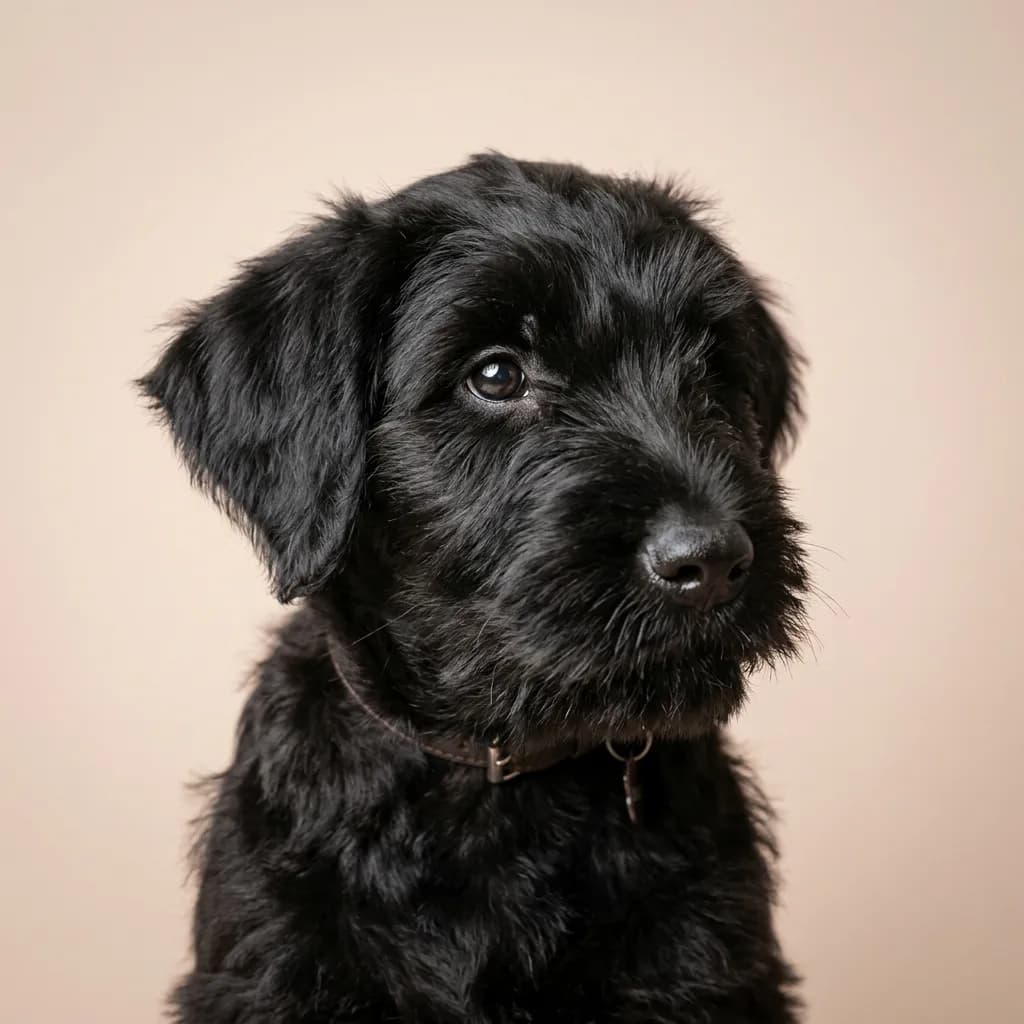
What Training a Giant Schnauzer Is Actually Like
If you’ve got a Giant Schnauzer, you’re not just training a dog—you’re negotiating with a sharp, opinionated partner who needs to believe in the mission. These dogs are smart enough to question everything, and strong enough to ignore you if they don’t see the point. Their Working Group roots mean they thrive on purpose. A command isn’t just a trick; it’s a job. Trainability is high—5/5 on the AKC scale—but that doesn’t mean they’re compliant. First-command obedience sits at 70%, which means about a third of the time, they’ll pause, assess, and decide whether your request is worth their effort. That’s not defiance. That’s a dog bred to make independent decisions while guarding Bavarian farms. If you’re vague or inconsistent, you’ll lose their respect fast. But if you’re clear, structured, and give them a reason, they’ll commit fully.
Training Timeline
Start at 8 weeks. The socialization window closes at 12 weeks, so you’ve got no time to waste. Expose them to surfaces, sounds, people, and dogs—safely and positively. By 16 weeks, begin basic commands: sit, stay, recall. They’ll learn a new command in 15 to 25 repetitions, but only if you make it meaningful. Around 6 months, adolescence hits hard. Energy spikes, attention wavers, and they’ll test boundaries like a teenager with a driver’s license. This lasts until 18 months. At 11 months, watch for the second fear period (weeks 44–56, so about 10–13 months). A dog that was bold at 8 months might suddenly spook at umbrellas or bicycles. Go slow. Reassure, don’t force. By 14 months, mental maturity kicks in. You’ll see a shift—more focus, better impulse control, and a real desire to work. That’s when advanced training clicks.
Breed-Specific Challenges
First, their size and strength. A 70-pound dog that doesn’t listen at the end of the leash is a safety hazard. Leash reactivity isn’t just annoying—it’s dangerous. Start loose-leash walking at 10 weeks. Second, their alertness borders on suspicion. Without early, consistent socialization, they can become overly protective or distrusting of strangers. This isn’t a breed to “figure it out” as they grow. Third, they need mental work, not just physical. A bored Giant Schnauzer will find jobs for themselves—like dismantling your drywall or redecorating the trash can. Daily problem-solving is non-negotiable. Finally, their need to understand “why” means cookie-cutter training fails. If a command seems pointless, they’ll ignore it. Show them the purpose, and they’ll excel.
What Works Best
Keep sessions short—10 to 15 minutes—and structured. They respond to gradually increasing difficulty, not random drills. Use clear, consistent cues. Reward task completion with both food and praise, but know this: the satisfaction of doing the job right matters as much as the treat. They’re not food-driven like a Labrador; they’re task-driven. Train in real-world scenarios: practice recall in the backyard with distractions, work on heel at the park gate. Their 5/5 energy means they can handle multiple sessions a day, but only if each one has a clear objective. And never stop training. Even at maturity, they need challenges. Obedience titles, protection sports, or advanced nose work—give them something to solve. That’s how you keep a Giant Schnauzer engaged, respectful, and in partnership.
Crate Training Your Giant Schnauzer
You need a 48-inch crate for a Giant Schnauzer, no exceptions. Even as a puppy, they’re built like little tanks and grow fast. A divider is essential early on so they don’t have too much space to roam, which can encourage potty accidents or bad habits. But don’t leave that divider in too long—by 5 or 6 months, they’ll be pushing against it, and you’ll need to adjust or replace the crate. These dogs are task-oriented and thrive on structure, so use that to your advantage. Crate training isn’t about convincing them; it’s about making the crate part of their job.
Giant Schnauzers are alert and loyal, which means they’ll notice everything, including when you’re setting up the crate. Use that focus. Train the crate like a command—“kennel” or “place”—with clear purpose. They’ll accept it quickly if the expectation is consistent. But don’t expect them to settle just because they’re in the crate. Their energy level is off the charts, so crating right after a long walk or training session works best. If you crate a fired-up Giant Schnauzer, they’ll bark or chew. And they will chew. These dogs have strong jaws and a mouthing instinct, so don’t leave plush pads or soft bedding in there until they’re fully past the puppy destruction phase. A rubber mat or indestructible bed is smarter.
They can handle 4 to 5 hours crated as adults, but only if they’ve had mental and physical work first. Don’t expect more—this breed isn’t built for long stretches of confinement. And while they’re incredibly trainable, their alertness means they’ll bark if they sense something’s off. That’s not defiance; it’s their job. Manage it by placing the crate where they don’t feel compelled to guard the whole house, like a quiet corner of the kitchen.
Start crate training on day one, keep sessions structured, and never use it as punishment. For a Giant Schnauzer, the crate should feel like their post—secure, important, and part of the team.
Potty Training Your Giant Schnauzer
Giant Schnauzers are big dogs with big bladders, and that works in your favor when potty training. At 70 pounds on average, they can physically hold it longer than smaller breeds, but don’t mistake capacity for readiness. Their size means less frequent trips than a Chihuahua, but consistency is still non-negotiable. Expect to take them out every 2-3 hours during the day, especially after meals, naps, and play sessions. Their trainability score of 5/5 and placement in Coren’s Above Average tier mean they learn fast—usually in 15 to 25 repetitions—but they’re not robots. They’re loyal and alert, which makes them eager to please on their terms. You’ll see progress quickly if you’re consistent, but they can test boundaries if routines get sloppy. Think of them as smart teenagers who know the rules but might push them just to see what happens.
Realistically, most Giant Schnauzers are reliably house-trained by 5 to 6 months, though occasional accidents can happen up to a year, especially during growth spurts or environmental changes. Don’t get discouraged. Their challenge isn’t defiance—it’s their strong sense of awareness. They notice everything, so distractions outdoors (a squirrel, a passing dog) can pull their focus mid-potty break. Keep leash walks structured and purposeful. Avoid letting them dawdle; use a designated spot and a consistent cue.
Rewards matter, but skip the mushy praise. They respond best to crisp, timely feedback. A firm “good” followed by a small, high-value treat—like real meat or cheese—works better than belly rubs. They’re not food-obsessed like Labs, but they respect effort and precision. Make potty training a job they can master, not a guessing game, and they’ll lock it in fast.
Leash Training Your Giant Schnauzer
Leash training a Giant Schnauzer isn’t about teaching a polite walker—it’s about managing a 70-pound working dog built for control and endurance. They were bred to drive cattle and guard property, which means they default to taking charge. That mindset shows up on walks: they’ll pull, pivot, and test boundaries because they expect to make decisions. Start early and be consistent, or you’ll be dragged through every neighborhood scent explosion by a dog who thinks he’s in charge.
Skip the standard collar. A front-clip harness like the Freedom or Balance works best. These redirect their forward momentum and give you leverage without risking trachea damage. Even with perfect training, their sheer power means a regular back-clip harness or collar will turn every squirrel sighting into a wrestling match. Use a 6-foot nylon or biothane leash—no retractables. They’re too strong, and the slack encourages pulling.
Their energy level is relentless and their prey drive is high. Squirrels, bikes, other dogs—they’re all targets. This isn’t just distraction; it’s instinct kicking in. Off-leash freedom should be earned over years, not months, and only in secure areas. On-leash, expect lunging and barking at first. Their alertness means they’re constantly scanning, and that vigilance can turn into reactivity if not shaped early.
Common issues? Pulling like a draft dog, forging ahead at intersections, and “guarding” the walk by barking at strangers or dogs. Their working drive makes them task-oriented, so they fixate on goals—like that cat three blocks away.
Good leash behavior for a Giant Schnauzer isn’t loose-leash perfection. It’s being able to heel through distractions, respond to corrections, and walk within 1–2 feet of your side without constant pulling. They’ll never glide like a Greyhound, but with firm, consistent training, they can be focused, responsive, and safe in public.
“I just wish someone would tell me what to do and when to do it.”
Not generic puppy tips. Not a video course you’ll never finish. Just one email a week telling you exactly what to work on with your Giant Schnauzer, at the age they are right now. Nothing to sift through. Nothing to figure out. Just this week.
Get Started — It’s FreeTell us your breed and your puppy’s age. We’ll send you exactly what to work on this week.
Socializing Your Giant Schnauzer
You’ve got a Giant Schnauzer, which means you’re working with a smart, powerful dog built for guarding and handling tough jobs on Bavarian farms. That working background gives them a natural wariness of strangers and unfamiliar situations, and that’s exactly why socialization isn’t optional—it’s critical. Their socialization window opens at 3 weeks and slams shut around 12 weeks, which is tight. Worse, their first fear period hits between 8 and 11 weeks, right in the middle of that window. So while your puppy might seem bold one week, the next he could spook at a vacuum cleaner or a kid on a scooter. That’s normal, but it means you can’t wait to start. You need controlled, positive exposure before fear sets in.
Giant Schnauzers need heavy, consistent exposure to people—especially strangers, men, people wearing hats or uniforms, and anyone moving unpredictably. They were bred to assess threats, so without early and ongoing socialization, they’ll default to suspicion. You’ll also want to expose them to loud noises, traffic, bicycles, and other animals at a safe distance. Don’t force it. Pair new things with treats, praise, and calm leadership. Let him observe and process.
A common mistake is thinking their early confidence means they’re “fine.” Just because your 10-week-old Giant Schnauzer barks at a delivery person doesn’t mean he’s being protective—it might mean he’s scared and overcompensating. Another mistake is delaying socialization past 12 weeks, assuming you’ve got time. You don’t. Miss that window and you’re setting up for reactivity or aggression later.
If you skip proper socialization, you’ll likely end up with a 70-pound dog who’s distrustful of guests, reactive on walks, and tough to manage in public. That’s not a flaw in the breed—it’s a failure in rearing. But do it right, and you’ll have a loyal, confident guardian who’s alert without being aggressive. Their adult temperament hinges on what you do before he’s 4 months old. Don’t blow it.