Training Your Glen of Imaal Terrier
Bred for tenacity and independence. Gets bored fast, needs variety. Responds to enthusiasm and play. Can be stubborn but not untrainable -- just needs the right motivation.
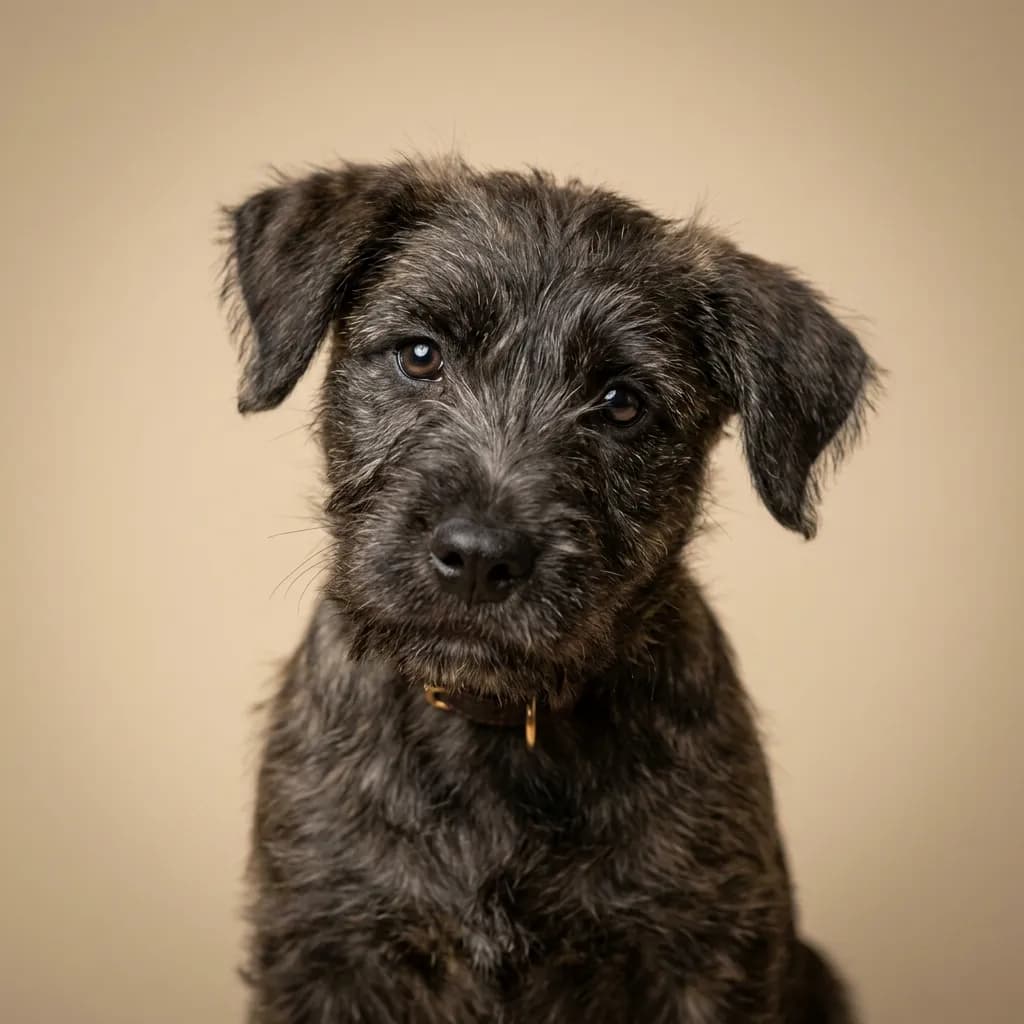
What Training a Glen of Imaal Terrier Is Actually Like
Training a Glen of Imaal Terrier is like working with a clever, slightly opinionated contractor who shows up late but gets the job done—his way. They’re in the “average” tier for obedience according to Coren, meaning they need 25 to 40 repetitions to learn a new command, and they’ll only obey the first command about half the time. But don’t let that discourage you. Glands aren’t disinterested; they’re selective. Bred to work independently underground, they’ve got grit and judgment, not just blind compliance. They’ll assess whether your request makes sense before deciding to comply. Combine that with moderate energy and mental needs (both rated 3/5 by AKC), and you’ve got a dog who won’t wear you out but insists on engagement that feels meaningful. They’re gentle at heart, bold in spirit, and surprisingly adaptable—just don’t expect a golden retriever’s eagerness.
Training Timeline
Start the day you bring your puppy home at 8 weeks. That socialization window closes hard at 12 weeks, so prioritize safe exposure to people, sounds, and surfaces. By 16 weeks, begin formal cues—sit, stay, leave-it—but keep it fast and fun. Around 32 to 40 weeks, brace for the second fear period. Your formerly bold pup might spook at umbrellas or flinch at a closing door. Don’t push. Reassure, redirect, and go back to basics. Adolescence kicks in at 5 months and lasts until 14, so expect testing of boundaries from mid-puppyhood through almost a full year. Crate manners, recall, and impulse control need consistency here. Maturity hits around 9 months, but don’t relax—this is when their terrier instincts fully wake up. That means digging, barking at squirrels, and the occasional “I’ll just dig under the fence” project. Early and ongoing training prevents those from becoming habits.
Breed-Specific Challenges
First, independence. They were bred to work without direction underground, so they don’t default to looking at you for cues. You’ll need to earn their attention. Second, boredom. Their “average” trainability score isn’t about smarts—it’s about focus. If a session feels repetitive, they’ll check out. Third, prey drive. They were bred to hunt vermin, so small animals—even pet rats or rabbits—are seen as targets, not friends. Leash reactivity to squirrels or cats isn’t just likely, it’s expected without proactive training. Finally, selective hearing. They’ll come when they want, especially off-leash, until you’ve built a rock-solid recall with high-value rewards.
What Works Best
Short, high-energy sessions—2 to 5 minutes, multiple times a day—are non-negotiable. Use variety: mix in scent games, tug, and obedience drills. They respond best to play and enthusiasm, not monotone commands. Reward heavily with tug toys, squeaky toys, and high-value treats like freeze-dried liver. Food motivation is there, but play is often a stronger currency. Keep the pace snappy and the tone upbeat. If you’re bored, they’re already gone. Emphasize consistency during adolescence, especially for recall and leave-it, since their prey drive peaks then. Use structured off-leash time only in secure areas—never assume recall is reliable by 6 months. Build it patiently, with repetition and real-world proofing.
Crate Training Your Glen of Imaal Terrier
A Glen of Imaal Terrier needs a 36-inch crate as an adult, but since they grow slowly—reaching full size around 18 months—a divider is essential for a puppy. Start with the divider set to fit their current size, so they don’t have too much space to roam, which can encourage accidents or bad habits. Glens are sturdy, dense dogs; that 36-pound frame takes up space, so don’t skimp on crate size, but don’t oversize early either.
These dogs are gentle and bold but have a quiet stubborn streak. They won’t usually panic hard like a herding breed might, but they aren’t eager-to-please types either. Crate acceptance isn’t instant. They’ll sniff, pause, and maybe give you a side-eye before stepping in. That’s normal. Use their spirited side—turn crate time into a game. Toss a treat inside, close the door for 2 seconds, open it, then let them out. Keep sessions under 3 minutes. High energy bursts, not long drills.
Glens settle faster than you’d expect for a terrier. At home, they’re 3/5 on energy, happy to nap after a short romp. That means they can handle 3 to 4 hours crated during the day once past puppyhood, but not more. Puppies under 6 months shouldn’t be crated longer than 2 hours at a stretch. Their separation tolerance is moderate. They don’t tend to bark excessively in crates, but some will dig at pads or chew the edges of fabric crates—stick to wire or plastic with a tough mat. Avoid plush bedding early on. They’ve got a terrier mouth on them and will dismantle anything that looks like prey.
Rotate crate toys weekly—stuffed Kongs, crinkly toys—but only during crate time. That contrast makes the crate exciting, not a punishment. And always end a session on a win. A treat, a chin scratch, and a cheerful “good den” goes a long way with this proud little worker.
Potty Training Your Glen of Imaal Terrier
Glen of Imaal Terriers are medium-sized dogs, averaging around 36 pounds, so their bladder capacity develops faster than toy breeds but still takes time. You can expect a Glen to hold it for about one hour per month of age, give or take. At 12 weeks, that’s about three hours. Their size means they won’t have the same indoor accidents a Chihuahua might from sheer physical limitation, but consistency is still critical—especially because they’re not the quickest learners in the obedience department.
Glen of Imaal Terriers fall into Coren’s Tier 4 for working intelligence, needing 25 to 40 repetitions to grasp a new command. They’re not defiant, exactly, but they’re independent thinkers with a bold, sometimes stubborn streak. They’re not as eager to please as a Border Collie, so potty training requires patience and structure. They’ll figure it out, but on their own timeline. Don’t expect instant compliance.
Realistically, most Glens take 4 to 6 months to become reliably house-trained, and even then, occasional setbacks happen, especially during weather changes or routine shifts. Crate training helps—they’re den animals by nature and usually adapt well to a properly sized crate. But don’t leave them crated too long; their spirited personality doesn’t do well with boredom or confinement.
One challenge is their tendency to dig and investigate, which can distract them outside. Take them out on a leash to a designated spot and keep the trips businesslike. Playtime comes after potty, not during.
When it comes to rewards, Glens respond best to food motivation—small, tasty treats they can’t resist. Pair that with calm praise. They’re gentle at heart, so harsh corrections backfire. Stick to consistency, routine, and positive reinforcement. They’ll get there, just don’t rush them.
Leash Training Your Glen of Imaal Terrier
Leash training a Glen of Imaal Terrier means working with a bold, stocky 36-pound package that was literally built to dig and follow scents into tight underground spaces. They’re not high-energy like a Border Collie, but don’t be fooled—those short bursts of enthusiasm are real. This breed has moderate energy and a solid prey drive, so if a squirrel darts across the path, your Glen will absolutely want to investigate, full stop. That’s not defiance—it’s instinct.
For equipment, skip the standard collar. Their thick necks and terrier determination mean they can easily power through corrections, risking strain. A well-fitted front-clip harness is your best bet. It gives you more control during those sudden lunges, and since Glens are strong for their size, that little redirection up front makes a difference. Make sure it’s snug but not restrictive—these dogs are muscular and low to the ground, so fit matters.
Common leash issues? Pulling when they catch a scent, stopping to dig at the edge of sidewalks, or going nose-down for long sniffs the second they hit grass. That’s their history talking. They were bred to go to ground after vermin, so loose-leash walking isn’t exactly in their DNA. They’re not trying to dominate the walk—they’re trying to do the job they were born for.
Realistic expectations? Don’t aim for heel work like a German Shepherd. A well-trained Glen will walk with a loose leash most of the time, check in periodically, and respond to recall after a brief sniff session. They’ll still pull sometimes, especially if something interesting is downwind. Focus on consistency, short high-energy training sessions, and rewarding focus. They’re gentle and eager to please in their own stubborn way, so patience and positivity win every time.
“I just wish someone would tell me what to do and when to do it.”
Not generic puppy tips. Not a video course you’ll never finish. Just one email a week telling you exactly what to work on with your Glen of Imaal Terrier, at the age they are right now. Nothing to sift through. Nothing to figure out. Just this week.
Get Started — It’s FreeTell us your breed and your puppy’s age. We’ll send you exactly what to work on this week.
Socializing Your Glen of Imaal Terrier
You’ve got to move fast with a Glen of Imaal Terrier when it comes to socialization. Their critical window—weeks 3 to 12—overlaps directly with their first fear period, which hits hard between weeks 8 and 11. That means the pup you bring home at 8 weeks is entering a phase where new experiences can leave lasting impressions, good or bad. You can’t wait. You need to be proactive, calm, and consistent from day one.
Glens were bred to work underground, hunting badgers and foxes in the rocky Irish glens, so they’re naturally suspicious of unfamiliar things. That bold terrier spirit doesn’t mean confidence in new situations. In fact, they’re often wary of strangers, sudden noises, and chaotic environments. You need to expose them early and gently to a wide range of people—especially men, children, and people wearing hats or uniforms—plus traffic sounds, bicycles, and other dogs. Not just once, but repeatedly in positive contexts.
A common mistake is assuming their calm demeanor means they’re fine. Glens are quiet and observant. They might not react dramatically to stress, but that doesn’t mean they’re not internalizing fear. Forcing them into overwhelming situations or skipping socialization because “they’re mellow” backfires by 9 months, when they reach emotional maturity. An under-socialized Glen won’t magically warm up. They’ll default to suspicion or aloofness, and that wariness hardens into reactivity or avoidance.
Do it right and you get the best of both worlds—a dog who’s still discerning, as Glens should be, but not reactive. He’ll be gentle with family, boldly curious when needed, and steady in public. Skip it, and you’ll have a 36-pound package of quiet resistance that’s hard to manage outside the home. Early, thoughtful exposure isn’t optional. It’s what keeps their natural courage from tipping into caution.