Training Your Grand Basset Griffon Vendéen
Independent thinkers bred to work ahead of handlers. Scent hounds follow their nose; sight hounds follow movement. Requires patience and high-value rewards.
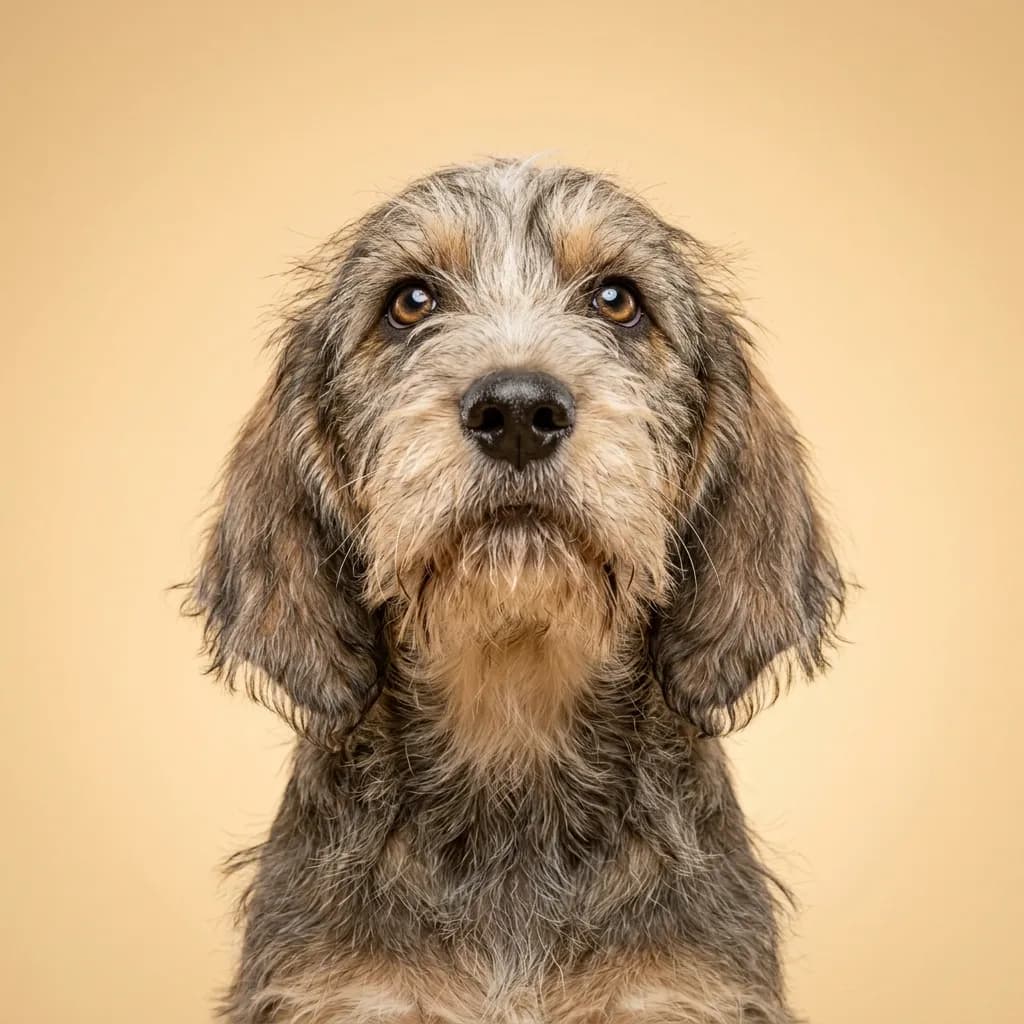
What Training a Grand Basset Griffon Vendéen Is Actually Like
Training a GBGV is like working with a very cheerful, slightly stubborn teenager who’s always distracted by something more interesting—usually a smell. They’re in the Hound Group for a reason. Their breeding demands independence. They’re designed to follow a scent trail far ahead of their handler, make decisions on their own, and keep going for miles. That means they don’t default to looking at you for direction like a Border Collie would. Their Coren trainability tier is 4, so expect to repeat commands 25 to 40 times before they reliably catch on, and even then, they might choose not to respond if something more enticing crosses their path. First-command obedience hovers around 50 percent, which is modest. But here’s the good part: they’re happy, outgoing, and not defiant out of aggression or fear. They just prioritize nose over noise. If you’re patient, consistent, and creative with rewards, you can build a strong foundation. But if you’re counting on off-leash reliability in open areas, prepare for disappointment.
Training Timeline
Start at 8 weeks. The socialization window closes hard at 12 weeks, so flood them with positive experiences—different people, dogs, surfaces, sounds. By 16 weeks, begin basic cues like “sit” and “come,” but keep sessions under 5 minutes. Around 32 to 40 weeks, brace for the second fear period. Avoid forcing interactions; use high-value treats to build confidence. Adolescence hits at 5 months and lasts until 14. Energy peaks around 8–10 months. This is when their nose really takes over. Leash reactivity to scents, selective hearing, and boundary testing will ramp up. Stay consistent. Formal training shouldn’t stop—just adjust expectations. Maturity arrives around 9 months, but mental maturity lags. Full reliability? Don’t count on it until 18 months, if then.
Breed-Specific Challenges
First, recall is unreliable off-leash. Their scent drive overrides training the moment they catch a hot trail. You cannot assume they’ll come back, even if they’ve done so 100 times before. Second, they’re independent problem solvers. That’s great in the field, not so great in your yard when they figure out how to dig under a fence. Third, their high energy and mental stimulation needs (4 out of 5) mean boredom leads to destructive behavior—chewing, barking, escape attempts. Fourth, they’re not naturally attentive. You have to teach them to check in with you, and it takes time and high-value reinforcement.
What Works Best
Short sessions—3 to 5 minutes, 2 to 3 times a day. Their attention span isn’t long, and dragging things out backfires. Use extremely high-value treats. Think freeze-dried liver, chicken, or cheese. Kibble won’t cut it. Scent games are non-negotiable. Hide treats, teach “find it,” use snuffle mats. These fulfill their instinctive drives and make training more engaging. Positive reinforcement is the only realistic path. Harsh corrections shut them down or make them sneakier. Train in low-distraction environments first, then slowly increase difficulty. And always, always use a long line instead of off-leash work—safety first.
Crate Training Your Grand Basset Griffon Vendéen
A Grand Basset Griffon Vendéen needs a 36-inch crate as an adult, but since they grow slowly and hit that 42-pound average over 12 to 14 months, start with one that includes a divider. Use it religiously—this breed is so scent-driven they’ll focus on every new smell in their space, and a properly sized crate keeps them from feeling overwhelmed or developing bad habits in a too-big space. The divider lets you gradually expand room as they mature without sacrificing security.
Don’t expect quick acceptance. High energy and an independent streak mean your GBGV might treat the crate like a puzzle to be solved at first. They’re not stubborn out of malice—they just need a reason to care. That’s where scent games come in. Toss a stuffed Kong into the crate and let them find it, or hide high-value treats like freeze-dried liver around the entrance. Make it a challenge. Their happy, outgoing nature means they’ll engage if it feels like play.
They won’t settle for long stretches just because you close the door. Even adult GBGVs shouldn’t be crated more than 4 to 5 hours at a time. This breed thrives on interaction and movement. They’re not prone to separation anxiety per breed surveys, but they will bark or chew if bored—especially the crate pad, which becomes a target if they’ve got leftover puppy mouthiness. Use a durable, chew-proof pad or a thick rubber mat instead.
Short sessions—5 to 10 minutes max at first—are non-negotiable. Pair every entry with a scent game or a stuffed marrow bone. If they start digging at the crate floor, switch up the texture underfoot. And never use the crate as timeout. With a temperament this upbeat, it should always feel like their den, not a jail.
Potty Training Your Grand Basset Griffon Vendéen
The Grand Basset Griffon Vendéen is a medium-sized dog, averaging around 42 pounds, which means they have a decent bladder capacity for their age but aren’t going to hold it like a large breed. Puppies will need outdoor breaks every 2 to 3 hours, especially after meals, naps, or play. Their size helps a bit with scheduling, but don’t expect overnight dryness before 5 to 6 months at the earliest.
Trainability in the GBGV sits at a 3 out of 5, and they land in Coren’s Tier 4 for working dog intelligence. Translation? They’re capable but not in a rush to please you. These dogs are independent, happy, and outgoing, which sounds great—until you realize that “outgoing” often means easily distracted by scents, squirrels, or the neighbor’s cat. They learn commands in 25 to 40 repetitions on average, so consistency is non-negotiable. You can’t skip routines or expect fast results.
Because they’re scent hounds at heart, outdoor potty trips can turn into full-on sniff expeditions. They may forget why they’re outside altogether. That means leash control and a consistent cue word like “go potty” matter. Don’t let them wander aimlessly—guide them to a spot and wait. Short, structured outings work better than long, free-range bathroom hunts.
House-training a GBGV usually takes 4 to 6 months with consistent effort, and some will take longer. Full reliability by 8 to 10 months is realistic. Crate training helps, but don’t over-crate—these are active, social dogs.
Rewards? Make them immediate and tasty. High-value treats like small bits of chicken or cheese work better than kibble. Praise matters, but food wins here. Be enthusiastic, but don’t overdo the fuss—just a quick treat and calm praise right after they go. They’ll learn faster when the payoff is clear and immediate. Patience, repetition, and a sense of humor go a long way with this charmingly stubborn breed.
Leash Training Your Grand Basset Griffon Vendéen
Leash training a Grand Basset Griffon Vendéen means working with their instincts, not against them. These dogs were built to follow scent trails for hours across rough terrain, and that focus doesn’t vanish on a walk. Their energy is relentless—5 out of 5—and their nose is always on the job. If you expect loose-leash perfection like a Border Collie, you’ll be frustrated. Good leash behavior for a GBGV means forward movement with occasional pauses to sniff, minimal pulling when redirected, and returning focus when called—not constant heel work.
A front-clip harness is non-negotiable. At 42 pounds, they’re medium in size but built low and strong, and their stubborn independence means they’ll lean into tension if given the chance. A standard collar risks tracheal strain, especially since they were bred to bay and track with head down. The front-clip harness gives you gentle control without choking, and it discourages pulling by turning their body when they surge ahead. Pick one that fits snugly; these dogs are escape artists if motivated by a hot scent.
Their biggest leash problems? Stopping dead to sniff, sudden lunges at wildlife, and selective hearing when a trail peaks their interest. That 3/5 trainability score isn’t about intelligence—it’s about motivation. They’re smart, but they’d rather follow a rabbit’s path than earn a treat from you.
Use their scent drive to your advantage. Let them “work” at the end of the walk as a reward—designate a safe area for off-leash tracking. On leash, keep sessions short and engaging, using high-value treats and frequent changes in direction to hold attention. Accept that they’ll zigzag and pause. Your goal isn’t robotic obedience. It’s a happy, tired dog who checks in often enough to stay safe—and still gets to do what they were born to do.
“I just wish someone would tell me what to do and when to do it.”
Not generic puppy tips. Not a video course you’ll never finish. Just one email a week telling you exactly what to work on with your Grand Basset Griffon Vendéen, at the age they are right now. Nothing to sift through. Nothing to figure out. Just this week.
Get Started — It’s FreeTell us your breed and your puppy’s age. We’ll send you exactly what to work on this week.
Socializing Your Grand Basset Griffon Vendéen
You’ve got a Grand Basset Griffon Vendéen, which means you’re raising a cheerful, independent hound with a nose that’s always working. That first socialization window—weeks 3 to 12—is absolutely critical, and it’s a tight squeeze because their first fear period hits hard between weeks 8 and 11. That means by the time you bring your puppy home, they’re already entering a phase where new experiences can leave lasting impressions, good or bad. You can’t afford to wait or ease into things. You need to flood them with positive, controlled exposure during those first few weeks post-adoption.
GBGVs were bred to hunt hare in rugged terrain, working independently but in packs. That dual nature—outgoing yet stubborn—means they need more exposure to novel sights, sounds, and surfaces than your average dog. Crinkly tarps, loud trucks, metal grates, kids yelling, other dogs playing roughly—none of this should be a surprise to them by 12 weeks. They’re not naturally suspicious like guardians, but their independence means they’ll make their own decisions if they’re unsure. A GBGV who isn’t socialized will default to wariness, not protection, and that hesitation turns into poor recall or distraction in the field.
They’re not typically shy around people, but they can be reactive to sudden movements or loud noises—left unchecked, this turns into a dog that startles easily during hunts or walks. Common mistakes? Overprotecting them during the fear period (which teaches them the world is scary) or assuming their happy demeanor means they’re “fine” when they’re actually overwhelmed.
Skip real socialization and you’ll end up with a 9-month-old dog who’s physically mature but emotionally undercooked—distractible, spooked by changes, and harder to redirect because of their hound independence. Nail it, and you’ve got a resilient, adaptable companion who’s bold without being reckless, and always ready to follow his nose—knowing you’ve got his back.