Training Your Greyhound
Independent thinkers bred to work ahead of handlers. Scent hounds follow their nose; sight hounds follow movement. Requires patience and high-value rewards.
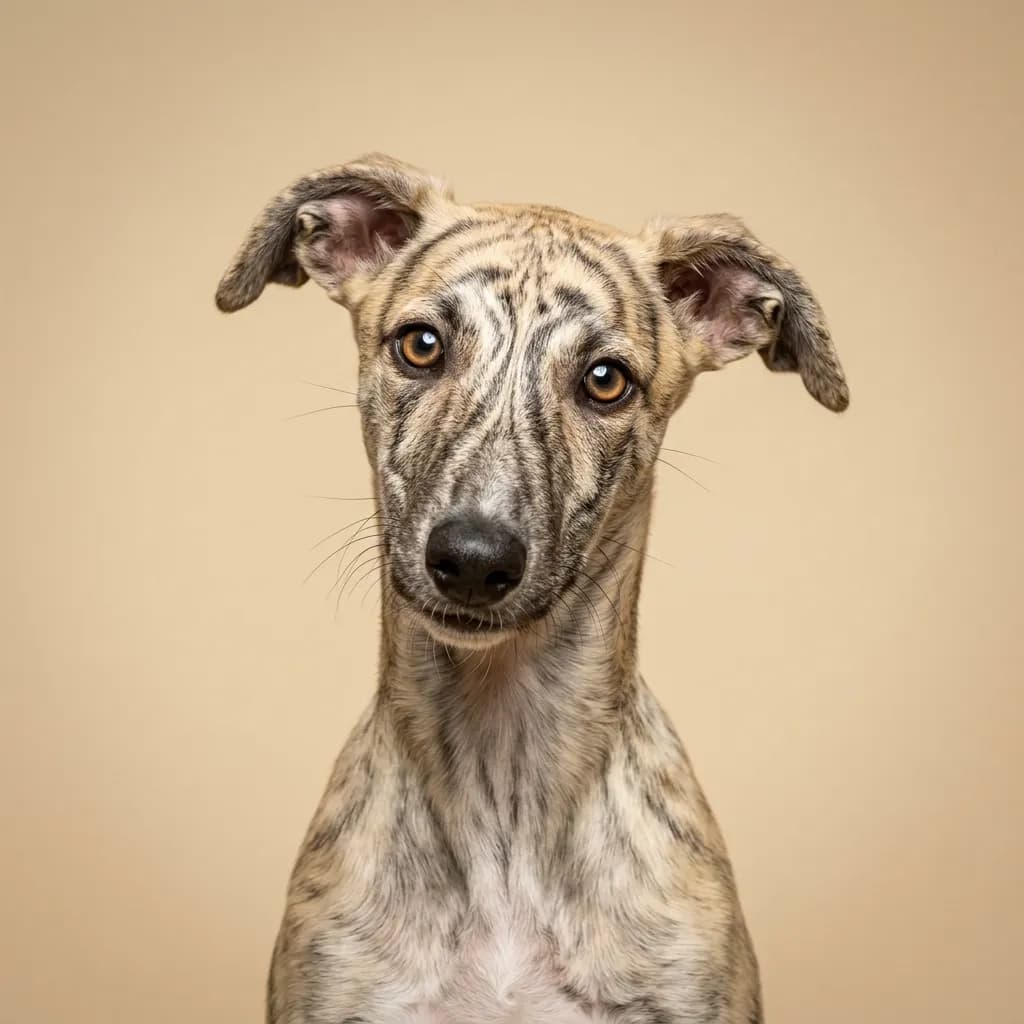
What Training a Greyhound Is Actually Like
Training a Greyhound isn’t like training a Border Collie who hangs on your every word. These dogs are in the Hound Group for a reason—they’re independent thinkers with a strong instinct to follow movement, not your voice. Ranked in Coren’s Tier 4, they need 25 to 40 repetitions to learn a new command, and first-time obedience sits around 50%. That means consistency is non-negotiable, but so is patience. They’re not stubborn out of defiance; they’re just wired to prioritize what they see over what you say. Indoors, they’re famously calm—earning the nickname “45-mile-per-hour couch potato”—but that doesn’t mean training is easy. Their energy is explosive but short-lived, and their mental stimulation needs are moderate, so sessions must be sharp and rewarding. You’re not going to win obedience trials with most Greyhounds, but you can build solid manners and recall with the right approach.
Training Timeline
Start at 8 weeks: this is the golden window for socialization, which closes by week 12. Expose your pup to different people, surfaces, sounds, and environments—especially anything involving sudden movement. Around 6 months, adolescence kicks in and lasts until 18 months. This is when independence spikes and previously learned commands may seem forgotten. At 44 to 56 weeks, watch for the second fear period. A noise or experience that never bothered them before might trigger avoidance. Go slow, don’t force interactions, and rebuild confidence with treats and calm exposure. By 14 months, most Greyhounds reach emotional maturity. You’ll notice better focus and consistency. That’s when your earlier foundation pays off—commands stick faster, and impulse control improves.
Breed-Specific Challenges
First, recall is a lifelong challenge. Bred to sprint after moving prey, Greyhounds have a hardwired chase instinct. Off-leash reliability is rare, even with training. Never trust recall around squirrels, cats, or fast-moving bikes. Second, their independence means they’ll often choose what to obey. A command like “come” might get ignored if something more interesting is happening. Third, many ex-racers come with learned behaviors—like crate obsession or shyness around sudden movements—due to track life. Finally, their sensitivity during fear periods can lead to lasting aversions if mishandled. A loud noise at 10 months might make them skittish around vacuums forever if not properly desensitized.
What Works Best
Keep sessions under 5 minutes—Greyhounds disengage fast if bored. Use extremely high-value treats; boiled chicken, freeze-dried liver, or cheese work better than kibble. Because they’re sight and scent-driven, weave in scent games like hide-and-seek with treats or toys. This taps into their natural instincts while building focus. Practice commands in low-distraction environments first—then gradually add motion, like someone jogging in the distance. Reward any choice to check in with you amid distractions. Leash training is critical; use a secure harness since they can slip out of collars. And always train before meals when motivation is highest. Repetition matters, but so does timing—short, frequent sessions beat long, infrequent ones.
Crate Training Your Greyhound
A full-grown Greyhound averages 65 pounds and stands about 27 to 30 inches tall, so they need a crate that’s at least 42 inches long. Get that size from the start, even with a puppy. Dividers are useful for young ones to prevent them from soiling one end and sleeping in the other, but most Greyhound pups don’t chew or dig like terriers, so you won’t need to baby-proof the crate interior like you would with other breeds. Still, use a durable pad—these dogs like to stretch out and may shift around a lot.
Greyhounds are gentle and independent, which works in your favor. They’re not high-strung or prone to panicking in confined spaces, but they’re not eager-to-please like Labs either. Trainability is moderate, so rely on scent games and high-value treats—think freeze-dried liver or strong-smelling cheeses. Use short sessions, five to seven minutes max, and always end on a positive note. Let them sniff a treat into the crate, then build duration slowly.
Despite their size, they’re couch potatoes indoors. Once they’ve burned energy in a sprint (they’re 4/5 on energy but in bursts), they’ll settle for hours. A mature Greyhound can handle four to five hours crated during the day, but don’t push it. They’re sensitive to isolation and can develop anxiety if left too long, even if they seem quiet.
One quirk: some Greyhounds will delicately chew foam crate pads or fabric liners. Not out of anxiety—more out of curiosity or boredom. Use a chew-proof Kuranda-style raised bed instead. They also tend to be quiet dogs, so if yours barks in the crate, it’s likely a sign of distress, not attention-seeking. Address it fast.
Use their noble temperament to your advantage. They respond best to calm, consistent routines. Make the crate a den, not a prison, and they’ll accept it with quiet dignity.
Potty Training Your Greyhound
Greyhounds are large dogs, averaging around 65 pounds, and that size means they have a decent bladder capacity. Puppies can usually hold it for about an hour per month of age, so a 3-month-old might make it 3 hours, but don’t push it. Their size also means accidents are, well, big—so consistency from day one matters. The good news is, most Greyhounds are clean by nature and dislike soiling their living space, which helps speed things up.
Trainability is a 3 out of 5, and they fall into Coren’s “Average” tier, needing 25 to 40 repetitions to learn a command. They’re not stubborn in the typical sense, but they’re independent thinkers with a noble, almost aloof demeanor. They won’t jump through hoops to please you like a Border Collie. That means potty training has to be calm, consistent, and pressure-free. Yelling or rushing them will backfire. They respond better to quiet encouragement than enthusiasm overload.
Realistically, expect 4 to 6 months for full reliability, sometimes longer. Rescue Greyhounds may pick it up faster if they’ve had some structure, but crate-trained habits don’t always translate to house training—many have only been let out to pee on a leash for bathroom breaks, so they don’t automatically connect grass with “go.”
One unique challenge: their sensitivity. Greyhounds can be noise-shy or hesitant in wet, cold weather, which might make them reluctant to go outside. Don’t stand there tapping your foot. Give them time. Also, because they’re sighthounds, a squirrel darting by can completely derail the mission. Keep potty trips low-distraction when possible.
Rewards? Use soft praise and gentle petting, not high-pitched cheers. They like treats, but keep it moderate—these dogs can be lean, but overfeeding leads to weight gain fast. A quiet “good boy” and a small, tasty morsel right after they go works best.
Leash Training Your Greyhound
Greyhounds are big dogs, averaging around 65 pounds, and while they’re not constantly revved up, they do have bursts of energy and a hardwired instinct to chase. That means leash training isn’t just about manners—it’s about safety. Their history as sighthounds bred to course prey at high speed means a sudden squirrel or cat can trigger a full sprint, and once they’re locked in, they won’t hear your voice. That’s the reality.
Use a well-fitted harness, no exceptions. These dogs have narrow chests and delicate necks, so a standard collar can lead to tracheal injury if they lunge. A front-clip harness works well for most because it gently discourages pulling by redirecting their momentum, but don’t expect it to magically fix everything. Greyhounds are independent thinkers, and their trainability hovers around average—they’ll do what makes sense to them, not just because you said so.
The most common leash problems? Pulling toward movement, freezing when overstimulated, or going slack and then bolting. They aren’t trying to dominate you; they’re reading the world through their eyes, not their nose, so they won’t stop to sniff every bush like a bloodhound. But they will fixate on distant motion. Their prey drive isn’t constant, but when it hits, it hits hard.
Realistic leash behavior for a Greyhound means walking with a loose leash in low-distraction areas, responding to check-ins, and respecting the boundary of the leash when they spot something tempting. You’re not aiming for perfect heeling. You’re aiming for control when it matters. Start in quiet spaces, use high-value treats to build focus, and always err on the side of caution—these dogs can hit 45 mph in seconds. Keep walks structured, not free-roaming, and never assume off-leash is safe, even in a fenced yard. Their instinct is faster than their recall.
“I just wish someone would tell me what to do and when to do it.”
Not generic puppy tips. Not a video course you’ll never finish. Just one email a week telling you exactly what to work on with your Greyhound, at the age they are right now. Nothing to sift through. Nothing to figure out. Just this week.
Get Started — It’s FreeTell us your breed and your puppy’s age. We’ll send you exactly what to work on this week.
Socializing Your Greyhound
Greyhounds need solid socialization between weeks 3 and 12, but here’s the catch: their first fear period hits hard between weeks 8 and 11, right in the middle of that window. That overlap is critical. You can’t just flood them with new stuff during those weeks—overwhelm them and you risk creating lasting fears. Go slow, keep experiences positive, and never force interaction. A scared Greyhound at 10 weeks can become a shut-down adult by 14 months if you’re not careful.
These dogs were bred to spot and chase prey at speeds over 40 mph, so their vision is acute and their startle reflex is high. That means they need extra exposure to sudden movements, flapping objects, bicycles, skateboards, and anything that darts unexpectedly. They also tend to be wary of unfamiliar people and new environments, not out of aggression but instinctive caution. You’ll want to introduce them to men with hats, kids on bikes, umbrellas opening, and loud but predictable sounds like car doors slamming—all calmly, at a distance, with treats and praise.
A common mistake is assuming their quiet nature means they’re fine. They’re not always processing things correctly just because they’re not reacting. Another error is skipping city walks because they’re “too sensitive.” Avoidance makes it worse. If you skip proper socialization, you’ll end up with a 65-pound sighthound that freezes at a plastic bag in the wind or tucks its tail at the sight of a jogger. That’s not just inconvenient—it’s dangerous if they spook and bolt.
Proper early exposure builds confidence. A well-socialized Greyhound stays gentle and noble but moves through the world without fear. They’ll still be independent thinkers, but they’ll trust you when something strange appears. And that trust is everything when you’re dealing with a dog who can go from zero to 45 in seconds.