Training Your Harrier
Independent thinkers bred to work ahead of handlers. Scent hounds follow their nose; sight hounds follow movement. Requires patience and high-value rewards.
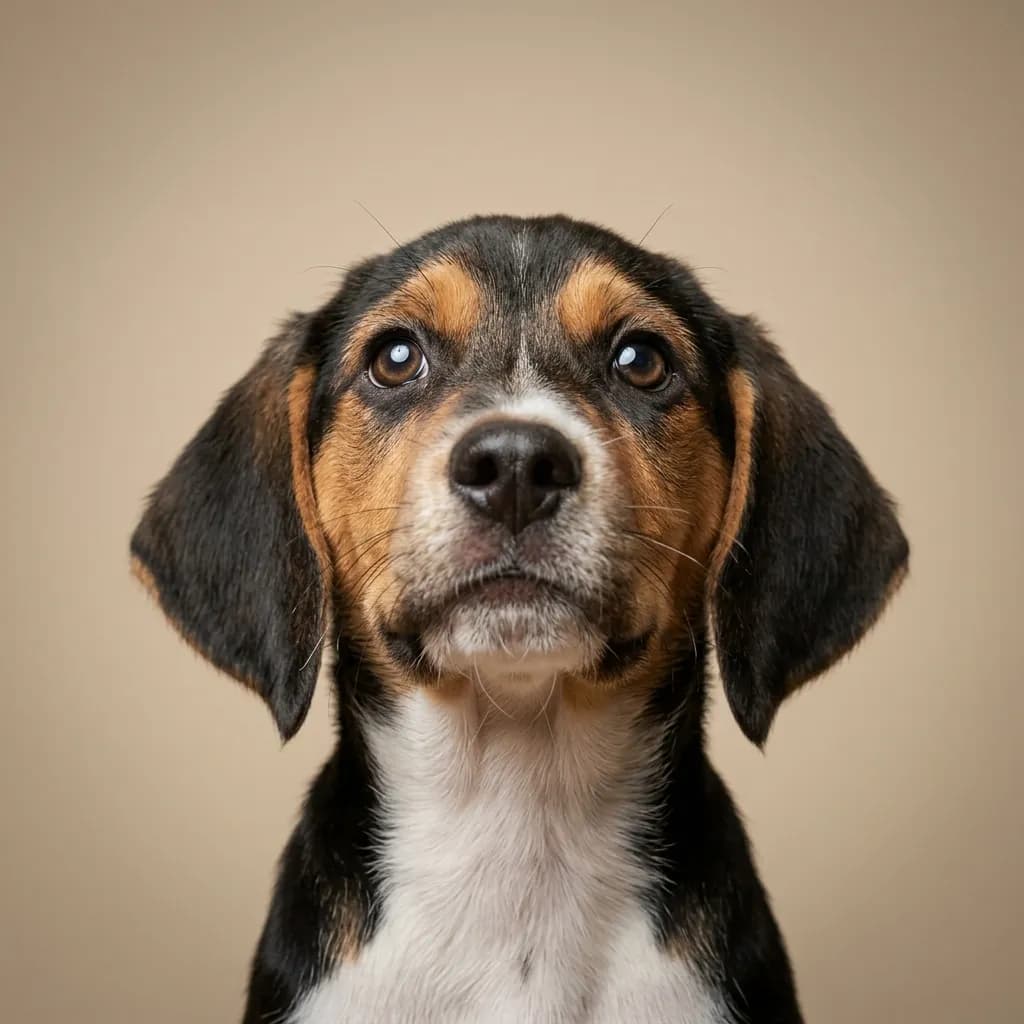
What Training a Harrier Is Actually Like
Training a Harrier is like coaching a brilliant but easily distracted athlete who’s always sniffing the sidelines for something more interesting. They’re in the Above Average intelligence tier according to Coren, meaning they learn new commands in 15 to 25 repetitions—but that assumes they’re paying attention. Bred for hours of scent-driven work in packs, Harriers are independent thinkers with a nose that often overrules their ears. They’re friendly and eager to please, but not in a hurry to obey on your timeline. You’ll need consistency, creativity, and a sense of humor. They respond best when training feels like a game, especially one involving scent. Their high energy and mental stimulation needs mean they’ll get into trouble if under-exercised. This isn’t a breed you can train through repetition alone. You’ve got to outsmart their instinct to follow a trail, and the only way to do that is with better rewards and smarter engagement.
Training Timeline
Start at 8 weeks with basic socialization—every person, dog, sound, and surface counts. Their critical window closes at 12 weeks, so be aggressive about positive exposures. By 4 months, begin short, playful sessions on sit, stay, and name recognition using high-value treats. At 6 months, adolescence hits hard and lasts until 18 months. Expect selective hearing and testing of boundaries. This is also when their prey drive ramps up. Around 11 to 14 months, you’ll hit their second fear period (weeks 44–56), so avoid forced interactions or corrections. Keep training light and confidence-building. House training may take until 10–12 months due to their distractibility. Formal obedience commands stick best between 12 and 14 months, once mental maturity starts kicking in. Off-leash reliability? Don’t count on it, even at 2 years. Their recall will always be a work in progress.
Breed-Specific Challenges
First, off-leash reliability. Harriers were built to range far ahead of their handlers, following a scent trail with single-minded focus. Even with training, a whiff of rabbit can erase weeks of progress. Second, boredom. With a 4/5 mental stimulation need, they’ll dig, bark, or chew if not challenged. Third, selective hearing. Their independence means they might acknowledge your command—then choose not to respond. And fourth, leash reactivity. They’re friendly, but their high energy and prey drive can lead to pulling or lunging at squirrels, bikes, or other dogs if not managed early.
What Works Best
Keep sessions under 10 minutes—short and high-energy. Use ultra high-value treats like freeze-dried liver or cheese, not kibble. Scent games like hide-and-seek with treats or toys tap into their natural strengths and build focus. Training works best after physical exercise; a tired Harrier is a trainable Harrier. Use positive reinforcement only—this breed doesn’t respond to harsh corrections, especially during their fear period. Practice recall in low-distraction areas with long lines, but accept that full reliability off-leash in open areas is unlikely. Train where they’re most distracted, not where it’s easy. And above all, make it fun. If it’s not engaging, they’re already gone—following a scent you can’t even detect.
Crate Training Your Harrier
A Harrier needs a 42-inch crate as an adult, even though they average 52 pounds. Don’t skimp on size—these dogs are long-bodied and active, and they need room to stretch out. If you’re starting with a puppy, use a crate with a divider, but be ready to adjust it often. Harrier pups grow fast, and you’ll probably need to shift the divider every three to four weeks. A crate that’s too big sets them up to potty in one end and sleep in the other, which defeats the whole purpose.
Harriers are friendly and people-oriented, so they don’t love being isolated. That means crate training can be a bit of a fight at first. They won’t settle easily just because you tell them to. Their energy level is high—4 out of 5—and they’re scent-driven, so you’ve got to make the crate worth their while. Use extremely high-value treats like freeze-dried liver or cheese, and stuff a Kong with peanut butter and kibble to keep them busy. Turn the crate into a puzzle by hiding treats around it or under the pad—this plays into their natural scent_patience instinct and makes the space feel like a game, not a jail.
They shouldn’t be crated more than 4 hours at a time as adults, and only 2–3 as puppies. These dogs are social and don’t do well with long stretches alone. Even well-trained Harriers may bark or dig at the crate if they’re left too long. They’re not typically chewers of crate bars, but they might shred a soft pad if bored. Stick to indestructible rubber mats or woven fabric beds.
Short sessions work best—5–10 minutes of positive crate time several times a day, paired with scent games. Never use the crate as punishment. With this breed, it’s all about making the crate the most interesting place in the room.
Potty Training Your Harrier
Harriers are large dogs, averaging around 52 pounds, which means they have decent bladder capacity compared to smaller breeds. That said, their size doesn’t automatically make potty training fast. Puppies still need structure and consistency, and you should expect to take a 12- to 16-week-old Harrier outside every 2-3 hours during the day, including after meals, naps, and play sessions. Most Harriers are reliably house-trained by 5 to 7 months, though some may take up to 9 months, especially if they hit a distraction phase.
Their trainability score of 4 out of 5 and placement in Coren’s “Above Average” tier means they learn quickly—typically grasping a new command or routine in 15 to 25 repetitions. They’re friendly and people-oriented, so they do want to please, but they’re also scent hounds with an independent streak. That means they can get easily sidetracked outdoors. You’ll find them sniffing a leaf instead of doing their business, especially as they mature. The key is to keep outdoor potty trips focused. Use a consistent cue like “go potty,” stick to a designated spot, and minimize exploration time during these sessions.
One real challenge with Harriers is their nose. Once they catch a scent, house-training progress can stall because they’re mentally elsewhere. Be patient and persistent. Never punish accidents after the fact—Harriers are sensitive and won’t connect the reprimand with the mess. Instead, use immediate positive reinforcement. They respond best to food rewards and enthusiastic praise. Small, high-value treats work well during the early stages. Pair that with affection and a quick play session post-success, and they’ll link potty breaks with good outcomes. Keep a routine, supervise closely indoors, and use a crate appropriately. With their social nature and solid learning ability, Harriers do get it—but you’ve got to outsmart that nose.
Leash Training Your Harrier
Harriers are strong, determined dogs with a nose that often overrules their manners. Bred to run for hours in packs chasing hare across open fields, they’re wired to follow scent trails, not heel perfectly at your side. That means leash work isn’t about achieving military precision—it’s about managing their enthusiasm and keeping them engaged with you despite the distractions.
Their size and energy mean they’ll pull, especially when they catch a whiff of something interesting. A front-clip harness is non-negotiable here. It gives you better control without risking neck strain, and with a 52-pound dog that hits full speed in seconds, you need every advantage. Avoid standard collars for training; they can encourage pulling and pose a risk to their trachea.
The biggest leash problems you’ll see? Pulling hard toward smells, sudden lunges at movement (squirrels, rabbits, other dogs), and outright stopping to deeply sniff and “read the mail” like it’s their full-time job. This isn’t defiance—it’s instinct. Their trainability score of 4/5 is promising, but their focus is often on the world around them, not you.
Start training early and be consistent. Use high-value treats and keep walks structured but scent-enriched. Let them sniff—just on cue. A “sniff break” after a few minutes of loose-leash walking can make training more rewarding and realistic.
Good leash behavior for a Harrier isn’t a perfect heel. It’s being able to walk with a mostly loose leash, checking in periodically, responding to your cues even when excited, and not dragging you across the street when a rabbit darts by. They’ll never be as biddable as a Border Collie on leash, but with patience and scent-based training, they can learn to enjoy walks that balance their instincts with your control.
“I just wish someone would tell me what to do and when to do it.”
Not generic puppy tips. Not a video course you’ll never finish. Just one email a week telling you exactly what to work on with your Harrier, at the age they are right now. Nothing to sift through. Nothing to figure out. Just this week.
Get Started — It’s FreeTell us your breed and your puppy’s age. We’ll send you exactly what to work on this week.
Socializing Your Harrier
Harriers are friendly, pack-oriented hounds bred to work in groups, which means early socialization isn’t just helpful—it’s non-negotiable. Their critical socialization window runs from weeks 3 to 12, and that overlaps directly with their first fear period at 8 to 11 weeks. That’s a tight window where positive experiences need to outweigh any surprises. A scary moment during that stretch—like a loud noise or a rough handling at the vet—can stick with them longer than it would other breeds because of their sensitive hound nature.
Because Harriers were bred to hunt hare in packs across open British countryside, they’re naturally curious and people-oriented. But that doesn’t mean they’re bulletproof. They need heavy, consistent exposure to things they’re not built for, like city traffic, bicycles, skateboards, and especially non-prey animals like cats and small dogs. Their prey drive kicks in young, so if you don’t show them early that squirrels and rabbits aren’t always chase targets, you’ll be fighting instinct by 14 months when they’re fully mature and much stronger.
They’re not typically wary of people—that’s not their style. But they can become selectively deaf or overly fixated on scents if not trained with consistency. The biggest mistake owners make is assuming their friendly demeanor means they don’t need structure. Letting a Harrier skip puppy socialization classes or avoid novel environments because they’re “easygoing” backfires hard. Without early, varied exposure, they develop quirky fears—like sudden shyness around men with hats or panic at the sound of a closing car door.
Skip proper socialization and you don’t get a guard dog. You get a distracted, single-minded hound who ignores recall the second a rabbit trail crosses his path. You get leash-pulling, tunnel vision, and a dog who’s great with people but checks out when the world gets complex. Early work builds a Harrier who stays engaged, not just one who looks friendly while mentally checking out.