Training Your Ibizan Hound
Independent thinkers bred to work ahead of handlers. Scent hounds follow their nose; sight hounds follow movement. Requires patience and high-value rewards.
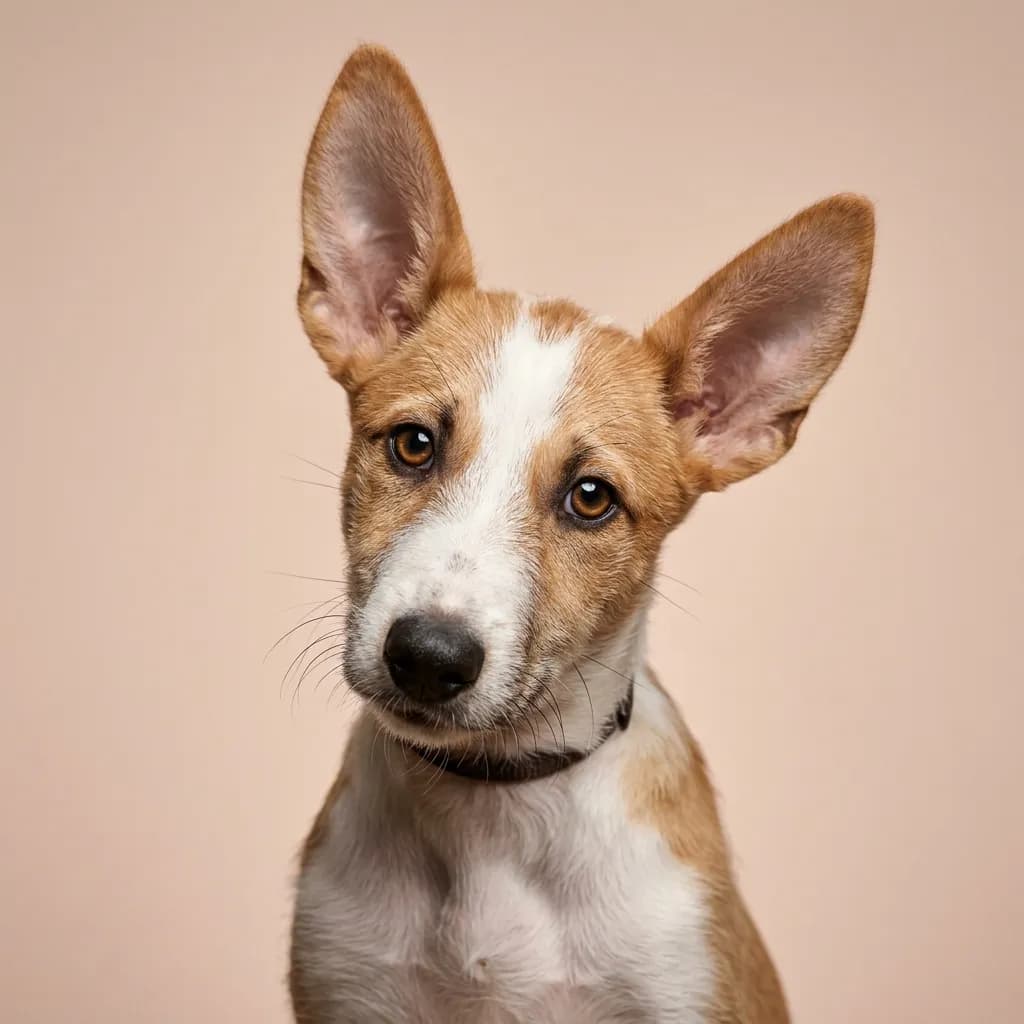
What Training a Ibizan Hound Is Actually Like
Training an Ibizan Hound is not about dominance or repetition drills. It’s about partnership with a dog who was built to make decisions on the fly. These dogs are sight and scent hounds, bred to course rabbits over rugged terrain on the Balearic Islands, often out of sight of their handlers. That means they’re independent thinkers, not eager-to-please types like a Border Collie. They’re ranked in Coren’s Tier 4, meaning they learn new commands in 25 to 40 repetitions and obey the first command about half the time. But don’t mistake that for dullness. Their intelligence is specialized. They read terrain, wind, and movement with precision. They just won’t jump through hoops unless there’s something in it for them. They’re polite and family-oriented, not pushy, but that can make them seem aloof in training if you’re not offering enough motivation. Expect to work harder on engagement than with most breeds. They thrive on mental stimulation—without it, they’ll invent their own jobs, like testing fence lines or chasing shadows.
Training Timeline
Start at 8 weeks. Their socialization window closes fast, by 12 weeks, so expose them to a wide range of people, surfaces, and sounds immediately. Use high-value treats—boiled chicken or freeze-dried liver—to create positive associations. By 16 weeks, begin basic cues like “come” and “stay,” but keep sessions under 5 minutes. Around 8 months, they hit their second fear period (weeks 32–40), so avoid forcing interactions and double down on confidence-building. Adolescence kicks in at 5 months and lasts until 14, so don’t expect steady progress. You’ll see regression, selective hearing, and sudden interest in squirrels. Crate training and recall should be solid by 9 months, when they reach emotional maturity. But consistency is key—practice recall daily, even after it’s learned, because their chase drive is hardwired.
Breed-Specific Challenges
First, recall is a lifelong project. Even well-trained Ibizans may ignore you if they catch a scent or spot movement. Their instinct to chase overrides obedience. Secure fencing—12 feet high and buried—is non-negotiable. Second, they’re sensitive dogs. Harsh tones or forceful corrections shut them down. They respond to calm, consistent energy, not alpha posturing. Third, boredom is dangerous. With a 5/5 mental stimulation need, they’ll dig, chew, or escape if under-stimulated. And finally, they’re not naturally attentive. Unlike herding breeds, they won’t check in with you regularly. You have to earn their focus, every single time.
What Works Best
Short sessions—3 to 5 minutes, 2 to 3 times a day—work better than long drills. These dogs burn out fast if bored. Use the highest-value treats you can find. Kibble won’t cut it. Think meat-based, smelly, and novel. Incorporate scent games early: hide treats in grass, use puzzle toys, or try basic nose work. It taps into their natural abilities and builds focus. Positive reinforcement is the only method that sticks. And make training a game. Lure coursing, agility, or flirt pole sessions build impulse control while satisfying their need for speed. Patience isn’t just a virtue here—it’s the foundation. They’ll learn, but on their timeline, not yours.
Crate Training Your Ibizan Hound
A full-grown Ibizan Hound averages 48 pounds and stands about 22 to 24 inches tall, so they need a 36-inch crate minimum. If you’re starting with a puppy, use a large crate with a divider so you can adjust the space as they grow. These dogs are lean and long, and they’ll stretch out when sleeping, so don’t skimp on length. A crate that’s too small will feel confining and could backfire with a breed that values freedom of movement.
Ibizans are even-tempered and family-oriented, but their 5/5 energy means they don’t settle instantly. They won’t typically panic in a crate, but they might stand, look around, or nose at the bars, curious and alert. They’re not chewers like some breeds, but they may nudge or paw at the crate door out of impatience, not anxiety. Barking is rare—they’re polite by nature—but they’ll vocalize if crated too long without activity.
Because of their high energy and strong scent drive, crating should never be used as downtime without prior exertion. A tired Ibizan is a cooperative Ibizan. Use short, positive sessions with high-value treats—think freeze-dried liver or cheese—and incorporate scent games near and inside the crate. Toss a treat in the back so they have to fully enter to retrieve it. This builds positive association through their natural instincts.
Don’t crate an adult Ibizan for more than 4 hours at a stretch, and never more than 2 hours for a puppy under six months. They’re not separation-intolerant, but their energy demands outlets. If left crated too long, they may become restless or develop subtle habits like digging at the crate mat—not destructive, but a sign of pent-up drive.
Make the crate a place of intrigue, not confinement. Use it for meal delivery, treat puzzles, or quiet time after a long run. Respect their sensitivity to monotony and they’ll see it as their den, not a jail.
Potty Training Your Ibizan Hound
Ibizan Hounds are medium-sized dogs, averaging around 48 pounds, which means their bladder capacity develops faster than small breeds but still needs time. You can expect a puppy to hold it for about one hour per month of age, so a 3-month-old might make it 3 hours. Don’t expect overnight success. Their size helps, but consistency matters more.
These dogs fall in the average trainability range—3 out of 5—and land in Coren’s Tier 4, meaning they need 25 to 40 repetitions to learn a new command. They’re not stubborn in a defiant way, but they are independent thinkers. They won’t rush to please you like a Border Collie. That polite, even-tempered nature is a plus, but it also means they’ll go at their own pace. Potty training isn’t something they’ll master quickly just to earn your smile.
A realistic timeline for a reliably house-trained Ibizan is 4 to 6 months, sometimes longer. Crate training helps, but don’t expect them to signal you—they might just quietly wander off or settle in a corner. They don’t tend to hide and pee in odd indoor spots like some small breeds, but their quiet demeanor means accidents can go unnoticed until it’s too late.
Outdoors, they’re not scent hounds in the same way as Beagles, but a rustling leaf or distant squirrel can pull their focus fast. Keep potty trips short and structured. Don’t give them time to explore before doing the job—go out, stick to a routine, wait, then reward immediately.
Food rewards work better than praise alone. Use small, high-value treats consistently for the first few months. They respond to positivity, but the treat has to matter. Once they’re reliably going outside, you can fade the food and rely more on play or affection. Just don’t rush it. With Ibizans, patience isn’t optional—it’s the whole game.
Leash Training Your Ibizan Hound
Ibizan Hounds are elegant, sensitive dogs with a quiet intensity that shows up the second they catch a scent. They’re medium-sized at around 48 pounds, but don’t let their slender frame fool you—they’re built for speed and were bred to course rabbits across rocky terrain on the Balearic Islands. That means their default setting outside is “scent patrol,” not “heel perfectly.” You’re not going to get a golden retriever-level leash walker, and that’s okay.
For equipment, skip the standard collar. Ibizans have long, thin necks and are escape artists by nature. A well-fitted front-clip harness—like the Sensation or 2 Hounds Freedom style—gives you gentle control without risking injury. These dogs aren’t pullers like sled breeds, but they’ll pivot and bolt toward movement, so the front clip helps redirect them without yanking.
Their 5/5 energy level isn’t about constant motion—it’s bursts of speed triggered by sight or scent. Leash issues usually show up as freezing to sniff, sudden U-turns, or polite but firm refusal to budge once they lock onto something. That’s not disobedience; it’s their job talking. They were bred to work independently using sight and scent, so expecting them to ignore every squirrel trail is unrealistic.
“Good” leash behavior for an Ibizan means loose-leash walking with frequent, brief pauses to investigate. Think 70% attention on you, 30% on the world. Trainability is moderate—not stubborn, just thoughtful—so use patience and positive reinforcement. Practice in low-distraction areas first, and accept that off-leash should only happen in secure spaces. They’re polite and even-tempered with family, but that prey drive is always one rabbit-shaped shadow away from full ignition. Work with their instincts, not against them, and you’ll get miles instead of meltdowns.
“I just wish someone would tell me what to do and when to do it.”
Not generic puppy tips. Not a video course you’ll never finish. Just one email a week telling you exactly what to work on with your Ibizan Hound, at the age they are right now. Nothing to sift through. Nothing to figure out. Just this week.
Get Started — It’s FreeTell us your breed and your puppy’s age. We’ll send you exactly what to work on this week.
Socializing Your Ibizan Hound
Ibizan Hounds are sensitive souls, and their socialization window—weeks 3 to 12—hits right when they’re also navigating that first fear period between weeks 8 and 11. That overlap is critical. You’ve got to be calm, consistent, and never force anything. These dogs absorb everything, good and bad, and a single scary experience during that window can stick for life. They weren’t bred to be bold guardians or eager-to-please goofballs. They were bred to work independently, spotting and chasing rabbits across rugged terrain in the Balearics, so their instinct is to observe first, react later.
Because of that independent, sight-driven nature, they need way more exposure to sudden movements and high-energy stimuli than most people realize. Kids darting around, bikes, skateboards, flapping jackets—these can trigger their prey drive or spook them if they haven’t seen them early and often. You also can’t skip car rides, vet visits, and handling their feet and ears. They’re polite and even-tempered by nature, but that politeness can tip into aloofness or wariness if they haven’t been carefully introduced to strangers, men with deep voices, or people wearing hats and sunglasses.
A common mistake is assuming their quiet, graceful demeanor means they’re fine. They might not react dramatically, but internalize stress. Another is overprotecting them during the fear period instead of gently guiding them through new experiences. You don’t push, but you don’t retreat either.
Skip proper socialization, and by 9 months—their maturity point—you’ll have a dog that freezes or backs away from novelty instead of checking it out. They won’t become aggressive, but they’ll be hesitant, maybe even develop noise sensitivities or avoid people altogether. Early exposure isn’t about turning them into party dogs. It’s about building quiet confidence so their natural family-oriented temperament can actually shine.