Training Your Irish Water Spaniel
Bred to work with handlers in the field. Food and toy motivated, eager to please. High energy requires exercise before training sessions.
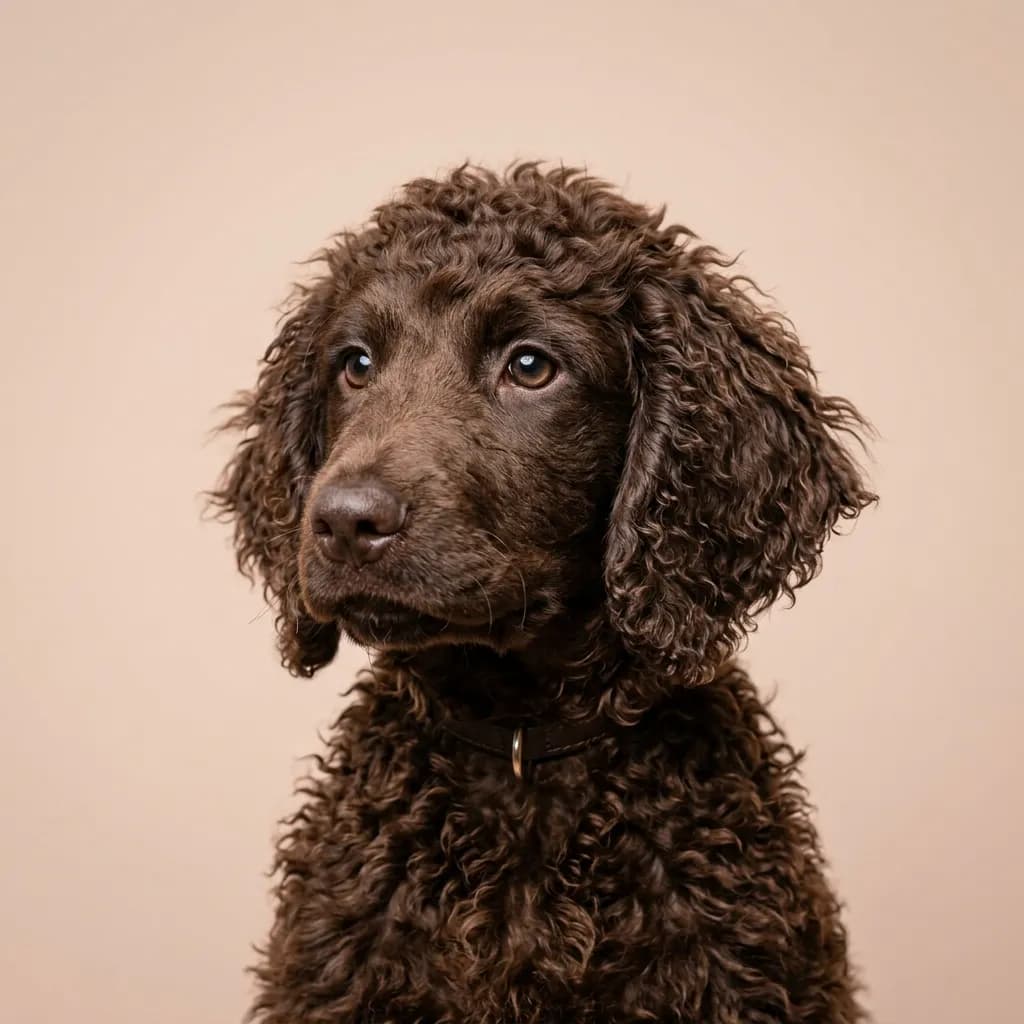
What Training a Irish Water Spaniel Is Actually Like
Training an Irish Water Spaniel feels like working with a clever kid who’s always ready to impress but needs a solid outlet for their brain and body. These dogs are in the top 10 for obedience intelligence, learning new commands in just 5 to 15 reps and nailing first-command success 85% of the time. That’s no fluke. They were bred to work closely with hunters in tough, cold wetlands, so they’re tuned to pay attention and respond. They want to please, but they’re not pushovers. They need structure and consistency, especially during adolescence. If you’re not active or don’t enjoy training as a daily game, this breed will outpace you. They thrive on mental challenges and physical work. Skip the long lectures—make it active, fun, and reward-heavy. They’re not hyper, but their energy is purposeful. Train after a swim or a long walk, not before.
Training Timeline
Start at 8 weeks with basic socialization and name recognition. The critical window closes at 12 weeks, so get them meeting people, dogs, and new environments fast. By 16 weeks, begin crate training, sit, stay, and recall—use food and soft toys as rewards. Around 6 months, adolescence hits hard and lasts until 18 months. Expect testing, distraction, and some regression. Their second fear period hits between 44 and 56 weeks, so avoid forced interactions or harsh corrections. Keep exposure positive and gradual. Between 10 and 14 months, they start maturing emotionally and become more responsive. This is when advanced commands, off-leash work, and retrieving drills really stick. By 14 months, most are mentally settled enough to handle complex tasks, but stay patient—consistency is still key through 18 months.
Breed-Specific Challenges
First, their coat demands attention. It’s hypoallergenic and water-resistant, but without regular stripping and grooming, it mats fast. A dog in discomfort won’t focus in training. Second, their retrieving drive is intense. If not channeled early, they’ll start fetching your shoes, the mail, or anything that moves. Teach “drop it” and “leave it” early. Third, they’re sensitive to tone. Harsh corrections shut them down fast, even if they’re acting stubborn. And finally, they need a job. Without mental work—like agility, retrieving, or advanced obedience—they’ll invent their own entertainment, usually involving digging or barking at reflections.
What Works Best
Keep sessions under 10 to 15 minutes, active, and game-based. Use food for precision skills like “stay” or “heel,” then switch to retrieve games for recall or marking drills. They respond best to a mix: a treat for focus, a toy for effort. Train after physical exercise—ideally swimming, since that’s what they were built for. Pacing matters: rapid repetition with immediate rewards. They learn fast, so don’t drag it out. Use their natural field partnership instinct—work face-to-face, talk often, keep it collaborative. Avoid repetition beyond 15 trials; they’ll tune out. And always end on a win. These dogs remember frustration.
Crate Training Your Irish Water Spaniel
You’ll want a 42-inch crate for an Irish Water Spaniel. Even as a pup, they’re on the bigger side—average adult weight is around 56 pounds—and they fill out fast. Use a divider early on, but don’t make the mistake of keeping them too cramped. These dogs are smart and active enough to feel stressed if they can’t stand, turn, or stretch comfortably, even as puppies. A too-small space can backfire with a breed this observant.
Crate acceptance usually goes smoothly with Irish Water Spaniels. They’re trainability 5/5 for a reason. They’re hardworking and eager to please, so if you make the crate part of a game, they’ll buy in fast. Use active retrieval games as rewards—toss a bumper or soft toy just inside the crate and let them “earn” it. They’re playful and brave, so they won’t see the crate as punishment if it’s linked to fun. Still, don’t expect them to settle instantly. Their energy level is moderate, not low, and they’re used to working. Crating them for more than 3-4 hours at a stretch, even as adults, is pushing it. They need mental and physical outlets.
One quirk: their mouthiness. Irish Water Spaniels love to carry things, and that can mean chewing up crate pads or soft bedding. Stick to indestructible rubber mats or thick canvas. And don’t leave plush toys in the crate unsupervised—they’ll dismantle them. Some will bark if they feel isolated, especially as pups. That’s not defiance, it’s their people-oriented nature. Crate them in a busy part of the house, not the basement. They’re brave, but they’re not loners. Keep sessions tied to retrieval work, and you’ll get faster buy-in than with food-only rewards. They’d rather play than eat.
Potty Training Your Irish Water Spaniel
Irish Water Spaniels are large dogs, averaging around 56 pounds, which means they have a decent bladder capacity even as puppies. That said, don’t expect miracles before 12 weeks. Most pups this size can make it through the night by 14–16 weeks, but consistent scheduling is key. You’ll need to take them out every 2–3 hours during the day, especially after eating, drinking, or playing. Their size helps in one way—they’re less likely to sneak off and potty in a closet corner like some tiny breeds—but it also means accidents are messier and more disruptive when they happen.
The good news? Irish Water Spaniels are brilliant when it comes to trainability. Ranked in Coren’s Tier 2 with a 5/5 trainability score, they pick up commands in just 5 to 15 repetitions. They’re eager to please, but don’t mistake that for being pushovers. These dogs are playful and hardworking, with a streak of independence that shows up if training gets dull. They respond best when you keep things engaging and consistent. If you’re wishy-washy with your routine, they’ll test boundaries.
A realistic timeline for reliable house training is 4 to 6 months. Some get it down by 16 weeks, but full reliability—including ignoring indoor scents and holding it during longer stretches—usually takes until they’re about 7 months old.
One challenge is their working drive. Outdoors, they can get distracted by birds, water, or anything that sparks their curiosity. Stick to a designated potty spot and use a consistent cue word so they learn to focus on the task. When they get it right, reward with high-value treats and enthusiastic praise. They thrive on interaction, so a quick game of tug or a belly rub after a successful potty trip reinforces the behavior better than food alone. Keep it fun, keep it consistent, and they’ll master it fast.
Leash Training Your Irish Water Spaniel
Irish Water Spaniels are smart, biddable dogs with a strong work ethic, and that makes leash training something they can excel at—if you work with their instincts, not against them. At around 56 pounds and built sturdy, they’re strong enough to lean into a collar if they spot something interesting, so I don’t mess around with regular collars for training. A well-fitted front-clip harness is your best bet. It gives you control without risking strain on their neck, especially since they were bred to push through thick marshes and icy water. That background means they’re used to charging ahead into cover, so a tendency to pull when excited—especially near water or birds—isn’t defiance, it’s hardwiring.
Their energy level is moderate, 3 out of 5, but their prey drive is solid. That means they won’t drag you every second, but if they catch the flutter of a duck or the dart of a rabbit, they’ll surge. This isn’t a dog that zones out easily; they’re alert and brave, so distractions are processed fast. Common leash issues include sudden lunges toward wildlife, stopping to investigate scents (they’re retrievers, not hounds, but that nose still works), and occasionally forging ahead because they’re hardwired to get to the action.
Use the retrieve_reward method consistently. These dogs love to work and please, so reward-based training clicks fast. Practice loose-leash walking with high-value treats and short retrieves as rewards—toss the dummy a few feet ahead when they walk nicely, then call them back. This taps into their retrieving instinct while reinforcing position.
Realistic expectations? A well-trained Irish Water Spaniel walks attentively beside you most of the time, checks in regularly, and responds to course corrections. They won’t be perfectly heeled like a German Shepherd, but they shouldn’t pull you down the street. Loose leash, focus, and quick recovery after distractions—that’s success for this breed.
“I just wish someone would tell me what to do and when to do it.”
Not generic puppy tips. Not a video course you’ll never finish. Just one email a week telling you exactly what to work on with your Irish Water Spaniel, at the age they are right now. Nothing to sift through. Nothing to figure out. Just this week.
Get Started — It’s FreeTell us your breed and your puppy’s age. We’ll send you exactly what to work on this week.
Socializing Your Irish Water Spaniel
Irish Water Spaniels are big, sensitive sporting dogs who come with a tricky little scheduling conflict during their early weeks. Their socialization window runs from weeks 3 to 12, which means the most critical part—weeks 8 to 12—overlaps directly with their first fear period. That’s not a typo. Just as they’re forming impressions of the world, their brains are wired to be extra cautious. If you’re not proactive and gentle, a scary moment during this time can stick like glue.
Because they were bred to work in cold, wet, isolated bogs, they’re naturally more reserved than some other spaniels. They’re brave, sure, but that bravery is thoughtful, not reckless. That means they need more exposure to novel sounds—especially loud or sudden ones like thunder, fireworks, or even a flushing toilet—long before they encounter them in real life. They also benefit from early, positive contact with strange surfaces: slick floors, metal grates, wet grass, and rocky paths. Their job was to plunge into murky water and haul ducks back through rough terrain, so confidence in weird environments isn’t optional.
Where people go wrong? Overwhelming them. Flooding an Irish Water Spaniel with too much too fast during weeks 8 to 11—say, dragging them to a chaotic dog park—can backfire hard. Instead, controlled, repeatable exposures where they can approach at their own pace work best. Let them watch, sniff, retreat, and return. One bad experience can slow their progress for months.
Skip proper socialization and you don’t just get a shy dog. You get a 56-pound adult who’s suspicious of strangers, hesitant on new ground, and slow to adapt. Their working nature means they’re smart and hardworking, but that intelligence turns inward without guidance. They start making their own rules—and that’s when you see avoidance, over-caution, or even resource guarding. Do it right, and you’ve got a bold, adaptable partner who’ll plunge into icy water for you without a second thought.