Training Your Italian Greyhound
Bred as companions. Can be sensitive to correction. Responds to positive reinforcement and patience. Small bladders affect housetraining timeline.
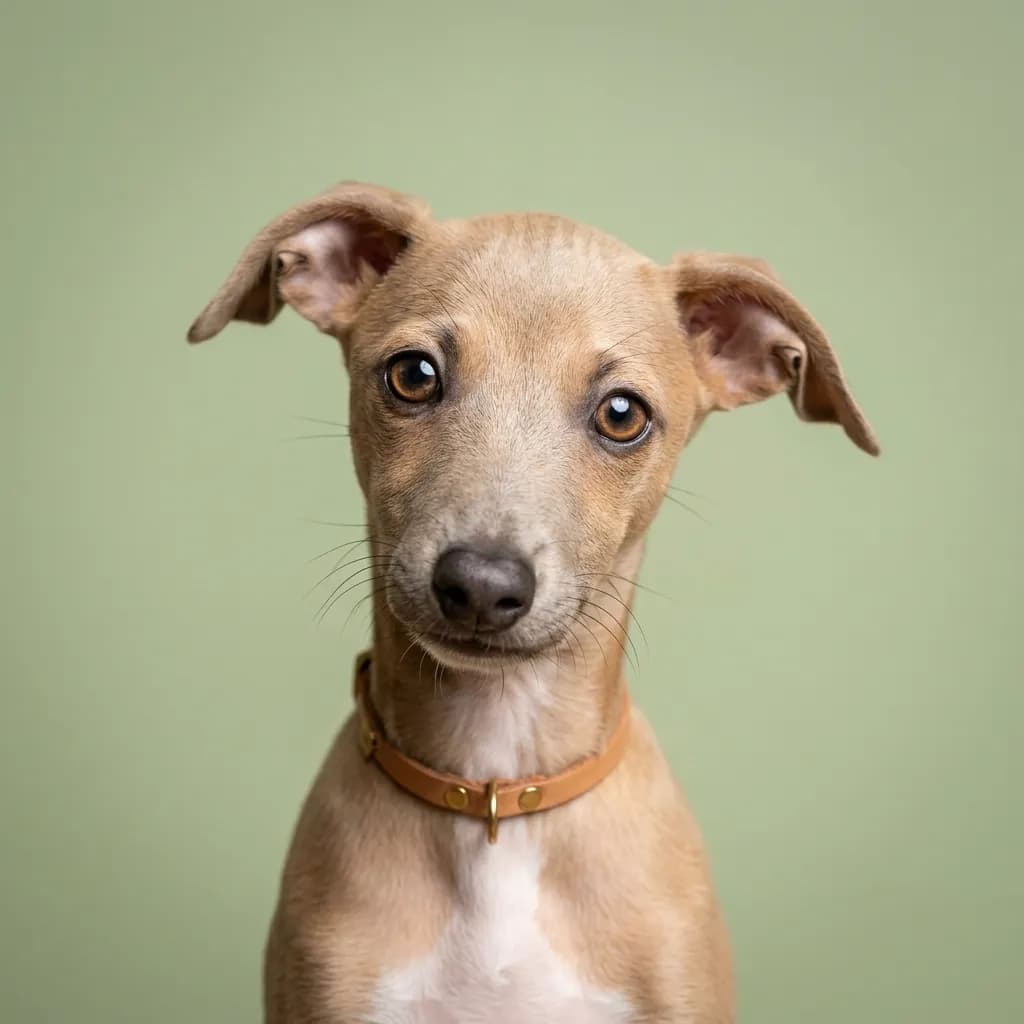
What Training a Italian Greyhound Is Actually Like
Training an Italian Greyhound isn’t about dominance or repetition drills. It’s about reading a sensitive, quick-moving mind that’s easily spooked but eager to please—if you approach them the right way. These dogs rank in Coren’s Tier 5 for working intelligence, meaning they need 40 to 80 reps to learn a new command, and only about 30% will obey a first-time command. But that doesn’t mean they’re “hard” to train. It means you need patience, timing, and a soft touch. They’re bred for companionship, not obedience trials, so their focus wavers unless the work is engaging. They’re alert and playful but also fragile—emotionally and physically—so harsh tones or sudden movements shut them down fast. You’re not molding a sturdy worker here. You’re partnering with a delicate, affectionate athlete who thrives on consistency, kindness, and routine.
Training Timeline
Start training the day you bring your pup home at 8 weeks. The socialization window is critical—weeks 3 to 12—so flood them with positive exposure to people, surfaces, sounds, and other dogs. Use tiny treats and high praise. By 16 weeks, begin basic cues like “sit” and “come,” keeping sessions under 5 minutes. Around 24 to 28 weeks, watch for the second fear period. Your dog may suddenly shy away from familiar things. Don’t push. Reassure and go slow. Housetraining will take longer—many aren’t fully reliable until 9 to 12 months due to small bladders and sensitivity to weather. Adolescence hits hard from 4 to 10 months. Expect testing, distraction, and regression. Stick to routines. Formal training peaks around 6 months when they reach social maturity, but continue reinforcing until they’re fully settled.
Breed-Specific Challenges
First, housetraining is slower than average. Their tiny bladders mean they need to go every 2 to 3 hours, even as adults. Cold or wet weather makes them reluctant to go outside, so if you live somewhere chilly, expect indoor accidents without a covered potty solution. Second, their sensitivity can tip into fearfulness, especially during fear periods or with loud corrections. A raised voice can set back progress for days. Third, they’re flight risks. Bred to chase small game, they’ll bolt after squirrels with zero recall instinct unless trained early and consistently. And fourth, their fragility means you can’t use standard training tools like prong collars or rough handling. Even tug games are risky.
What Works Best
Short, gentle sessions—3 to 5 minutes, 2 to 3 times a day—are ideal. Use high-value, pea-sized treats and lots of verbal praise. These dogs respond best to positive reinforcement, not corrections. Aim for 50 to 80 repetitions of a command with cheerful consistency. Clicker training works well because it pairs action with immediate reward without physical pressure. Focus on building confidence through success. Practice recall in enclosed areas with long lines, using a happy tone and treats. Socialize early but gently—overwhelming them backfires. And remember, they need mental stimulation, but it should feel like play. Puzzle toys, scent games, and brief trick sessions keep their minds engaged without stress. This isn’t a dog that needs hours of drills. It’s one that needs trust, safety, and a few minutes of focused fun every day.
Crate Training Your Italian Greyhound
A 10-pound Italian Greyhound needs a 24-inch crate, no bigger. Even as a puppy, they don’t grow much—most are full-size by 8 months—so a divider isn’t worth the hassle. They’re small enough that a too-large crate makes them feel exposed, not secure. Go with a plastic airline-style crate or a wire one covered on three sides. These dogs are sensitive and alert. They’ll notice every noise and shadow, so a den-like setup helps them relax.
They’re trainable—4 out of 5—but not stubborn, just easily spooked. If you rush crate training, they’ll bolt or freeze. Keep sessions to 3–5 minutes at first, just dropping treats inside or letting them grab a toy from the open door. No forcing. They respond to calm repetition, not pressure. Because they’re playful and alert, they’ll often check the crate out on their own once it’s part of the living space. Let that curiosity work for you.
They don’t fight the crate like high-drive breeds, but they won’t settle immediately either. Don’t expect more than 2 hours crated at a time until they’re fully house-trained, which can take 6–8 months. Their separation tolerance is fair, but they bond hard. Leaving them longer than 4 hours risks anxiety, not just accidents. Never use the crate as timeout. They’ll associate it with stress and go quiet—shut down, not settled.
One quirk: they’ll chew soft crate pads or blankets, especially as puppies. Use a durable, chew-resistant pad or just a folded cotton blanket. They might dig lightly at the bedding—more a nesting tic than destruction—but won’t claw through like terriers.
Put the crate near you during the day. These dogs are velcro by nature. A quiet space beside your desk or the kitchen nook makes the crate feel like part of the pack, not isolation. Once they’re confident, most will nap in it voluntarily. That’s your win.
Potty Training Your Italian Greyhound
Italian Greyhounds are tiny, averaging just 10 pounds, so their bladders are small and fill up fast. You’re looking at needing to take them out every 2 to 3 hours during the day, even as adults. Puppies especially can’t hold it longer than an hour at a time, so a strict schedule is non-negotiable if you want clean floors. Their size means accidents happen in seconds and can be hard to catch in time, so supervision is constant in the early stages.
They score a 4 out of 5 on trainability, but don’t let that fool you—they’re not eager-to-please like a Lab. They’re sensitive and alert, which means they pick up on your tone and routine fast, but they’re also independent thinkers. They’ll do it their way, on their timeline. If you’re inconsistent or too harsh, they’ll shut down or sneak off to pee somewhere quiet instead of asking. That sensitivity means positive reinforcement is the only way to go.
Realistically, most Italian Greyhounds take 4 to 6 months to be reliably house-trained, and even then, indoor accidents can pop up during stress or routine changes. Crate training helps, but they hate feeling trapped, so keep the crate small but cozy and never use it as punishment.
One big challenge is their tendency to find quiet, hidden spots indoors—under the bed, behind furniture—where they’ll pee if they feel anxious or weren’t let out in time. Clean accidents with enzymatic cleaner, or they’ll return to the same spot. They’re not scent hounds, so outdoor distractions aren’t a major issue, but they do love to sprint off when excited, so always use a leash during potty breaks.
Use high-value treats—small bits of chicken or freeze-dried liver—immediately after they go. They respond best to quick, quiet praise and food rewards. Over-the-top excitement can overwhelm them. Keep it calm, consistent, and patient.
Leash Training Your Italian Greyhound
Leash training an Italian Greyhound means working with a tiny frame and a big personality. At around 10 pounds, their delicate necks demand a well-fitted harness, never a collar. A front-clip harness is ideal because it gently discourages pulling without risking injury, and since they're slender and quick, make sure the fit is snug but not tight—measure twice. Their 4/5 trainability score means they’ll pick up cues fast, but their sensitive nature means harsh corrections backfire fast. Stick to gentle progression, using light leads and consistent cues.
They’ve got moderate energy—3/5—so walks aren’t about endurance but mental engagement. But don’t underestimate that prey drive. Bred to chase small game in ancient Italy, they’ll bolt at the sight of squirrels or fluttering birds. That instinct doesn’t vanish on leash. The most common issue isn’t pulling per se, it’s reactivity and sudden lunges toward movement. They’re alert and playful, so distractions are endless, and a moment of looseness can turn into a full sprint.
Because they were bred for quick bursts of speed in pursuit, not steady pacing, expect them to zigzag or surge forward when excited. A calm, consistent pace on leash isn’t their default. Realistic expectations matter: “good” leash behavior here isn’t a heeler like a German Shepherd. It’s walking within 2 feet of you, responding quickly when you stop or change direction, and not lunging at every rustle in the bushes. Aim for loose-leash walking with minimal tugs, not military precision.
Short, frequent sessions work best—5 to 10 minutes daily, always ending on a win. Pair it with high-value treats and calm praise. Their sensitivity means they’ll mirror your energy, so stay patient. With time, they’ll learn that the world outside isn’t just a hunting ground but a place to walk beside you.
“I just wish someone would tell me what to do and when to do it.”
Not generic puppy tips. Not a video course you’ll never finish. Just one email a week telling you exactly what to work on with your Italian Greyhound, at the age they are right now. Nothing to sift through. Nothing to figure out. Just this week.
Get Started — It’s FreeTell us your breed and your puppy’s age. We’ll send you exactly what to work on this week.
Socializing Your Italian Greyhound
You’ve got a tiny, sensitive Italian Greyhound. That means your socialization window from weeks 3 to 12 is everything. And here’s the catch: their first fear period hits between 8 and 11 weeks, which means it overlaps with the end of that critical window. So if you bring your pup home at 8 weeks, you’re walking into a minefield of sensitivity. Do it right, and you’ve got a confident little companion. Rush or mishandle it, and you’ll pay for it later.
Italian Greyhounds are naturally wary of loud noises, sudden movements, and unfamiliar people—especially men or people wearing hats or glasses. They were bred for companionship and chasing small prey, not guarding or herding, so they don’t default to boldness. You need to flood them with positive exposure to household sounds (vacuum, blender, doorbell), different surfaces (tile, carpet, grass), and a rotating cast of calm, respectful people. Kids? Only if they’re gentle and predictable. Most IGs do better with adults.
Where people mess up is treating them like tough little dogs. They’re not. Picking them up from strangers, forcing greetings, or letting kids chase them creates lasting fear. Another mistake is assuming their quietness means they’re fine. It doesn’t. They shut down when overwhelmed.
If you skip proper socialization, by 6 months—when they’re emotionally mature—you’ll have a dog that startles at shadows, hides from visitors, and tenses up on walks. You’ll end up with a dog that’s technically house-trained but emotionally fragile, reactive to stimuli, and difficult to manage in everyday life.
But do it right? Pair early exposure with high-value treats, keep sessions short, and let your IG approach at their own pace. You’ll get that playful, alert companion who’s curious instead of scared, who leans into pets instead of flinching. That sensitivity isn’t a flaw. It’s just part of the package. Handle it with patience, and you’ve got a loyal shadow for life.