Training Your Kuvasz
Bred for jobs requiring strength, stamina, and decision-making. Responds to purposeful training with clear expectations. Needs to understand WHY.
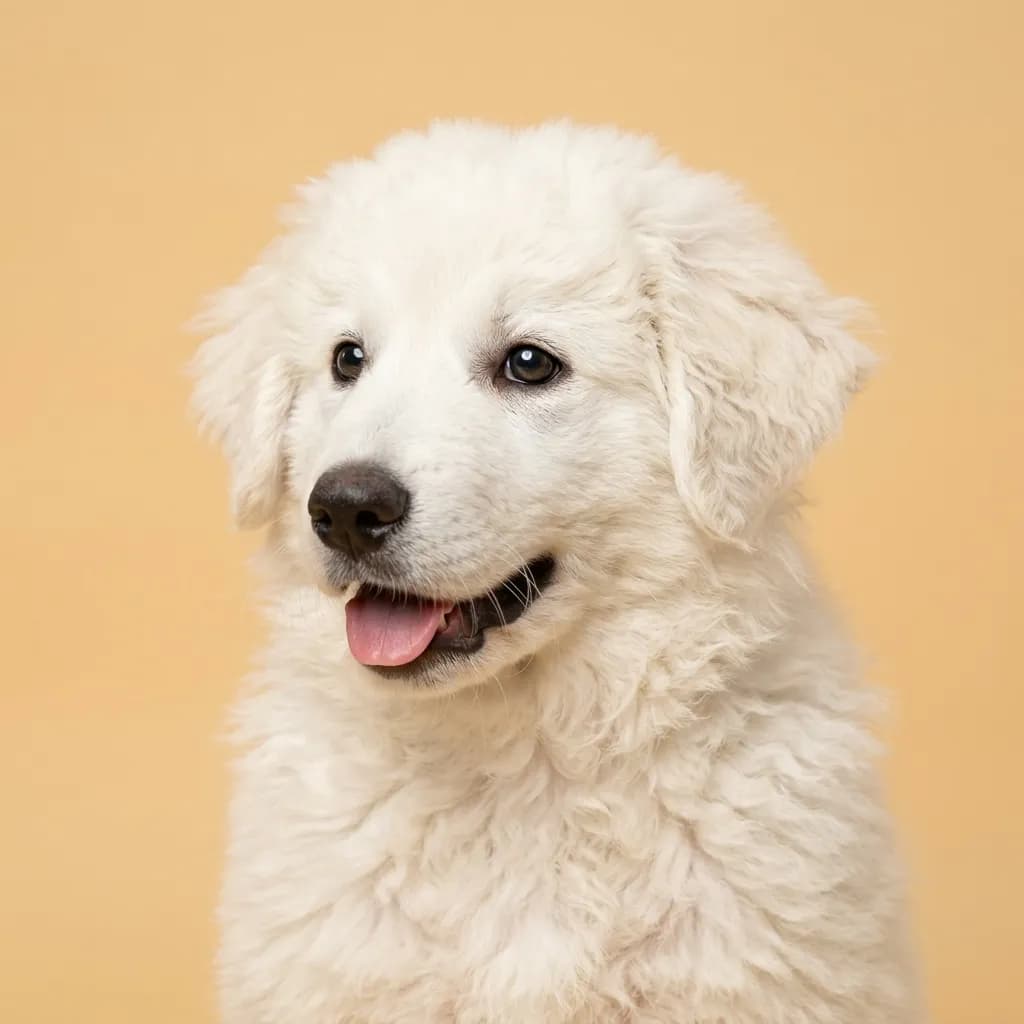
What Training a Kuvasz Is Actually Like
Training a Kuvasz isn’t about dominance or repetition drills. It’s about earning respect and providing purpose. These dogs are part of the Working Group for a reason—they were bred to guard flocks in the Hungarian mountains, making independent decisions without human direction. That independence shows up in their Coren intelligence tier of 4, meaning they need 25 to 40 repetitions to learn a new command, and even then, they’ll only obey the first command about half the time. Don’t mistake this for stubbornness; it’s discernment. They’re not ignoring you, they’re evaluating whether your request makes sense. They thrive when training feels meaningful. A recall isn’t just a trick—it’s framed as “come protect the family.” That context matters. They’re sweet and deeply loyal, but not eager-to-please like a Border Collie. Expect a dog who thinks, not one who simply obeys.
Training Timeline
Start at 8 weeks with socialization—this is non-negotiable. The window closes at 12 weeks, and missing it compounds later challenges. Introduce new people, surfaces, and sounds calmly and consistently. Between months 3 and 6, focus on foundational commands: sit, stay, leave-it. Keep sessions short—10 minutes max. At 8 months, adolescence begins, and independence spikes. This overlaps with the second fear period at weeks 56–72, so avoid forcing new or overwhelming situations. Use positive reinforcement, not correction. Between 12 and 20 months, gradually increase task difficulty: longer stays, off-leash work in controlled areas, guarding simulations (like watching the property line). Full mental maturity hits around 20 months, but training is ongoing. Expect progress to plateau during adolescence, then accelerate as maturity sets in.
Breed-Specific Challenges
First, their independence. They were bred to work alone at night, so they’re wired to assess threats and act without input. This makes off-leash reliability a long-term project. Second, their size. A 92-pound dog with poor impulse control is dangerous, so early leash and barrier training is critical. Third, their protective instinct. Without proper socialization, they can become overly suspicious of strangers. This isn’t aggression—it’s vigilance gone unchecked. And fourth, their slow maturity. Adolescence lasts until age two. If you expect adult behavior at one year, you’ll be frustrated. They’re not puppies, but they’re not fully adult either.
What Works Best
Use purpose-driven training. Each command should fit into a role—guardian, protector, family defender. Sessions should be structured, 10–15 minutes long, and increase in complexity only after mastery. Reward both task completion and food. They don’t live for treats alone, but they appreciate them when paired with praise. A job well done should feel like a shared mission. Keep energy in check—3/5 is moderate, so long hikes or property patrols fulfill both physical and mental needs. Avoid repetitive drills. Instead, vary tasks: scent work, boundary checks, controlled exposure to strangers. Their mental stimulation need is moderate, but it must be meaningful. Idle Kuvasz are not just bored—they start making their own rules.
Crate Training Your Kuvasz
A Kuvasz puppy needs a big crate from the start—think 48 inches minimum—because they’re going to hit 90 pounds and grow fast. Use a divider for a puppy, but don’t expect to use it long. These pups fill out fast, and you’ll likely be removing the divider by 5 or 6 months. Get the full-size crate upfront; buying smaller and upgrading later wastes money.
Crate acceptance usually isn’t a huge battle with Kuvasz. They’re loyal and sweet, so if you’re consistent and calm, they’ll accept the crate as their den. But they’re also fearless, which means they won’t automatically submit just because you say so. Introduce the crate with purpose, not force. Leave it open with a soft pad and treat-dispensing toy inside. Let them investigate. These dogs are task-oriented, so treat crate time like a job: “go in, stay, earn.” Build duration slowly, like you’re teaching any other skill.
They’re not hyper, but they’re not couch potatoes either. A mature Kuvasz can handle 6–8 hours crated during the day if they’ve had a solid walk or yard time first. Puppies? No more than 3 hours until they’re over 6 months. Their separation tolerance is decent, but they bond deeply. If you crate them too long too often, they’ll start associating it with abandonment—and that fearlessness can turn into stubborn resistance.
One quirk: some Kuvasz pups mouth or chew the crate pad, especially if bored. Use a heavy-duty, chew-proof pad or just a folded blanket. Avoid plush ones. They’re not big barkers, but if they feel isolated, they might whine the first few nights. Keep the crate near you at bedtime, not in a cold basement.
Use structure. Crate sessions should have clear start and end points. Practice “crate” commands during the day, not just at bedtime. Make it predictable. These dogs thrive on routine and clear expectations—and they’ll respect the crate more if it’s part of a system, not a punishment.
Potty Training Your Kuvasz
Potty training a Kuvasz is a manageable process, but their size and temperament shape the timeline and method. At 92 pounds on average, they have a large bladder capacity, which means fewer accidents from sheer immaturity compared to smaller breeds. But don’t get too excited—puppies are still puppies. Expect them to need a potty break every two to three hours during the day, and yes, that includes nighttime for the first few months. Most Kuvasz pups aren’t reliably house-trained until 6 to 8 months, sometimes later. Their learning speed sits around 25 to 40 repetitions to grasp a new command, and while they’re ranked in Coren’s Tier 4 for working intelligence, that doesn’t mean instant obedience.
Here’s the thing: Kuvaszok are loyal and sweet, but they’re also independent thinkers bred to guard flocks without human input. That independence can look like stubbornness. They’re not eager to please in the same way a Golden Retriever is. So consistency is non-negotiable. You’ll need a strict routine—same door, same spot, same cue words—every single time. If you let them linger or improvise, they’ll take the hint and decide for themselves, which rarely ends well indoors.
One challenge is their wariness. If your yard feels exposed or unfamiliar, they might hold it until they’re back inside. Make sure their potty area feels safe and quiet. And because they’re scent-aware but not fixated like hounds, distractions are less of an issue outside—just keep walks focused.
Rewards? Keep them meaningful but not excessive. A small piece of meat or cheese right after they go, paired with calm praise, works better than excited cheering. Over time, they’ll link the act with your quiet approval. They don’t need constant treats, but they do need consistency. You’re not just teaching them where to go—you’re earning their cooperation.
Leash Training Your Kuvasz
Leash training a Kuvasz is easier than most giant breeds because they’re genuinely eager to learn and respond well to clear direction. That said, you’re working with a 90+ pound dog bred to patrol large properties alone, so independence and awareness of surroundings are hardwired. Start early and stay consistent, or you’ll be overpowered by that sweet 100-pound adult body leaning into a pull.
For equipment, skip the standard collar. Even though they’re not natural pullers like sled dogs, their strength means any leverage can turn into control issues. A well-fitted front-clip harness is your best friend—something like the Balance or Ruffwear Front Range gives you steering without choking. Avoid back-clip harnesses unless your dog is already trained; they can actually encourage pulling in strong breeds. A 6-foot nylon or biothane leash is ideal. Retractables are a no-go. They encourage wandering and won’t handle a sudden surge.
Prey drive is moderate in Kuvaszok, not sky-high like a sighthound, but they will fixate on squirrels or deer if they catch movement, especially at dawn or dusk. Their energy is steady, not explosive, so long, calm walks are better than off-leash sprints. That guarding instinct means they’ll naturally scan their environment, slow down at unfamiliar sights, and may resist quick direction changes. This isn’t defiance—it’s vigilance. Your job is to teach them that you’re the decision-maker.
Common issues include lagging, stopping to assess, or mild tension when alert. Rarely do they lunge or drag, but they can become stubborn if they sense hesitation in you. “Good” leash behavior for a Kuvasz isn’t tight-heel perfection. It’s walking calmly beside you, checking in frequently, and responding to direction changes—even when they’d rather investigate. They won’t prance at your side like a Border Collie, and that’s okay. Focus on cooperation, not compliance.
“I just wish someone would tell me what to do and when to do it.”
Not generic puppy tips. Not a video course you’ll never finish. Just one email a week telling you exactly what to work on with your Kuvasz, at the age they are right now. Nothing to sift through. Nothing to figure out. Just this week.
Get Started — It’s FreeTell us your breed and your puppy’s age. We’ll send you exactly what to work on this week.
Socializing Your Kuvasz
You’ve got a Kuvasz. That means you’ve got a 92-pound guardian with a mind of its own and a default setting of suspicion. Their socialization window hits hard between weeks 3 and 12, which unfortunately overlaps with their first fear period—weeks 8 to 11. That’s critical because during those early months, scary experiences can stick like glue. You can’t just wing it. You need to flood them with positive, controlled exposure while being hyper aware of their stress signals. If they freeze or look away, you’ve gone too far, too fast.
Kuvaszok were bred to guard livestock and estates in Hungary, meaning they’re hardwired to assess threats. That’s why they need more exposure to strangers, delivery people, kids, bicycles, traffic, and anything outside the immediate household. Not just once or twice—repeated, calm exposure. Let them observe from a distance at first. Reward curiosity, never force interaction. A shy Kuvasz at 10 weeks can become a reactive one at 2 years if you don’t get this right.
They’re naturally wary of unfamiliar people and sudden movements. That’s not a flaw, it’s the job they were bred for. But that wariness needs shaping early. The mistake most people make? They assume their sweet puppy will “grow out of” shyness or that isolation keeps them safe. It doesn’t. Skipping socialization creates a 20-month adult dog that’s not just cautious, but outright aggressive toward strangers or unstable in public. That’s not just a training problem, it’s a liability.
A well-socialized Kuvasz is still going to be discerning. You don’t want a tail-wagging greeter. But you do want one that assesses calmly instead of reacting. Their loyalty and sweetness only shine when they’re confident. Blow the early months, and you’re not just dealing with fear—you’re dealing with a giant dog who believes he’s got to protect you from everything.