Training Your Miniature American Shepherd
Thrives on structured tasks with clear goals. Responds to body language and subtle cues. Needs mental challenges to prevent herding behavior redirected at people/kids.
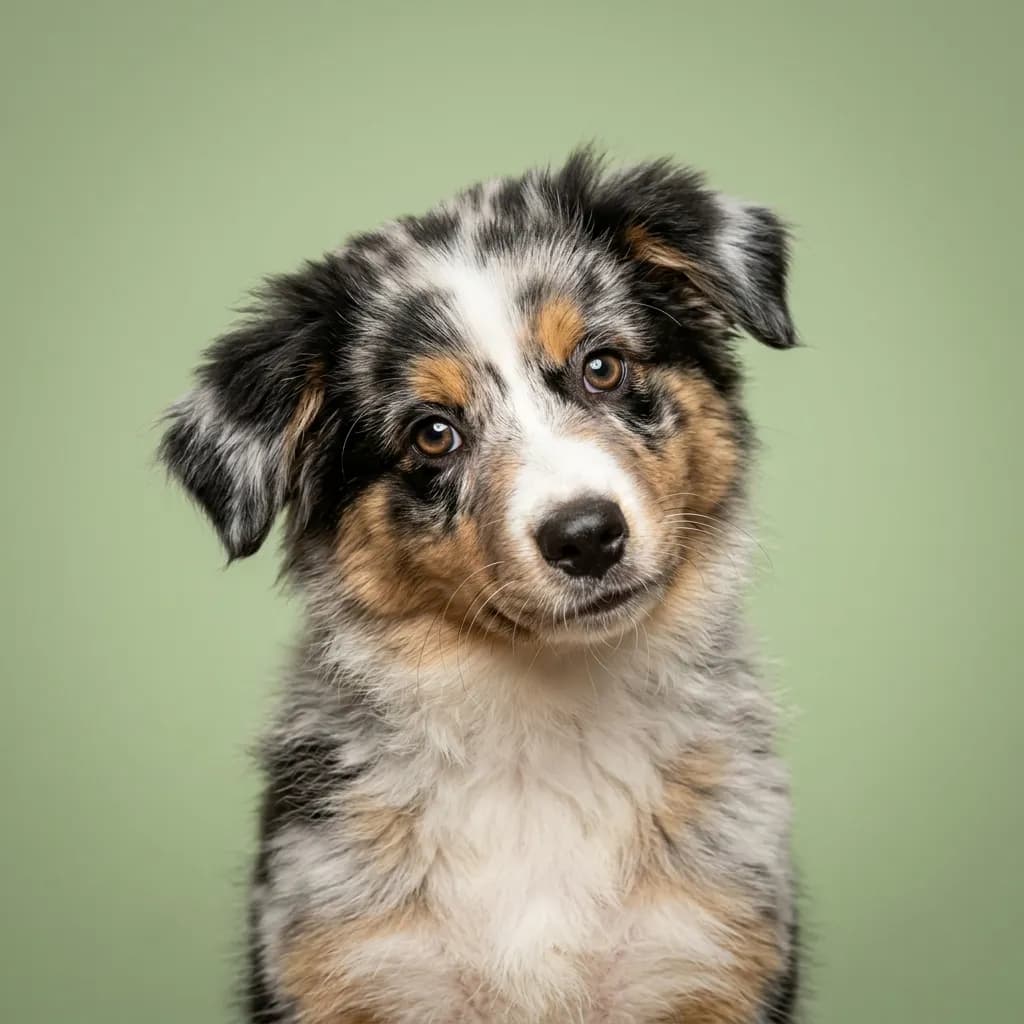
What Training a Miniature American Shepherd Is Actually Like
If you’ve got a Miniature American Shepherd, you’ve got a dog that learns fast and remembers everything—good and bad. These dogs are sharp, eager, and wired to work. That intelligence means they pick up commands in five to fifteen repetitions, and they’ll obey the first time you ask about 85% of the time. But that also means they’ll notice if your training is inconsistent. They’ll exploit loose rules, and they’ll invent their own jobs if you don’t give them one. Bred to herd livestock with precision and agility, they need structure and clear communication. Without it, they’ll start rounding up kids, chasing bikes, or barking at squirrels like it’s their full-time job. They’re not stubborn; they’re problem solvers. So if you’re not leading, they will.
Training Timeline
Start training the day you bring your puppy home at 8 weeks. Their socialization window is critical—weeks 3 to 12—so expose them to people, surfaces, sounds, and other animals in a controlled, positive way. By 16 weeks, they should be in a puppy class focused on manners and social skills. Around 5 months, adolescence hits hard. Energy spikes, focus drops, and they’ll test boundaries. This lasts through 14 months. At 8 months, introduce off-leash work in safe areas—these dogs respond well to recall training when it’s engaging. The second fear period hits between 32 and 40 weeks, so avoid forced interactions and back off on intense training during that window. By 9 months, they’re mentally mature enough to handle complex tasks, but physically they’re still growing. Ramp up dog sports like agility, disc, or herding trials gradually. By 14 months, you’ll see the full picture: a responsive, high-drive partner who thrives on precision and teamwork.
Breed-Specific Challenges
First, their herding instinct doesn’t disappear just because there’s no livestock. They’ll nip at heels, chase runners, or try to “manage” kids. You need to redirect that energy into structured work—agility, treibball, or flirt pole games—before it becomes a behavior problem. Second, they’re hypersensitive to body language. If you’re tense or inconsistent, they’ll either shut down or escalate. This isn’t a breed that responds well to harsh corrections. Third, their mental stimulation needs are non-negotiable. Five out of five on the AKC scale means a bored Mini American Shepherd will dismantle your couch or obsess over shadows. And fourth, their high energy and intelligence can look like hyperactivity if not properly channeled. This isn’t a dog to leave in the backyard alone all day.
What Works Best
Keep sessions short—10 to 15 minutes—two to three times a day. These dogs burn out fast if overtrained, but they need daily mental work. Use a cooperative precision style: give them clear goals, structured tasks, and immediate feedback. Reward with verbal praise and play, not just treats. A squeaky toy or quick game of tug works better than kibble for most of them. Introduce new challenges every few weeks—new tricks, scent work, or patterned agility sequences—to keep them engaged. Train with calm confidence. They mirror your energy, so if you’re scattered, they’ll be too. And consistency is non-negotiable. One person’s “off” is another’s “stay”? They’ll remember—and use that against you.
Crate Training Your Miniature American Shepherd
A full-grown Miniature American Shepherd averages around 30 pounds, so a 36-inch crate is the right end goal. If you're starting with a puppy, get that same size crate with a divider—this breed grows fast and you’ll want room to adjust as they hit milestones. Plan on moving the divider every few weeks; most reach near-adult size by 8 to 10 months. Skipping the right-sized crate to save money backfires fast with this breed. They need space to turn, stretch, and lie down comfortably, but not so much that it feels like a playground.
These dogs are intelligent and devoted, which means crate training usually goes smoothly—if you keep it structured. They thrive on clear rules and quick reinforcement. That said, their 5/5 energy level means they won’t settle instantly. Don’t expect calmness the second you close the door. Instead, tire them out with 15 minutes of focused tasks—fetch, agility drills, or scent games—before crating. A mentally tired Mini Ameri is far more likely to relax inside.
Adults can handle 6 to 8 hours crated if exercised well, but puppies shouldn’t exceed their age in months plus one in hours (e.g., 4-month-old maxes at 5 hours). Even then, their separation tolerance is high only if training is consistent. These dogs bond hard and can develop anxiety if crated too long without prep.
Watch for chewing on crate pads or fabric—common with this mouthy, herding-type breed. Use durable, chew-proof pads or skip them altogether. Some dig at the bedding; a rigid plastic bottom or rubber mat helps. And yes, they’ll bark if bored. Rotate chew toys like frozen Kongs or snuffle mats inside to keep them engaged. Make the crate a task zone, not just a timeout space. That fits their cooperative_precision style and turns crating into another job they’re eager to do right.
Potty Training Your Miniature American Shepherd
Miniature American Shepherds are smart, devoted dogs that pick up house training fast—usually within 2 to 4 weeks with consistent effort. At around 30 pounds, they have a decent bladder capacity for their size, but puppies still need frequent potty breaks every 2 to 3 hours during the day. Their medium build means they don’t have the same fragility as toy breeds, so you can take them outside regularly without worry, even in mild weather. Expect to take them out after meals, naps, and play sessions until they’re about 6 months old, when most can hold it 6 to 8 hours.
These dogs are in Coren’s Tier 2 for intelligence, meaning they learn new commands in just 5 to 15 repetitions. That translates to quick potty training, especially since they’re eager to please and highly observant. They’re not particularly stubborn like some independent herding breeds; instead, they tune in to your cues and routines fast. That said, their intelligence means they’ll pick up on inconsistencies—if you let them eliminate on a rug once, they might test that boundary again.
One challenge is their sensitivity to weather. Some Mini American Shepherds dislike rain or cold and may resist going outside. Don’t let that slide. Stand firm, use a covered area if needed, and reward them heavily for going out in less-than-ideal conditions. They’re also indoor-focused due to their devotion, so if they’re left alone too long, accidents can happen—not from defiance, but from stress or timing.
Use high-value treats and immediate praise when they go in the right spot. These dogs respond best to positive reinforcement that’s timely and enthusiastic. A small piece of chicken or cheese right after they finish, paired with a cheerful “good potty,” will cement the habit fast. Their trainability makes the process smoother than most breeds, but consistency and timing are still key.
Leash Training Your Miniature American Shepherd
Miniature American Shepherds are smart, intense, and built to work, so leash training isn’t just about walking nicely—it’s about giving that sharp little mind a job before you even hit the sidewalk. Start with a front-clip harness. These dogs are 30 pounds of coiled energy and they’ll exploit any slack in the leash to surge forward or dart after squirrels. A front-clip harness gives you more control without straining their necks, and it discourages pulling by redirecting their momentum. Skip the standard collar for walks; they’re strong enough to power through it, especially if they catch motion out of the corner of their eye.
Their herding background means they’re wired to circle, weave, and position—so expect them to drift in front of you or cut wide around objects like they’re maneuvering imaginary sheep. That’s not defiance, it’s breed instinct. Prey drive is high too. A chipmunk at 30 yards? That’s mission critical. You’ll need consistent recall and loose-leash training from day one, using high-value treats and short, focused sessions. They’re 5/5 on trainability, so they’ll catch on fast, but their energy means they’ll test boundaries when overstimulated.
Common issues include pulling toward movement, reactivity to other dogs or bikes, and “herding” children or joggers by circling or nipping at heels during walks. Prevention starts with structure: make them heel or stay in a loose heel position before every reinforcement like crossing the street or getting to sniff. Realistic expectations? A well-trained Mini American Shepherd won’t float beside you like a show-line German Shepherd. But they can learn to stay within 3–4 feet, respond instantly to cues, and walk with focus even in busy environments. They’ll never be slack-jawed casual about walks—that intensity is part of the package. Channel it, don’t fight it, and you’ll have a partner who’s not just polite on leash but genuinely engaged every step of the way.
“I just wish someone would tell me what to do and when to do it.”
Not generic puppy tips. Not a video course you’ll never finish. Just one email a week telling you exactly what to work on with your Miniature American Shepherd, at the age they are right now. Nothing to sift through. Nothing to figure out. Just this week.
Get Started — It’s FreeTell us your breed and your puppy’s age. We’ll send you exactly what to work on this week.
Socializing Your Miniature American Shepherd
Miniature American Shepherds are smart, sensitive dogs, and their socialization window from weeks 3 to 12 hits right when their first fear period—weeks 8 to 11—is peaking. That overlap is critical. You’ve got a narrow window where they’re soaking up the world, but also wired to be cautious. If something spooks them during those weeks, it can stick. That’s why controlled, positive exposure is non-negotiable.
These dogs were bred to herd livestock and stick close to their people, so they’re naturally alert and can develop a tendency to be wary of strangers or sudden movements. You need to expose them early and often to kids, men with deep voices, people wearing hats or uniforms, bicycles, skateboards, and other dogs—especially since their herding instinct can make them nip or chase. They’re not naturally aggressive, but without exposure, that intelligence turns into overthinking. They start deciding what’s threatening instead of you.
Common mistakes? Overprotective owners who keep them isolated “until they’re vaccinated” miss that prime window. Another is flooding—taking a timid pup to a dog park or crowded event and expecting them to adapt. That backfires hard with this breed. They need gradual, upbeat experiences where they earn confidence.
If you skip proper socialization, you don’t just get a shy dog. You get a 30-pound herding dog who’s hyper-vigilant, reactive on walks, and suspicious of kids or strangers. Their devotion turns into overattachment. They might shadow you obsessively or bark at every noise. That’s not bad behavior—it’s a direct result of missed early input.
Do it right, and you’ve got a dog who’s confident, adaptable, and reads social cues like a pro. Their intelligence and devotion make them eager to please, but only if they trust the world around them. Start early, keep it positive, and reinforce calm responses. This breed doesn’t just benefit from socialization—they depend on it.