Training Your Norrbottenspets
Breeds awaiting full AKC recognition. Approach based on breed's known heritage and temperament traits.
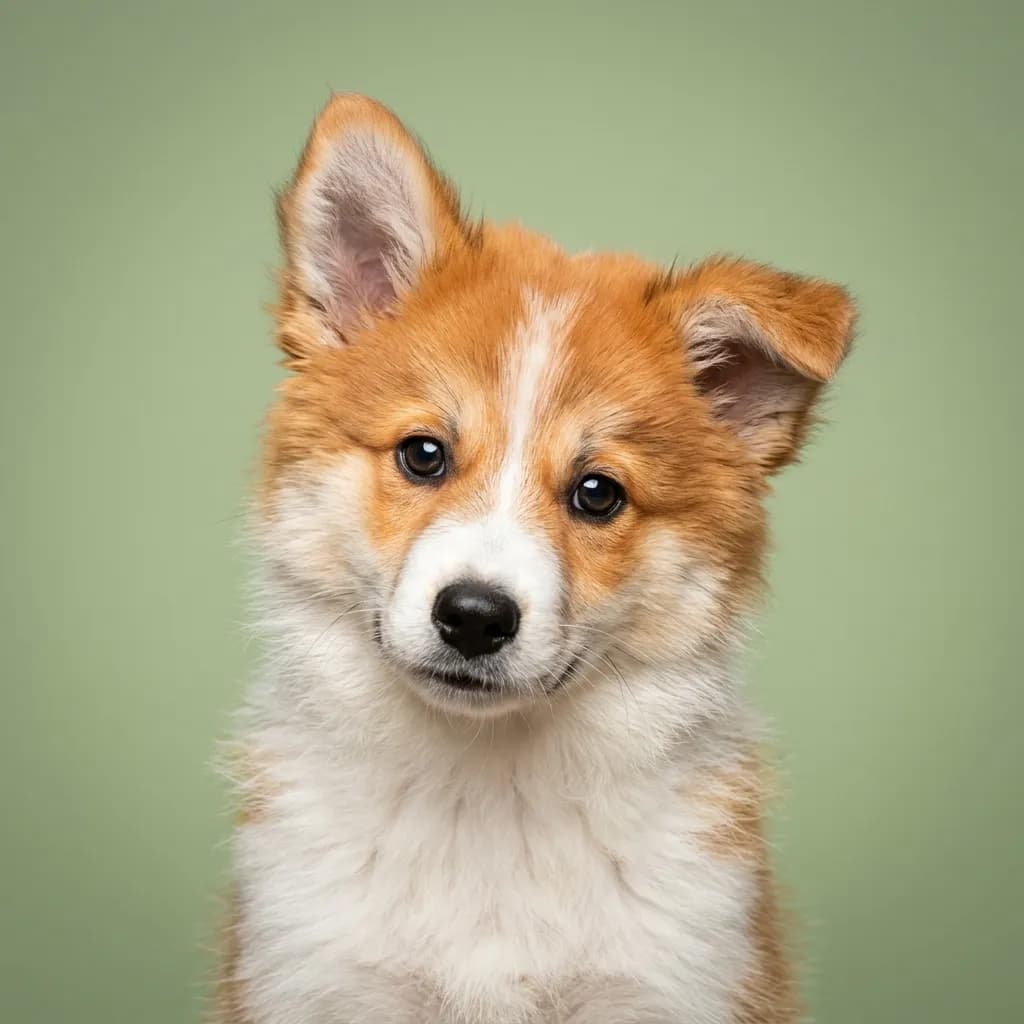
What Training a Norrbottenspets Is Actually Like
Training a Norrbottenspets feels like working with a quick-thinking scout who’s always three steps ahead. They’re sharp—ranked in Coren’s above-average intelligence tier—so they pick up new commands in 15 to 25 repetitions and respond to first commands about 70% of the time. But don’t let that smooth start fool you. These dogs were bred to work independently in the dense forests of northern Sweden, tracking birds and small game without constant direction. That means they’re attentive to you, yes, but they’re also wired to assess situations on their own. You’ll need consistency and mental engagement, not just obedience drills. They thrive on variety and problem-solving, so repetitive, rote training will lose their interest fast. High energy and strong mental stimulation needs mean an untrained Norrbottenspets isn’t just disobedient—it’s likely to start inventing its own jobs, like organizing your sock drawer by scent or launching a solo squirrel patrol.
Training Timeline
Start training at 8 weeks. Their socialization window is tight—weeks 3 to 12—so expose them to different people, surfaces, sounds, and dogs early. By 4 months, they should be handling basic cues like “sit,” “stay,” and loose-leash walking. Around 5 months, adolescence kicks in, and you’ll see testing behaviors—ignoring commands, sudden independence. This lasts through month 14. At 8 months, watch for the second fear period (weeks 32–40), which can reset progress. A noise they tolerated at 10 weeks might spook them now. Go slow, avoid forcing experiences, and reinforce confidence. By 9 months, they’re mentally mature enough to handle advanced tasks, but physical maturity lags. Stick to low-impact training until 14 months. Use this time for off-leash reliability, recall under distraction, and scent work—something that taps into their native hunting instincts.
Breed-Specific Challenges
First, independence. They’re not stubborn like a hound, but they’ll weigh your request against their own judgment. “Should I come when called, or keep investigating this fascinating hare trail?” You need a strong reinforcement history, not just hope. Second, prey drive is intense and hardwired. If you’ve got a pet rabbit or free-roaming birds, this isn’t the breed for you. Third, they’re alert to a fault. Their attentiveness means they notice everything—wind in the trees, distant barking, passing bikes—making focus in new environments a real challenge. Finally, their high energy and mental needs mean under-stimulation leads to destructive behavior, not just boredom. An idle Norrbottenspets is a dog that will figure out how to open cabinets just to run through the motions.
What Works Best
Use an adaptive mixed approach: reward-based foundation with structured boundaries. Keep sessions short—10 to 15 minutes, 2–3 times daily—because their attention burns hot and fast. They respond best to variable rewards: mix high-value treats (like freeze-dried liver) with play, praise, and puzzle-solving. Scent games, tracking exercises, and agility drills satisfy their mental needs better than repetitive sit/stay routines. Pacing matters—progress quickly between mastered skills but circle back often to reinforce reliability. Leash training needs early and consistent work; their alertness and agility make them prone to pulling. And always train outdoors when possible. These dogs were built for cold, rugged terrain, so snow, uneven ground, and wind aren’t distractions—they’re home. Use that to your advantage.
Crate Training Your Norrbottenspets
A Norrbottenspets is a medium-sized dog averaging about 25 pounds, so a 30-inch crate is the right adult size. If you’re starting with a puppy, go ahead and get that full-size crate with a divider. These dogs grow steadily, and you’ll only need to adjust the divider over time rather than buy multiple crates. Just make sure the divider is secure—Norrbottenspets pups are smart and will test it if it wiggles.
Because they’re high-energy and naturally alert, crate training a Norrbottenspets can go smoothly if you keep it positive and consistent. They’re fearless and attentive, which means they’ll observe the crate closely before committing. Don’t force it. Let them explore it with treats and praise. Once they’re in, they usually settle well—especially if they’ve had a good mental and physical workout first. A tired Norrbottenspets is a crate-ready Norrbottenspets.
Adults can handle 6 to 8 hours crated if needed, but puppies shouldn’t be left longer than 3 to 4 hours depending on age. They’re moderately tolerant of separation, but their energy means they’ll get restless if crated too long without stimulation. Make sure they get daily off-leash runs or structured play; otherwise, the crate becomes a frustration outlet.
One quirk: some Norrbottenspets puppies are chewers, especially if bored. They might gnaw at crate pads or fabric covers. Use durable rubber mats instead of plush bedding, and skip the fabric covers—they’ll shred them. Also, they’re vocal when alert, so if they hear something outside, they’ll bark from the crate. Desensitize them early to outdoor noises so they don’t develop a habit of barking every time a bird flies by.
Use short, upbeat training sessions. These dogs respond best to variety—mix in food puzzles in the crate, brief stays with rewards, and quiet time. Keep it fun, and they’ll see the crate as their den, not a jail.
Potty Training Your Norrbottenspets
Potty training a Norrbottenspets is usually a manageable process, thanks to their above-average intelligence and solid 4/5 trainability rating. At around 25 pounds, their medium size means decent bladder capacity for a small-to-medium breed—most can hold it for 4 to 5 hours by 12 weeks old, which helps space out potty breaks. Still, don’t expect them to make it through an 8-hour workday at 10 weeks old. A realistic timeline for reliable house training is 4 to 6 months, assuming consistency. Some Norrbottenspets catch on fast, needing only 15 to 25 repetitions to learn a command, but their independent streak can slow things down if you’re not firm and consistent.
They’re attentive and generally eager to please, but don’t mistake that for blind obedience. This breed has a working-dog mindset and can be quietly stubborn if they don’t see the point. That means potty training has to be structured, not scolding-based. They respond best to calm, confident leadership and positive reinforcement. Use high-value rewards—small bits of chicken or cheese work better than dry kibble—because they’re not ultra-food-motivated like some breeds, but they do appreciate tasty treats when earned.
One breed-specific challenge is their attentiveness to surroundings. They’re alert and agile, so outdoor potty trips can turn into mini exploration missions if you’re not careful. A consistent potty cue and a designated spot help focus them. Also, because they’re smart, they’ll quickly learn which surfaces signal “go” versus “wait.” Stick to one outdoor spot, and avoid letting them eliminate indoors even during early training—this breed picks up routines fast, and bad habits stick.
Supervision is key. Crate training works well because they’re clean by nature, and their size fits standard crates comfortably. With consistency, most Norrbottenspets are reliably house-trained by 7 to 8 months old.
Leash Training Your Norrbottenspets
A Norrbottenspets is no couch potato, and that 4/5 energy level means you’re dealing with a dog who wants to move, explore, and investigate. Leash training isn’t just about manners—it’s about managing a fearless little hunter built for covering ground in rugged terrain. They were bred to work independently in the boreal forests of northern Sweden, chasing birds and small game, so expect a strong prey drive and a tendency to pull when something catches their eye. That doesn’t mean they can’t learn, though. With a trainability rating of 4/5, they’re smart and attentive, but they need consistency and engagement.
For equipment, skip the standard collar. These dogs are strong and agile, and a front-clip harness like the Balance or PetSafe Freedom works best. It gives you gentle control without risking neck strain and helps redirect their forward momentum. A back-clip harness or flat collar just won’t cut it when they spot a squirrel and decide to launch.
Common leash problems? Pulling, sudden lunges toward movement, and selective hearing when prey cues hit. They’re not being stubborn—they’re doing what they were born to do. You’re not aiming for a perfect heel like a German Shepherd; “good” leash behavior for a Norrbottenspets means loose-leash walking with occasional check-ins, quick recoveries after distractions, and the ability to respond to cues even when excited. Think 80% focus, not 100%.
Use an adaptive mixed approach: positive reinforcement for attention, structured walks with frequent sniff breaks, and off-leash sprints in secure areas to burn that energy so leash time isn’t their only outlet. Without mental and physical work, leash training will fall apart fast. Be patient, keep it engaging, and remember—this dog was built to range free. Your job is to make the leash feel like part of the adventure, not a prison sentence.
“I just wish someone would tell me what to do and when to do it.”
Not generic puppy tips. Not a video course you’ll never finish. Just one email a week telling you exactly what to work on with your Norrbottenspets, at the age they are right now. Nothing to sift through. Nothing to figure out. Just this week.
Get Started — It’s FreeTell us your breed and your puppy’s age. We’ll send you exactly what to work on this week.
Socializing Your Norrbottenspets
Socializing a Norrbottenspets between weeks 3 and 12 is non-negotiable, and you’ve got to move fast because their first fear period hits hard between weeks 8 and 11. That overlap means you’re building confidence while also walking through a minefield of potential sensitivities. If you delay or go too rough, you’ll see it later in life as reactivity or shutdown. These dogs were bred to work independently in the dense boreal forests, tracking small game with precision, so they’re naturally alert and quick to notice changes in their environment. That makes early, positive exposure to novel sounds, surfaces, and sudden movements critical. You need to flood them with calm, rewarding experiences around things they might otherwise distrust—like rustling leaves, loud zippers, or unexpected umbrellas popping open.
Norrbottenspets are not inherently aggressive, but they are reserved with strangers. They don’t crave constant human interaction like some breeds, so owners often assume they don’t need much socialization. That’s a mistake. They need more exposure to unfamiliar people, children, and other dogs than you’d expect, not because they’re prone to aggression but because their instinct is to assess first, engage later. Without that early window filled with varied, positive interactions, they’ll default to caution as adults—sometimes tipping into avoidance or suspicion.
Common mistakes include under-socializing because “they’re independent” or over-focusing on obedience at the expense of environmental exposure. You can’t train away poor early socialization with this breed. Miss those first 12 weeks and you’ll spend years managing a dog that’s too watchful, too quick to bark at new stimuli, or hesitant in dynamic environments. A well-socialized Norrbottenspets is attentive and agile, not sharp or standoffish. They’ll approach novelty with interest, not retreat. That’s the temperament you want. That’s what the breed was built for—awareness without fear.