Training Your Petit Basset Griffon Vendéen
Independent thinkers bred to work ahead of handlers. Scent hounds follow their nose; sight hounds follow movement. Requires patience and high-value rewards.
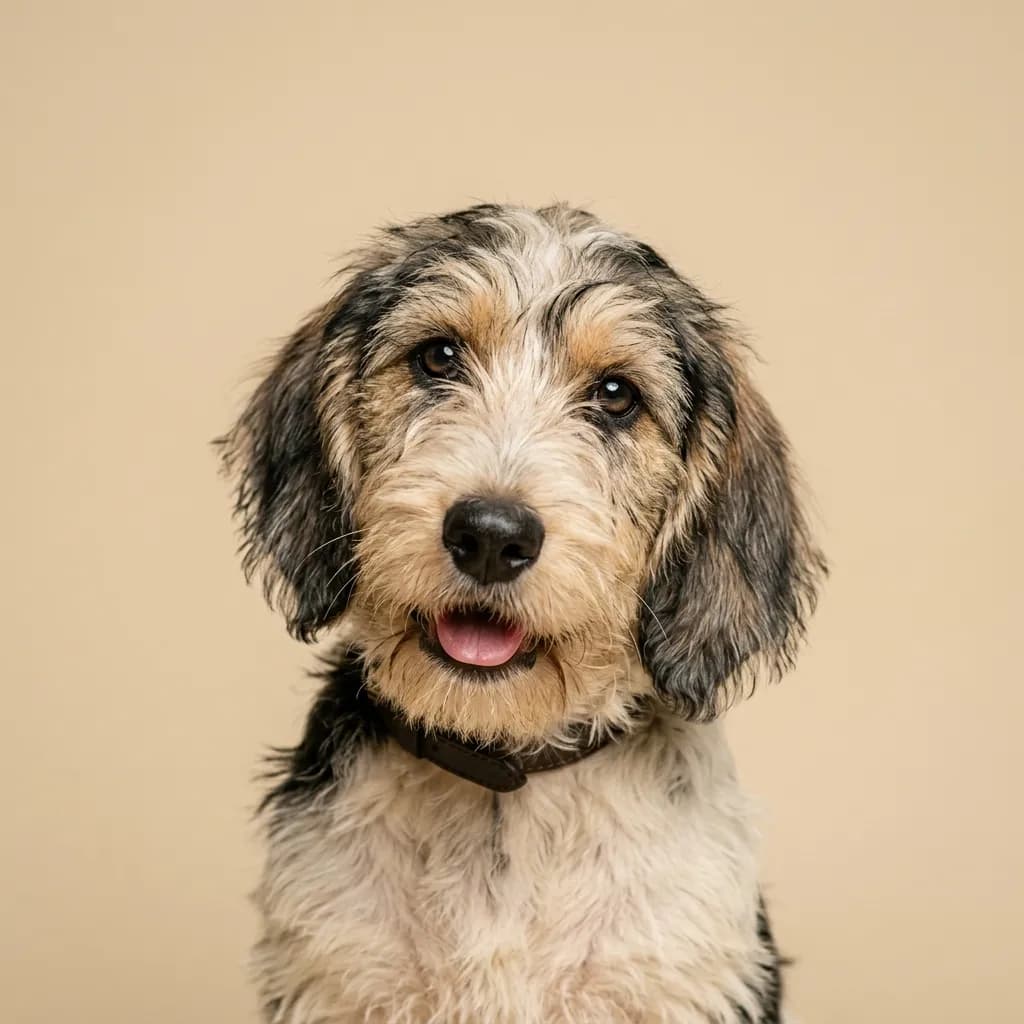
What Training a Petit Basset Griffon Vendéen Is Actually Like
Training a PBGV is not for the faint of heart—or the impatient. These little hounds are smart, stubborn, and endlessly curious, bred to work independently through thickets and brush while following a scent trail far ahead of their handler. That means they’re not wired to check in with you every few seconds like a Border Collie would. Their Coren intelligence ranking is “average,” but that’s misleading. They learn fast—just not always what you want them to. Expect 25 to 40 repetitions before a new command sticks, and even then, they might choose to ignore it if something more interesting catches their nose. They’re cheerful and eager to engage, but only on their terms. You’ll need consistency, creativity, and a deep bag of high-value treats. They thrive on mental stimulation and physical activity, so training that doubles as a game? That’s your golden ticket.
Training Timeline
Start training the day you bring your puppy home at 8 weeks. The socialization window closes hard at 12 weeks, so prioritize exposure to new people, dogs, sounds, and surfaces immediately. Enroll in a puppy class by 10 weeks. Between 3 and 4 months, begin basic obedience—sit, stay, come—but don’t expect polished results. Use short, fun sessions to keep engagement high. Around 5 months, adolescence hits hard and lasts through 14 months. Expect testing behaviors, selective hearing, and zoomies at inconvenient times. The second fear period hits between 32 and 40 weeks, so avoid forcing interactions and double down on positive associations. Keep pushing socialization gently. By 9 months, mental maturity begins to settle in. You’ll start seeing more consistency, especially if you’ve been steady with training. Off-leash reliability? Still a long shot. Keep using a long line in safe areas.
Breed-Specific Challenges
First, recall is a joke—at least until you’ve invested serious time and high-value reinforcement. These dogs were bred to follow scents, not return when called. Second, independence. They’ll problem-solve around you, not with you. If a squirrel trail veers left, they’re going left, command or not. Third, vocalization. PBGVs are not shy about barking, especially when excited or on a scent. You’ll need to manage this early before it becomes a neighborhood issue. Fourth, grooming. It’s not a training issue per se, but if you don’t introduce brushing, ear cleaning, and foot trimming early, handling them later becomes a battle. Their coat traps burrs and mud, so maintenance is non-negotiable.
What Works Best
Keep sessions under 5 minutes. These dogs burn out fast if bored. Use the highest-value treats you can—real meat, cheese, liver paste—not kibble. Incorporate scent work early. Hide treats in grass or use indoor scent boxes; it taps into their natural drive and makes training feel like play. End every session on a win. Use a marker word like “yes” to pinpoint correct behavior the instant it happens. Positive reinforcement is essential—harsh corrections shut them down or make them sneakier. Train in low-distraction environments first, then gradually increase difficulty. And for the love of all things hound, never trust off-leash recall in an unsecured area. A long line is your best friend.
Crate Training Your Petit Basset Griffon Vendéen
You’ll need a 36-inch crate for an adult Petit Basset Griffon Vendéen; they’re medium-sized but long-backed and leggy. If you’re starting with a puppy, get one with a divider—most weigh around 10–12 pounds at 8 weeks but hit their full 30–35 pound frame by 10–12 months. A divider keeps the space appropriately sized so they don’t soil one end and sleep in the other.
PBGVs are alert and vivacious, so they don’t naturally settle into a crate like a Labrador might. Their energy level is high and their trainability is only moderate—they’re independent thinkers with a nose always to the ground. That means crate training has to be positive, patient, and scent-driven. They won’t accept confinement just because you say so. Use extremely high-value treats like freeze-dried liver or sardines, and turn the crate into a puzzle by hiding treats inside the bedding.
They can reasonably stay crated 3–4 hours as adults, but only if they’ve had serious mental and physical exercise first. These dogs are bred to hunt in packs all day, so leaving one alone in a crate for 8 hours will backfire—expect barking or destructive chewing. Puppies should never be crated more than 2 hours at a stretch.
Breed-specific quirks? They’re chewers. They’ll gnaw crate trays, fabric covers, and even plastic bowls if left unsupervised. Use a metal pan, chew-proof bowl, and avoid soft-sided crates. They may also bark or dig at the crate door if under-stimulated—this isn’t separation anxiety per se, it’s boredom with a side of hound stubbornness.
Make the crate a game. Toss treats inside so they have to sniff them out. Feed meals in it. Use a consistent cue like “den time” paired with a treat ritual. Short sessions work best—5 minutes of positive reinforcement beats forcing the issue. They respond to cleverness, not coercion.
Potty Training Your Petit Basset Griffon Vendéen
Potty training a Petit Basset Griffon Vendéen isn’t the most difficult you’ll face, but don’t expect lightning-fast results. At around 32 pounds, they’re medium-sized, which helps—larger bladder capacity than toy breeds means you won’t be rushing to the door every 45 minutes. Still, until they’re about 6 months old, plan on taking them out every 2 to 3 hours, especially after meals, play, and naps. By 7 to 8 months, most PBGVs can reasonably hold it for 6 to 8 hours during the day, but consistency in scheduling is key.
Their trainability is rated 3 out of 5, and that’s accurate. They’re not stubborn in the mule-like sense, but they’re independent thinkers with a hound’s curiosity. If a squirrel darts by while they’re supposed to be finishing potty duties outside, good luck getting their attention back. That scent-driven focus means you can’t just toss them in the yard and assume they’ll do their business. You’ll need to stay with them, keep them on task, and be patient. They’re alert and happy, not particularly sensitive, so a cheerful, persistent approach works better than stern corrections.
Expect reliable house training to take 5 to 8 months with consistent effort. Accidents past the 6-month mark aren’t unusual, especially if the routine changes. Crate training helps—PBGVs generally adapt well to crates if introduced positively—but don’t expect them to love confinement for long stretches.
Rewards? Make them worth their while. PBGVs respond best to high-value treats (small bits of chicken or cheese) paired with enthusiastic praise. They’re not the most food-driven of hounds, so variety keeps them interested. Timing is critical—reward within 3 seconds of pottying outside so they connect the action to the payoff. And clean accidents thoroughly with enzyme cleaner; their sharp noses will find the spot again if you don’t.
Leash Training Your Petit Basset Griffon Vendéen
A Petit Basset Griffon Vendéen, or PBGV, is a 32-pound bundle of happy chaos with a nose that’s always working. Bred to hunt rabbits through thick brush in France, they’re scent hounds first and leashed companions second. That means leash training isn’t about achieving perfect heel work; it’s about managing their intense curiosity and stubborn independence. A front-clip harness is your best friend here. Their sturdy build and 4/5 energy mean they’ll lean into tension, and a collar—even a martingale—won’t give you enough control. The front-clip harness redirects their momentum without hurting their neck, which matters because they will lunge toward a hot scent.
Their trainability rating of 3/5 isn’t a reflection of intelligence—it’s honesty. PBGVs are clever, but they prioritize sniffing over obedience. A squirrel trail or patch of damp earth is infinitely more interesting than your recall cue. Common leash issues include pulling hard toward scents, sudden stops to investigate, and selective hearing when excitement hits. That’s not defiance. That’s their breeding talking. They were designed to work independently, pushing through brambles, not walking politely at your side.
“Good” leash behavior for a PBGV isn’t a military heel. It’s reasonable loose-leash walking with frequent sniff breaks, and a dog who checks in occasionally despite distractions. You’ll need patience and high-value treats—think smelly freeze-dried liver. Practice in low-distraction areas first and slowly increase difficulty. Use their natural vivaciousness as a reward; let them explore after they’ve walked nicely for a stretch. Accept that off-leash freedom should be limited to secure areas. Their prey drive is real, and recall can fail even in well-trained dogs. Build reliability through repetition, not trust. This breed thrives on engagement, so make leash time a game, not a test.
“I just wish someone would tell me what to do and when to do it.”
Not generic puppy tips. Not a video course you’ll never finish. Just one email a week telling you exactly what to work on with your Petit Basset Griffon Vendéen, at the age they are right now. Nothing to sift through. Nothing to figure out. Just this week.
Get Started — It’s FreeTell us your breed and your puppy’s age. We’ll send you exactly what to work on this week.
Socializing Your Petit Basset Griffon Vendéen
You’ve got a Petit Basset Griffon Vendéen, which means you’ve got a bold, curious little hound with the heart of a fox hunter and the energy of a dog twice his size. Their socialization window hits from weeks 3 to 12, but here’s the catch: that overlaps directly with their first fear period at 8 to 11 weeks. That’s when a single negative experience—a loud kid, a shove from another dog, a scary vacuum—can stick with them for life. You can’t afford to wing it. You need controlled, positive exposure, not overwhelming “let’s throw him at everything” chaos.
PBGVs were bred to push through thick brush, nose to the ground, barking up game. That makes them bold by nature, but that boldness can tip into reactivity or suspicion if they’re not exposed early and often to things they weren’t bred for: city traffic, skateboards, men with hats, strollers, and especially quiet children who move unpredictably. They’re not naturally wary of people like a guardian breed, but they are wired to react to movement and noise. If you don’t desensitize them to sudden sounds—banging pots, door slams, fireworks—they’ll bark first and ask questions later.
Common mistakes? Letting their confidence fool you. Because they’re so happy and outgoing at 10 weeks, owners think they’re “fine” and stop socializing. Wrong. Skip consistent exposure and you’ll get a 32-pound dog at 9 months who lunges at bikes, barks at mail carriers, or shuts down around strangers. Their vivaciousness turns into nuisance barking or selective hearing because they’re too amped up to focus.
Do it right and you get a resilient, adaptable companion who’s bold without being brash, alert without being a nuisance. But you’ve got to lay the foundation before 12 weeks, keep it up through adolescence, and respect that their hunter’s brain needs clarity, not correction, when they’re unsure.