Training Your Plott Hound
Independent thinkers bred to work ahead of handlers. Scent hounds follow their nose; sight hounds follow movement. Requires patience and high-value rewards.
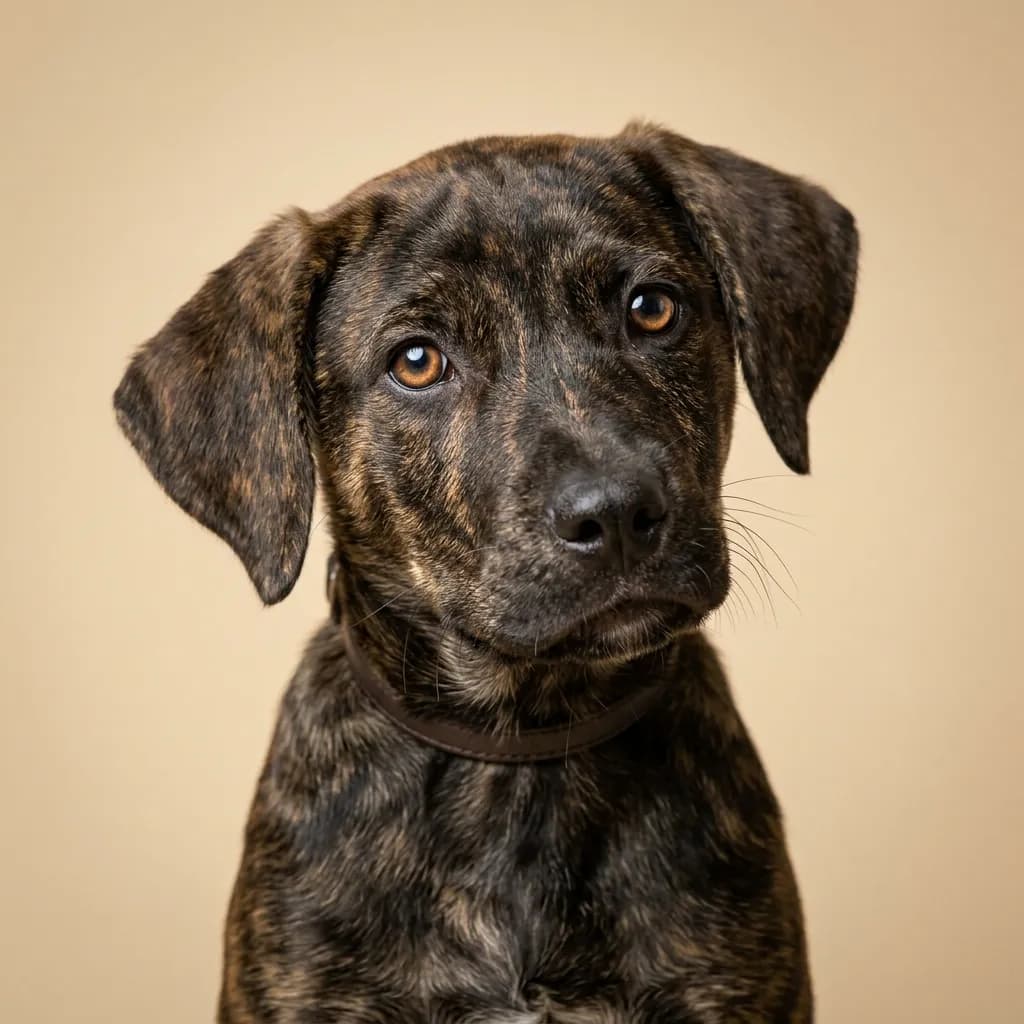
What Training a Plott Hound Is Actually Like
Training a Plott Hound is rewarding if you understand what you're working with. They're intelligent, ranked in Coren’s Tier 3, meaning they pick up new commands in 15 to 25 repetitions and obey on the first try about 70% of the time. That’s solid for a hound, but don’t mistake it for Border Collie-style eagerness. Plott Hounds were bred to work independently in the rugged Appalachians, tracking bear and boar for hours without direct contact with their handler. That means they think for themselves. They’ll assess whether your command makes sense before complying. If something smells more interesting downwind, your recall might as well be background noise. They’re loyal and alert, not stubborn in the typical sense—they’re just wired to prioritize scent over obedience. You’ll need consistency, high-value motivation, and a thick skin for the times they choose to ignore you. But when you earn their cooperation, it’s because they respect your leadership, not just fear correction.
Training Timeline
Start at 8 weeks with basic socialization—expose them to different people, surfaces, sounds, and environments. The critical window closes at 12 weeks, so don’t delay. By 5 months, adolescence kicks in and their nose starts calling the shots. This lasts until 14 months, so expect testing of boundaries and selective hearing. Around 8 months, they hit emotional maturity and begin to settle, but don’t relax too soon. Watch for the second fear period at 32 to 40 weeks. A noise or situation that never bothered them might suddenly spook them. Go slow, avoid forcing interactions, and rebuild confidence with positive reinforcement. Use this phase to reinforce known cues with high value rewards, not to introduce stressful new experiences. By 14 months, most Plott Hounds are mentally stable enough for off-leash work in secure areas—if you’ve put in the reps.
Breed-Specific Challenges
First, their nose rules. A Plott Hound on a scent trail is like a freight train—hard to stop, nearly impossible to redirect. Secure fencing and long-line training are non-negotiable. Second, their independence means they may not see obedience as a priority. They’ll follow game logic: “Does this command lead to something rewarding?” If not, they’ll opt out. Third, they’re vocal—bay deeply and frequently when excited or on track. This isn’t nuisance barking; it’s bred-in communication. You can manage it with training, but you can’t eliminate it. Finally, their high energy and need for purpose make them restless in suburban or apartment settings. Without enough physical and mental work, they’ll invent their own jobs—like digging or howling at squirrels.
What Works Best
Short sessions—5 to 10 minutes, two to three times a day—work better than long drills. Their focus is intense but brief. Use extremely high-value treats: real meat, cheese, or freeze-dried liver. Kibble won’t cut it when a raccoon trail is in the air. Incorporate scent games early. Hide treats, run simple drag lines, or use puzzle toys that engage their tracking instincts. This satisfies their mental stimulation needs without relying solely on obedience work. Positive reinforcement is key; harsh corrections backfire with independent thinkers. Build reliability by proofing commands in low-distraction areas first, then gradually increase difficulty. Always train on leash or long line until recall is bulletproof—because once they’re on a hot trail, even a 70% first-command obedience rate drops fast.
Crate Training Your Plott Hound
A Plott Hound puppy needs a 36-inch crate from the start, even if they’re small at first. These dogs hit about 50 pounds on average and keep growing until they’re 18 months old. Use a divider—non-negotiable—so they don’t claim too much space early and start treating the back half as a bathroom. A crate that’s too big backfires fast with this breed. They’re intelligent and scent-driven, so they’ll learn fast, but only if the setup makes sense to them.
Plotts are alert and loyal, which means they notice when you’re leaving and react. They don’t settle instantly like some laid-back breeds. Their 4/5 energy means they’ll test the crate if they’re not tired first. You’ve got to tire their nose, not just their legs. A five-minute scent game with hidden treats in a muffin tin before crating works better than a 30-minute walk. Use high-value treats—think real meat, not kibble—to build positive association. Short sessions, 10–15 minutes at first, multiple times a day, are the sweet spot.
Don’t expect more than 3–4 hours crated once they’re past puppy stage, and never more than 6 hours max even for adults. They’re not barkers by default, but if they’re stressed or understimulated, they’ll howl with that deep, resonant voice that carries half a mile. Some Plotts chew crate pads or dig at the bedding—likely boredom, not defiance. Skip plush liners; go for durable orthopedic pads they can’t shred.
Use their scent focus to your advantage. Toss a treat under the crate flap so they have to nose in to get it. Pair the crate with frozen Kongs stuffed with liver paste. Make it a puzzle, not a prison. And never use the crate as timeout—it kills trust fast with this loyal breed. They’ll accept it willingly, but only if it feels like their idea.
Potty Training Your Plott Hound
Plott Hounds are medium-sized dogs, averaging around 50 pounds, so they have a decent bladder capacity compared to smaller breeds. That means by 16 weeks, you should be able to expect 4-5 hour stretches between potty breaks, provided their schedule is consistent. Don’t expect full reliability before 6 months, though—it’s realistic to see a Plott reliably house-trained between 5 and 7 months with consistent effort. Their trainability score of 4 out of 5 and placement in Coren’s "Above Average" tier mean they learn quickly, usually in 15 to 25 repetitions. But here’s the catch: they’re intelligent and loyal, yes, but also independent. They won’t rush to please just to make you happy. That means consistency has to come from you, not just enthusiasm from them.
One big challenge with Plott Hounds is their nose. They’re scent hounds, bred to track for hours, so once they’re outside, they can get so wrapped up in sniffing a trail that they forget why you brought them out. You’ve got to keep potty trips focused. Use a specific phrase like “go potty” and stick to a routine. Don’t let them wander and explore during these sessions—this isn’t free time. Take them out on a short leash to a designated spot every time, right after eating, napping, or playing.
Rewards matter, and for Plotts, high-value treats work best. Think small bits of hot dog, chicken, or cheese—not kibble. They’re food-motivated, so timing is key. Reward immediately after they go, every time, and praise with warmth in your voice. Skip the over-the-top excitement; they respond better to calm, confident approval. Be patient. They’ll get it, but on their own steady timeline. Skip punishment entirely—it backfires with their stubborn streak. Stick with repetition, structure, and the right reward, and you’ll have a reliably house-trained dog.
Leash Training Your Plott Hound
Plott Hounds are strong, focused dogs with a nose that often overrules their ears. At 50 pounds on average and bred to trail bear and boar through rugged terrain, they’re not the type to quietly fall in step beside you. Their energy level is high and their trainability is solid, but their drive to follow a scent is wired deep. You’re not going to get a loose-leash walker by default, but you can get something realistic and functional with consistency.
Start with equipment: a front-clip harness is your best bet. These dogs don’t just pull—they surge forward when they catch a hot trail, and a collar, even a martingale, can put dangerous pressure on their necks. A front-clip harness like the Ruffwear Front Range or 2 Hounds Freedom Harness gives you more control without compromising their breathing or spine. They’re not sled dogs, but they’re powerful enough that leash pressure matters.
Their prey drive means distractions aren’t just squirrels—they’re rabbit trails, deer tracks, that weird smell from three blocks ago. On-leash, they’ll stop suddenly, plant their feet, or drag you toward interesting scents. This isn’t defiance, it’s their job. The Plott was built to follow a cold trail for miles with relentless focus. So “good” leash behavior here isn’t about walking perfectly heel. It’s about checking in, responding to recall cues even mid-sniff, and not lunging.
Expect pauses. Expect moments where they seem to forget you exist. But with training that honors their scent drive—short, engaging walks with sniff breaks built in—you’ll see progress. Use high-value treats and praise when they return focus. Train off-leash in secure areas so they learn to stay connected even when excited. A Plott that looks back for you mid-chase is a win. That’s loyalty meeting training.
“I just wish someone would tell me what to do and when to do it.”
Not generic puppy tips. Not a video course you’ll never finish. Just one email a week telling you exactly what to work on with your Plott Hound, at the age they are right now. Nothing to sift through. Nothing to figure out. Just this week.
Get Started — It’s FreeTell us your breed and your puppy’s age. We’ll send you exactly what to work on this week.
Socializing Your Plott Hound
Plott Hounds are intelligent and alert by nature, bred to work independently in rugged terrain hunting dangerous game, and that history shapes how they respond to socialization. Their critical socialization window runs from weeks 3 to 12, which means you’re working against a tight clock—especially because their first fear period hits hard between weeks 8 and 11. That overlap is tricky. During those weeks, a negative experience can stick. A loud noise, a sudden movement, or a rough handling at the vet can leave a lasting imprint. So your job isn’t just about exposure, it’s about making every new experience calm, positive, and controlled.
Because Plotts were bred to be independent problem solvers and alert guardians, they’re naturally wary of strangers and unfamiliar situations. That doesn’t mean they’re aggressive, but without early, consistent exposure, they’ll default to suspicion. You need to expose them more than most breeds to strange people, new environments, other dogs, traffic sounds, and sudden movements. Don’t just walk them—take them to parking lots, outdoor cafes, hardware stores, anywhere with unpredictable activity. Let them observe and reward calm behavior.
A common mistake is assuming their calm puppy phase means they’re “fine” socially. They might seem unbothered at first, but skipping structured socialization leads to a 9-month-old adult that’s tense around strangers, overly reactive to wildlife, or stubborn in distracting environments. Their loyalty turns into overprotectiveness. Their independence becomes inflexibility.
If you skip early socialization, you’re not just raising a shy dog—you’re raising a hound with a strong prey drive and guarding instincts operating without trust in you to guide them. They won’t just ignore distractions, they’ll act on instinct, and by 9 months, those habits are cemented. Start at 8 weeks, go slow, keep it positive, and don’t stop until they’re a year old. With a Plott, consistency isn’t optional. It’s the difference between a confident companion and a dog you can’t trust off-leash.