Training Your Pudelpointer
Rare breeds with varied backgrounds. Approach based on breed's country of origin and original purpose.
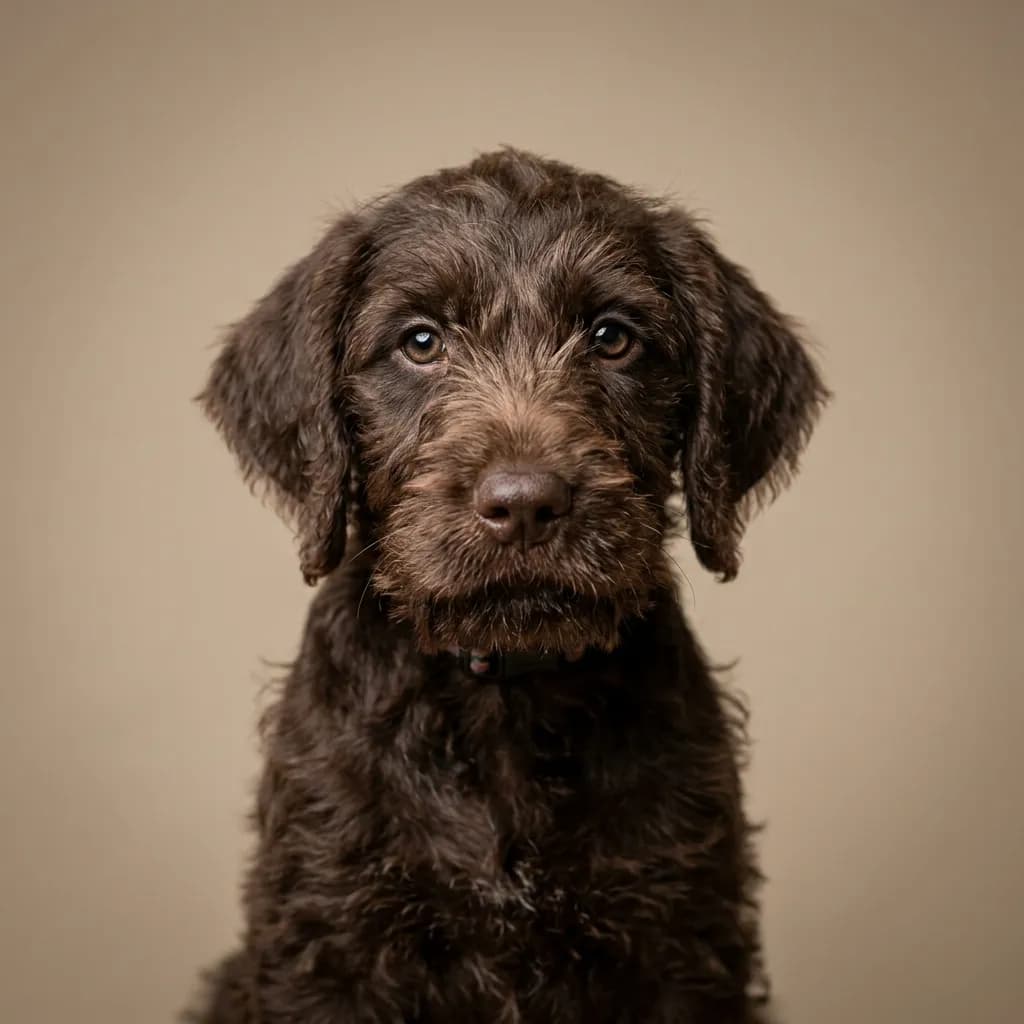
What Training a Pudelpointer Is Actually Like
Training a Pudelpointer is a mix of rewarding intelligence and real-world patience. They’re smart enough to pick up new commands in 25 to 40 repetitions on average, but they’re not the kind of dog who lives to obey. They’re cooperative, but not obsessive about pleasing you like a Border Collie. Think of them as a thoughtful hunting partner who listens when it makes sense—not because you said so. Their temperament is friendly, steady, and willing, which helps, but they’re built for action. If you don’t give them jobs—especially outdoors—they’ll find their own, usually involving digging, barking at squirrels, or testing fence lines. Expect a dog that learns best when training feels like part of a purpose. They thrive on mental stimulation, so short, engaging sessions beat repetition drills.
Training Timeline
Start at 8 weeks with basic handling, name recognition, and potty training. Use high-value rewards—chicken works well—and keep sessions under 5 minutes. Between weeks 3 and 12, prioritize socialization: expose them to different people, sounds, surfaces, and other dogs. This window is critical. By 16 weeks, begin leash manners and sit/stay with a 10-minute daily routine. At 6 months, adolescence kicks in. Expect testing, distraction, and occasional regression. Reinforce consistency. The second fear period hits between weeks 44 and 56, so avoid forced introductions or harsh corrections. Stick to positive reinforcement during this time. From 6 to 18 months, focus on impulse control and off-leash reliability—especially around wildlife. By 14 months, mental maturity starts to settle. That’s when your training investments really begin paying off. Continue hunting or retrieval drills weekly to maintain engagement.
Breed-Specific Challenges
First, their hunting drive is intense. They were bred to point, track, and retrieve in tough terrain and water. That means a recall can fail if they lock onto a scent. You need a solid foundation before off-leash freedom. Second, they don’t do boredom well. Without physical and mental work—minimum 60 minutes of active exercise daily—they’ll default to destructive behaviors. Third, their intelligence is in the “average” tier per Coren, but they’re problem-solvers. They’ll learn what works and stick to it, so inconsistent training leads to stubborn habits. Finally, their size and energy make them a poor fit for small yards or city living. They need space and purpose.
What Works Best
Use an adaptive mixed approach rooted in their German hunting background. Keep sessions short—10 to 15 minutes—and vary the content. Rotate obedience, scent work, and water retrieves to hold interest. They respond best to food rewards early on, but transition to play and praise once their drive for hunting kicks in around 6 months. A tennis ball or tug after a solid retrieve builds motivation. Train 4 to 5 times per week, not daily, to avoid burnout. Their 4/5 mental stimulation need means puzzle feeders, hide-and-seek games, and simulated hunt drills are non-negotiable for balance. Push too hard and they tune out. Underestimate their needs and they’ll tune out even faster. Match their energy, and they’ll be one of the most loyal, capable dogs you’ve ever worked with.
Crate Training Your Pudelpointer
You’ll want a 42-inch crate for an adult Pudelpointer since they’re large dogs, averaging around 58 pounds. If you’re starting with a puppy, get one with a divider. These dogs grow fast but not uniformly—they hit milestones quickly and will need that full space by 9 to 10 months. A divider helps prevent them from soiling their sleeping area early on, which they’re smart enough to avoid.
Pudelpointers are smart, eager to please, and highly trainable, so crate training usually goes smoothly. They don’t fight the crate like some high-drive breeds. That said, their energy level is 4 out of 5, so they need good physical and mental work before crating. Skip the walk or training session, and they might treat the crate like a prison. Do the work first, and they’ll settle like champs—often within 10 to 15 minutes of being crated.
Adults can handle 6 to 8 hours in a crate overnight, but don’t push it during the day. More than 4 hours and they’ll start pacing or whining, even if they’re well-exercised. Puppies? You’re limited by bladder control—about one hour per month of age. And yes, they’re friendly and hate being left out, so ease into solo time. Start with 10 minutes while you’re in the room, then gradually increase.
One quirk: their hunting drive means they may mouth or chew crate pads or blankets. Use durable, chew-proof materials—nothing they can shred. Also, some will bark if they hear game birds or squirrels outside. It’s not protest; it’s instinct. A quiet command taught early helps. Keep the crate in a busy part of the house so they don’t feel isolated. These dogs want to be where the action is, so make the crate part of the scene, not tucked in a cold garage.
Potty Training Your Pudelpointer
Pudelpointers are large dogs, averaging around 58 pounds, which means they have decent bladder capacity even as puppies. That helps, but don’t expect miracles early on. Most Pudelpointer puppies can make it through the night by about 12 to 16 weeks, but daytime accidents are common until they’re 4 to 6 months old. Their size means fewer potty trips than a tiny breed, but consistency is still key—you’re looking at a solid 4 to 5 months before they’re reliably house-trained, sometimes longer if life gets busy or training slips.
These dogs are smart, eager to please, and rank a 5/5 in trainability, but they’re not in the top obedience tier by Coren’s standards. They learn new commands in 25 to 40 repetitions, which is solid but not lightning-fast. What you get with a Pudelpointer is steady progress, not instant mastery. They’re not stubborn in the classic sense, but they’re thinkers. If they’re distracted by birds, scents, or something interesting down the street, they might forget potty time is serious business. Their hunting background means outdoor distractions are real—don’t let off-leash potty breaks become sniffing expeditions. Keep it focused.
One challenge with Pudelpointers is their energy and focus on the environment. If you’re not consistent with timing and location, they’ll pick random spots in the yard because something smelled interesting. Establish one designated potty zone and stick to it. Crate training helps—these dogs do well with structure and won’t soil their sleeping space if properly introduced.
Rewards? Go for high-value treats paired with enthusiastic praise. They respond best to a mix of food motivation and emotional connection. A piece of chicken and a happy “good job!” goes much further than a dry “good boy” with a kibble pellet. Keep sessions short, positive, and predictable.
Leash Training Your Pudelpointer
Pudelpointers are powerful, driven dogs who were built to cover serious ground while hunting. That means leash work isn’t about achieving perfect heeling in the city park and calling it a day. You’re working with a 58-pound dog who scores a 4 out of 5 on energy and a 5 out of 5 on trainability, so they’re eager to learn but also wired to chase, sniff, and explore. Start with a front-clip harness—it gives you more control without risking neck strain, especially when that prey drive kicks in. These dogs are strong and focused once they catch a scent, and a traditional collar just won’t cut it when they’re locked onto a rabbit trail. A front-clip harness helps redirect their momentum without escalating tension.
Their hunting background means they’re not naturally inclined to stay at your side. They were bred to range out, track game, and retrieve from water or field. On leash, this often shows up as pulling ahead, sudden bursts of speed when they catch a scent, or intense sniffing pauses. This isn’t defiance. It’s instinct. The most common leash issues are pulling toward wildlife, lagging when overwhelmed, or switching from tight leash to slack in seconds based on environmental stimuli.
Because they’re smart and eager to please, consistent mixed-method training works best. Combine positive reinforcement with clear boundaries—don’t rely solely on treats, or you’ll create a dog who only listens when food’s visible. Use verbal cues, body position, and occasional corrections with the harness to shape behavior.
Good leash manners for a Pudelpointer mean they check in regularly, respond to recall cues even when excited, and walk without constant pulling—though expect some forward drive. They’ll never be a relaxed, amble-at-your-feet kind of dog, and that’s okay. Realistic success is a dog who stays engaged, respects boundaries, and works with you, even when the woods call.
“I just wish someone would tell me what to do and when to do it.”
Not generic puppy tips. Not a video course you’ll never finish. Just one email a week telling you exactly what to work on with your Pudelpointer, at the age they are right now. Nothing to sift through. Nothing to figure out. Just this week.
Get Started — It’s FreeTell us your breed and your puppy’s age. We’ll send you exactly what to work on this week.
Socializing Your Pudelpointer
Pudelpointers are smart, driven dogs bred to handle complex hunting tasks across tough terrain and water. That means their early socialization isn’t just about being polite—it’s about building the mental resilience they’ll need as working adults. Their critical window runs from weeks 3 to 12, and here’s where it gets tricky: that period overlaps directly with their first fear imprint phase, weeks 8 to 11. Anything scary during that time can stick. So you can’t just flood them with new experiences. You’ve got to be strategic, calm, and positive. Overwhelming a Pudelpointer puppy then can backfire hard, creating lasting hesitations around noises, surfaces, or people.
These dogs are naturally more reserved than some sporting breeds, especially with strangers or sudden movements. They’re not aggressive, but without deliberate exposure, they can become overly cautious. You need to prioritize novel people, loud sounds (engines, gunfire recordings at safe volumes), different footing (gravel, mud, boat decks), and water entry points. Their job involves jumping into unpredictable environments, so hesitation isn’t just inconvenient—it’s a safety risk.
A common mistake is assuming their willingness to please means they’ll “grow out of” shyness. They won’t. If you skip early, gentle exposure to traffic, other dogs, livestock, and children, you’ll likely end up with a 58-pound dog who freezes or pulls back when startled. That undermines their natural intelligence and eagerness because fear starts calling the shots.
By 14 months, their personality is set. Properly socialized, they’re confident, adaptable, and steady under pressure. But without it, even a well-trained Pudelpointer might balk at a new field trial setup or spook at a duck blind. The drive is there, but the trust in their environment isn’t. That’s why you don’t just socialize a Pudelpointer—you condition them like the high-performance working dog they’re meant to be.