Training Your Pug
Bred as companions. Can be sensitive to correction. Responds to positive reinforcement and patience. Small bladders affect housetraining timeline.
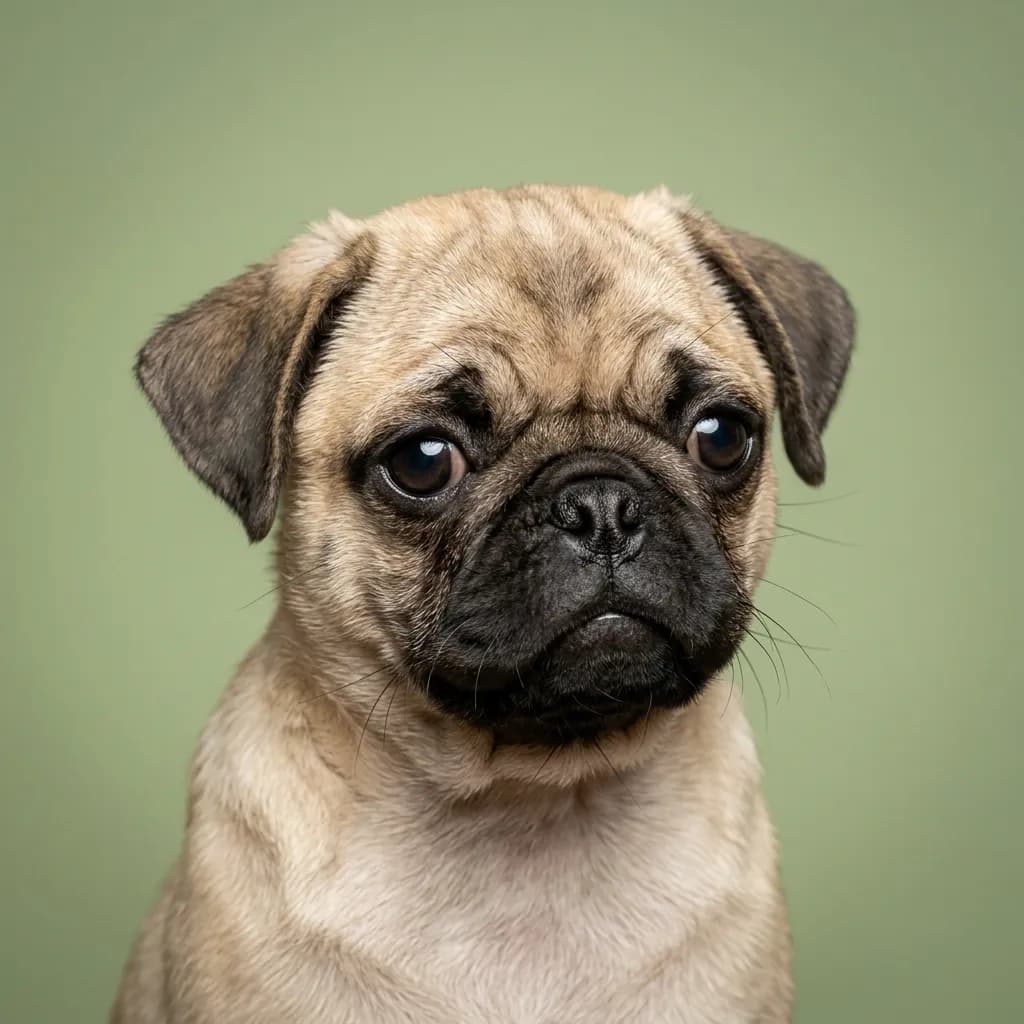
What Training a Pug Is Actually Like
Training a Pug is like working with a clever toddler who’d rather nap on your lap than follow instructions. They’re in the bottom third for obedience intelligence, needing 40 to 80 repetitions to learn a new command, and they’ll only respond the first time about 30% of the time. But here’s the thing—they’re not stubborn because they don’t want to please you. They’re easily distracted, sometimes lazy, and very sensitive to tone. Yell or rush them and they’ll shut down or walk away. They were bred to be companions, not workers, so their motivation leans toward comfort and affection, not achievement. You’ll need patience, consistency, and a sense of humor. The good news? They love attention and food in tiny amounts, so positive reinforcement works better than any other method. Just keep sessions short and sweet.
Training Timeline
Start training the day you bring your Pug home at 8 weeks. Their socialization window closes fast—by 12 weeks—so expose them to sounds, people, surfaces, and other dogs early, using only positive experiences. Between 3 and 4 months, focus on name recognition, sit, and loose-leash walking. Housetraining begins immediately, but expect slow progress due to their small bladders; most don’t fully grasp it until 6 to 8 months. At 6 months, they hit social maturity, but adolescence kicks in around 4 months and lasts until 10, so expect testing of boundaries. The second fear period hits between 24 and 28 weeks—don’t force new experiences during this time. Keep training calm and predictable. By 10 months, most Pugs settle into a routine, and if you’ve been consistent, they’ll reliably respond to basic cues in low-distraction environments.
Breed-Specific Challenges
First, housetraining. It’s the #1 complaint among Pug owners. Their tiny bladders mean they need to go every 2 to 3 hours, even as adults, and they won’t always signal it. Crate training is essential, but even then, expect accidents until they’re nearly a year old. Second, distractibility. Pugs notice everything—their own shadow, a passing bird, the sound of a treat bag—and can lose focus mid-command. Third, sensitivity. Harsh corrections or loud voices make them withdraw, which kills progress. And fourth, their brachycephalic anatomy means they overheat fast, so outdoor training sessions in warm weather are limited. You can’t push them like a Border Collie. Respect their physical limits.
What Works Best
Keep sessions to 3 to 5 minutes, multiple times a day. Their attention span is short, and their energy is moderate. Use tiny treat pieces—pea-sized—so they don’t fill up. Praise loudly and warmly; Pugs thrive on affection. Clicker training can work well if introduced gently. Focus on one command at a time and repeat often. Because they learn slowly, consistency across all family members is non-negotiable. Practice commands in low-distraction areas first, then gradually add challenges. And always end on a success—don’t quit after a failed recall. Instead, go back to “sit” or “touch” and reward heavily. They’re not going to win obedience trials, but with patience, they’ll be well-mannered, responsive companions who look you in the face and beg for another treat.
Crate Training Your Pug
A Pug needs a 22-inch crate, no bigger. Even as a puppy, you don’t need a massive one; they’re small dogs, with adults averaging just 16 pounds. A divider is unnecessary unless your puppy is particularly tiny at first, but most go straight into the 22-inch size and stay comfortable. Bigger crates can actually make them feel exposed and insecure, and Pugs thrive on coziness.
Crate acceptance usually goes smoothly with Pugs. They’re charming and eager to please, scoring a solid 4/5 on trainability. But don’t mistake that for instant cooperation. Their mischievous side means they might test boundaries, especially if the crate feels like isolation. Introduce it slowly, with treats and praise, and keep sessions short—3 to 5 minutes at first. They’re not high-energy, but they’re not lazy lumps either. They like to sniff, nudge things, and charm you into letting them out. Patience is key, especially during housetraining, which can take longer than average with Pugs—sometimes up to six months.
Most Pugs can handle being crated for up to 3 hours at a time by adulthood, but never push it. Their separation tolerance is moderate. They bond closely and can whine or bark if left too long. Never use the crate as punishment; their loving nature means they’ll associate it with stress instead of safety.
One quirk: Pugs love to chew. They’ll mouth crate pads or fabric covers, especially as puppies. Use chew-proof, washable pads and avoid anything with loose threads. Also, they might dig lightly at the bedding—it’s not anxiety, just habit—so keep it minimal and tidy.
Keep the crate in a quiet but social part of the house. They want to be near you. And don’t skip consistency. A Pug will out-charm a weak routine, so stick to your plan. They’ll thank you with snorts and cuddles.
Potty Training Your Pug
Pugs are small dogs with tiny bladders, so their size absolutely matters when potty training. At around 16 pounds, they can’t hold it nearly as long as bigger breeds. Puppies especially need to go out every 2 to 3 hours, including overnight. Expect to wake up for at least one middle-of-the-night trip until they’re about 4 to 5 months old. Their small stature means accidents are more frequent early on, not because they’re stubborn but because they physically can’t wait.
Pugs are rated a 4 out of 5 for trainability, but don’t let that fool you. They’re in Coren’s Tier 5, which means they’re on the slower side when it comes to learning commands and routines. They’re charming and loving, sure, but also delightfully mischievous. They’ll look you in the eye and pee behind the couch if they think they can get away with it. They want to please, but their independence and short attention spans mean consistency is non-negotiable. You’ll need to repeat the routine 40 to 80 times before it really sticks, so patience isn’t just a virtue—it’s required.
A realistic timeline for a Pug to be reliably house-trained is 6 to 8 months. Some get it sooner, but don’t count on it. Crate training helps a ton because Pugs do best with structure. Without it, they’ll find sneaky indoor spots—under the coffee table, behind the laundry basket—where they think the scent won’t be found.
Rewards? Food. Always food. Pugs are greedy little gluttons, and that works in your favor. Use small, high-value treats like tiny pieces of boiled chicken or commercial training treats the second they go outside. Pair that with big praise and a quick play session, and they’ll start making the connection faster. Just don’t skip the timing—reward within 5 seconds, every time.
Leash Training Your Pug
Pugs are little charmers with a stubborn streak, and while they’re eager to please, their mischievous side shows up fast on leash. You’re not training a border collie here. They were bred to sit on a silk cushion in an emperor’s lap, not work for a living, so don’t expect perfect heel work out of the gate. That said, their 4/5 trainability means they’ll catch on fast if you keep it fun and consistent.
Start with a soft, well-fitted harness—front-clip is ideal. Pugs have short muzzles and delicate tracheas, and even a light jerk on a collar can cause breathing issues. Their 16-pound frame doesn’t need much pressure to yank off balance, so a front-clip harness gives you gentle steering without strain. Avoid retractable leashes. They encourage pulling, and a pug’s low-to-the-ground perspective means they’ll zig when you don’t expect it.
Energy is moderate—3/5—so walks are more about social enrichment than cardio. But don’t underestimate their prey drive. That squirrel across the street? Yep, they’ll lunge. It’s not high like a sighthound’s, but it’s there, and their stubbornness amplifies it. The most common leash issues are pulling toward distractions (food, people, other dogs) and sudden stops to sniff or just because they’re done. That “emperor’s companion” mentality means they expect life to revolve around their comfort. If they don’t feel like walking, they won’t.
Good leash behavior for a pug isn’t military precision. It’s loose-leash walking with occasional check-ins, minimal tugging, and responding to redirects. Use treats and praise every few steps early on—short attention span, big love for snacks. Keep sessions under 10 minutes and practice in low-distraction areas first. They’ll never be the dog that trots politely for miles, but they can learn to walk beside you without drama. And honestly, that’s enough.
“I just wish someone would tell me what to do and when to do it.”
Not generic puppy tips. Not a video course you’ll never finish. Just one email a week telling you exactly what to work on with your Pug, at the age they are right now. Nothing to sift through. Nothing to figure out. Just this week.
Get Started — It’s FreeTell us your breed and your puppy’s age. We’ll send you exactly what to work on this week.
Socializing Your Pug
Pugs have a narrow window for proper socialization, and you’ve got to move fast. Their critical period runs from weeks 3 to 12, which directly overlaps with their first fear period at 8 to 11 weeks. That means the exact time you’re supposed to be introducing new experiences is when they’re most vulnerable to lasting negative impressions. Go too slow and you miss the window; go too loud or too fast and you risk creating a skittish adult dog. It’s a tightrope walk, but non-negotiable.
Because Pugs were bred for centuries as companion dogs to royalty, they’re hardwired to bond closely with people and thrive on attention. But that doesn’t mean they’re naturally confident. They’re prone to being wary of loud noises, sudden movements, and unfamiliar dogs—especially larger ones. You’ll need to expose them carefully to vacuum cleaners, kids yelling, skateboards, and leashed encounters with other breeds. Not because they’re aggressive, but because their default reaction when unsure is to freeze or retreat. Early, positive exposure turns uncertainty into tolerance.
A common mistake with Pugs is assuming their small size means they don’t need rigorous socialization. Owners carry them through life, avoiding dirt or rough play, and end up with a dog that’s overly dependent and easily stressed outside the living room. Let them meet kids, walk on different surfaces, hear crowds, and see bicycles—even if it’s from a safe distance at first.
Skip this work and by six months, when they’re socially mature, you’ll have a Pug that trembles at the vet, hides from visitors, or reacts poorly to excitement. Their charming, loving nature gets buried under anxiety. Do it right, and you’ll have a mischievous little companion who’s bold enough to own the room but still curled up in your lap by bedtime.