Training Your Pyrenean Mastiff
Rare breeds with varied backgrounds. Approach based on breed's country of origin and original purpose.
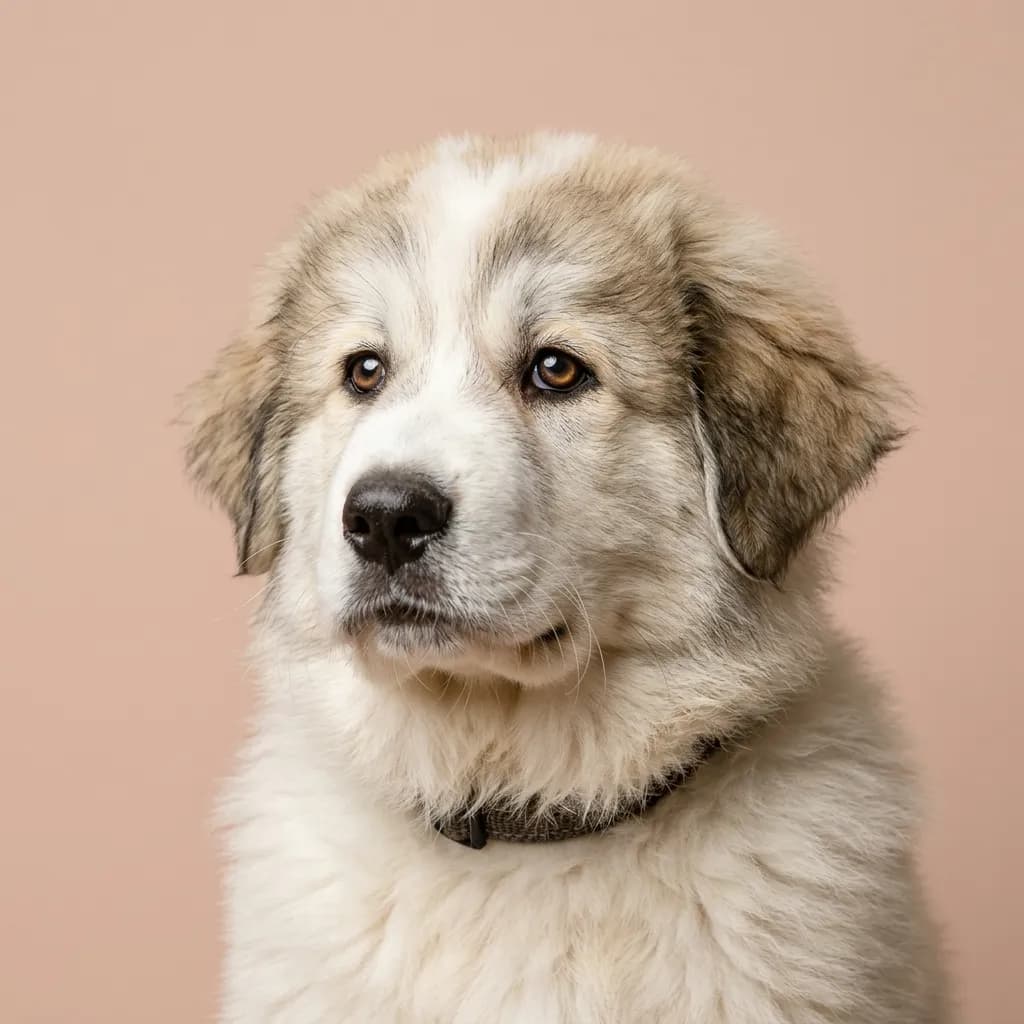
What Training a Pyrenean Mastiff Is Actually Like
Training a Pyrenean Mastiff is less about teaching tricks and more about guiding a thoughtful, independent guardian. These dogs are not eager-to-please like a Labrador or Border Collie. With a Coren intelligence ranking in Tier 6, they learn new commands in 80 to 100 repetitions and obey the first command only about 25% of the time. That’s not stubbornness for the sake of it; it’s a byproduct of their job. Bred for centuries to guard flocks in remote Spanish mountain passes, they had to make decisions without human input. That independence means they’ll assess a command before following it—not out of defiance, but because their instincts tell them to evaluate. You need consistency, not force. They respond best to calm, confident leadership and routines that respect their natural rhythms. They’re gentle with families and deeply loyal, but they won’t jump through hoops just to please you. Make training meaningful, and they’ll engage.
Training Timeline
Start at 8 weeks. The socialization window closes by 12 weeks, so expose your puppy to different people, surfaces, and sounds early. Prioritize calm exposure over forced interaction—these dogs are naturally reserved. By 6 months (24 weeks), watch for the second fear period between weeks 56 and 72. A sudden wariness of new things is normal. Back off intense training during this phase; focus on confidence building. Introduce basic commands like “stay” and “come,” but expect slow progress. Adolescence kicks in at 8 months and lasts until 24 months. This is when their size and independent streak collide. Leash training becomes critical—you can’t wrestle a 180-pound dog. Formal obedience should be ongoing but realistic. By 20 months, mental maturity begins to settle in. They won’t be quick learners, but they’ll be more attentive to your cues if training has been steady.
Breed-Specific Challenges
First, their independence means they’ll ignore commands if they don’t see the point. Don’t expect off-leash reliability in open areas—ever. Second, their size demands early management. By 6 months, they can outweigh most dogs, so loose-leash walking must start at 10 weeks. Third, their guarding instincts can tip into overprotectiveness without careful socialization. They’re not aggressive by nature, but they are vigilant. Unfamiliar dogs or sudden movements near their family may trigger a protective response. Finally, their low energy doesn’t mean low maintenance. They need mental structure. Without it, they may develop lazy guarding habits—barking at every shadow or becoming territorial indoors.
What Works Best
Use an adaptive mixed approach: positive reinforcement paired with clear boundaries. These dogs come from a working tradition where quiet competence was valued over flash. Keep sessions short—10 minutes at a time, 2-3 times a day. Their attention span matches their energy level: moderate. Use food rewards early on, but phase in praise and touch as secondary reinforcers by 6 months. They respond well to calm, consistent energy. Avoid repetition-heavy drills; they’ll tune out. Instead, embed training into daily routines—“sit” before meals, “wait” at gates. Train for reliability, not speed. And above all, respect their pace. They’ll mature at 20 months, but full confidence comes closer to 24. Push too hard, and they’ll withdraw. Work with their nature, and they’ll become the calm, noble guardian they were born to be.
Crate Training Your Pyrenean Mastiff
Crate training a Pyrenean Mastiff means thinking big from day one. These pups are giant, hitting 180 pounds on average, so you’ll need a 600 or 700 series crate right away. A divider isn’t practical here—puppies grow fast, and the space you think is “too big” at 12 weeks will be tight by 5 months. Better to start large and use management strategies like a smaller partitioned-off area with a playpen or gate instead of trying to adjust a divider that won’t hold up to their mass long-term.
Their low energy level—just 2 out of 5—works in your favor. Pyrenean Mastiffs are naturally calm, even as puppies, so they tend to settle into crates more easily than high-drive breeds. Their gentle, noble temperament means they’re not likely to fight the crate aggressively, but consistency is key. They’re not the quickest learners—trainability is a solid 3 out of 5—so your routine has to be clear and repeated daily.
Don’t push long crating. Even as adults, limit it to 4 hours at a time unless you’re overnight. They’re not prone to destructive barking in the crate, but they are sensitive to isolation. These dogs were bred to guard flocks alone, so they tolerate being apart from people better than most, but they still need social contact. Ignore that and you’ll come back to a bored giant who may have decided the crate pad is chewable.
Speaking of chewing—watch for puppy mouthiness. They’re not relentless chewers, but their size means even playful gnawing can destroy a thin pad or fabric crate cover. Use a heavy-duty rubber mat and avoid plush bedding until they’re past the teething phase.
Make the crate a quiet refuge, not a correction tool. These dogs respond best to calm, confident leadership. If you treat the crate like a safe place, they’ll take that cue and settle in without drama.
Potty Training Your Pyrenean Mastiff
Potty training a Pyrenean Mastiff is a test of patience and consistency, not surprise given their low-average trainability score and placement in Coren’s lowest tier for working intelligence. These dogs need 80 to 100 repetitions to grasp a basic command, and house-training is no different. Don’t expect progress in a few weeks. With this breed, a realistic timeline for reliable house-training is 6 to 9 months, sometimes longer. Their giant size—averaging 180 pounds—does mean they have a larger bladder capacity than small breeds, so they can technically hold it longer. But that doesn’t mean they will, especially as puppies who are still developing control. Missing cues or delaying potty breaks because “they’re big” is a mistake. Stick to a tight schedule every 2-3 hours, especially after eating, drinking, or waking up.
Pyrenean Mastiffs are gentle and noble by nature, but they’re not eager-to-please types like a Lab or Golden. They’re independent thinkers with a calm, sometimes stubborn streak. That means they won’t rush outside just to make you happy. They’ll go when they decide it’s necessary, unless you’ve built a strong routine and association. This isn’t a breed that gets distracted by squirrels in the yard, but they also don’t always respond quickly to corrections or praise. Consistency is everything.
Rewards work best when they’re high-value and immediate. Think small pieces of cooked chicken or cheese, not just kibble or a pat on the head. Pair the treat with calm, sincere praise—over-the-top excitement might unsettle their steady temperament. Crate training helps, but make sure the space is massive enough for their adult size while still discouraging elimination indoors.
Expect setbacks, especially during growth spurts or changes in routine. This breed thrives on predictability, so keep the schedule ironclad. Success comes not from speed, but from relentless routine.
Leash Training Your Pyrenean Mastiff
Leash training a Pyrenean Mastiff starts with respecting their size and history. At 180 pounds on average, these gentle giants aren’t built for speed or endurance, so expect a calm, deliberate walk rather than a brisk jog. Their energy level is low to moderate, which helps with leash manners—most won’t pull out of excitement or prey drive, since that’s not in their makeup. They were bred to patrol and guard flocks in the rugged Pyrenees, not chase or herd. That means they move with purpose, often stopping to assess their surroundings, which can look like stubbornness but is really vigilance.
Because of their sheer mass, a front-clip harness isn’t just helpful—it’s smart. A collar alone won’t give you control if they decide to plant their feet, and the leverage could strain their neck. A well-fitted, sturdy harness distributes pressure evenly and gives you steering ability without encouraging pulling. Look for wide chest straps and reinforced stitching; standard harnesses aren’t built for this weight class.
Common leash problems? Lagging, stopping mid-walk, or mild resistance when redirected. This isn’t defiance. It’s their guarding instinct kicking in—they feel responsible for monitoring their environment. They might freeze if they sense something unfamiliar, which is noble but awkward on a city sidewalk.
Trainability is moderate. They’re intelligent but independent, so consistency is key. Use positive reinforcement with clear cues, but be patient. They won’t jump through hoops for treats like a Border Collie, but they’ll respond to calm, confident leadership.
Realistic expectations? A good walk with a Pyrenean Mastiff means steady, loose-leash ambling at their pace. They’ll likely walk slightly behind or beside you, not forging ahead. Perfect heeling isn’t the goal. Safety, control, and mutual respect are. Keep sessions short, predictable, and always end on a calm note.
“I just wish someone would tell me what to do and when to do it.”
Not generic puppy tips. Not a video course you’ll never finish. Just one email a week telling you exactly what to work on with your Pyrenean Mastiff, at the age they are right now. Nothing to sift through. Nothing to figure out. Just this week.
Get Started — It’s FreeTell us your breed and your puppy’s age. We’ll send you exactly what to work on this week.
Socializing Your Pyrenean Mastiff
You’ve got a Pyrenean Mastiff, which means you’re raising a gentle giant built for guarding flocks in remote mountain terrain. That history shapes everything about their socialization needs. Their window is tight—weeks 3 to 12—and it directly overlaps with their first fear period from weeks 8 to 11. That’s critical. During those weeks, negative or overwhelming experiences can stick for life. You need controlled, positive exposure, not forced interactions. Let them observe first, then reward calm curiosity.
Because they were bred to be independent guardians, they’re naturally wary of strangers and unfamiliar situations. That’s the job. But that wariness can tip into problematic aloofness or suspicion without deliberate socialization. You need to expose them early and often to a wide range of people—men, women, children, people in hats or carrying bags—because their instinct is to assess newcomers as potential threats. The more variety they see before 12 weeks, the better they’ll handle novelty as adults.
Don’t skip novel sounds, surfaces, or environments either. These dogs mature slowly, at around 20 months, and their temperament solidifies early. Miss that window and you’ll be managing reactivity or over-guarding behaviors for years. A poorly socialized Pyrenean Mastiff isn’t just shy. At 180 pounds, their hesitation can turn into inappropriate lunging or barking at perceived intruders, even neighbors or delivery people.
A common mistake is assuming their calm nature means they’re “fine” without exposure. They might not react much as puppies, so owners think they’re set. But that stoic demeanor hides internal stress. Another error is flooding—bringing them to a crowded dog park at 10 weeks. That’s a disaster. Use low-pressure setups: a friend sitting quietly in the yard, another dog at a distance, a car door opening and closing without anyone getting out.
Get it right and you have a noble, confident guardian who’s steady around strangers but deeply loyal to his family. Skip it and you’ve got a giant with serious discernment issues—too wary to relax, too reactive to trust.