Training Your Pyrenean Shepherd
Thrives on structured tasks with clear goals. Responds to body language and subtle cues. Needs mental challenges to prevent herding behavior redirected at people/kids.
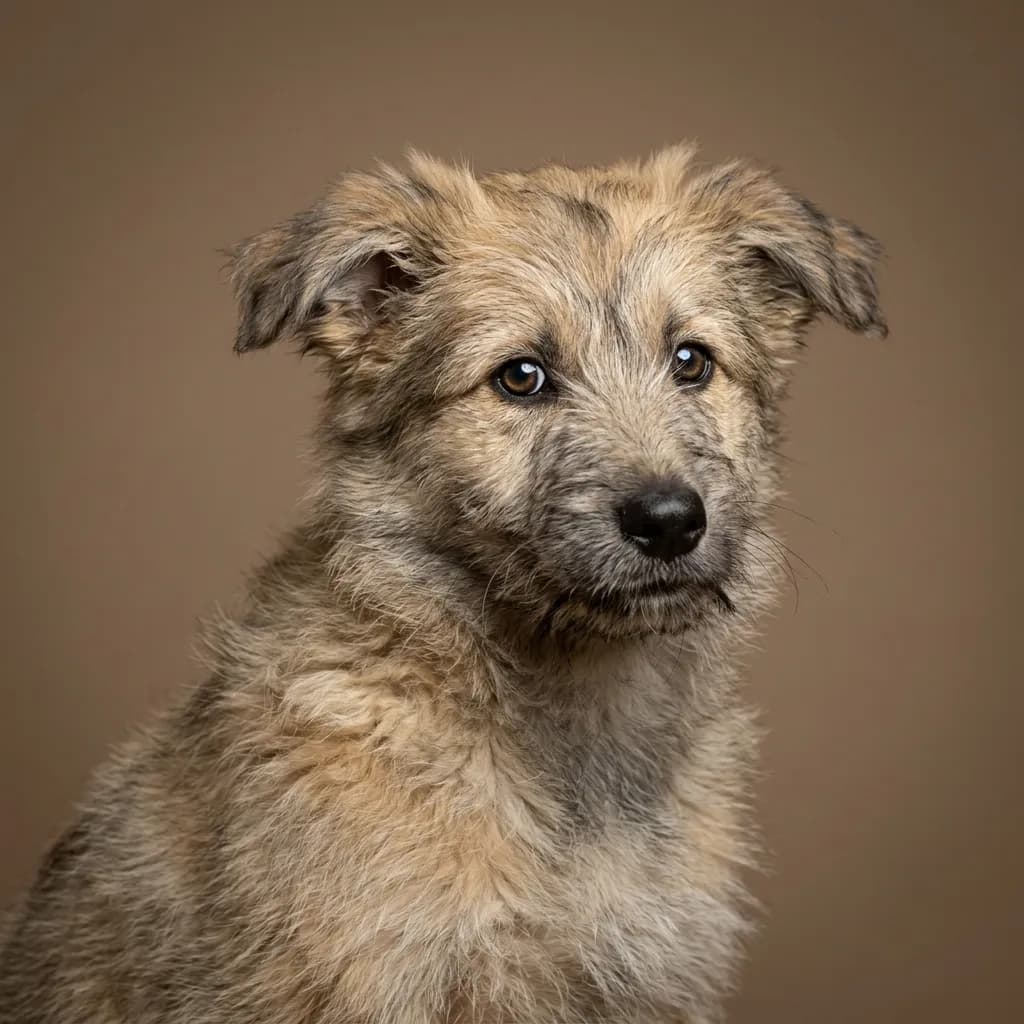
What Training a Pyrenean Shepherd Is Actually Like
Training a Pyrenean Shepherd is like partnering with a brilliant, hyper-focused coworker who’s always one step ahead but occasionally forgets to check in with you. These dogs are sharp—ranked Tier 2 by Coren for obedience, learning new commands in just 5 to 15 reps, and obeying first commands 85% of the time. But their intelligence isn’t passive. They need engagement that matches their intensity. Bred to make independent decisions while herding sheep across rugged terrain, they’re wired to assess, react, and act. This means they’ll excel when training feels like problem-solving and fall apart if it’s repetitive or unclear. They’re affectionate with their people and eager to please, but they demand mental stimulation. Without it, that herding instinct turns inward—nipping at kids, circling ankles, or developing obsessive behaviors. If you’re sedentary or new to dogs, this isn’t the breed for you. But if you’re active, experienced, and love a challenge, they’re incredibly rewarding.
Training Timeline
Start at 8 weeks. Their socialization window is narrow—weeks 3 to 12—so introduce them to at least 20 different stimuli (dogs, people, surfaces, sounds) before 12 weeks. Formal obedience can begin immediately, but keep it light. By 5 months, adolescence kicks in. This is when their energy peaks and their independence spikes. Stick to short, high-value sessions. Around 8 months, they hit social maturity, but don’t celebrate yet—week 32 to 40 brings a second fear period. New experiences may trigger anxiety, so avoid forcing introductions. Reinforce known skills instead. Between 9 and 14 months, push harder on structured tasks. This is when their trainability peaks, and they’re ready for dog sports like agility, treibball, or herding trials. By 14 months, most are mentally mature enough to handle complex sequences and off-leash reliability—if trained consistently.
Breed-Specific Challenges
First, their herding drive doesn’t switch off. Without an outlet, they’ll herd children, pets, or even vacuum cleaners. Management is non-negotiable in homes with small kids. Second, their sensitivity to movement and sound can lead to reactivity. A flapping jacket or a running squirrel can trigger a chase response that’s hard to interrupt. Third, their need for mental work is relentless. They’ll invent tasks if you don’t provide them—digging, barking, or escaping. Finally, their independence can look like defiance. They’re not stubborn; they’re assessing whether your command makes sense in the moment. This isn’t a breed that thrives on compulsion or force.
What Works Best
Go structured, not scattershot. Sessions should be 10–15 minutes, 3–4 times daily, with clear objectives—no vague “practice sit.” Use body language and subtle cues; they pick up on posture and eye movement faster than voice commands. Reward with play and enthusiastic verbal praise, not just treats. A flirt pole or ball after a flawless sequence reinforces cooperation better than kibble. Rotate tasks weekly. These dogs plateau fast if bored. Prioritize impulse control early—leave-it, wait, and focus work prevent reactivity. And above all, give them a job. Whether it’s advanced obedience chains, nosework, or actual herding, a Pyrenean Shepherd with a purpose is a happy, balanced dog.
Crate Training Your Pyrenean Shepherd
A Pyrenean Shepherd averages 22 pounds as an adult, so a 30-inch crate is plenty for most. If you’re starting with a puppy, get one with a divider—these dogs grow fast, and you’ll want to block off space early to prevent accidents and bad habits. But don’t over-restrict; they’re clever and will test boundaries if they feel confined too tightly.
Crates aren’t natural chill zones for this breed. They’re affectionate and enthusiastic, which means they’ll bond hard to you—and hate being separated. Their 5/5 energy and trainability make them quick to learn crate routines, but only if you frame it right. Use their precision-driven nature: make entry and exit a structured task with clear cues. “Crate” should be a command like any other, not a punishment. If it feels arbitrary, they’ll resist.
Because they’re so sharp and task-oriented, keep crate sessions varied. Rotate puzzle toys, hide treats inside on different days, or use the crate as part of a sequence in training games. Boredom is the enemy. They’ll chew pads, scratch at fabric, or bark if under-stimulated—especially adolescents. A tired Pyrenean Shepherd is more likely to settle, but “tired” means mentally worked, not just walked. Aim for 30-45 minutes max crated during the day until fully trained, and never push past an hour without a potty break and brain reset.
They’re not prone to destructive chewing of the crate bars themselves, but they will dismantle soft bedding if left with nothing to do. Use indestructible chew toys or frozen Kongs instead. And don’t expect them to nap quietly for hours just because they’re in the crate. They’ll likely watch you, whine softly, or tap the door when they’re done. That’s their cooperative nature—they want to be with you, doing something. So phase out crating early once house training and manners are solid. These dogs thrive on inclusion, not isolation.
Potty Training Your Pyrenean Shepherd
Pyrenean Shepherds are smart, active dogs with a medium build and an average weight of 22 pounds, which means their bladder capacity is decent but not huge. Puppies especially will need frequent potty breaks—every 1.5 to 2 hours during the day, and at least once overnight until they’re around 16 weeks. Their size doesn’t lead to the same indoor “hiding spots” issue you see in tiny breeds, but they’re quick and clever enough to sneak off to a quiet corner if they feel the need, so supervision is key.
These dogs are ranked in Coren’s Tier 2 for working intelligence, learning new commands in just 5 to 15 repetitions. That trainability is a huge asset, and most Pyrenean Shepherds are eager to please, though they can be independent thinkers when bored. That means consistency in routine and clear communication matter more than force. They respond best when training feels like a game or a job—they’re not the type to tolerate repetition without purpose.
With daily consistency, most Pyrenean Shepherds are reliably house-trained by 4 to 5 months. Some get it as early as 12 weeks if training starts at 8 weeks with a tight schedule. Crate training works well, provided it’s done positively, because they adapt quickly and dislike soiling their space.
One breed-specific challenge? Their enthusiasm. They get so excited about outdoor stimuli—squirrels, birds, wind in the grass—that they might forget to potty when outside. Keep potty trips focused. Use a leash, a consistent spot, and a short command like “go potty” to cue the behavior.
Rewards should be immediate and high-value, especially early on. Small bits of chicken or cheese work better than kibble. Praise matters too—this is a deeply affectionate breed that thrives on connection. Pair verbal praise with a treat every time, then fade the food reward gradually. They learn fast. Make it rewarding, make it clear, and you’ll have a reliably house-trained dog in under half a year.
Leash Training Your Pyrenean Shepherd
Leash training a Pyrenean Shepherd works best when you accept that you’re working with a 22-pound brain on turbo mode. These dogs were built to cover rugged mountain terrain all day, nipping at sheep heels and darting around flocks, so their natural instinct is to move fast and change direction on a dime. That means loose-leash walking isn’t going to come naturally. They’re not pulling like a sledding breed would, but they’re weaving, pivoting, and lunging at every squirrel-shaped leaf because their herding wiring treats every moving thing as potential stock.
A front-clip harness is your best friend here. It won’t stop their herding momentum completely, but it helps redirect them when they try to bolt sideways. Skip the standard collar—too easy for a dog this agile and strong to throw their weight and risk neck strain. The cooperative_precision training style fits perfectly. These dogs are eager to work with you, not for treats alone. Use clear cues, quick feedback, and reward precision, not just compliance.
Common issues? Spinning around you mid-walk, sudden U-turns, and intense focus on distant movement. That 5/5 energy and moderate prey drive mean they’ll spot a bird 100 yards away and forget your existence. You’re not aiming for a robot heel. Good leash behavior for a Pyrenean Shepherd means they check in frequently, respond quickly to direction changes, and stay engaged even when distractions hit.
Start in low-distraction areas, use changes in direction to teach focus, and reward parallel walking heavily. Build duration slowly—5 minutes of focused work is better than 20 minutes of chaos. By 6–8 months, with consistent training, most will walk politely on leash in familiar areas. Outside those zones? Expect setbacks. This breed’s brain is always scanning, always ready to act. Your job isn’t to extinguish that instinct but to channel it into partnership.
“I just wish someone would tell me what to do and when to do it.”
Not generic puppy tips. Not a video course you’ll never finish. Just one email a week telling you exactly what to work on with your Pyrenean Shepherd, at the age they are right now. Nothing to sift through. Nothing to figure out. Just this week.
Get Started — It’s FreeTell us your breed and your puppy’s age. We’ll send you exactly what to work on this week.
Socializing Your Pyrenean Shepherd
You’ve got a narrow window with a Pyrenean Shepherd—socialization hits hard between weeks 3 and 12, and right in the middle is their first fear period from weeks 8 to 11. That overlap is critical. Things they find scary during those weeks can stick. Introduce new experiences carefully, never force it, and always end on a positive note. A startled Pyrenean Shepherd puppy can shut down fast.
These dogs were bred to make independent decisions while herding sheep across rugged terrain, so they’re naturally suspicious of anything unfamiliar. That means they need more exposure to children, sudden movements, urban noise, bicycles, and strangers than your average pet dog. Kids especially—they’re loud, unpredictable, and move erratically, which can trigger the Pyrenean Shepherd’s instinct to control or avoid. Start early, keep it structured, and use space and distance to build confidence.
They’re also prone to wariness around unfamiliar dogs and animals. Don’t assume puppy classes are enough. Controlled, positive encounters with calm adult dogs, livestock, and different environments—like gravel lots, busy sidewalks, or hiking trails—should be part of the plan. Always monitor body language. If they stiffen or retreat, you’re too close or moving too fast.
A common mistake is treating them like a Golden Retriever in a long coat. They’re not universally friendly, and flooding them with too much too soon can backfire. Overexposure during the fear period leads to lasting anxiety or reactivity. Another mistake is stopping socialization at 12 weeks. While the foundation is laid early, consistency through 9 months—their maturity point—cements their adult temperament.
Skip proper socialization and you’ll end up with a dog that’s overly reactive to novelty, difficult to manage in public, or protective to the point of being unsafe. A well-socialized Pyrenean Shepherd is still alert and discerning, but they’re confident, adaptable, and able to focus on their handler even in chaos. That’s the goal.