Training Your Sealyham Terrier
Bred for tenacity and independence. Gets bored fast, needs variety. Responds to enthusiasm and play. Can be stubborn but not untrainable -- just needs the right motivation.
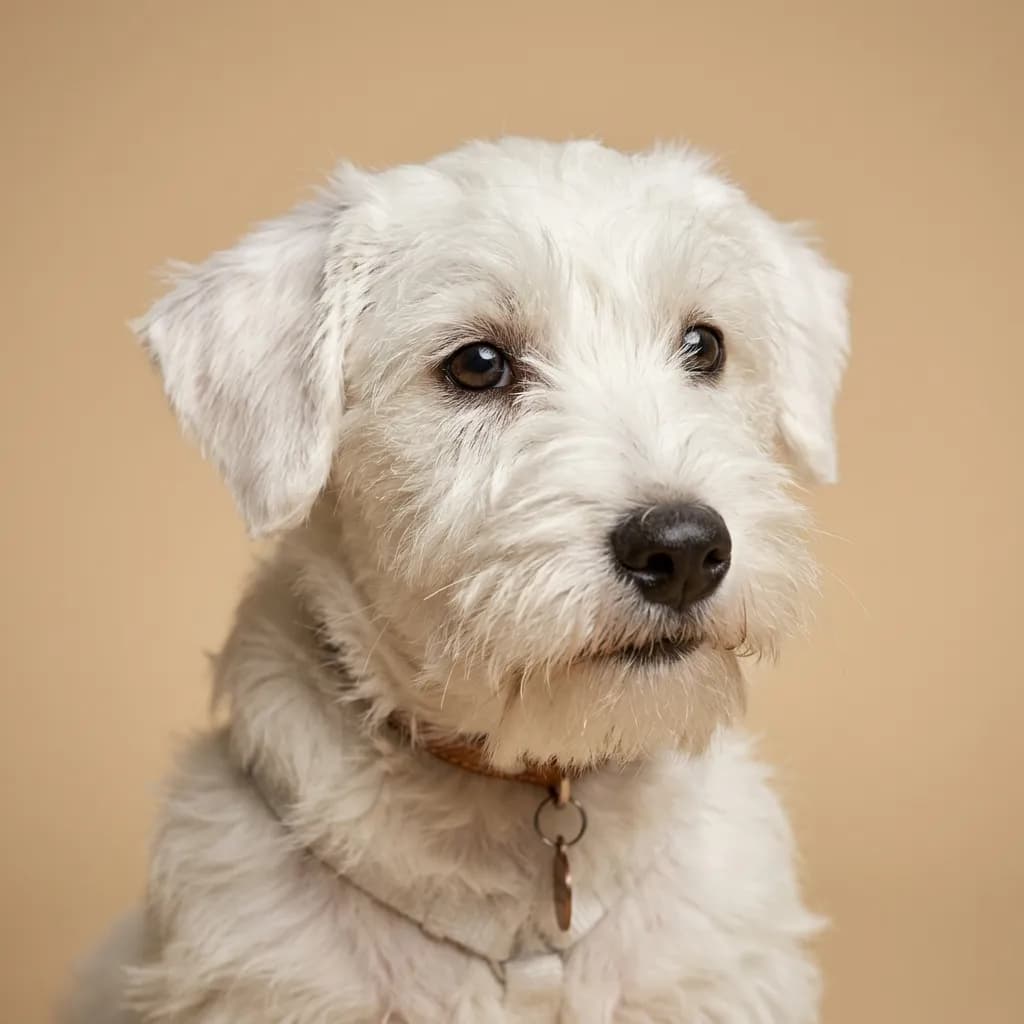
What Training a Sealyham Terrier Is Actually Like
Training a Sealyham Terrier is like working with a clever comedian who only pays attention when the script is funny. They’re in the “fair” tier of working intelligence by Stanley Coren’s ranking, meaning they learn a new command in 40 to 80 repetitions and obey the first command about 30% of the time. But that doesn’t mean they’re dumb. Far from it. They’re bred to make independent decisions underground, so they’ll often choose not to comply unless it makes sense to them. They’re alert, playful, and full of personality, which can be charming or frustrating depending on your patience level. They don’t respond well to repetition or stern tones. Instead, they thrive on enthusiasm, humor, and quick wins. Training sessions should feel like games, not drills. Their mental stimulation needs are high — don’t underestimate that — but their energy level is moderate. So you’re not battling a whirlwind, but you are competing with a very opinionated brain.
Training Timeline
Start at 8 weeks: that’s within their critical socialization window (3–12 weeks). Expose them to different people, surfaces, sounds, and safe dog interactions daily. Use high-value treats like chicken or cheese to build positive associations. By 12 weeks, they should be comfortable with collars, leashes, and basic handling. Around 5 months, adolescence kicks in. You’ll see testing behaviors — ignoring recalls, chewing, barking. This lasts until 14 months. At 8 months, start formal obedience but keep it playful. The second fear period hits between 32–40 weeks — around 8 to 10 months — so avoid forcing new experiences. Go slow, use encouragement, and never punish fear. By 9 months, they’re mentally mature enough to understand consistency, but they’ll still push limits. Stick to routines, reinforce known cues, and keep training engaging. By 14 months, most have settled into reliable behavior if trained with consistency and positivity.
Breed-Specific Challenges
First, their independence. Bred to work alone underground, they don’t default to looking at you for direction. You’ll need to earn their attention, not assume it. Second, their tenacity. Once they fixate on a squirrel or a scent, recall becomes a negotiation, not a command. Start recall training early with high-value rewards and practice in low-distraction areas. Third, boredom. They learn slowly by repetition standards, but not because they’re dull — they just shut down if things get stale. Do the same drill three days in a row and they’ll pretend they’ve forgotten everything. And fourth, same-species aggression. Some Sealyhams don’t play well with other dogs, especially same-sex pairs. Early socialization helps, but don’t expect them to be dog park regulars.
What Works Best
Short, loud, and silly wins every time. Sessions should last 2 to 5 minutes — no more. Use high-energy praise, squeaky toys, and tug games as rewards alongside high-value treats like freeze-dried liver. They respond poorly to food-only rewards unless the treat is truly special. Mix commands with play: ask for a “sit” before throwing a toy, or a “down” before starting a chase game. Use variety — train in different rooms, in the yard, on sidewalks — to maintain interest. Avoid repetitive drills. If they’re not responding, switch tasks or end the session. They need mental stimulation daily, so incorporate puzzle toys, scent games, and trick training. Keep your tone upbeat and your expectations realistic. They won’t be obedience champions, but they can learn reliably with the right approach: fast, fun, and full of personality.
Crate Training Your Sealyham Terrier
A Sealyham Terrier needs a 24- to 30-inch crate, depending on whether you’re raising a puppy or full-grown adult. Since they average 24 pounds and stop growing around 10–12 months, use a divider with a larger crate to avoid potty accidents in a space that’s too big. But don’t overthink it—Sealyhams are compact and don’t need huge rooms to turn around in. A well-fitted crate keeps them secure without feeling lost.
These dogs are alert and outgoing, so crate training can go either way: some take to it fast, others treat it like a challenge to beat. They don’t have off-the-charts energy, but their 3/5 rating means they’re busy when awake. Pair that with a strong sense of humor and a mischievous streak, and you’ve got a dog who might mock-cry or bark just to see if you’ll react. Keep sessions short—2 to 5 minutes max—and high energy. Toss a treat in, praise big, and pull them out before they get bored. Rotate toys like a puzzle feeder or a chew bone to keep the crate feeling like a game.
Sealyhams settle better than many terriers but don’t expect them to nap for hours the first week. At 8–10 weeks, limit crating to 30–45 minutes; by 6 months, they can handle 3–4 hours during the day. They’re moderately tolerant of alone time, but their outgoing nature means they’d rather be with you. Crate only when necessary—don’t use it as a long-term management tool.
Watch for chewing on crate pads. These dogs love to mouth things, so skip plush bedding early on. Use a durable mat or nothing at all. Some will dig at the floor initially, so tire them out with a quick game of fetch first. And never scold them inside the crate—this breed holds grudges. Make it fun, keep it fast, and they’ll think it’s their secret clubhouse.
Potty Training Your Sealyham Terrier
Sealyham Terriers are medium-sized dogs at about 24 pounds on average, which gives them a decent bladder capacity for their build. That means they’re not as high-maintenance as tiny breeds that need near-constant trips outside, but they still won’t hold it for more than 4-5 hours as puppies. You can expect a realistic potty training timeline of 4 to 6 months, maybe a bit longer. These dogs are rated 4 out of 5 for trainability, but don’t mistake that for eagerness. They’re in Coren’s Tier 5, meaning they’re on the slower side when it comes to learning commands—often needing 40 to 80 repetitions to really solidify a behavior. So consistency is non-negotiable.
They’re alert and outgoing, which helps, but they’ve got that terrier independence. They’re not desperate to please you like a Border Collie would be. That means you’ve got to make potty training worth their while. They respond best to positive reinforcement, but don’t overdo the praise—keep it calm and matter-of-fact. A cheerful “good job” followed by a small, high-value treat works better than an excited party. They’ve got a sense of humor and can turn training into a game if you let them, so stay firm and stick to a routine.
One breed-specific challenge? They’re clever and can find sneaky indoor spots to go if they’re not supervised closely. Crate training helps a lot—don’t leave them roaming unsupervised until they’re solid. Also, their alert nature means they might get distracted outside by birds or squirrels, so keep potty trips focused and short. Don’t let them treat the yard like a playground first.
Stick to a strict schedule, reward right after they go, and expect some setbacks around the 4- to 5-month mark when they test boundaries. With patience and structure, most Sealyhams are reliably house-trained by 7 months.
Leash Training Your Sealyham Terrier
Sealyham Terriers are small but stout, averaging around 24 pounds with a surprising amount of muscle packed into that compact frame. They were bred to go to ground after badger, fox, and otter in the Welsh countryside, which means they’re tenacious, independent, and built for digging into tight spaces. That history matters on the leash. You’re not dealing with a brawler like a mastiff, but you’re also not dealing with a passive lapdog. A front-clip harness works better than a collar here—protects their short neck and gives you control when that prey drive kicks in. They don’t pull like a malamute, but they will lunge suddenly if they catch a squirrel or rabbit scent, and their 3/5 energy means they’re game for daily walks without needing hours of intense exercise.
Their biggest leash problems? Sudden bursts of effort toward small animals and a stubborn streak when they decide something’s worth investigating. They’re alert and outgoing, which means they notice everything, and their sense of humor sometimes shows up as deliberate misbehavior—like darting off just to see you scramble. They weren’t bred to heel; they were bred to work independently, so expect some forward momentum and occasional ignoring of commands when scenting feels more important.
Good leash behavior for a Sealyham isn’t military precision. It’s loose-leash walking with brief pauses to sniff, returning when called most of the time, and not dragging you into the brush after a field mouse. Use short, high-energy training sessions—5 to 10 minutes—to keep them engaged. They’re smart (trainability 4/5) and respond well to consistency, but they’ll tune out long lectures. Keep it fun, keep it quick, and always end on a win. They’ll never be the dog that trots politely at your side for miles, but they can learn to walk nicely with realistic expectations. That’s the Sealyham way.
“I just wish someone would tell me what to do and when to do it.”
Not generic puppy tips. Not a video course you’ll never finish. Just one email a week telling you exactly what to work on with your Sealyham Terrier, at the age they are right now. Nothing to sift through. Nothing to figure out. Just this week.
Get Started — It’s FreeTell us your breed and your puppy’s age. We’ll send you exactly what to work on this week.
Socializing Your Sealyham Terrier
Sealyham Terriers are alert and outgoing, but their early development requires careful handling. Their socialization window from weeks 3 to 12 hits right alongside their first fear period at 8 to 11 weeks, which is a tight and critical window. Because Sealyhams were bred to work independently underground, they can be naturally wary of unfamiliar things, including people, dogs, and sudden noises. That wariness, combined with a sensitive fear period, means one bad experience during those weeks can stick with them for life.
They need more exposure to strangers, delivery people, other dogs, and everyday urban noise—things they didn’t encounter in their original role hunting badgers in rural Wales. Without early, positive contact, they’ll default to suspicion rather than curiosity. A common mistake is thinking their small size means they’re naturally sociable or that they’ll “grow into” friendliness. They won’t. Another misstep is overwhelming them during the fear period; forcing interaction backfires. The key is controlled, gentle exposure—let them approach on their own terms.
If you skip or rush socialization, you don’t just get a reserved dog. You get a dog that’s quick to bark, slow to trust, and potentially reactive in everyday situations. Their sense of humor and playfulness gets buried under vigilance. By 9 months, when they’re emotionally mature, those patterns are set. But do it right, and you get the full package: a confident, funny, bold little companion who engages with the world instead of guarding against it. Early, patient socialization doesn’t soften their spirit—it frees it.