Training Your Sloughi
Independent thinkers bred to work ahead of handlers. Scent hounds follow their nose; sight hounds follow movement. Requires patience and high-value rewards.
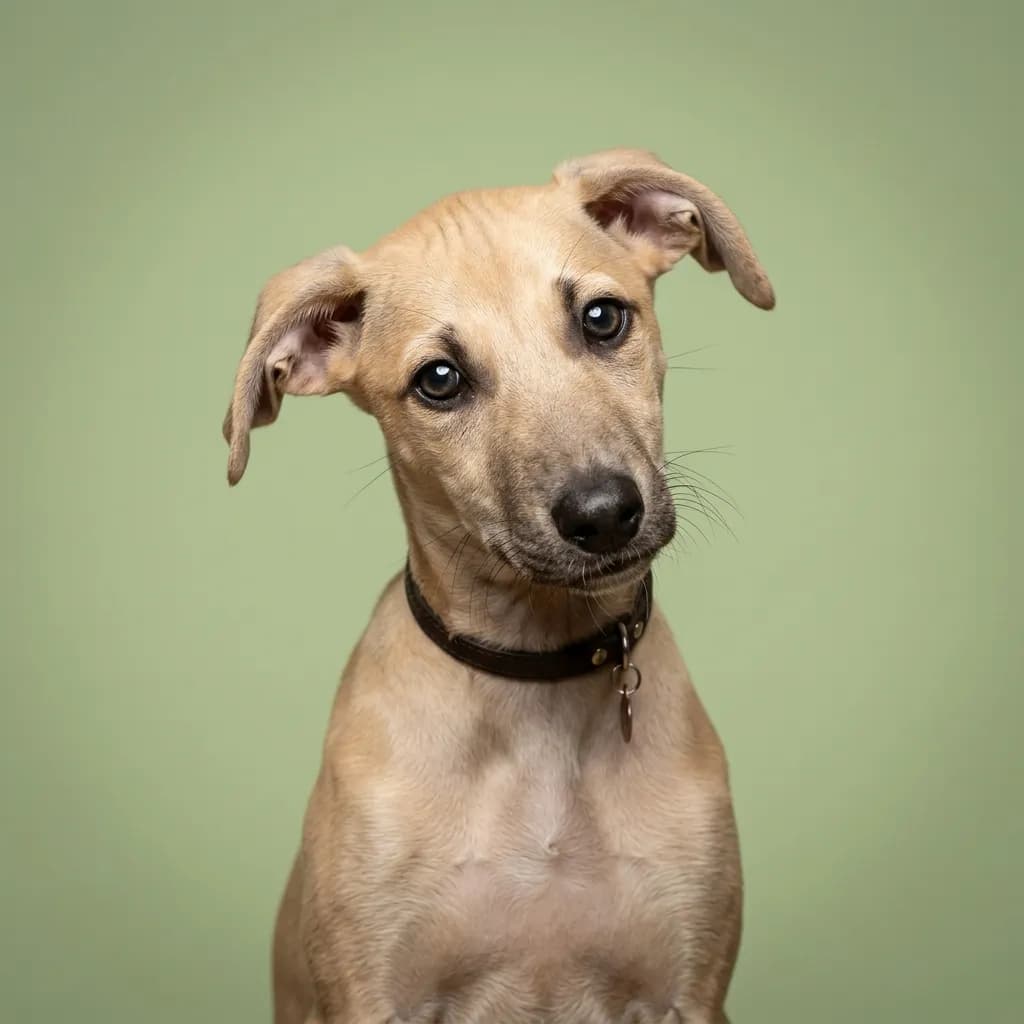
What Training a Sloughi Is Actually Like
Training a Sloughi isn’t about dominance or repetition drills. It’s about collaboration with a deeply sensitive, independent thinker who was bred to make split-second decisions miles ahead of you across the desert. They’re not stubborn in the way a terrier is; they’re deliberate. Ranked in Coren’s Tier 4, they learn a new command in 25 to 40 repetitions and obey the first command about half the time. That’s not a failure on your part. That’s the reality of working with a sighthound built for speed and survival, not obedience rings. They respond best to quiet consistency, not force. Push too hard and they shut down. Move too slowly and they lose interest. Their reserved nature means they won’t fawn over praise alone—food must be part of the equation. If you’re coming from a retriever or herding breed, adjust your expectations. This dog won’t live to please you. But earn their trust, and they’ll choose to work with you.
Training Timeline
Start at 8 weeks: socialization is non-negotiable. The window closes at 12 weeks, and Sloughis are naturally aloof. Expose them gently but widely—different people, surfaces, sounds—without overwhelming. Use high-value treats like freeze-dried liver to pair new experiences with reward. At 5 months, adolescence hits hard and lasts until 14 months. Energy peaks, focus dips. Keep sessions short but consistent. Around 8 months, you’ll see the first glimmers of emotional maturity, but don’t celebrate yet. At 32 to 40 weeks—right in the middle of adolescence—brace for the second fear period. Sudden spookiness at familiar things is common. Back off pressure, avoid forced interactions, and rebuild confidence with scent games and quiet exposure. By 9 months, they’re mentally more stable, but physical maturity lags. Continue reinforcing basics until 14 months, when most settle into a calmer, more responsive rhythm.
Breed-Specific Challenges
First, their prey drive is extreme. Bred to course gazelle, they’ll lock onto movement—squirrels, cats, even fluttering trash—and go. Recall training is life-or-death and must start early, but never rely on it off-leash outside a fence. Second, their sensitivity can backfire. Harsh tones, raised voices, or even tense body language shut them down fast. They’re not defiant—they’re distressed. Third, independence means they’ll often choose what to obey. A command might work one day and fail the next if something more interesting is happening. Finally, their reserve isn’t just shyness—it’s bred-in wariness. Poorly managed socialization leads to fear-based reactivity, not friendliness.
What Works Best
Keep sessions under 5 minutes. Their attention span is short, and their energy is high. Do three micro-sessions a day, not one long one. Use the highest-value food you can—real meat, cheese, tripe. Kibble won’t cut it. Incorporate scent work early: hide treats in grass, use snuffle mats, play “find it” games. It taps into their natural instincts and builds focus. Train off-leash only in fully enclosed areas—100% secure. Use a long line for recall practice. Positive reinforcement is the only effective method. Avoid corrections; they damage trust. Reward the split-second they make a good choice. And always, always end on a win. They won’t beg for your approval, but they’ll remember when you made it worth their while.
Crate Training Your Sloughi
A Sloughi needs a crate that’s large enough to stand up, turn around, and lie down comfortably, so a 36-inch crate is ideal even for adults. Since they grow quickly but stay lean, using a divider with a puppy helps prevent accidents and creates a den-like space, but you’ll likely need the full length by 6–7 months. Don’t go bigger just in case—too much space can encourage potty mistakes or anxiety.
Sloughis are graceful and reserved, not hyper or pushy, but that doesn’t mean they’ll settle into crate training easily. Their 4/5 energy level means they need a solid wind-down routine before crating. A short play or scent game session—think hiding treats in a snuffle mat near the crate—helps them burn energy mentally and builds positive association. Because they’re scent-patient learners, never rush this process. Pushing too fast leads to quiet resistance, not submission.
They won’t bark or chew destructively like some breeds, but they may quietly protest confinement if they feel ignored. This isn’t separation anxiety per se, but more about their noble, independent nature. They prefer to be near you, not boxed away. Keep crate sessions short at first—30 minutes max for adults during the day—because they don’t do well with long isolation. Overnight is fine once trained, and they’ll sleep peacefully.
Use extremely high-value treats like freeze-dried liver or sardines, especially when introducing new crate behaviors. And don’t skip scent games as enrichment—toss a treat in the back of the crate and let them hunt it. That taps into their natural instincts and makes the crate feel like a game, not a prison. Be patient. They’ll come around, but on their own dignified timeline.
Potty Training Your Sloughi
Sloughis are medium-sized dogs averaging around 42 pounds, so their bladder capacity develops faster than toy breeds but still requires patience. Puppies this size typically need to go out every 2-3 hours during the day, with nighttime control usually coming by 12-16 weeks. Because they mature physically and mentally at a moderate pace, you shouldn’t expect full reliability before 6 months, even with consistent effort.
Trainability in the Sloughi sits at a 3 out of 5. They’re not stubborn in the typical sense, but they’re independent thinkers with a reserved, noble demeanor. They won’t jump to please you the way a Golden Retriever might. This breed learns new tasks in 25 to 40 repetitions—right in line with Coren’s “Average” tier—so consistency is non-negotiable. They respond best to calm, patient guidance, not force or repetition-heavy drills. Harsh corrections shut them down; they need a quiet confidence from you.
One unique challenge is their sensitivity to weather and environment. Sloughis are sighthounds bred for warmth and open spaces. In cold or wet conditions, they may resist going outside, even holding it longer than is safe. You’ll need to establish a covered or sheltered potty area if you live somewhere with frequent rain or chill. Indoors, they’re clean by nature and rarely eliminate where they sleep, but because they’re observant and quiet, they might slip off to a secluded corner if not closely supervised.
Rewards work best when they’re immediate but understated. Skip the loud praise—opt for a quiet “good” and a small, high-value treat like freeze-dried liver. Over time, they’ll connect the behavior with your quiet approval. Crate training helps, but don’t over-crate; their elegance comes with a need for space and dignity. Stick to a schedule, minimize indoor accidents through supervision, and expect reliable house training by 7-8 months with steady effort.
Leash Training Your Sloughi
Leash training a Sloughi means working with a dog built for speed and silence, not obedience. This isn’t a breed that naturally heel like a Border Collie. Bred to spot, chase, and catch game across open desert, your Sloughi will default to scanning the horizon and bolting at the first squirrel-shaped blur. Their energy is high but bursts of sprint, not endurance, so expect sudden takes-offs rather than steady pulling. That said, they’re not typically strong pullers like a Husky. Their lean frame and noble gait mean force isn’t their game. Still, a standard collar risks trachea damage if they lunge, and given their size—around 42 pounds with long, thin necks—a well-fitted front-clip harness is the smarter choice. It gives you gentle steering without choking and suits their sensitivity.
Their trainability rating of 3/5 means they’ll learn, but on their terms. They’re not eager-to-please like a Golden, and the scent_patience method works best: let them investigate occasionally, but on cue. Deny all sniffing and you’ll lose their cooperation. The most common leash issues? Lagging behind, stopping dead mid-walk to scan, or fixating on distant movement. This isn’t defiance. It’s instinct. They were built to work independently, miles from human voices, so recall and focus are hard-earned.
Good leash behavior for a Sloughi isn’t tight-heeling. It’s loose-leash walking with minimal stops, turning to check in without constant prompting, and a solid recall when prey drive kicks in—though never assume it’s reliable off-leash in open areas. Train in fenced, low-distraction zones first. Expect progress, not perfection. They’ll never love the leash like a city dog, but with patience and respect for their nature, you can build trust that keeps them close.
“I just wish someone would tell me what to do and when to do it.”
Not generic puppy tips. Not a video course you’ll never finish. Just one email a week telling you exactly what to work on with your Sloughi, at the age they are right now. Nothing to sift through. Nothing to figure out. Just this week.
Get Started — It’s FreeTell us your breed and your puppy’s age. We’ll send you exactly what to work on this week.
Socializing Your Sloughi
You’ve got a narrow window with a Sloughi, and you need to move smart. Their socialization period runs weeks 3 to 12, which means that critical window starts before they even get to you. That first fear period at weeks 8 to 11? It overlaps directly with prime socialization time, so you can’t afford to freeze or pull back when they seem hesitant. These dogs are born with a pause button—reserved by nature, bred to assess before acting in the vast quiet of the North African desert. That means normal puppy boldness isn’t in their playbook. You need to flood them with calm, positive exposure exactly when they’re most likely to flinch.
Sloughis need way more exposure to novel stimuli than most breeds—especially sudden noises, umbrellas, bicycles, and anything that moves unpredictably. They were bred to spot and chase fast, erratic motion in open terrain, so a fluttering trash bag or a kid on a scooter can trigger that deep instinct if they haven’t seen it before. They’re also naturally wary of strangers, both people and dogs. That’s not aggression, it’s caution written into their DNA. You don’t fix that by forcing interactions. You fix it with repetition, distance, and zero pressure. Let them watch. Reward stillness.
A common mistake? Assuming their quiet demeanor means they’re fine. They shut down faster than they bark. Overwhelming them—crowding them with new people, dragging them to the dog park at 10 weeks—will backfire hard. You’ll get shutdown, not confidence.
Skip proper socialization and you won’t just have a shy dog. You’ll have a 9-month-old adult who freezes at a closing door, bolts at a flag on a pole, or misreads casual movement as threat. Their nobility becomes isolation. Get it right, and you’ve got a poised, observant companion who moves through the world with quiet assurance. Miss it, and you’re managing reactivity for life.