Training Your Slovensky Kopov
Rare breeds with varied backgrounds. Approach based on breed's country of origin and original purpose.
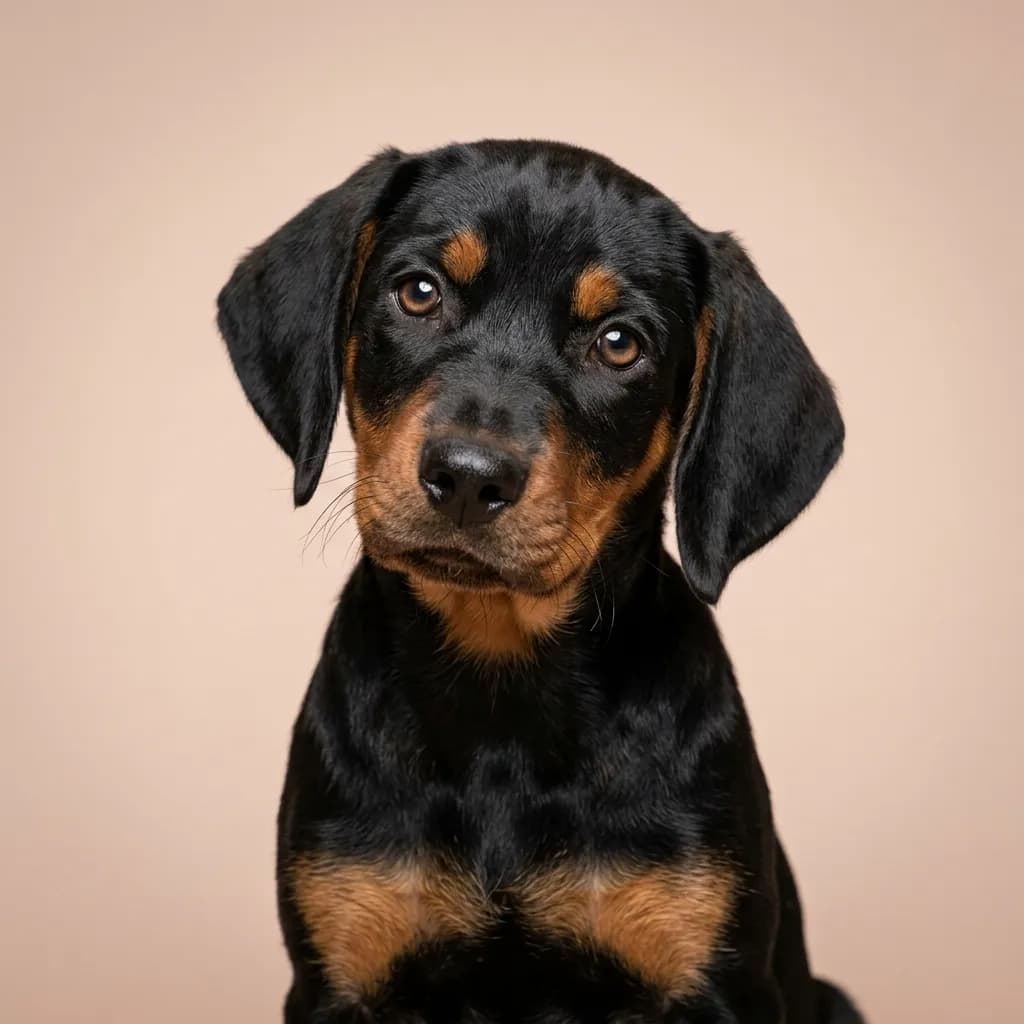
What Training a Slovensky Kopov Is Actually Like
Training a Slovensky Kopov is not for the faint of heart or those who want instant obedience. These dogs are sharp, independent thinkers with a strong nose and even stronger opinions. Bred to track wild boar solo through dense forests, they’re wired to make decisions on the move and stick to a scent no matter what. That means they’re smart—ranked in Coren’s Tier 3, learning new commands in 15 to 25 reps—but they’ll often choose whether or not to comply. First-command obedience hovers around 70%, so consistency and early structure are non-negotiable. They’re not stubborn in the typical sense; they’re just mission-focused. If your recall fails, it’s usually because their nose overruled your voice. These dogs thrive on mental work and purpose, so training isn’t optional. It’s survival for both of you. They’re alert and courageous, which makes them excellent watchdogs but also means they’ll bark at anything unusual. Expect a dog that’s deeply loyal but not always eager to please. You’re building a partnership, not issuing commands.
Training Timeline
Start at 8 weeks. The socialization window closes fast—by 12 weeks—so expose your Kopov to all kinds of people, surfaces, sounds, and animals immediately. Use positive reinforcement, but don’t overcoddle. They need to learn confidence, not dependence. Between 3 and 4 months, begin basic obedience: sit, stay, leash walking. Keep sessions short—5 minutes—and fun. At 5 months, adolescence hits hard. Energy dips but focus drops even more. This lasts until 14 months, so expect regression in recall and attention. The second fear period kicks in around 32 weeks. If your dog suddenly spooks at a mailbox or avoids stairs, don’t force it. Reintroduce calmly and reward bravery. House training takes longer than average—often until 7 to 9 months—due to their scent-driven distraction. By 9 months, mental maturity starts showing. You’ll see more consistency and better impulse control. Use this window to intensify off-leash work, but always in secure areas. Full reliability? Don’t count on it until 18 months, especially off-leash.
Breed-Specific Challenges
First, prey drive is extreme. These dogs were built to follow a trail through thick brush for hours. If they catch a deer or boar scent, recall is likely useless. Secure fencing—1.8 meters minimum, preferably higher and buried—is mandatory. Second, vocalization. They bay and bark when tracking, and that instinct doesn’t switch off at home. They’re not ideal for close neighbors or urban settings. Third, independence. They don’t look to you for constant approval like a Border Collie. That makes off-leash reliability a long-term project, not a six-week course. Finally, climate sensitivity. While they handle cold well, they overheat easily in heat and humidity. Train early in the morning or late in the evening in warmer months.
What Works Best
Use an adaptive mixed approach—combine structure with scent-based motivation. Sessions should be 10 minutes max until 6 months, then gradually extend as focus improves. These dogs respond best to variable rewards: sometimes food, sometimes play, sometimes a chance to track a short trail. Rotate them to keep things fresh. Leverage their scent drive in training—use hide-and-seek games or scent discrimination tasks to build focus. Positive reinforcement works, but avoid over-relying on treats. They respect fair leadership. Be consistent, calm, and firm. Train off-leash only in fully secured areas, and always after physical and mental warm-ups. Mental stimulation needs are high—4 out of 5—so puzzle toys, tracking drills, and nose work are not extras. They’re essentials.
Crate Training Your Slovensky Kopov
A Slovensky Kopov needs a 36-inch crate as an adult, but since they grow steadily to their 38-pound frame, start with a crate that size and use a divider for a puppy. Skipping the divider is a mistake—they’ll use the extra space to eliminate in one end and sleep in the other, which defeats the whole purpose. These dogs are smart and alert, so they pick up on routines quickly, which helps with trainability. But their determination means they won’t accept the crate if it feels like punishment. Introduce it with meals and treats inside, and don’t rush confinement.
They’re not high-energy like herding breeds, sitting at a moderate 3 out of 5, but their alertness works both ways. Some settle well once they accept the crate, while others test boundaries early on, especially if they’re not tired. A tired Kopov is a cooperative Kopov—so a solid walk or tracking game before crating helps immensely. Don’t expect more than 3 to 4 hours crated during the day for an adult, and never exceed 8 hours overnight. Puppies need even more frequent breaks—every 2 to 3 hours based on age.
One quirk: their tracking instinct can make them dig or paw at the crate floor, especially if they catch a scent nearby. Use a heavy-duty crate pad and avoid bulky bedding that encourages chewing. They’re not typically barkers, but if left crated too long, they’ll vocalize out of frustration. Keep sessions short at first and build duration gradually.
Use their trainability to your advantage—pair the crate with positive markers like a stuffed Kong or a chew. They respond better to consistency than force. And because they’re so alert, keep the crate in a busy part of the house at first, not isolated in a basement or garage. They need to feel part of the action, even while confined.
Potty Training Your Slovensky Kopov
The Slovensky Kopov is a medium-sized hound weighing around 38 pounds on average, so their bladder capacity is decent but not exceptional. Puppies will need to go out every 2–3 hours during the day, and you can’t expect them to make it through an entire workday until they’re at least 5–6 months old. Don’t rush it. Their size means they’re not prone to the chronic indoor accidents some tiny breeds have, but they still need structure.
This breed ranks 4 out of 5 for trainability and sits in Coren’s Tier 3, meaning they learn new commands in 15 to 25 repetitions. They’re intelligent and capable, but they’re not biddable like a Border Collie. They’re courageous, alert, and determined, which translates to independence. They’ll figure out the routine quickly, but they won’t jump just because you ask. Consistency is more effective than enthusiasm here.
You can expect a Slovensky Kopov to be reliably house-trained by 6–7 months with consistent effort. Some individuals pick it up faster, around 5 months, but don’t count on it. The biggest challenge isn’t housebreaking itself—it’s their nose. As scent hounds, they can get so distracted on outdoor potty trips that they forget why they’re outside. Keep potty breaks focused. Use a leash, go to the same spot, use a cue like “go potty,” and wait. Don’t turn the yard into a sniffing session the moment they step outside.
Rewards work best when they’re immediate and practical. Food treats are effective, especially small, high-value bits like freeze-dried liver, but don’t overdo it. These dogs respond well to quiet praise and routine—they like predictability more than gushing. A calm “good” followed by a treat or a quick play session with a favorite toy is enough. They’re not looking for a party. They’re just doing their job.
Leash Training Your Slovensky Kopov
A Slovensky Kopov is a medium-sized hound built for tracking game through dense forest, and that history shapes every step on the leash. At around 38 pounds, they’re not huge, but they’re strong and determined. A well-fitted, front-clip harness works better than a collar for most—this breed has a tendency to lean into scent, and when they catch a hot trail, they’ll pull with surprising force. The front-clip gives you more control without choking them, which matters because they were bred to follow scent relentlessly, not stay close to heel.
Their energy level is moderate—3 out of 5—but don’t mistake that for calm. They’re alert and focused, always scanning for movement or scent. That means distractions aren’t just squirrels; to them, every leaf rustle could mean prey. Prey drive is high, so expect sudden lunges if they catch wind of something. Early leash training has to include recall drills and loose-leash walking exercises in low-distraction areas before you take them into the woods or a busy trail.
Common leash problems? Pulling, stopping to sniff obsessively, and selective hearing. These aren’t defiance issues—they’re scent hound traits. The Kopov wasn’t bred to walk nicely by your side. He was bred to track wild boar for hours through rugged terrain. So “good” leash behavior for this breed isn’t perfect heel work. It’s being able to redirect him when he’s fixated, getting three to five minutes of loose-leash walking before a sniff break, and having him check in occasionally.
Use an adaptive approach—mix positive reinforcement with consistent boundaries. Reward focus, but don’t let them tow you down the street. They’re trainable—4 out of 5—but they need a handler who understands that scent work is their love language. Train often, keep it engaging, and respect that their nose will always lead a little.
“I just wish someone would tell me what to do and when to do it.”
Not generic puppy tips. Not a video course you’ll never finish. Just one email a week telling you exactly what to work on with your Slovensky Kopov, at the age they are right now. Nothing to sift through. Nothing to figure out. Just this week.
Get Started — It’s FreeTell us your breed and your puppy’s age. We’ll send you exactly what to work on this week.
Socializing Your Slovensky Kopov
The Slovensky Kopov’s socialization window from weeks 3 to 12 hits right when their first fear period, weeks 8 to 11, is in full swing. That overlap is critical. These pups are wired to be alert and cautious by nature, bred to track wild boar solo through dense forests, so anything unfamiliar could trigger suspicion instead of curiosity. You can’t just wing socialization during those weeks—you need a plan that’s consistent but never forced.
This breed needs heavy, positive exposure to a wide range of people, especially men and strangers in hats or bulky gear, since their guarding instincts and natural wariness can turn aloofness into outright distrust. They also need early sound conditioning—things like loud vehicles, thunder, sudden noises—because their acute scenting focus means they’ll lock onto a trail and ignore everything else, including your recall, if they’re spooked. Introduce new environments gradually, always pairing novelty with calm rewards.
They’re naturally wary of unfamiliar situations and slow to accept outsiders, both human and canine. That’s not aggression—it’s breed-purpose caution. The mistake most owners make is assuming their Kopov is “fine” because he’s not reacting. These dogs often shut down or freeze instead of lunging or barking. Pushing them too fast or flooding them with too much too soon backfires badly, especially during that 8- to 11-week fear window.
Skip proper socialization and you’ll end up with a 38-pound dog who’s frozen at the vet, lunges at umbrellas, or refuses to come when called because the park bench scared him at 10 weeks. By 9 months, when they’re mentally mature, those fears harden. Early, gentle, repetitive exposure builds a confident, courageous companion who uses that determination wisely instead of fearfully. Do it right and you’ve got a focused, rock-solid partner. Do it wrong and you’ve got a dog who’s always one strange sound away from panic.