Training Your Stabyhoun
Rare breeds with varied backgrounds. Approach based on breed's country of origin and original purpose.
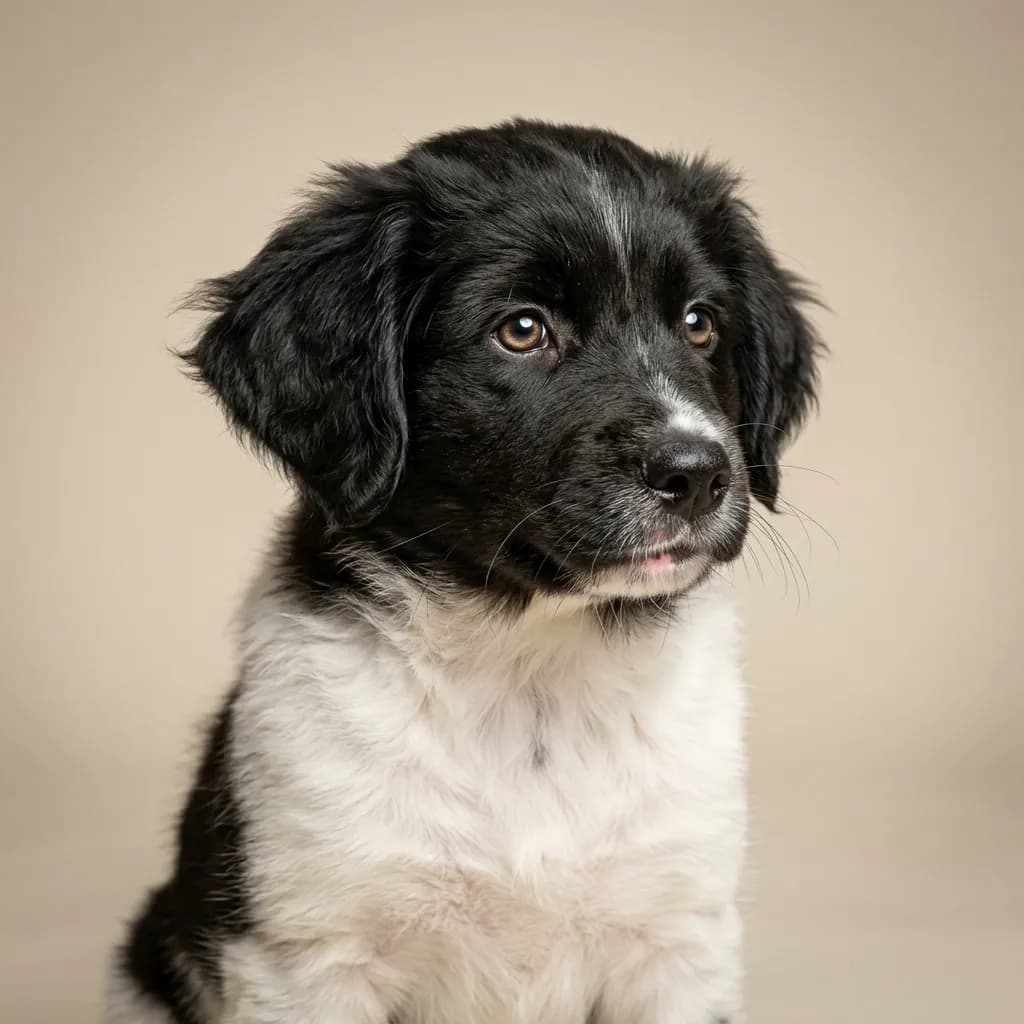
What Training a Stabyhoun Is Actually Like
Training a Stabyhoun feels like working with a thoughtful partner, not a robot. They’re intelligent—ranked in Coren’s Tier 2, meaning they pick up new commands in just 5 to 15 repetitions—and respond best when they understand the why behind the task. This isn’t a breed that thrives on rigid repetition. They’re eager to please and deeply bonded to their people, so harsh corrections backfire instantly. You’ll see 85% first-command obedience in everyday settings if you’ve built trust and consistency. But they’re sensitive. Push too hard and they shut down. They’re not flashy or hyper, but they’re far from lazy—rated 4/5 in energy and mental stimulation needs. If you don’t give them jobs, they’ll invent their own, usually involving quiet mischief like dismantling the trash can at 2 a.m. Expect them to outthink your training if you’re not one step ahead.
Training Timeline
Start at 8 weeks. Socialization is non-negotiable—expose them to all people, dogs, surfaces, and sounds between weeks 3 and 12. By 12 weeks, begin basic obedience: sit, stay, leash walking. They’ll grasp these fast—often in under 10 reps—but keep sessions short and positive. At 5 months, adolescence kicks in. You’ll see testing, selective hearing, and boundary pushing. This overlaps with the second fear period around weeks 32 to 40. A noise-sensitive dog might suddenly spook at umbrellas or bicycles. Go slow. Reintroduce scary things gently. From 6 to 9 months, layer in intermediate skills: recall in distraction, basic retrieve, heelwork. By 9 months, mental maturity begins to settle. They’re not fully grown, but decision-making improves. Continue steady training through 14 months—this is when their natural pointing and retrieving instincts start surfacing, especially if you’re in field environments.
Breed-Specific Challenges
First, their sensitivity. A raised voice or impatient gesture can derail weeks of progress. They’re not timid, but they notice tone shifts like a polygraph. Second, their independent thinking. Bred to work at a distance on Dutch farmland, they’re wired to assess and adapt, not just obey. This means they’ll skip a command if they think there’s a better solution—like retrieving the ball through the woods instead of coming back to you first. Third, their energy is moderate but persistent. They don’t need marathon runs, but they do need daily engagement—30 to 45 minutes of focused work or sport. Without it, they’ll develop nervous habits or become overly clingy. Finally, their rarity means fewer training resources. You can’t just copy-paste a Border Collie plan. They’re calmer than a Collie, less intense than a Spaniel, but need more mental challenge than a typical family pet.
What Works Best
Use an adaptive mixed methodology—start with positive reinforcement, but stay flexible. They respond well to praise, play, and food, but the best reward often depends on the day and context. A 5-minute session works better than 20 minutes. Keep it brisk, clear, and varied. Use their natural retrieving and pointing instincts as training tools. Introduce scent games, backyard agility, or dock diving early to meet mental stimulation needs. Train off-leash in safe areas by 7 months, but expect selective recall during adolescence. Stick with it—their responsiveness returns by 10 months if you’ve stayed consistent. Above all, be patient, kind, and one step ahead. Outthink the dog, not the breed.
Crate Training Your Stabyhoun
A Stabyhoun needs a crate that’s big enough to stand up, turn around, and stretch out comfortably, so aim for 36 inches for an adult. If you're starting with a puppy, a divider is essential—Stabyhouns grow steadily, reaching their full 45–60 lb frame by around 18 months, and a crate that’s too big can encourage potty accidents and poor habits. Keep the space confined to their current size and expand it gradually.
These dogs are intelligent and responsive, which makes crate training smoother than with many breeds. Their 5/5 trainability means they pick up routines fast, especially when positive reinforcement is involved. But don’t mistake their willingness for low energy—they’re 4/5 on the energy scale, so they won’t settle instantly after play. Expect some pacing or whining early on if they’re still wound up. Tire them out with a solid 30-45 minute walk or mental game before crating, and they’ll relax more readily.
Adult Stabyhouns can handle 6–8 hours in a crate if necessary, but only if they’ve had enough physical and mental exercise. Puppies shouldn’t be crated more than 3–4 hours at a stretch, even if they’re well-exercised. Their loving temperament means they prefer being near people, so extended crating without companionship can lead to mild separation anxiety over time.
One quirk to watch: their intelligence can turn into mischief. Some Stabyhoun puppies chew crate pads or fabric, especially if bored. Use durable, chew-proof bedding and avoid plush materials. Also, they’re not typically excessive barkers, but a bored or anxious one might vocalize to get your attention—don’t reinforce it by opening the crate mid-protest.
Make the crate a positive zone with frozen Kongs or scent games inside. Since they’re highly food-motivated, treat-based encouragement works better than scolding. And always keep the door open when possible so they can choose to use it as a den—most eventually do.
Potty Training Your Stabyhoun
Stabyhouns are medium-sized dogs at around 50 pounds on average, which means their bladder capacity develops faster than small breeds but still needs time. Puppies this size typically can’t fully hold it until about 6 months, so expect to stick close to a consistent schedule—every 2 to 3 hours during the day, plus right after meals, naps, and play sessions—until they mature. Their size also means fewer “hidden” indoor accidents compared to tiny breeds, but you’ll still need to watch for early signs like sniffing or circling.
Here’s where they shine: Stabyhouns are intelligent, responsive, and eager to please. With a trainability rating of 5 out of 5 and a Coren tier of 2, they learn new commands in just 5 to 15 repetitions. That same smarts applies to potty training—they pick up routines quickly and respond best to consistency and positive reinforcement. They’re not a stubborn or independent breed like some hunting dogs; they genuinely want to get it right. That said, they’re sensitive, so harsh corrections will backfire. Keep your tone upbeat and your timing sharp.
Most Stabyhoun puppies are reliably house-trained by 5 to 7 months, assuming consistent effort. The biggest challenge isn’t obedience—it’s managing their focus outdoors. While not scent-driven like hounds, they can get distracted by birds or squirrels, especially in a yard with activity. Keep potty trips short and purposeful at first. Use a specific command like “go potty” and stick with it.
Rewards? They respond best to praise paired with small, soft treats. A little affection and a quick “good job” go a long way with this loving breed. Over time, shift to intermittent rewards to build reliability without dependency. Keep it positive, stay consistent, and you’ll have a clean house in no time.
Leash Training Your Stabyhoun
A Stabyhoun is a 50-pound powerhouse of focus and feel, bred to work all day across open Frisian fields tracking, pointing, and retrieving game. That history shapes how they behave on leash. They’re intelligent and eager to please—trainability is a solid 5/5—but they’re also driven. That 4/5 energy means they’re always scanning, always ready to bolt after movement or scent, especially in early training. You’ll need consistency, not force.
For equipment, skip the standard collar. These dogs are strong through the chest and neck, and while they’re not known for harsh pulling like a sled breed, their retrieving instinct can make them surge forward when excited. A well-fitted front-clip harness works best; it gives you gentle control without choking and redirects their momentum. I like the Balance harness or similar—something that allows full range of motion but discourages charging.
Common leash problems? Anticipatory pulling when they spot wildlife, lagging when overwhelmed, and occasional stubborn stops when a scent is too good to ignore. That last one ties directly to their original work: they were bred to freeze and point, then follow game silently. On leash, that can look like resistance or distraction. Don’t mistake focus for disobedience.
Good leash behavior in a Stabyhoun isn’t robotic heeling. It’s loose-leash walking with periodic check-ins, the ability to shift from high drive to focus when cued, and steady pacing even when prey scents are in the air. Expect progress by 6 months with daily 10-minute sessions, but full reliability takes up to 18 months. Use a mix of positive reinforcement and clear boundaries—this breed thrives on partnership. They’re not pushy like a husky or nippy like a border collie, but they need a handler who’s equally attentive and consistent. Match their effort, and they’ll walk beside you like they were born to.
“I just wish someone would tell me what to do and when to do it.”
Not generic puppy tips. Not a video course you’ll never finish. Just one email a week telling you exactly what to work on with your Stabyhoun, at the age they are right now. Nothing to sift through. Nothing to figure out. Just this week.
Get Started — It’s FreeTell us your breed and your puppy’s age. We’ll send you exactly what to work on this week.
Socializing Your Stabyhoun
The Stabyhoun’s socialization window runs from weeks 3 to 12, which means you’ve got a tight window—especially since their first fear period hits between weeks 8 and 11. That overlap is critical. What they experience during those few weeks can set the tone for their entire lives. You can’t afford to wait. These dogs are intelligent and responsive, but that also means they remember negative or confusing experiences more vividly than some other breeds.
Stabyhouns were bred as versatile farm dogs in the Netherlands, expected to work independently yet stay deeply connected to their people. Because of this, they tend to be naturally reserved with strangers and can become overly cautious if not properly exposed. They need more consistent, positive exposure to new people—especially men, children, and strangers in hats or uniforms—than many other medium breeds. Their guardian instincts are low, but their sensitivity is high, so they’ll pick up on your tension. Stay calm and confident when introducing them to something new.
They’re also naturally wary of loud, sudden noises and fast movements—things like skateboards, vacuums, or bikes. That’s not unusual for a breed raised in quiet rural settings. Counter this by pairing those stimuli with treats and praise before they react. Go slow, but don’t avoid.
A common mistake is assuming their calm puppy demeanor means they’re “fine.” They might not react dramatically, but that doesn’t mean they’re processing things well. Under-socialized Stabyhouns don’t turn aggressive; they turn shut down. You’ll end up with a dog that’s hesitant, slow to warm, or avoids new situations altogether. At 9 months, they mature emotionally, and patterns are set. Miss that early window, and you’re retraining, not shaping. With proper socialization, you get a deeply loving, adaptable companion who’s confident without being pushy—a true partner, not just a pet.