Training Your Standard Schnauzer
Bred for jobs requiring strength, stamina, and decision-making. Responds to purposeful training with clear expectations. Needs to understand WHY.
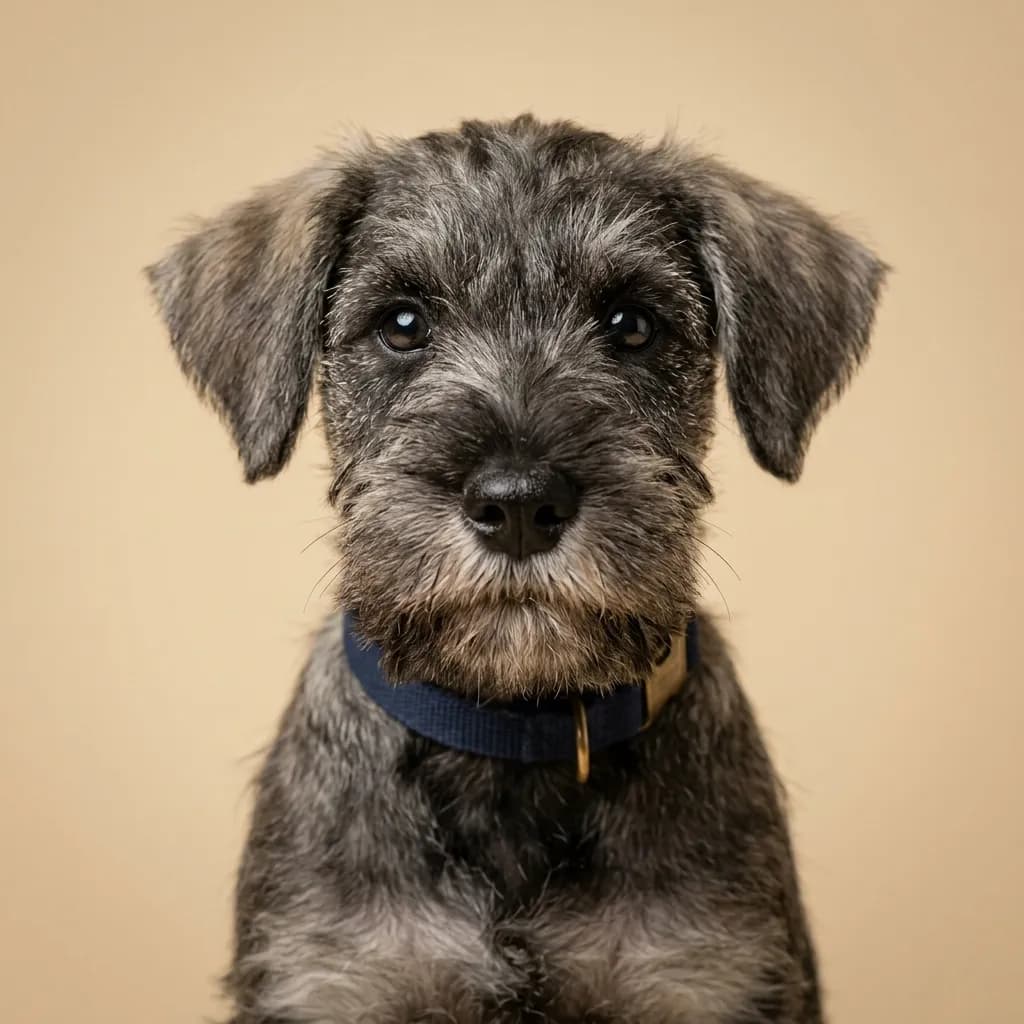
What Training a Standard Schnauzer Is Actually Like
Training a Standard Schnauzer is like hiring a very capable, opinionated project manager for your dog life. They’re not just smart; they’re purposeful. This breed learns new commands in 5 to 15 repetitions and has an 85% first-command obedience rate, which means they’ll often do what you ask the first time—once they’re convinced it matters. But don’t confuse their quick learning with blind obedience. Schnauzers were bred to make decisions on the farm—chasing rats, herding livestock, guarding property—so they need to understand why they’re doing something. If your training feels arbitrary or repetitive, they’ll tune out or improvise. They thrive on structure, mental challenges, and tasks with clear outcomes. You’re not just teaching behaviors; you’re earning their cooperation.
Training Timeline
Start at 8 weeks. The socialization window is narrow—weeks 3 to 12—so you need to be aggressive with positive exposure: new people, dogs, surfaces, sounds. Vaccines aren’t an excuse; use controlled environments like puppy classes or managed meetups. By 16 weeks, they should be fluent in name recognition, sit, stay, and leash manners. Watch closely at weeks 32 to 4游戏副本: the second fear period. A noise or situation that didn’t bother them before might now scare them. Go slow, don’t force, and rebuild confidence with known cues. Months 5 to 14 are adolescence—expect testing, distractibility, and bursts of stubbornness. This is when many owners quit, but consistency pays off. By 9 months, they’re mentally mature enough to handle longer, more complex sessions. Stick with it, and you’ll have a reliable, responsive dog by 14 months.
Breed-Specific Challenges
First, their prey drive is high. They were bred to kill vermin. That means squirrels, cats, or even small dogs can trigger a chase they won’t easily break off. Recall training is non-negotiable and must be proofed early. Second, they’re naturally suspicious of strangers. Without rigorous socialization, this becomes aggression or excessive reactivity. Third, they get bored fast. Low-stimulation training turns into willful mistakes or “selective deafness.” And fourth, they’re strong. A 40-pound dog with a working drive can drag you down the street if leash training isn’t firm and consistent from day one.
What Works Best
Keep sessions short—10 to 15 minutes max—and highly structured. Schnauzers in Coren Tier 2 don’t need repetition; they need progression. Teach a command, verify understanding, then add distraction or distance. Use food rewards, yes, but pair them with the satisfaction of completing a task. Let them “solve” a puzzle or finish an obstacle course—then reward. They respond best when they feel useful. AKC rates their mental stimulation needs at 5/5, so skip the basic sit-stay-repeat. Opt for dog sports like obedience, rally, or agility. And always explain the purpose: “Wait at the door so we don’t startle the mail carrier” works better than just “stay.”
Crate Training Your Standard Schnauzer
Standard Schnauzers are smart, spirited dogs who thrive on structure, so crate training works well when you treat it like a job with clear rules. A 40-pound adult needs a 36-inch crate; for a puppy, go with that size and use a divider. They grow steadily but not explosively, so you’ll adjust the divider every few weeks until they’re full-grown around 12 to 15 months. Skip the oversized crate—Schnauzers are task-oriented and get confused by too much space when learning boundaries.
Their 3/5 energy level means they don’t need constant stimulation, but they won’t settle easily if they’re bored. Crate acceptance isn’t usually a fight if you make the crate part of their routine early. Start by feeding meals inside with the door open, then close it for short intervals during low-energy times. They’re fearless, so they won’t cower, but they’ll test you. Be consistent. If you waver, they’ll exploit it.
A mature Standard can handle 6 to 8 hours crated during the day, especially if they’ve had a walk or mental work first. Puppies max out at about one hour per month of age—so a 4-month-old for about 4 hours. They’re not high-strung, but they’re alert and will bark if they sense activity or perceive a challenge. Don’t ignore barking; they’re problem-solving, not just fussing.
Watch for chewing on crate pads or fabric—they’re mouthy as puppies and like to “edit” their environment. Use indestructible bedding like a chew-proof mat or nothing at all. Some will dig at the floor or walls if anxious, so reinforce calm entries and exits. One quirk: they may try to “retrieve” toys out of the crate, so keep it clean of anything they can drag out and turn into a game.
Make crate time predictable. Use a cue like “kennel up,” reward precision, and never let them out during fussing. They’ll learn fast because they’re 5/5 in trainability—but only if you’re just as sharp.
Potty Training Your Standard Schnauzer
Standard Schnauzers are smart, spirited dogs and they pick up house training faster than most. At around 40 pounds, their medium size means they have decent bladder control by 12 weeks, but don’t expect perfection right away. You can realistically aim for reliable house training in 8 to 12 weeks with consistency, though some individuals may take a bit longer depending on routine and household setup.
Their trainability is top-tier; they’re in Coren’s Tier 2 with a learning speed of just 5 to 15 repetitions. They’re eager to please but have a spirited independence that can feel stubborn if you’re not firm and consistent. That means they’ll learn quickly what works and what doesn’t, so if you let them sneak in a pee on the rug once because you were distracted, they might test it again. This isn’t defiance, just a sharp brain assessing patterns.
One thing to watch: their alert, observant nature means they’ll notice if you’re inconsistent with timing. They’re not likely to soil indoors just for lack of opportunity, but if you skip a potty break after a meal or nap, they might decide the living room is convenient. They don’t typically hide spots like smaller breeds, but they’re observant enough to exploit lapses in your schedule.
Use immediate, high-value rewards—small bits of chicken or cheese work better than praise alone. They respond well to structured training with short, clear sessions. Take them out every 2 hours, after eating, drinking, playing, and waking up. Crate training accelerates progress since they’re not diggers or chewers like some terriers. A properly sized crate and a solid routine will set you up fast.
They’re not easily distracted outdoors like scent hounds, so potty trips are usually efficient. Just stick to a designated spot and keep them focused. With consistency, most Standard Schnauzers are reliably house-trained by 6 months.
Leash Training Your Standard Schnauzer
Standard Schnauzers are smart, spirited dogs with a working background that means they pay attention to their surroundings and aren’t easily spooked. That’s great for confidence but can make leash training a project in focus, especially since they were bred to patrol, guard, and chase vermin. At 40 pounds on average, they’re strong enough to lean into a pull, so you want the right setup from day one. A a well-fitted front-clip harness—something like the Balance or 2Hounds model—because it gives you more control without hurting their neck, especially since they’re prone to sudden lunges at squirrels or passing dogs. A flat collar alone isn’t enough, and never use a prong or choke chain with this sensitive breed.
They’re not relentless pullers like sled dogs, but their prey drive is moderate to high. That ratty ancestry means a sudden stop-and-stalk at a squirrel is common. Their energy is medium, so 30 to 45 minutes of daily walking plus mental work keeps them calmer on leash. Without it, you’ll see reactivity or zigzagging. Their biggest leash issues? Leash reactivity toward other dogs and distraction during walks. They were watchdogs, so barking at perceived threats comes naturally.
Because they were farm guardians and ratters, they’re alert and notice everything—this makes loose-leash walking harder. They don’t pull like a Husky, but they’ll weave or lunge if bored. Realistic expectations? You can get a reliably attentive walker, especially with task-oriented training. Use short, clear cues and reward precision. A “good” Standard on leash walks with focus, minimal pulling, and checks in often—but don’t expect a service-dog level of obedience without consistent work. They’re smart enough to master it, but they need a job during walks or they’ll invent one.
“I just wish someone would tell me what to do and when to do it.”
Not generic puppy tips. Not a video course you’ll never finish. Just one email a week telling you exactly what to work on with your Standard Schnauzer, at the age they are right now. Nothing to sift through. Nothing to figure out. Just this week.
Get Started — It’s FreeTell us your breed and your puppy’s age. We’ll send you exactly what to work on this week.
Socializing Your Standard Schnauzer
Standard Schnauzers are smart, spirited working dogs with a natural edge of suspicion that made them excellent farm guardians in Germany. That same instinct means their socialization window from weeks 3 to 12 is critical and overlaps directly with their first fear period at 8 to 11 weeks. This overlap is tricky. You can’t overwhelm them during fear periods, but you also can’t pause socialization. The key is controlled, positive exposure—never forcing them, always rewarding calm behavior.
Because they were bred to guard and control vermin and livestock, they tend to be naturally wary of unfamiliar people, sudden movements, and strange noises. They need more exposure to a wide variety of humans—not just adults but also children, people wearing hats or uniforms, and folks using umbrellas or bikes. Early, repeated positive experiences with strangers are non-negotiable. Without them, that wariness turns into reactivity or avoidance.
They’re also quick to notice inconsistencies. A common mistake is letting them skip uncomfortable situations “just this once.” That teaches them avoidance works, and Schnauzers remember. Another mistake is mistaking their boldness for full confidence. Just because they’re not backing down doesn’t mean they’re comfortable. Confidence and social fluency aren’t the same.
If you skip or rush socialization, you’ll likely end up with a 40-pound dog who’s suspicious of guests, reactive on walks, or overly protective. Their intelligence amplifies poor training—they’ll learn the wrong things fast. But done right, by 9 months—when they hit maturity—you’ll have a dog who’s attentive, adaptable, and secure. Early socialization doesn’t soften their spirit; it sharpens their ability to use it wisely.