Training Your Taiwan Dog
Rare breeds with varied backgrounds. Approach based on breed's country of origin and original purpose.
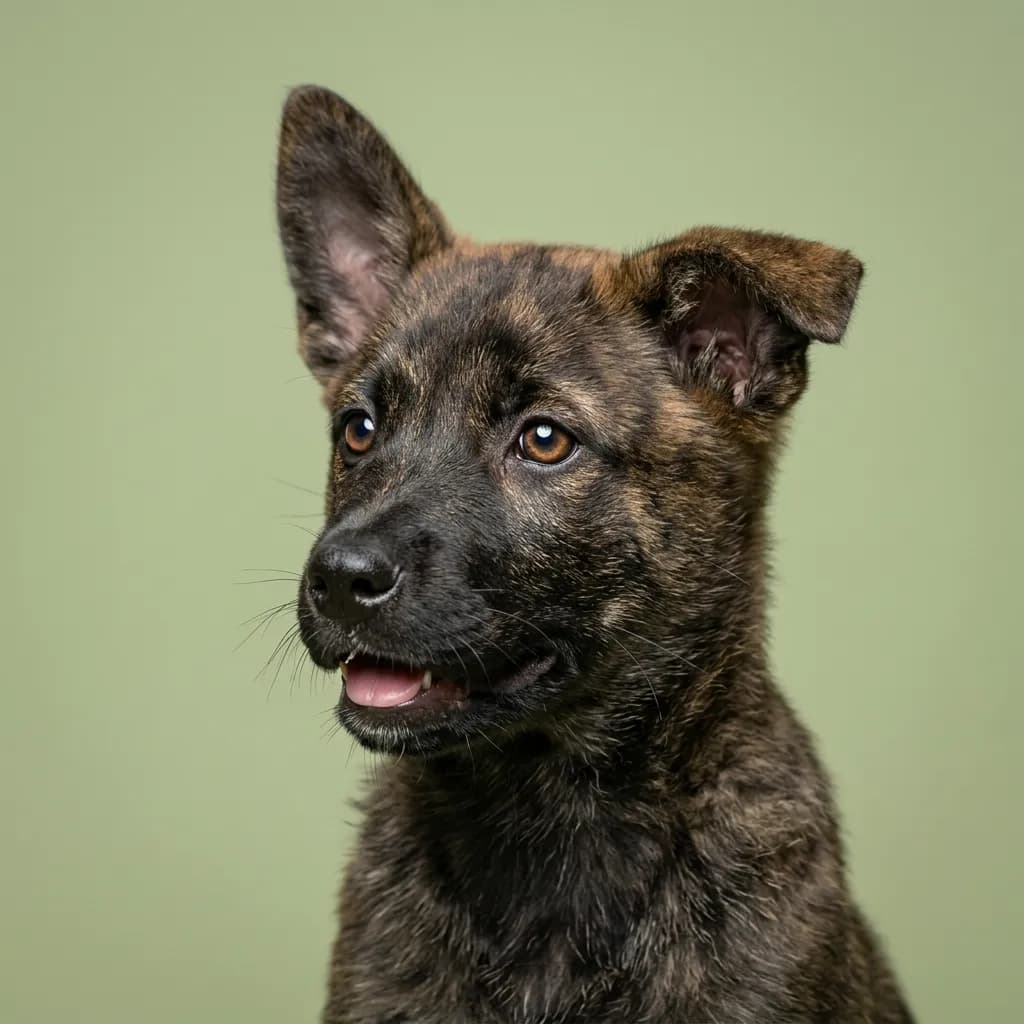
What Training a Taiwan Dog Is Actually Like
Training a Taiwan Dog feels like working with a sharp, observant partner who’s always assessing whether your request makes sense. They’re intelligent—ranking in Coren’s Above Average tier—and pick up new commands in 15 to 25 repetitions, which puts them ahead of many breeds. But don’t expect eager-to-please golden retriever energy. Their loyalty runs deep, but it’s reserved, and they’ll weigh your commands against their own instincts. That makes consistency and respect non-negotiable. These dogs were bred to hunt independently in the rugged forests of Taiwan, so they’re naturally alert, resourceful, and a little stubborn when they sense inconsistency. They thrive on structure but need mental engagement that matches their working background. If you're inexperienced with primitive or independent breeds, this isn’t the dog to start with. You’ll need to lead calmly, reward fairly, and stay patient through their developmental hiccups.
Training Timeline
Start training the moment you bring your puppy home at 8 weeks. That socialization window closes fast—by 12 weeks, the foundation for their adult temperament is mostly set. Prioritize exposure to people, sounds, surfaces, and other dogs in a positive way. Around 5 months, adolescence kicks in, and you’ll see a shift in focus, testing boundaries and selective listening. This lasts through 14 months. Between 8 and 9 months, they reach emotional maturity, so by then, your core training should be solid. Watch for the second fear period at 32 to 40 weeks—sudden spookiness around familiar things is common. During this time, avoid forcing interactions; instead, use calm reinforcement and let them process at their pace. Crate training and basic obedience should be well underway by 6 months, with reliable recall and loose-leash walking targeted by 10 months. Their high energy means daily training sessions—short but consistent—are key.
Breed-Specific Challenges
First, prey drive is intense. These dogs were bred to chase and catch game, so squirrels, rabbits, and even cats can trigger an instinctive chase. Off-leash freedom in unsecured areas is risky, no matter how well-trained they seem. Second, their independence can look like defiance. They’re not trying to frustrate you—they’re thinking through the task, and if your timing or reward doesn’t align with their logic, they’ll opt out. Third, they form strong bonds with one or two people, which can lead to wariness around strangers if not properly socialized early. That loyalty is a strength, but it can tip into overprotectiveness without deliberate exposure. Finally, their high energy—rated 5/5—means under-exercised dogs become destructive or obsessive. A tired Taiwan Dog is not just a happy dog, it’s a trainable one.
What Works Best
Use an adaptive mixed approach: blend positive reinforcement with clear leadership. Keep sessions short—5 to 10 minutes, 2 to 3 times daily—especially during adolescence when attention spans waver. They respond best to varied rewards: mix high-value treats (like freeze-dried liver) with play or access to outdoor exploration. Pacing matters—don’t rush through commands. They learn quickly, but they need to trust the process. Practice in realistic environments early; their hunting background means distractions are hard to ignore if they haven’t been exposed gradually. And always match training to their energy level—burn off steam with a run or hike first, then train. Structure, consistency, and respect for their intelligence will get you farther than force ever could.
Crate Training Your Taiwan Dog
A Taiwan Dog is a medium-sized breed averaging around 33 pounds, so start with a 36-inch crate even for puppies. They grow fast but don’t hit full size until about 14 months, so a divider is absolutely necessary to prevent them from having too much space early on. Too much room can encourage potty accidents or bad habits like chewing the bedding in the back corner. Use the divider and adjust it as they grow, keeping just enough space for turning, standing, and lying down comfortably.
These dogs are intelligent and loyal, which helps with crate training, but their energy level is off the charts—5 out of 5. That means they won’t settle into the crate easily just because you put them there. They need physical and mental exhaustion first. A Taiwan Dog should get a solid 60 to 90 minutes of active exercise and some problem-solving work like flirt pole drills or scent games before you expect them to relax in the crate. Without that, they’ll bark, paw at the crate, or chew the pad relentlessly. Yes, they’re chewers—especially as puppies—so use a heavy-duty crate pad and avoid plush ones. Rubber-bottomed mats work best.
They’re adaptable and bond closely, so separation tolerance builds quickly if you train consistently. Still, don’t leave them crated longer than 4 hours once adult, and never as puppies under six months. They can handle short periods well, but their high drive means they’ll notice your absence and may vocalize if not properly conditioned.
One quirk: Taiwan Dogs sometimes dig at the crate floor or bark when they hear outdoor sounds—they’re alert and territorial by nature. Place the crate in a quiet part of the house at first, then gradually move it to busier areas. Start training early, keep sessions short and positive, and always pair crate time with something valuable like a chew or stuffed Kong. They respond best to mixed methods—positive reinforcement with clear boundaries.
Potty Training Your Taiwan Dog
Potty training a Taiwan Dog is usually a smoother process than with many other breeds, thanks to their intelligence and above-average trainability. They’re not the most stubborn dogs out there, but they’re not total pushovers either. They’re loyal and attentive to their people, which helps, but they also have an independent streak that comes from their history as versatile working dogs in rugged terrain. That means they’ll learn quickly—usually within 15 to 25 repetitions—but you’ve got to be consistent. If you waver, they’ll test the boundaries.
Their medium size, averaging around 33 pounds, works in your favor. They have decent bladder control compared to smaller breeds, so you’re not racing to the door every two hours after about 12 weeks old. Puppies typically need to go out every 2 to 3 hours, and by 4 to 5 months, most Taiwan Dogs can hold it for 4 to 5 hours during the day. Expect reliable house training in 4 to 6 months with consistent effort, though occasional slips can happen until they’re fully mature at around 18 months.
One thing to watch: their intelligence can turn into clever avoidance if they figure out how to sneak a potty break in a hidden corner. They’re not prone to the “I’ll just pee behind the couch” habit like some tiny breeds, but they’ll exploit gaps in your routine. Crate training helps a lot—it plays into their natural instinct to keep their den clean.
Rewards? Keep them immediate and meaningful. Taiwan Dogs respond best to praise paired with small, high-value treats—think bits of cooked chicken or freeze-dried liver. They’re not greedy eaters, so don’t overdo it. A calm, confident tone works better than frantic cheering. They’re not looking for a party every time they pee outside—they’re just doing their job, and they know it.
Leash Training Your Taiwan Dog
Leash training a Taiwan Dog means working with a smart, driven athlete built for rugged terrain and high stakes. At 33 pounds on average, they’re medium-sized but deceptively strong, with 5/5 energy and a prey drive that doesn’t quit. A front-clip harness is your best bet here—collars alone won’t cut it when they’re lunging at squirrel-shaped leaves. The front-clip gives you more control without compromising their structure, and it’s gentler on their necks than a standard collar when they surge forward. Avoid slip or choke collars; this breed responds better to consistency than correction.
Their history as a hunter in mountainous forests means they’re wired to explore, track, and chase. That translates to leash issues like pulling, sudden stops to investigate scents, and sharp turns without warning. They’re not being stubborn; they’re doing what they were bred to do—just in a suburban yard instead of a jungle ridge. You’ll need to redirect that focus early and often. Train in short bursts with high-value rewards because their attention span outdoors is about as long as a firecracker’s fuse.
Common problems? Pulling is number one, but also watch for reactive lunging at small animals and a tendency to zigzag without checking in. They’re intelligent and versatile, scoring a solid 4/5 on trainability, so they’ll catch on fast if you’re consistent. But “good” leash behavior for a Taiwan Dog isn’t going to look like a perfectly heeled spaniel. Realistic expectations mean a loose leash 70% of the time, with check-ins and manageable turns. They’ll never love heel work, but they can learn to stay engaged and responsive even when temptation’s high.
Mix positive reinforcement with clear boundaries—this breed respects both. Start young, train daily, and always make it a challenge worth their energy.
“I just wish someone would tell me what to do and when to do it.”
Not generic puppy tips. Not a video course you’ll never finish. Just one email a week telling you exactly what to work on with your Taiwan Dog, at the age they are right now. Nothing to sift through. Nothing to figure out. Just this week.
Get Started — It’s FreeTell us your breed and your puppy’s age. We’ll send you exactly what to work on this week.
Socializing Your Taiwan Dog
You’ve got a Taiwan Dog, so let’s be real about socialization. This breed’s sweet spot is weeks 3 to 12, but here’s the kicker—those weeks overlap hard with their first fear period, which hits between 8 and 11. That’s not a bug, it’s a feature. These dogs were bred to hunt in the rugged forests of Taiwan, so their natural wariness isn’t a flaw, it’s survival instinct. If you treat that caution like a problem instead of a trait, you’ll make things worse.
They need more exposure to unfamiliar people, sudden noises, and unpredictable environments—things they wouldn’t normally encounter in dense mountain terrain. Don’t flood them. Go slow. A startled puppy during that fear window can form a lasting negative association. One bad experience with a stranger or a loud noise can stick for life.
Taiwan Dogs are naturally wary of strangers and sudden movements, especially from kids or large groups. That doesn’t mean they can’t get along with them. It means you need to structure early exposure carefully. Don’t let every passerby pet your pup at the park. Instead, let the dog observe first. Reward calm behavior. Let trust be earned.
A common mistake? Assuming their intelligence means they’ll “figure it out later.” They won’t. Missed socialization doesn’t just make them shy—it can make them hyper-vigilant adults. Without proper early experiences, you’ll end up with a 33-pound dog that tenses at every new face, barks at delivery people, or freezes when a child runs by.
Do it right, and by 9 months—when they’re mature—they’re steady, not skittish. They’ll still be loyal and alert, but with the confidence to handle novelty without panic. Skip it, and that same intelligence turns into suspicion. These dogs don’t forget. Start early, stay consistent, and respect their pace.