Training Your Treeing Walker Coonhound
Independent thinkers bred to work ahead of handlers. Scent hounds follow their nose; sight hounds follow movement. Requires patience and high-value rewards.
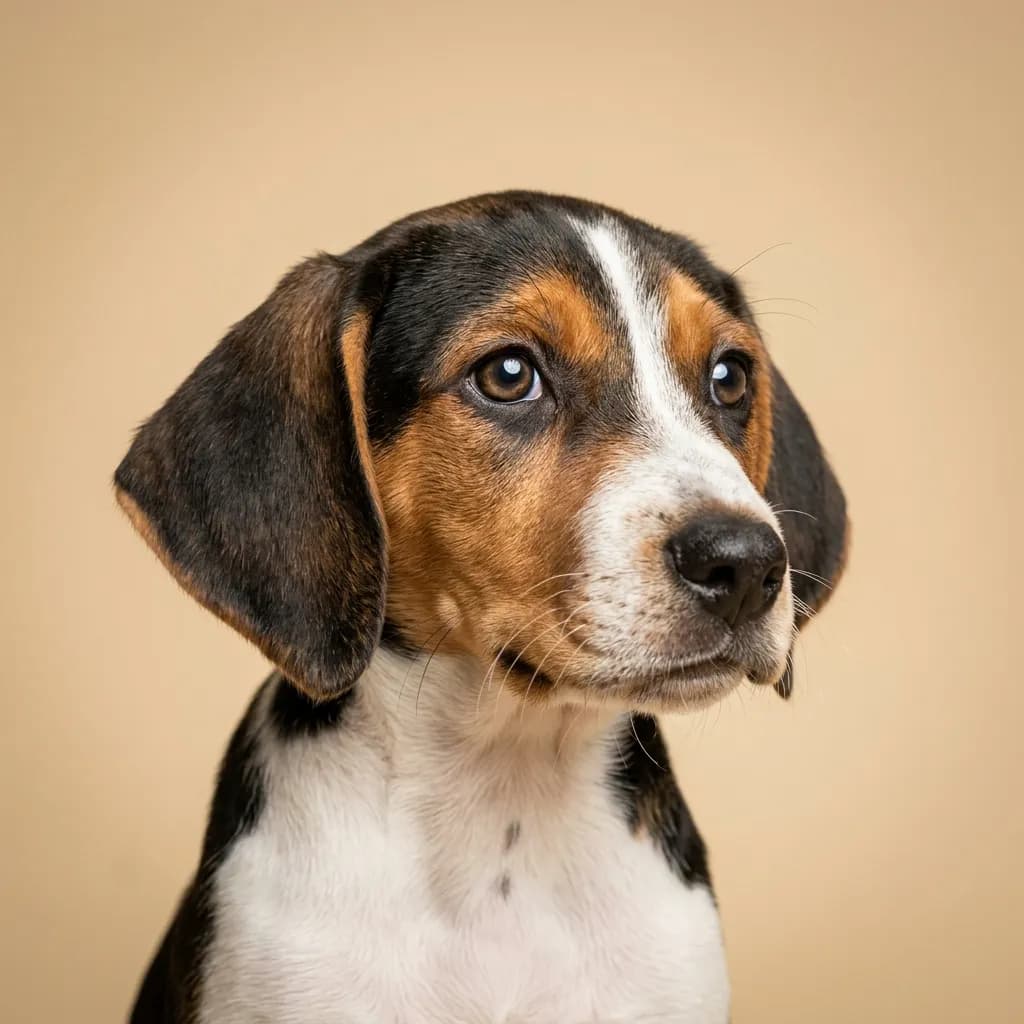
What Training a Treeing Walker Coonhound Is Actually Like
Let’s be real—this dog is smart, independent, and built for one thing: following a scent trail with zero regard for your recall command. They’re in Coren’s Tier 2, which means they learn new commands in just 5 to 15 repetitions and obey the first command 85% of the time. That’s impressive on paper. But here’s the catch: they’re scent hounds first, obedience dogs second. Their brains are wired to prioritize nose over noise. So while they can learn quickly, they’ll often choose not to respond if something more interesting is in the air. They’re not stubborn in the typical sense—they’re just doing what they were bred to do. Training this breed is less about dominance and more about outsmarting their instincts with consistency, high-value rewards, and a whole lot of patience. If you want a dog that hangs on your every word, get a Border Collie. If you want a brave, intelligent hound who’ll work beside you in the field and charm your family at home, the Treeing Walker is a gem—just don’t expect instant compliance.
Training Timeline
Start at 8 weeks with basic socialization—expose them to different people, surfaces, sounds, and dogs. This is critical because their socialization window closes at 12 weeks. By 16 weeks, begin simple commands like sit, stay, and come, using ultra-high-value treats. Around 6 months, adolescence hits hard and lasts until 18 months. This is when their prey drive and independence skyrocket. Be consistent, but expect pushback. Weeks 44 to 56 bring a second fear period—don’t force interactions; instead, create positive associations with calm exposure. Between 12 and 14 months, they start to mature mentally, and training finally begins to stick. That’s when you’ll see reliable recall and better focus, assuming you’ve kept up with daily short sessions. Full emotional maturity? Closer to 18 months. Until then, manage their environment—never trust off-leash access in unsecured areas.
Breed-Specific Challenges
First, recall is your biggest battle. Once they catch a scent, they’re gone. It’s not defiance; it’s biology. Second, their baying—loud, resonant, and frequent—can be disruptive, especially in suburban or apartment settings. Third, their high energy and mental stimulation needs mean they’ll invent their own jobs if you don’t give them one. Without structured work or games, they’ll dig, bark, or escape. Finally, their independence means they’ll assess whether a command is worth following. You can’t rely on blind obedience. They need motivation, not just repetition.
What Works Best
Keep sessions under 5 minutes—2 to 3 times a day. Their attention span is short, but their learning speed is fast when engaged. Use high-value rewards: real meat, cheese, or tripe, not kibble. Scent games are gold—hide treats, run drag lines, teach tracking. This taps into their natural drive and builds focus. Use a long line for off-leash training; never go free until they’re 18 months old and proofed in multiple environments. Positive reinforcement is non-negotiable—harsh methods destroy their willingness to try. Train in low-distraction areas first, then gradually increase difficulty. And always end on a win. They’re smart enough to learn fast, but you have to make it worth their while—every single time.
Crate Training Your Treeing Walker Coonhound
A Treeing Walker Coonhound puppy needs a big crate—think 42 to 48 inches—because they’ll hit that 60-pound average fast. Use a divider early on; they’re growing quick and you want them to feel secure, not lost in a giant empty box. But don’t leave them cramped too long; even at 10 weeks, they’re brimming with energy and need room to stretch eventually.
These dogs are smart and brave, but that also means they’re easily bored and will test boundaries. Crate acceptance isn’t usually a fight if you start right—you’re more likely to deal with restlessness than rebellion. They don’t settle easily right away; their 5/5 energy means they’ll whine or paw at the crate door if they’re not mentally tired first. A quick scent game before crating helps. Try hiding a treat under a cup inside the crate so they’re focused on sniffing, not escaping.
Don’t expect more than 3 to 4 hours crated once they’re past puppyhood, even though they’re highly trainable. Their scent drive keeps their brain buzzing, and they don’t do well with long isolation. Adult Walker Coonhounds can handle it better than most, but leave a worn shirt and a puzzle toy stuffed with peanut butter to keep them engaged.
They’re courteous, so excessive barking in the crate is rare unless they’re stressed. But watch for chewing—these are mouthy dogs. They’ll gnaw crate pads or fabric covers if left with nothing to do. Use a durable chew toy like a Kong filled with frozen broth instead.
Short sessions work best—5 to 10 minutes at a time, paired with high-value treats like real meat or cheese. Make the crate a launchpad for fun, not a timeout zone. If they associate it with scent games and rewards, they’ll walk in willingly, even after a long hunt.
Potty Training Your Treeing Walker Coonhound
Potty training a Treeing Walker Coonhound is generally straightforward thanks to their 5/5 trainability and excellent working dog intelligence. They learn fast, often picking up cues in just 5 to 15 repetitions, but don’t mistake their brains for automatic compliance. These dogs are smart and courteous, yes, but they’re also scent hounds with an independent streak. Outdoors, distractions can hijack focus in seconds. A squirrel trail or lingering neighbor-cat scent might make them forget they were supposed to be doing business, so timing and consistency are critical.
Their large size—averaging 60 pounds—means they have decent bladder capacity even as puppies, but don’t assume that means fewer trips. A young Treeing Walker still needs structure. Expect a realistic timeline of 4 to 6 months for reliable house training, assuming consistency. Some get it sooner, but because they’re brave and curious, lapses can happen if they’re left unsupervised too soon. Crating helps, but only if used wisely. These dogs aren’t prone to chewing inside the crate, but they’ll happily wander off to investigate a smell if given the chance.
Rewards need to be immediate and high-value. These hounds respond best to food motivation, so keep small, smelly treats on hand during outdoor potty breaks. Praise helps, but it’s not enough on its own. The moment they go outside, mark it with a treat and enthusiastic praise. Do this every single time. Over time, they’ll associate the outdoor spot with positive payoff, which helps counter their natural urge to wander and sniff endlessly.
One big challenge? Their nose. They’re scent-driven, so if you’re not careful, they’ll treat the backyard like a crime scene to investigate rather than a bathroom. Keep potty trips brief and focused at first, then allow playtime only after they’ve gone. This builds the right habit. Patience, consistency, and respect for their instincts go a long way.
Leash Training Your Treeing Walker Coonhound
Leash training a Treeing Walker Coonhound means working with their brain, not against it. These dogs are smart, courageous, and built for long, determined tracking—so pulling, lunging, and sudden stops to sniff aren’t bad behavior, they’re instinct in motion. At around 60 pounds and with endless stamina, they’re strong enough to drag most kids and many adults if not properly managed. A front-clip harness isn’t just helpful, it’s essential. It gives you control without choking them, and it discourages pulling by redirecting their momentum. Avoid standard collars for training—too easy for them to power through without feeling it.
Their energy is off the charts. A 5/5 hound with a 5/5 trainability rating means they can learn, but they’ll test you. They’ll fixate on a scent trail and bolt toward it like they were born for it—because they were. That’s exactly what happened for generations of Treeing Walkers, treeing raccoons across open terrain. So when they stop dead to sniff or spin mid-walk, it’s not defiance. It’s focus. You’re not fighting willfulness; you’re redirecting purpose.
Common leash problems? Sniff-stopping, sudden pivoting toward wildlife, and pulling with full-body drive. They don’t mean to ignore you, but a fresh trail in the wind is like a siren call. Realistic expectations matter. “Good” leash behavior for this breed isn’t perfect heeling. It’s being able to walk at a loose leash most of the time, responding reliably to your cues when scents spike, and not blowing past recall once they catch a hot trail.
Use scent to your advantage. Let them sniff as a reward after obedience tasks. Build focus through consistency, not force. Train early and often—puppies are especially headstrong. And always, always assume they’ll chase something. Even off-leash in safe spaces, their prey drive doesn’t clock out. You’re not breaking instinct. You’re channeling it.
“I just wish someone would tell me what to do and when to do it.”
Not generic puppy tips. Not a video course you’ll never finish. Just one email a week telling you exactly what to work on with your Treeing Walker Coonhound, at the age they are right now. Nothing to sift through. Nothing to figure out. Just this week.
Get Started — It’s FreeTell us your breed and your puppy’s age. We’ll send you exactly what to work on this week.
Socializing Your Treeing Walker Coonhound
You’ve got a narrow window with a Treeing Walker Coonhound, and you’ve got to use it wisely. Their socialization window runs from weeks 3 to 12, but here’s the kicker—it overlaps almost exactly with their first fear period at 8 to 11 weeks. That means the very time you’re trying to build confidence, their brain is wired to be extra cautious. Miss those weeks and you’re playing catch-up for life.
These dogs are smart and brave by nature, but they’re scent hounds first. That means they’ll lock onto a trail and tune out everything else—including you. Early on, they need massive exposure to city noises, traffic, other dogs, strange surfaces, and especially people in hats, uniforms, or carrying odd objects. They weren’t bred to guard or attack, but their size—60 pounds on average—and strong prey drive mean that unchecked reactivity can become dangerous.
They’re not naturally suspicious like guardian breeds, but they can become noise-sensitive or situationally aloof if not properly socialized. Sudden loud sounds, like fireworks or backfiring cars, often trigger them because of their acute hearing and high drive. Introduce those gradually, paired with rewards.
A common mistake? Assuming their friendly temperament means they don’t need structure. People think, “He’s a hound, he’ll be fine,” and let them skip puppy classes or avoid novel experiences. Big error. Without early, consistent exposure, you end up with a 14-month adult who shuts down at the vet or lunges at skateboards.
Skip proper socialization and you’ll see a dog who’s either overstimulated on walks, difficult to recall when excited, or overly reserved in new environments. Their courtesy and bravery don’t develop naturally—they’re built through hundreds of small, positive experiences before they hit 12 weeks. Do the work early, and you’ll have a polite, adaptable companion who’s just as comfortable on a porch as he is tracking through the woods.