Training Your Welsh Springer Spaniel
Bred to work with handlers in the field. Food and toy motivated, eager to please. High energy requires exercise before training sessions.
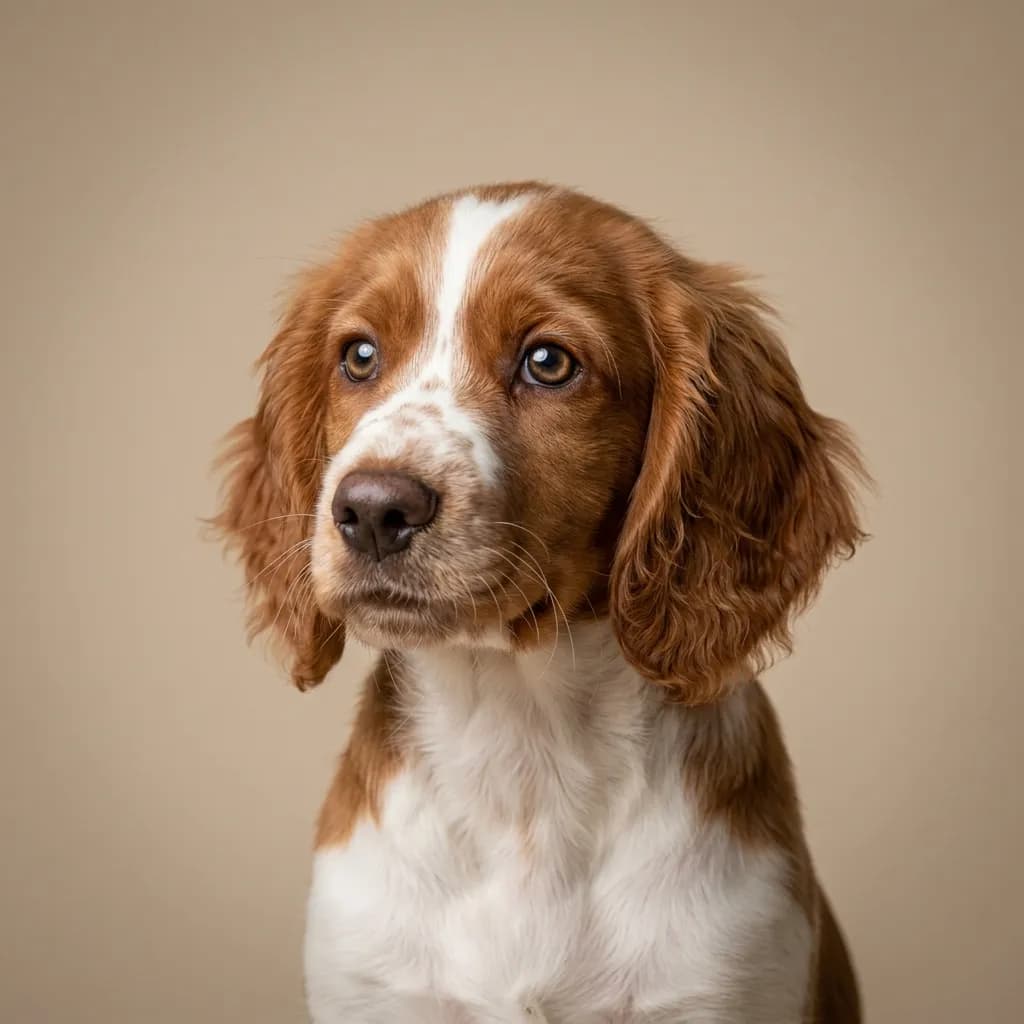
What Training a Welsh Springer Spaniel Is Actually Like
Training a Welsh Springer Spaniel feels like working with a bright, bouncy teammate who really wants to get it right. They’re in the “Above Average” tier on Coren’s scale, meaning they pick up new commands in just 15 to 25 repetitions, and they’ll respond to your first command about 70% of the time once trained. That’s solid for a sporting dog. They were built to work alongside hunters in the rugged Welsh countryside, flushing and retrieving game birds, so cooperation is in their DNA. They’re eager to please, yes, but don’t mistake that for low maintenance. These dogs need physical and mental work—in equal measure. Skip the walk and expect distracted, wiggly sessions. Start training after a solid 30-minute run or fetch session and you’ll see focus click into place. They’re not hyperactive, but their energy level is a solid 4 out of 5, and their need for mental stimulation is just as high. If you want a dog who thrives on routine, structure, and engagement, this is your breed.
Training Timeline
Start at 8 weeks with basic handling, name recognition, and short socialization outings. Their socialization window is tight—weeks 3 to 12—so expose them to kids, cars, other dogs, and loud noises early. By 12 weeks, begin sit, stay, and come using food and toy rewards. At 5 months, adolescence kicks in, and you’ll see testing behaviors—don’t relax consistency now. Around 8 months, the second fear period (weeks 32–40) may resurface as sudden shyness or hesitation. Go slow, avoid forcing interactions, and lean on known rewards. Between 9 and 14 months, they’ll mature emotionally, and advanced obedience like heel, finish, and basic retrieve drills become much more reliable. By 14 months, you should have a solid, responsive dog—if you’ve kept the training active and engaging.
Breed-Specific Challenges
First, their coat demands attention. It’s not just grooming—it affects training. Mats and tangles cause discomfort, making them fidget during close-contact exercises like heeling or handling drills. Weekly brushing is non-negotiable. Second, they’re reserved with strangers. That’s not shyness, it’s breed-typical, but it means early and ongoing socialization is critical. Without it, reserve can tip into wariness. Third, they’re high-drive but easily distracted in stimulating environments. A squirrel or bird scent can erase 20 minutes of recall practice. Train in low-distraction areas first, then slowly increase difficulty. Finally, their energy demands mean short, repetitive sessions fail. They need movement baked into training—static drills bore them fast.
What Works Best
Keep sessions short—10 to 15 minutes—but active. Use retrieve-based games as primary rewards. A thrown bumper or tug after a correct command works better than a treat alone. They respond strongly to both food and toys, so mix them to maintain interest. Train after exercise; a tired dog is a focused dog. Use a brisk walk or fetch circuit before drills to burn excess energy. Pace is key—move quickly from one task to the next. Hesitate and they’ll start chewing the leash. Stick to positive reinforcement; harsh corrections backfire with their sensitive, eager-to-please nature. And above all, keep it fun. This is a dog who lives to work with you, not for you. Make training a game, and they’ll outperform even your high expectations.
Crate Training Your Welsh Springer Spaniel
A Welsh Springer Spaniel needs a crate big enough to stand up, turn around, and stretch out in comfortably. For an average 45-pound adult, that means a 36-inch crate. If you’re starting with a puppy, use a divider; they grow fast but don’t need extra space they can’t yet manage. Too much room encourages potty accidents and teaches them it’s okay to eliminate where they sleep.
These dogs are smart and eager to please—trainability is a solid 5 out of 5—so they pick up crate routines quickly, especially when you tie it to their love of retrieving. Make crate time rewarding: toss a soft bumper or tennis ball inside and let them fetch it as a reward for going in. Turn “kennel up” into an active game, not a command. That upbeat, happy temperament works in your favor, but their energy level is high—4 out of 5—so never use the crate as a timeout or they’ll start resisting.
They don’t settle instantly. A tired Welshie is a cratable Welshie. Burn off that energy first with 20 to 30 minutes of fetch or field work, then guide them into the crate with a retrieve-based reward. Once settled, they’ll stay calm for up to 4 hours by adulthood, but don’t push it. Puppies max out at one hour per month of age. Their separation tolerance is moderate—they’re reserved with strangers but deeply bonded to their people. Crating longer than they’re ready for triggers anxiety, not just barking.
Watch for chewing on crate pads or fabric. These are oral dogs bred to carry game, so stuff a Kong with wet food and freeze it to keep them occupied. Some dig at the bedding—opt for durable, chew-resistant mats. And never leave them crated all day. They need activity, interaction, and mental work. Use the crate as a safe den, not storage. With consistency and retrieval-based motivation, they’ll love their crate like it’s part of the team.
Potty Training Your Welsh Springer Spaniel
Welsh Springer Spaniels are medium-sized dogs, averaging around 45 pounds, which gives them a decent bladder capacity for their age. That said, puppies are still puppies, and even at that size, a young Welsh Springer won’t reliably hold it longer than an hour per month of age until about six months old. So a ten-week-old pup needs a trip out every two hours, especially after eating, drinking, or napping. Because of their size, they don’t have the same fragility as tiny breeds, so you can take them outside frequently without worrying about cold or rough terrain as much, which helps with consistency.
Their trainability score is a solid 5/5 and they fall in Coren’s third tier—above average learners. These dogs pick up new commands in 15 to 25 repetitions, and that applies to potty training too. They’re eager to please, especially when praised by someone they trust, but don’t mistake that for being pushovers. They’re upbeat and happy, yes, but also a little reserved, especially around strangers. That means they respond best to calm, consistent routines, not loud or erratic training styles.
You can expect a Welsh Springer Spaniel to be reliably house-trained by five to six months, assuming you stick to a schedule and manage indoor access early on. Crate training works well because they don’t like soiling their sleeping space. One challenge you might face is their scenting instinct—they’re spaniels, after all. Once outside, they may get distracted by smells and forget why they’re out there. Keep potty trips focused. Use a leash and a consistent command like “go potty” to cue the behavior.
Food motivation is moderate, but praise and play mean more to them. Use a happy voice, a quick game with a favorite toy, or scratches behind the ears right after they go. Physical affection paired with verbal praise reinforces the habit faster than treats alone.
Leash Training Your Welsh Springer Spaniel
A Welsh Springer Spaniel is a 45-pound bundle of upbeat energy that wants nothing more than to explore every bush and flush every rabbit it catches a whiff of. That makes leash training less about forcing obedience and more about managing their natural drive to hunt in the underbrush. They’re highly trainable, scoring a solid 5/5, but their prey drive is strong enough that a standard collar won’t cut it. I’d go straight for a front-clip harness—something like the PetSafe Easy Walk—because it gently discourages pulling without choking them. They’re medium-sized but strong, and once they lock onto a scent, they’ll lean into it like they’re back in the Welsh countryside flushing birds.
Because they were bred to work at a distance from their handler, they’re naturally a little independent on walks. They won’t deliberately ignore you, but they’re more likely to stop and sniff intensely or pivot toward movement in the bushes than, say, a golden retriever who stays glued to your side. This isn’t defiance. It’s purpose. So expect some lagging, some sudden halts, and occasional bursts of pulling when they catch a hot trail.
Reward-based training works best—use high-value treats and immediate praise when they check in or walk nicely beside you. Keep sessions short and frequent. Don’t aim for perfect heelwork unless you’re prepping for conformation. For a Welsh Springer, “good” leash behavior means they stay within 4 to 6 feet of you, respond reliably to recall cues, and don’t yank your arm out of the socket when a squirrel runs by. They’ll never be slack-line walkers by default, but with consistency, they’ll learn that paying attention to you is just as rewarding as chasing a phantom pheasant. Think partnership, not control.
“I just wish someone would tell me what to do and when to do it.”
Not generic puppy tips. Not a video course you’ll never finish. Just one email a week telling you exactly what to work on with your Welsh Springer Spaniel, at the age they are right now. Nothing to sift through. Nothing to figure out. Just this week.
Get Started — It’s FreeTell us your breed and your puppy’s age. We’ll send you exactly what to work on this week.
Socializing Your Welsh Springer Spaniel
Welsh Springer Spaniels are upbeat and people-oriented, but they’re naturally reserved, especially around strangers. That reserve means their socialization window—weeks 3 to 12—is absolutely critical, and you’re racing against their first fear period, which kicks in hard between weeks 8 and 11. If you miss that overlap, you’re setting yourself up for a dog that’s hesitant or shut down later on. These dogs weren’t bred to be reactive guardians, but their wariness of new people and situations can become ingrained if not carefully managed early.
They need heavy, positive exposure to adults, children, and other dogs—especially in busy, unpredictable environments. Since they were bred to work closely with a single handler flushing game in dense cover, they bond deeply and can become overly attached or cautious with outsiders if not exposed young. You’ve got to make novelty fun; not overwhelming. Introduce new sounds, surfaces, and handling touches gradually but consistently before 12 weeks, always pairing them with praise or treats.
One common mistake? Assuming their quiet happiness around the house means they’re “fine.” They’re not. A Welsh Springer who isn’t broadly socialized by 9 months—their maturity point—can become selectively friendly, warm with family but stiff or avoidant with anyone new. That’s not aggression, it’s classic under-socialization in a breed that defaults to caution.
Another pitfall is overdoing group puppy classes without monitoring stress. These dogs are sensitive. Loud, chaotic settings can backfire during that fear period. Better to opt for controlled meetups with calm dogs and polite people. If you skip proper socialization, you’ll end up managing a dog who’s always a little unsure in new situations, which undermines their natural happy, upbeat temperament. Early, gentle exposure isn’t optional—it’s what keeps their reserved side from tipping into reluctance.