Bloat (GDV)
What It Is
Bloat, or more accurately Gastric Dilatation-Volvulus (GDV), isn’t just an upset stomach—it’s one of the most life-threatening emergencies in dogs. It starts when the stomach fills with gas, food, or fluid and then twists on itself, cutting off blood flow and trapping everything inside. That twist (the "volvulus" part) is what makes it so dangerous. Without quick treatment, the stomach can rupture, or toxins can flood the bloodstream, leading to shock, organ failure, and death. It’s not rare, either. It affects at least 77 breeds, especially deep-chested ones, and studies show roughly 25% of GDV cases are fatal even with treatment. This isn’t something you wait on—minutes matter.
Symptoms to Watch For
You need to know the signs because bloat can go from “off” to “critical” in under an hour. Early clues include restlessness, unproductive retching (your dog looks like they’re trying to vomit but nothing comes out), and a visibly swollen or tight abdomen—think basketball-level bloating. They might drool more than usual, look panicked, or stand with their elbows splayed and head low, like they’re trying to relieve pressure. As it worsens, they’ll pant heavily, appear weak, and their gums may turn pale or blue-tinged from lack of oxygen. If your dog collapses or seems disoriented, that’s a full-blown emergency. I’ve seen owners mistake early bloat for indigestion—it’s not. When in doubt, head straight to the vet. No “waiting until morning.”
Diagnosis
At the clinic, the vet will act fast. They’ll likely skip the small talk and go straight to imaging. An X-ray is the gold standard—within minutes, it’ll show if the stomach is distended and twisted. Blood work follows to check for shock, electrolyte imbalances, and organ stress (especially the heart, which can be damaged by the toxins building up). An ECG might also be done to monitor for arrhythmias, which are common post-GDV and can be deadly if missed. Diagnosis usually takes under 30 minutes in an emergency setting—speed is critical, and most vets treat first and ask questions later if signs are strong enough.
Treatment Options
Treatment is aggressive and expensive—typically $3,000 to $8,000 depending on complications and location. First, your dog needs stabilization: IV fluids to fight shock, oxygen, and pain meds. Then, they’ll try to decompress the stomach, either by inserting a tube down the throat or, if that fails, sticking a needle through the belly to release gas (called trocarization). But that’s just step one. Surgery is mandatory to untwist the stomach, assess for tissue death, and perform a gastropexy—where the stomach is tacked to the abdominal wall to prevent future twisting. This surgery is lifesaving, and skipping it means a 76% chance of recurrence. Recovery takes days in the hospital, and heart monitoring is crucial for at least 48 hours.
Prevention and Screening
You can’t screen for bloat like you do for hip dysplasia, but you can prevent it—especially if you own a high-risk breed. The most effective step is a prophylactic gastropexy, often done during spay/neuter. It costs $400–$1,000 extra but reduces GDV risk by over 90%. Feed multiple small meals instead of one large one, avoid exercise right before or after eating, and skip raised bowls—they might actually increase risk. Use slow-feed bowls if your dog inhales food. Some vets suggest avoiding foods with oils or citric acid as first ingredients. And no, changing brands won’t prevent bloat—but managing feeding habits absolutely helps.
Breeds Most at Risk
The list is long—77 breeds and counting—but the highest risk is in deep-chested dogs. Think Great Danes (lifetime risk up to 40%), Standard Poodles, Weimaraners, and Irish Setters. Among the breeds you mentioned, Akitas, Bloodhounds, and Bernese Mountain Dogs are particularly vulnerable. The majority fall into the AKC’s Working, Hound, and Foundation Stock Service groups—25 FSS breeds, 21 Working, 15 Hound. Even if your breed isn’t top-tier high-risk, if they’ve got that narrow, deep chest, they’re on the radar. I’ve had clients with Basset Hounds and Boerboels surprise them—bloat doesn’t care how rare your dog is. If you’re choosing a breed, know this: owning a high-risk dog means owning an emergency fund, too.
Breeds commonly affected
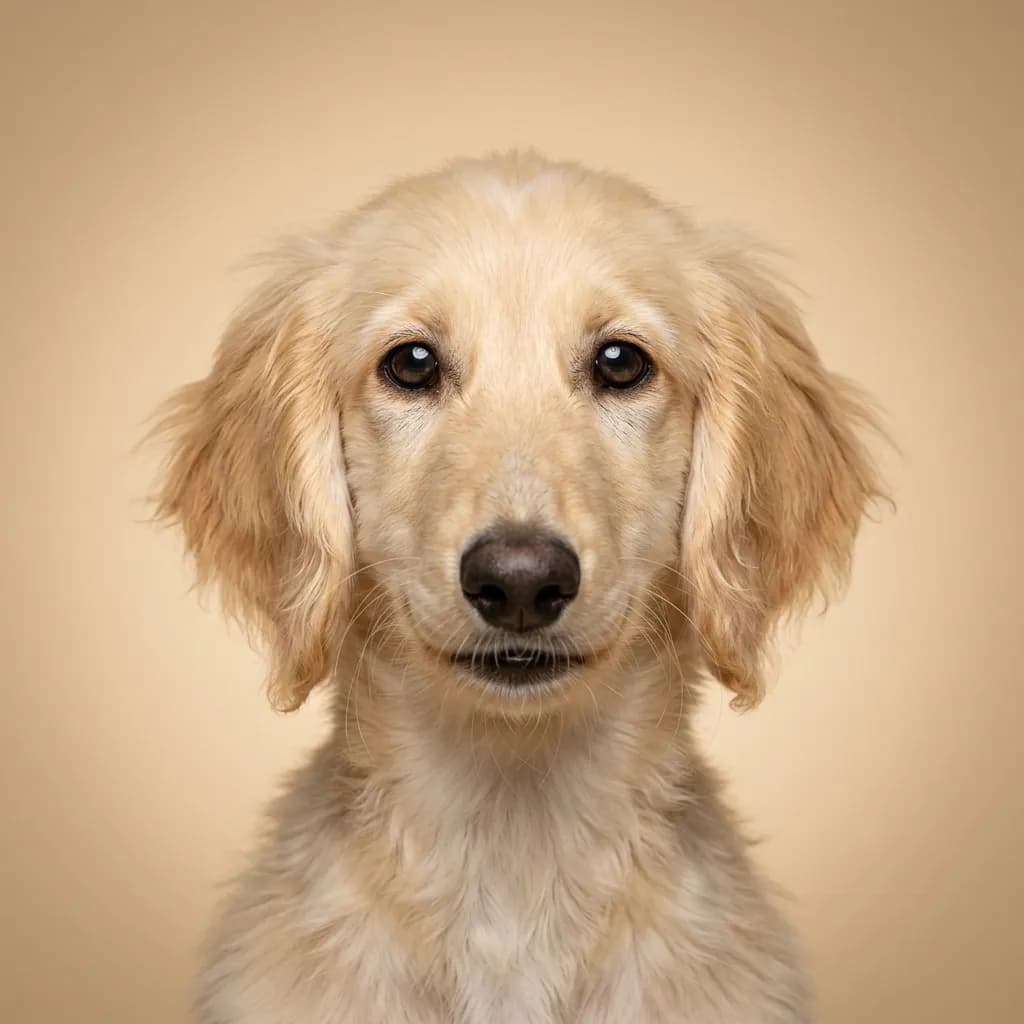
Afghan Hound
Hound Group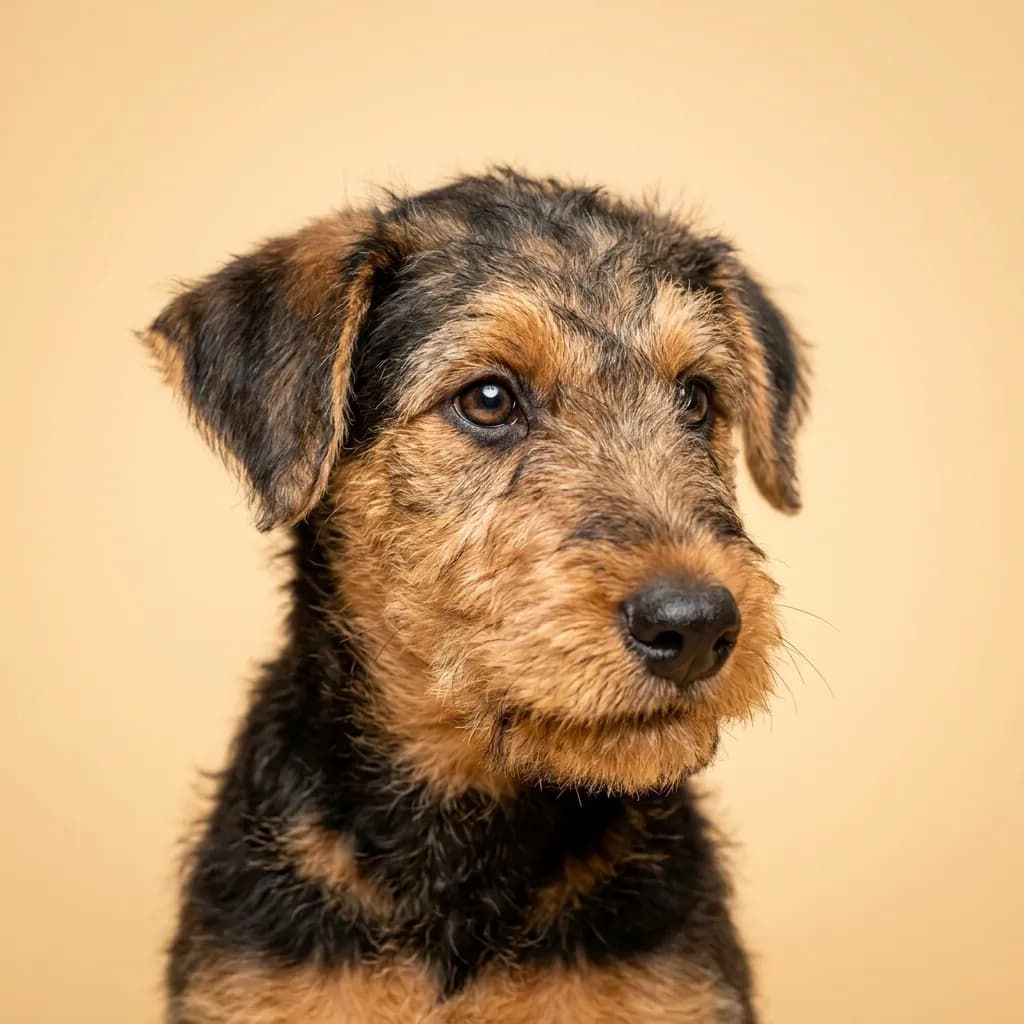
Airedale Terrier
Terrier Group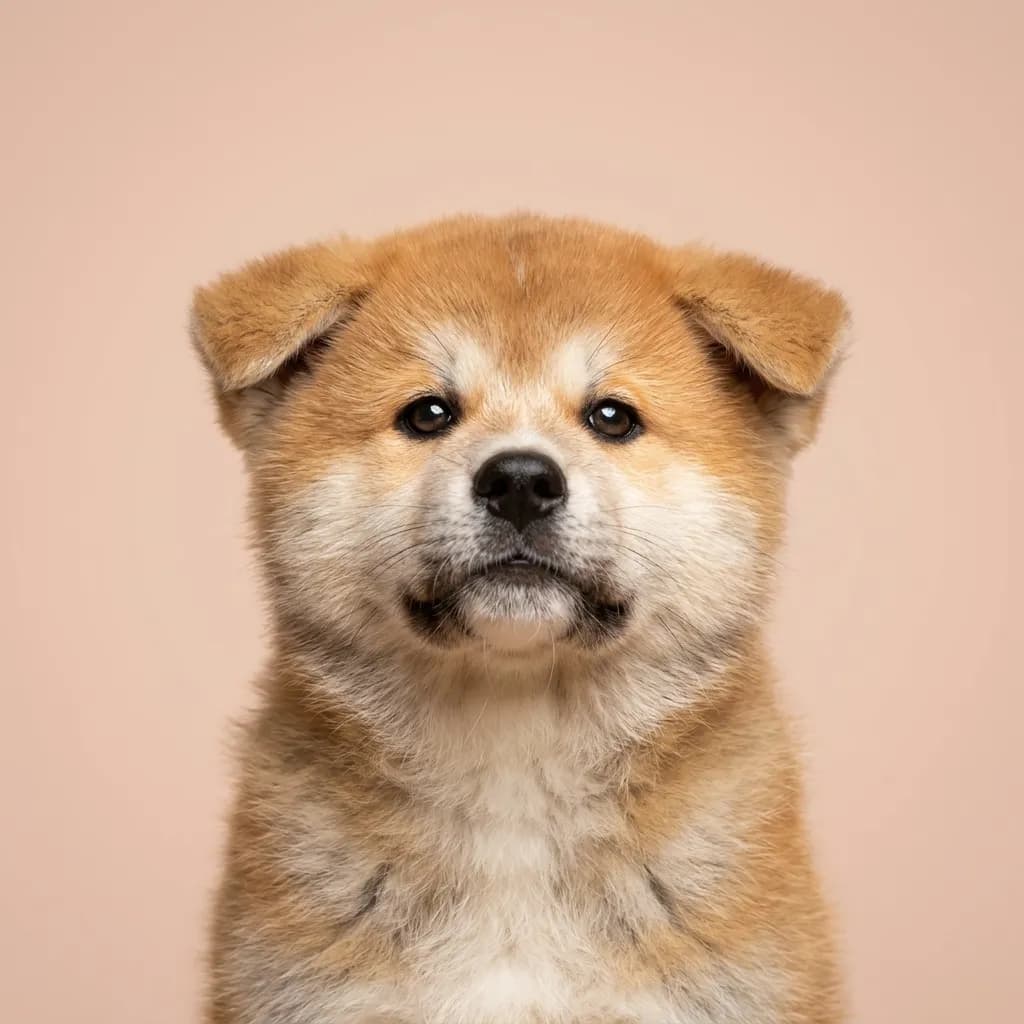
Akita
Working Group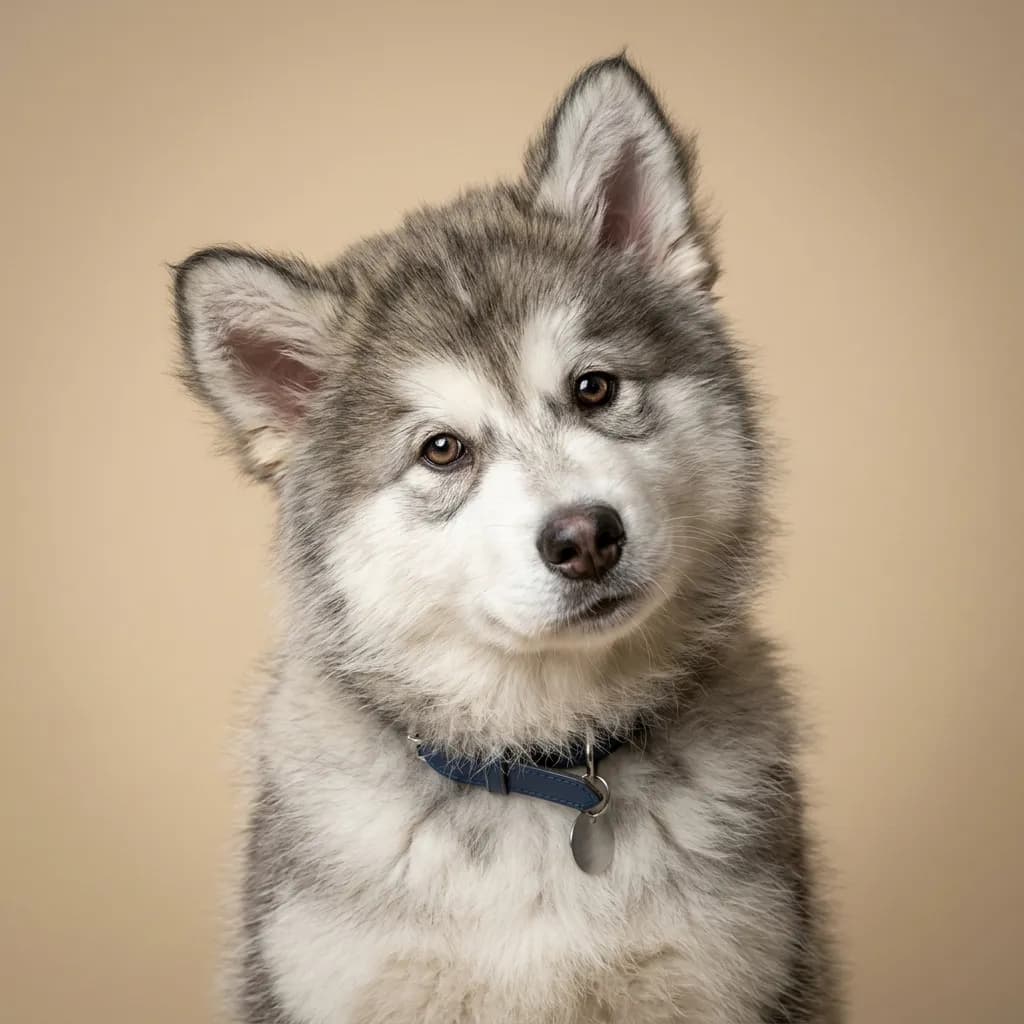
Alaskan Malamute
Working Group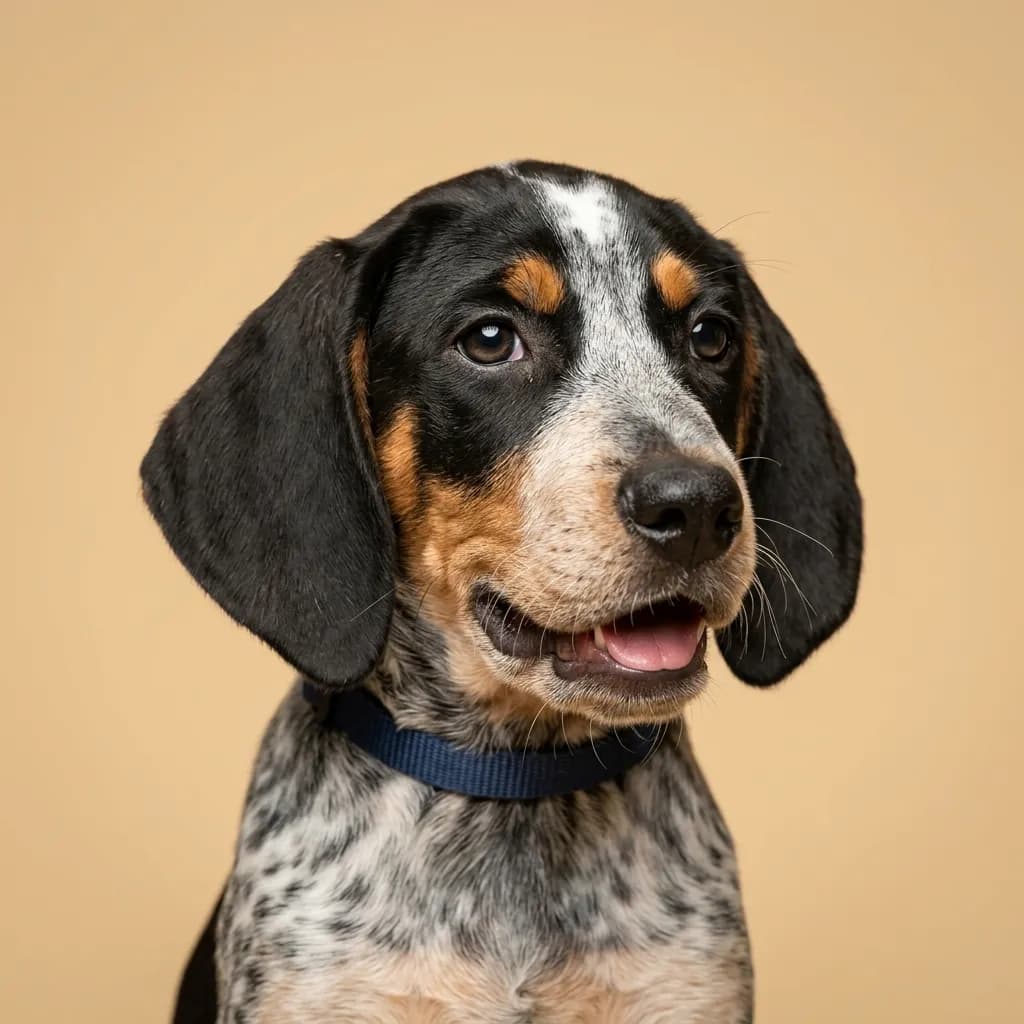
American English Coonhound
Hound Group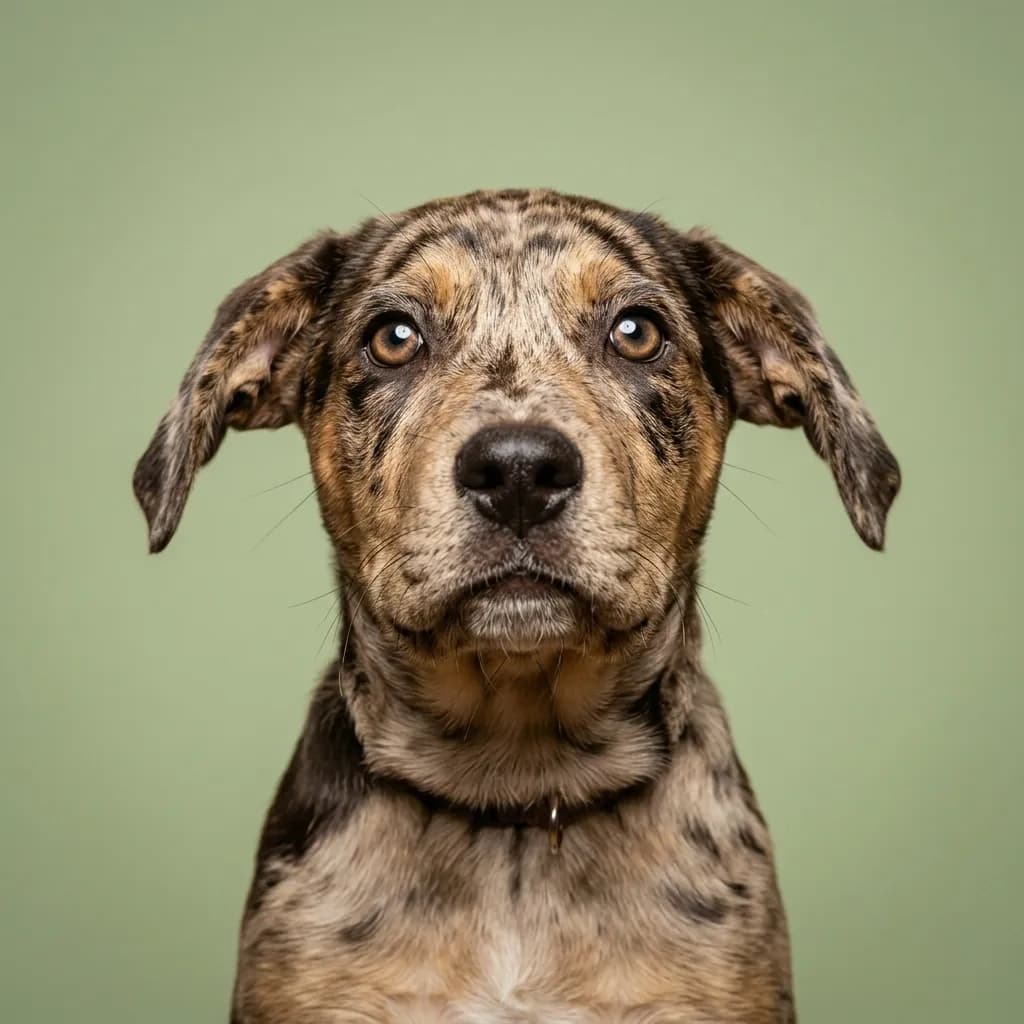
American Leopard Hound
Foundation Stock Service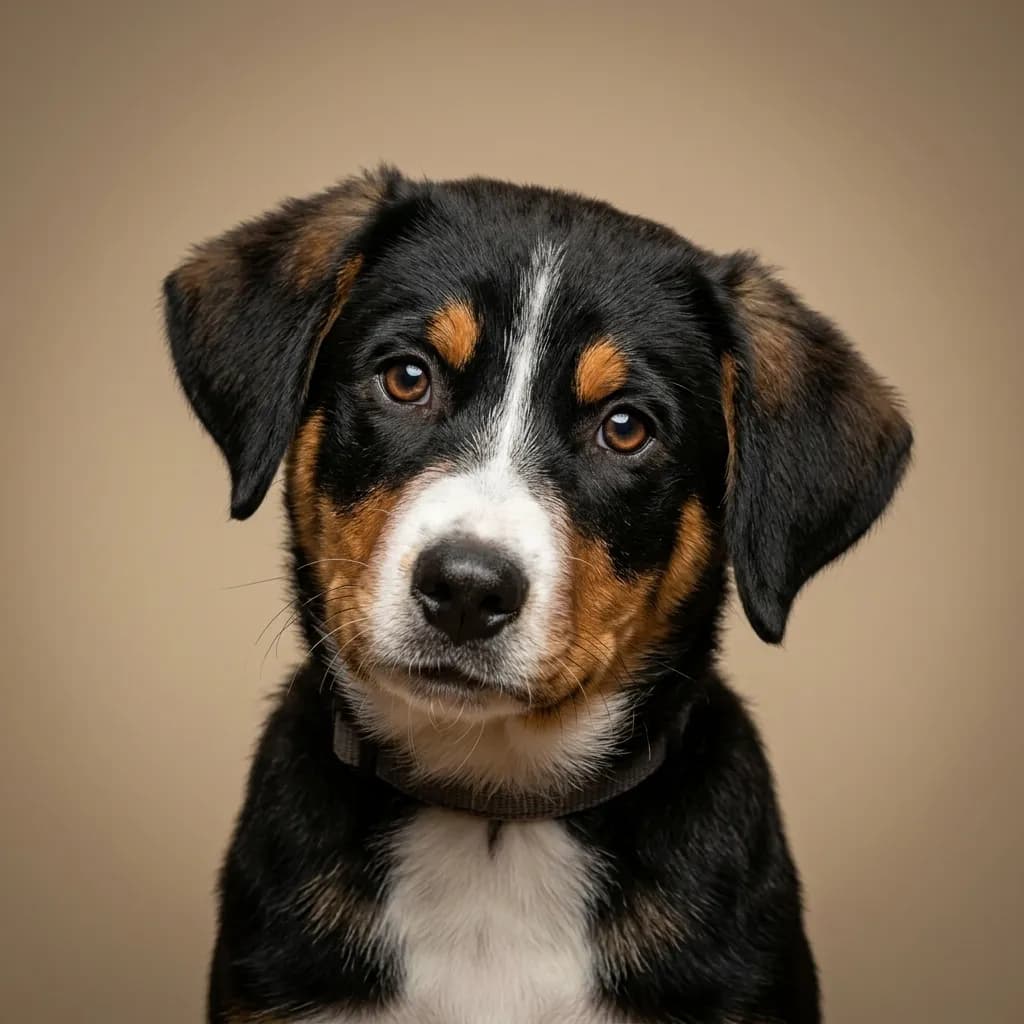
Appenzeller Sennenhund
Foundation Stock Service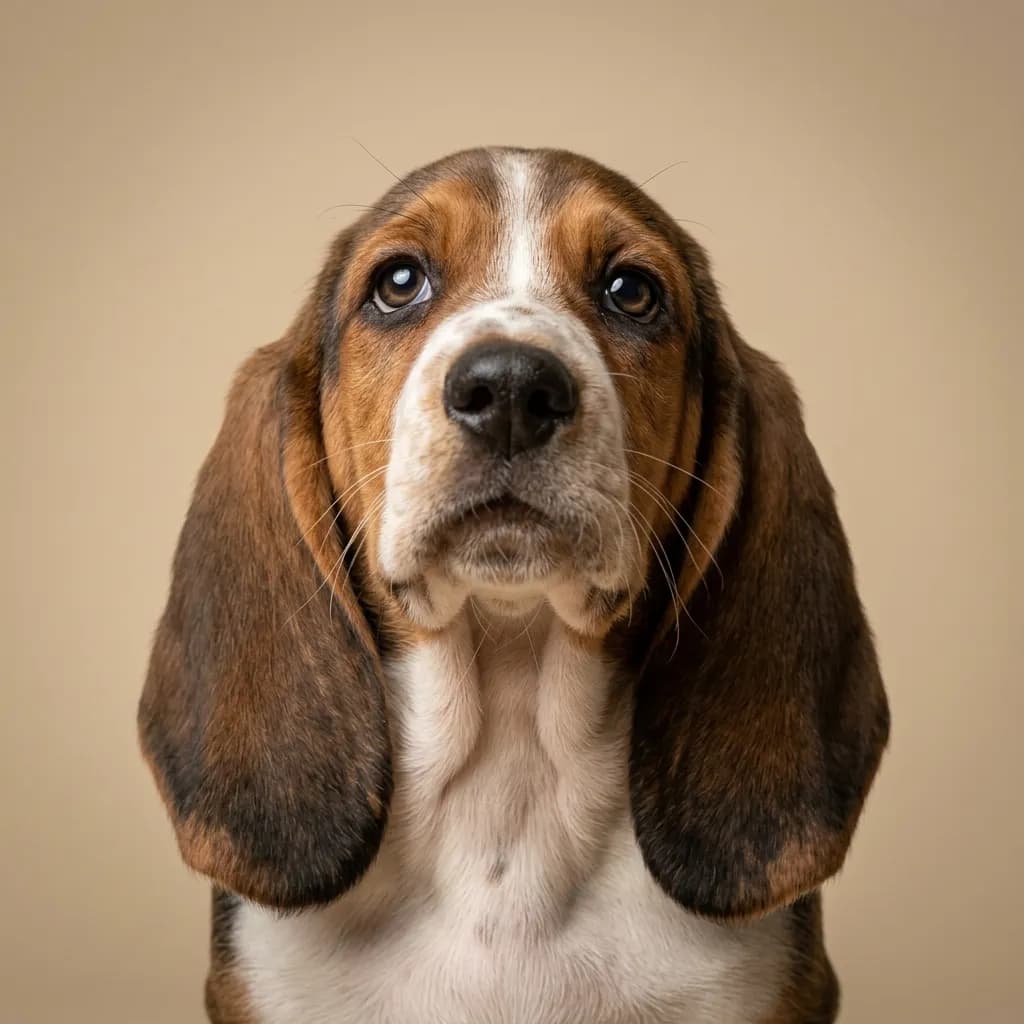
Basset Hound
Hound Group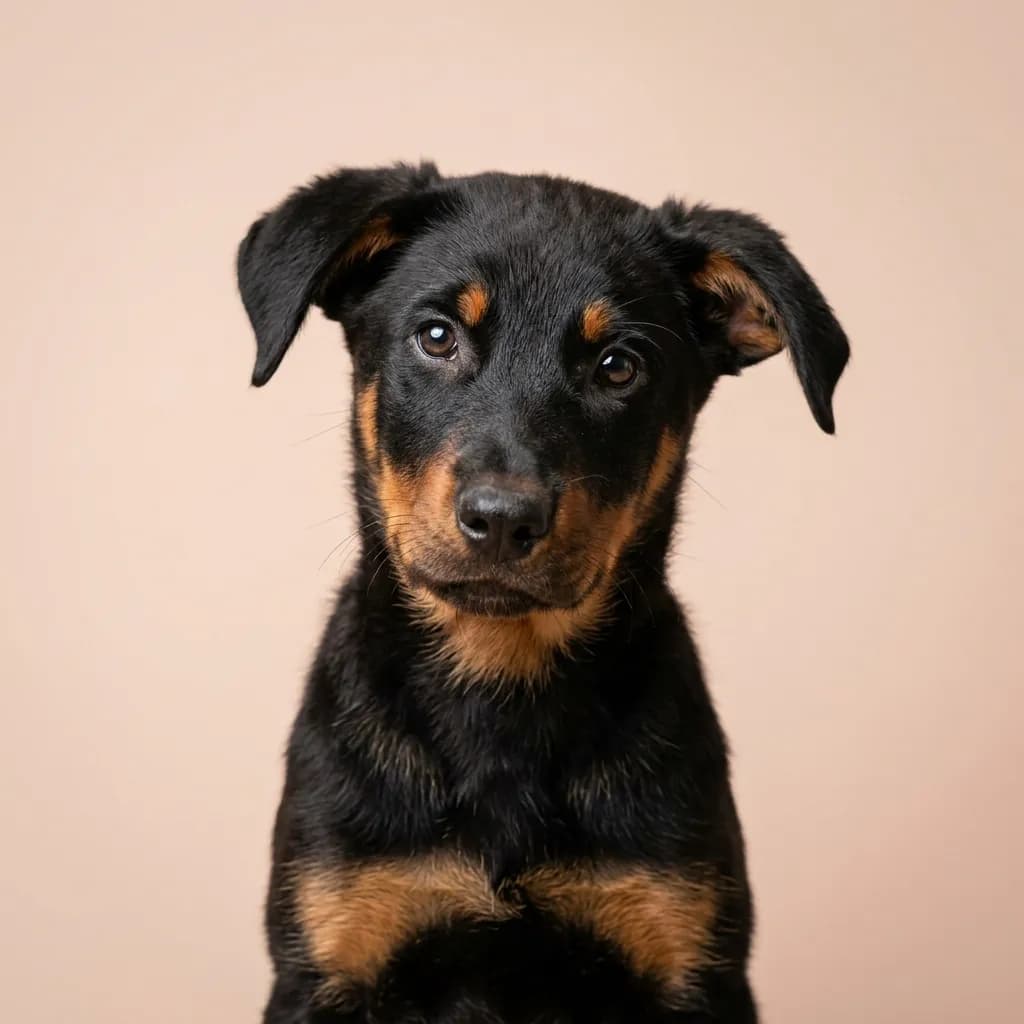
Beauceron
Herding Group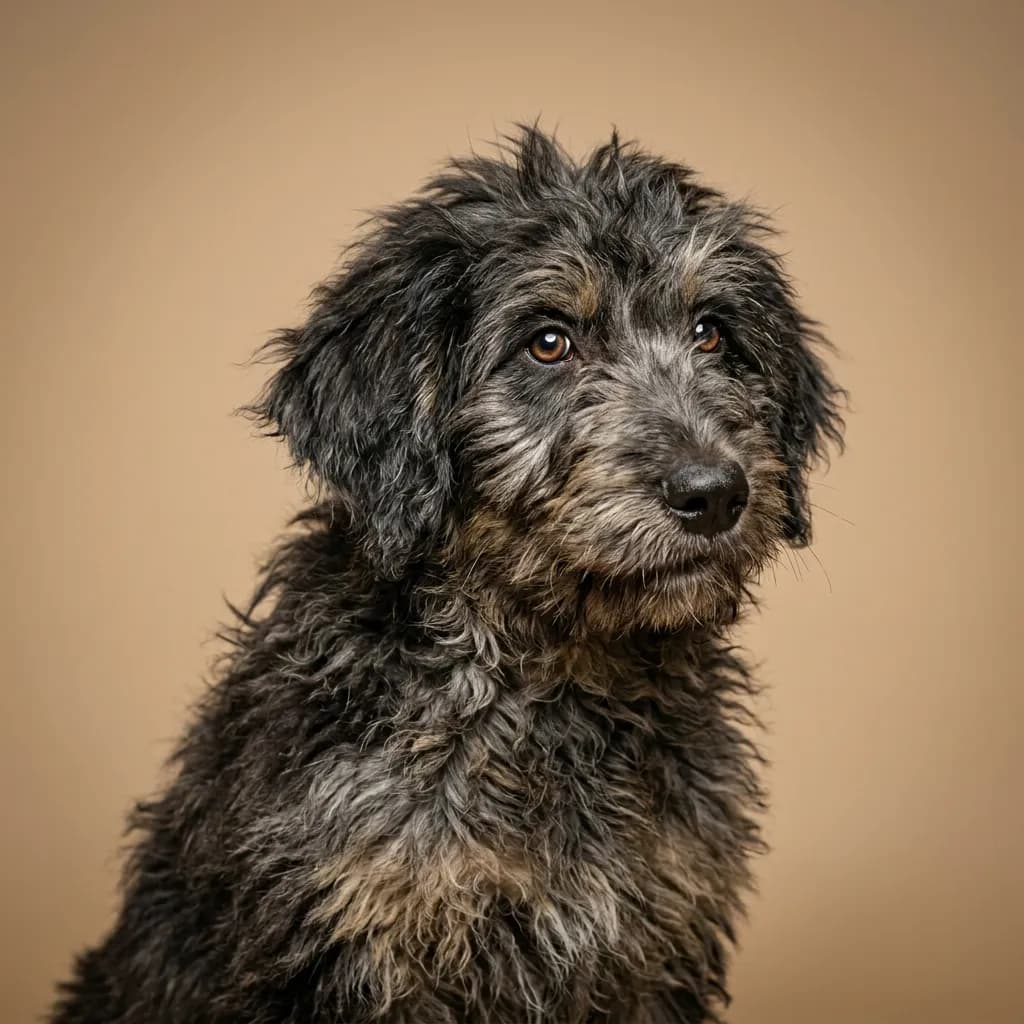
Bergamasco Sheepdog
Herding Group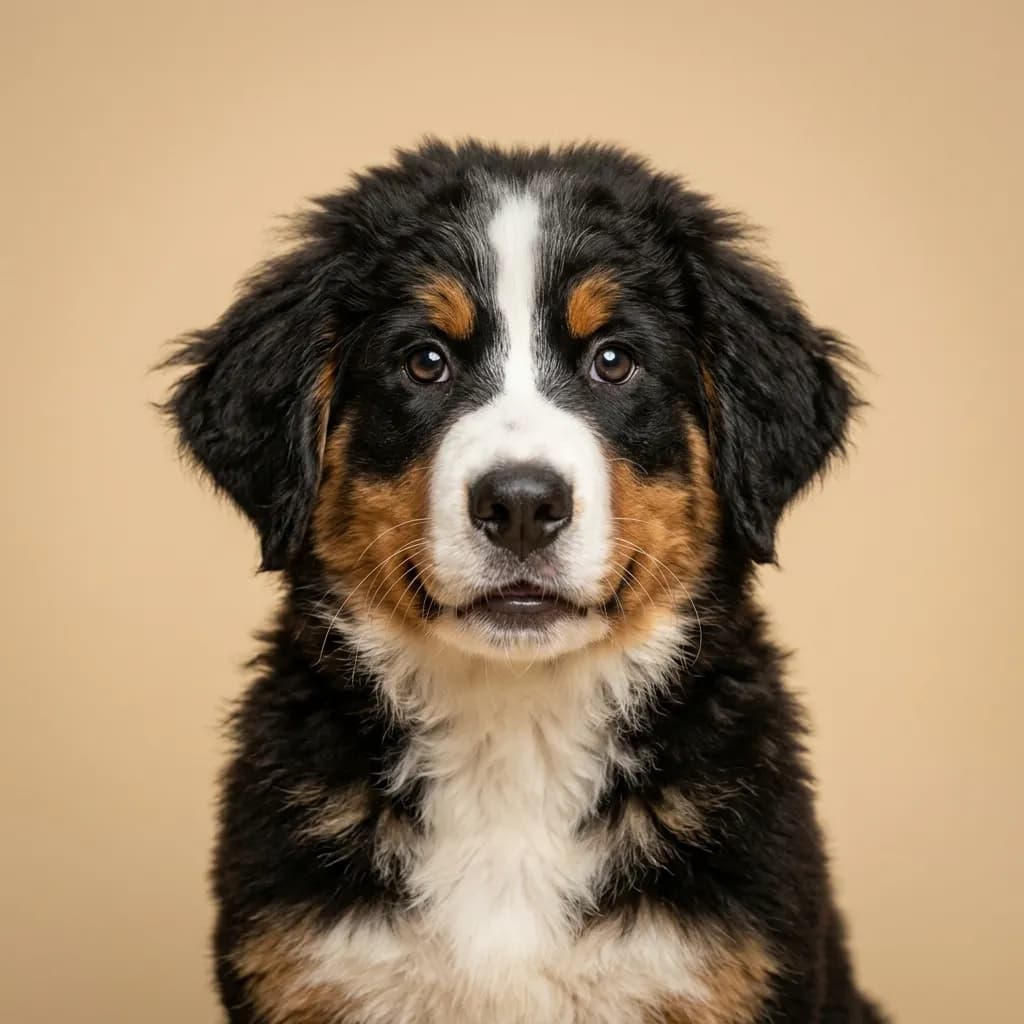
Bernese Mountain Dog
Working Group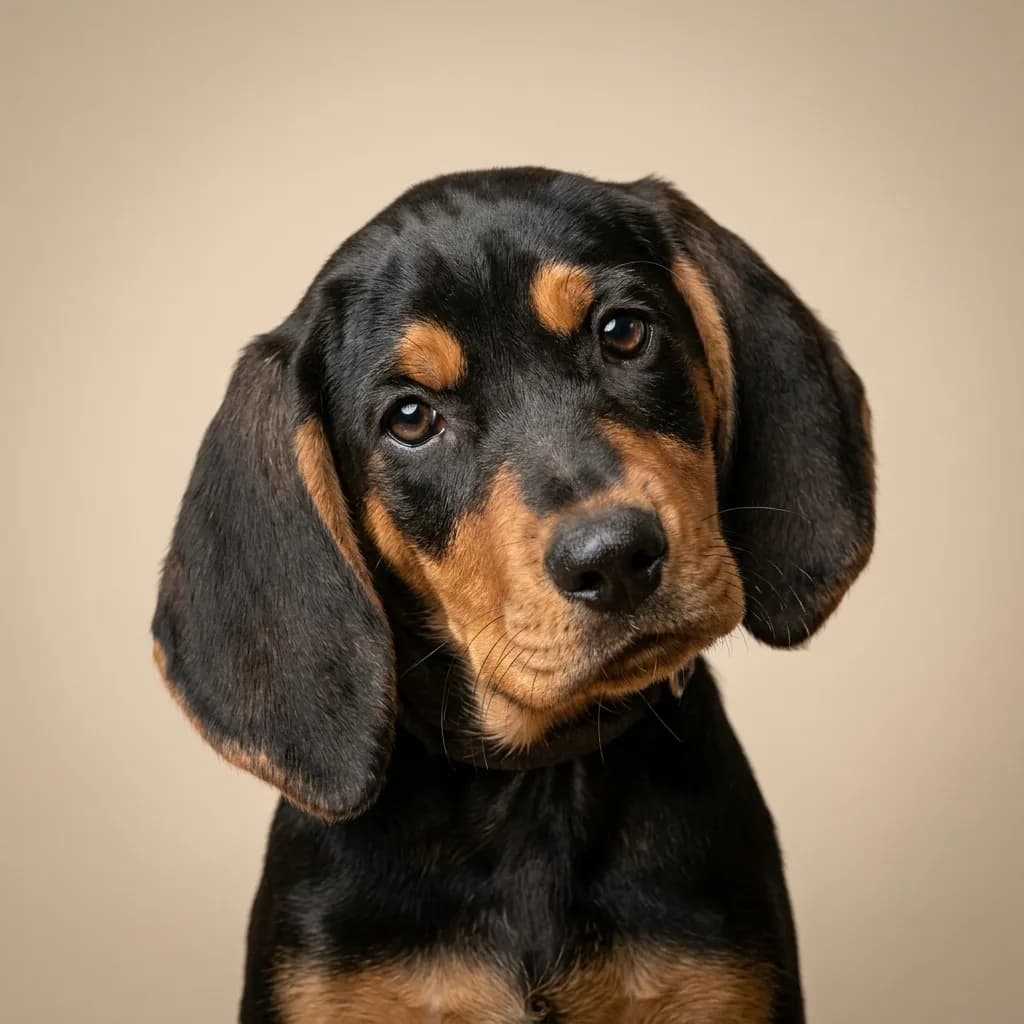
Black and Tan Coonhound
Hound Group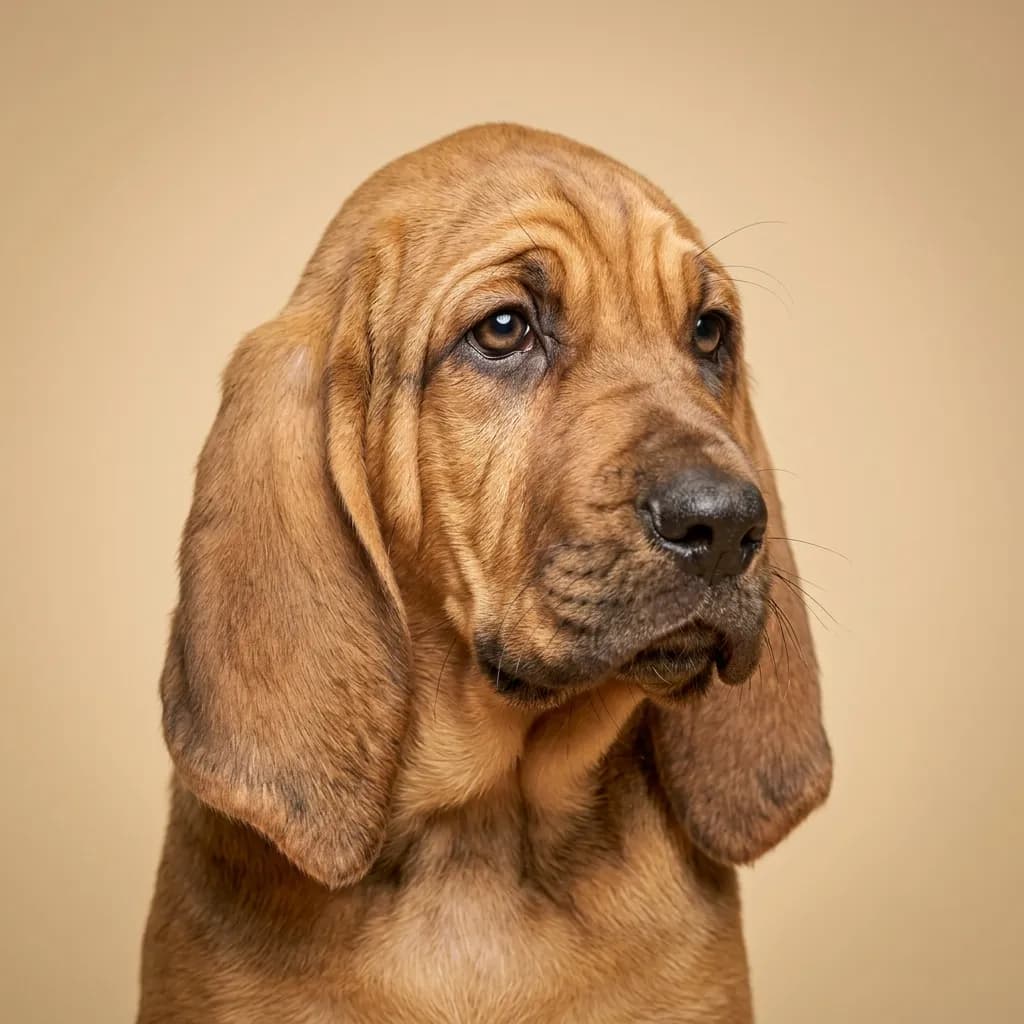
Bloodhound
Hound Group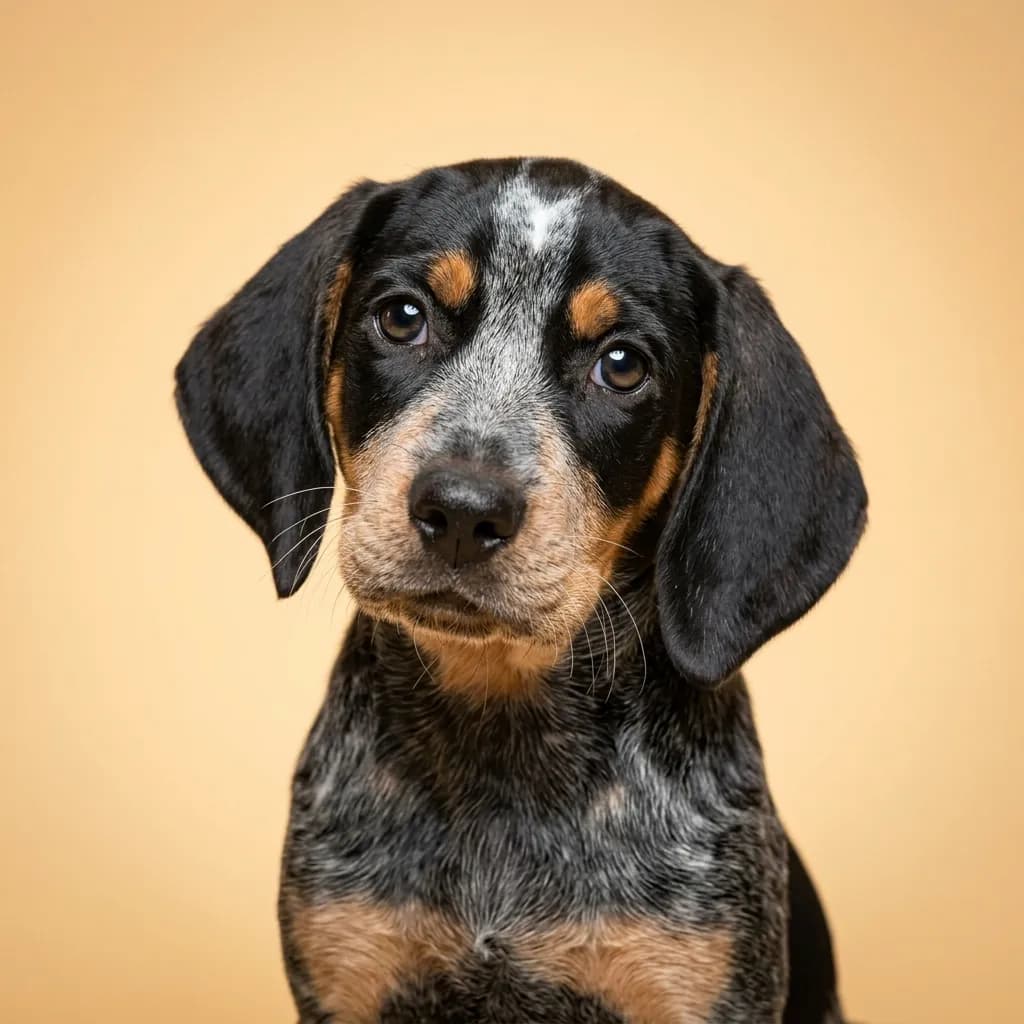
Bluetick Coonhound
Hound Group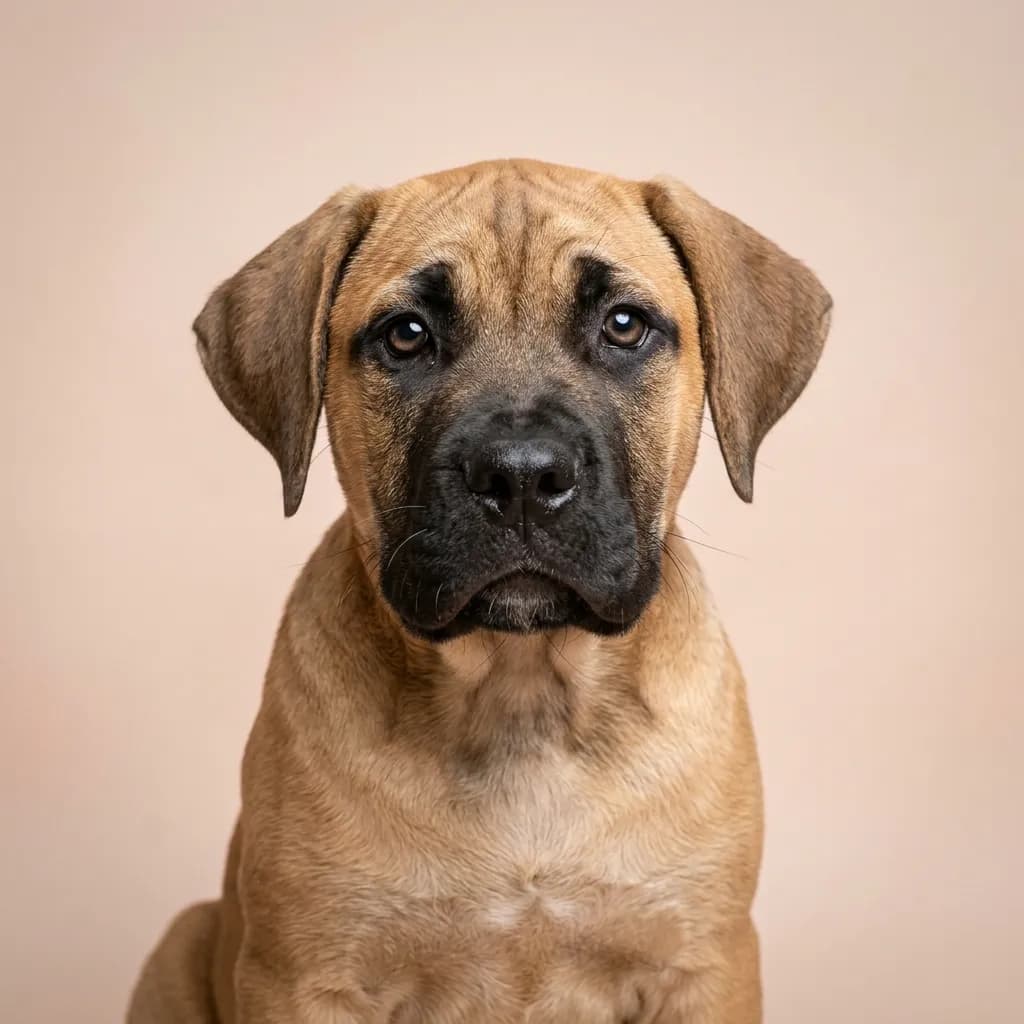
Boerboel
Working Group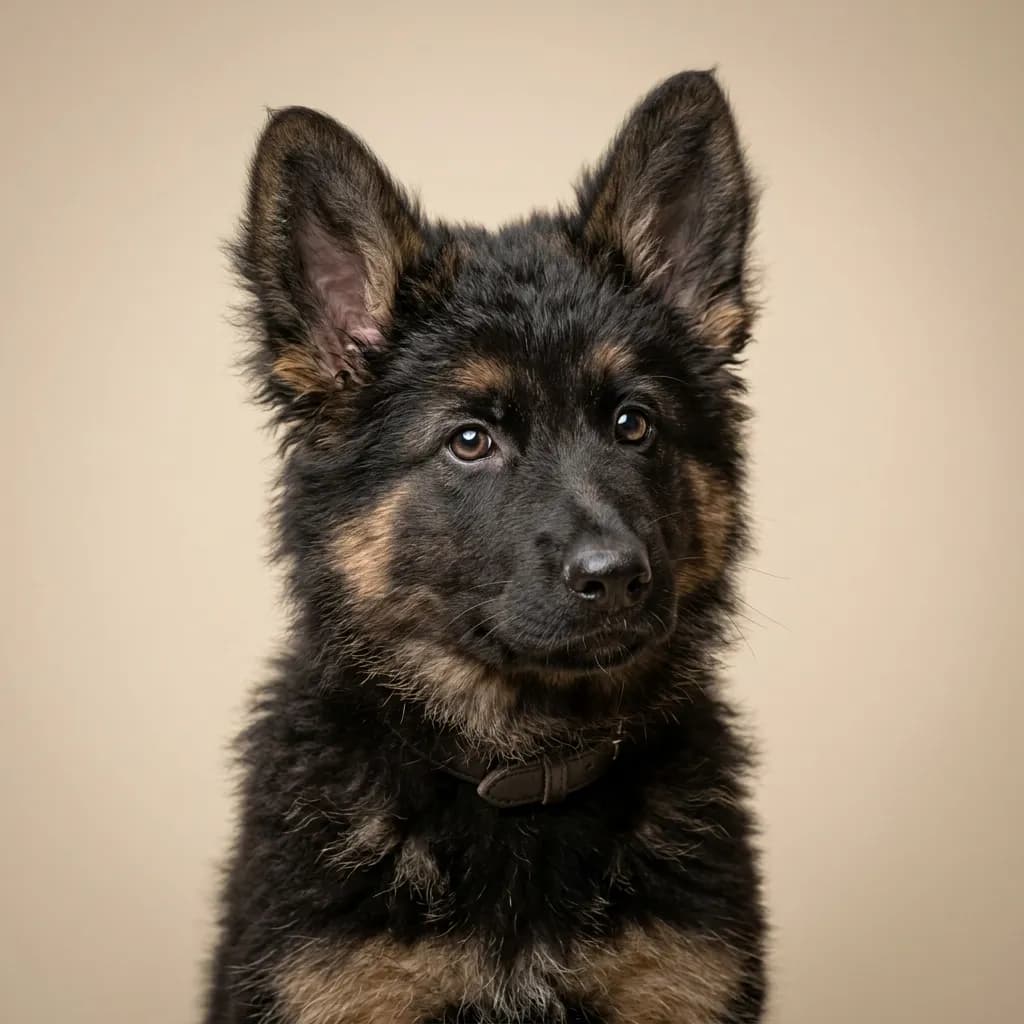
Bohemian Shepherd
Foundation Stock Service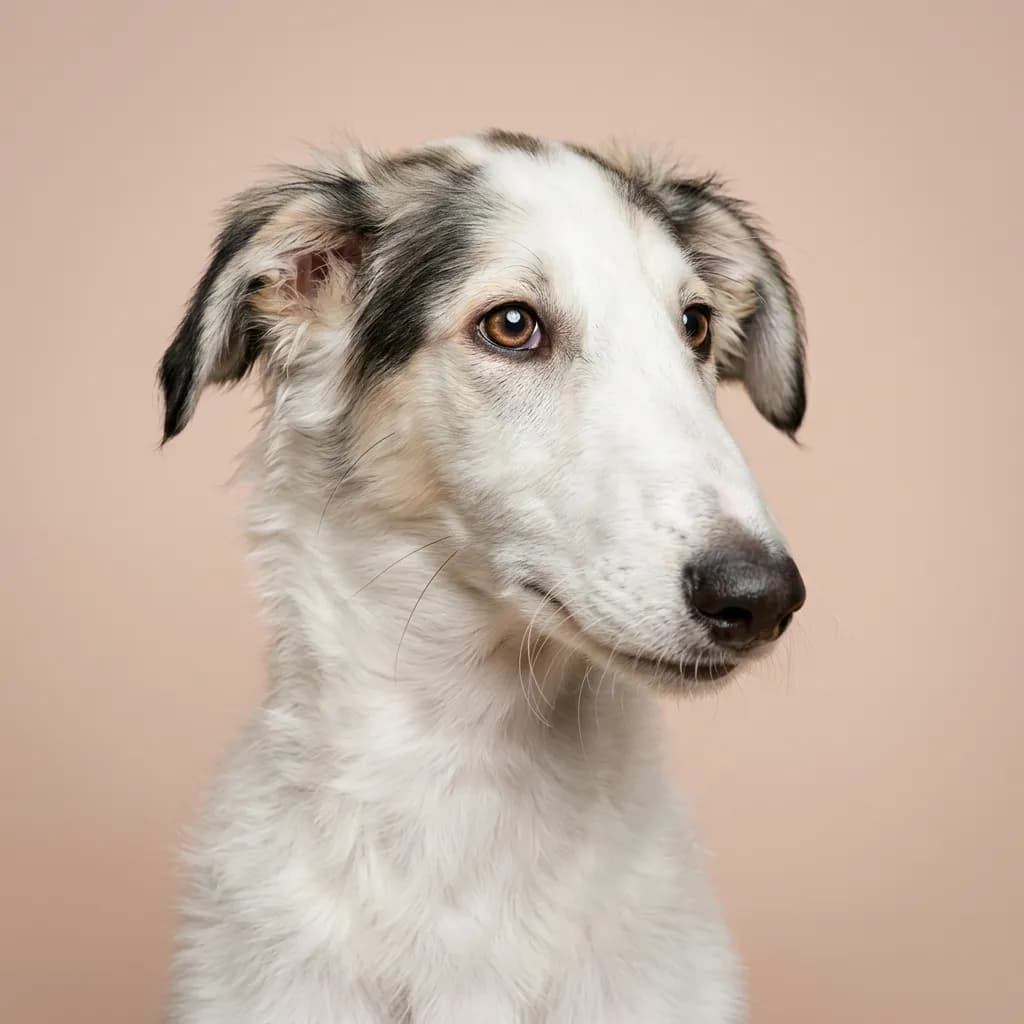
Borzoi
Hound Group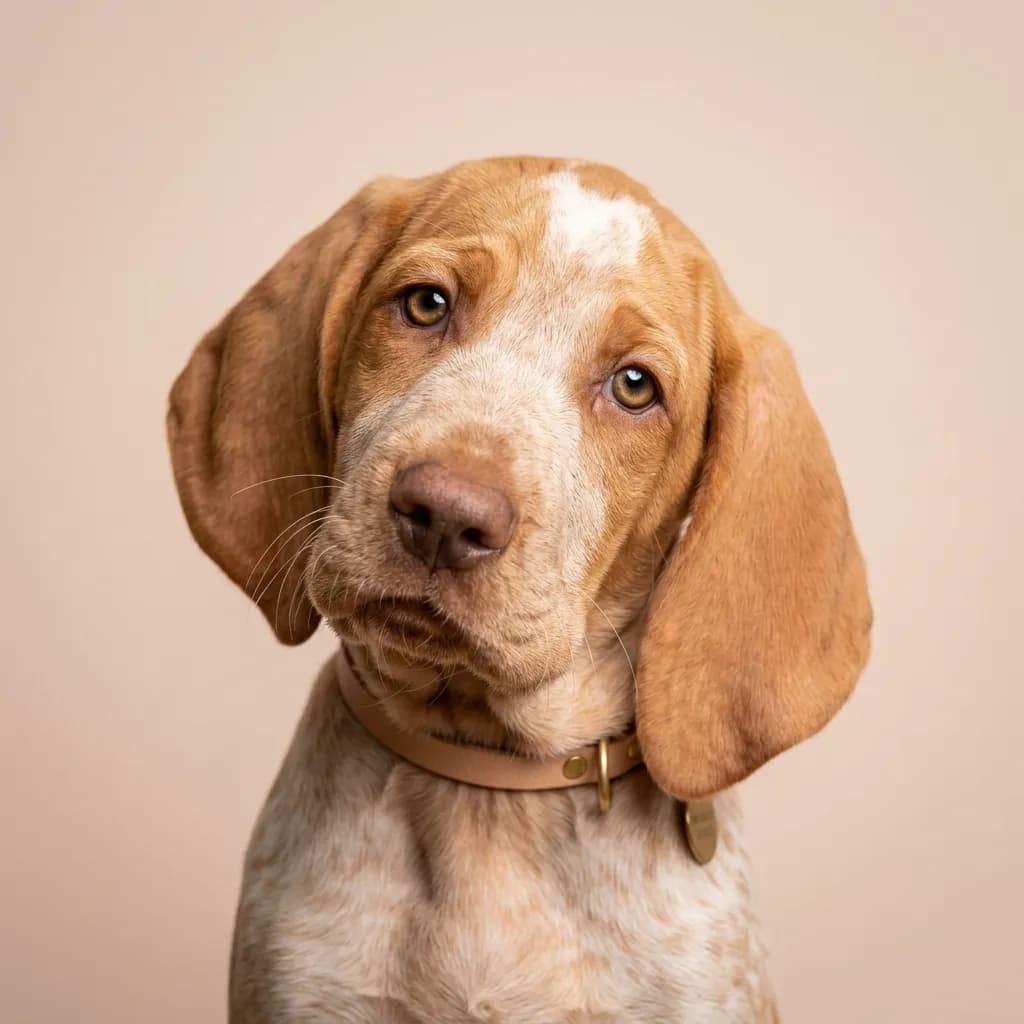
Bracco Italiano
Miscellaneous Class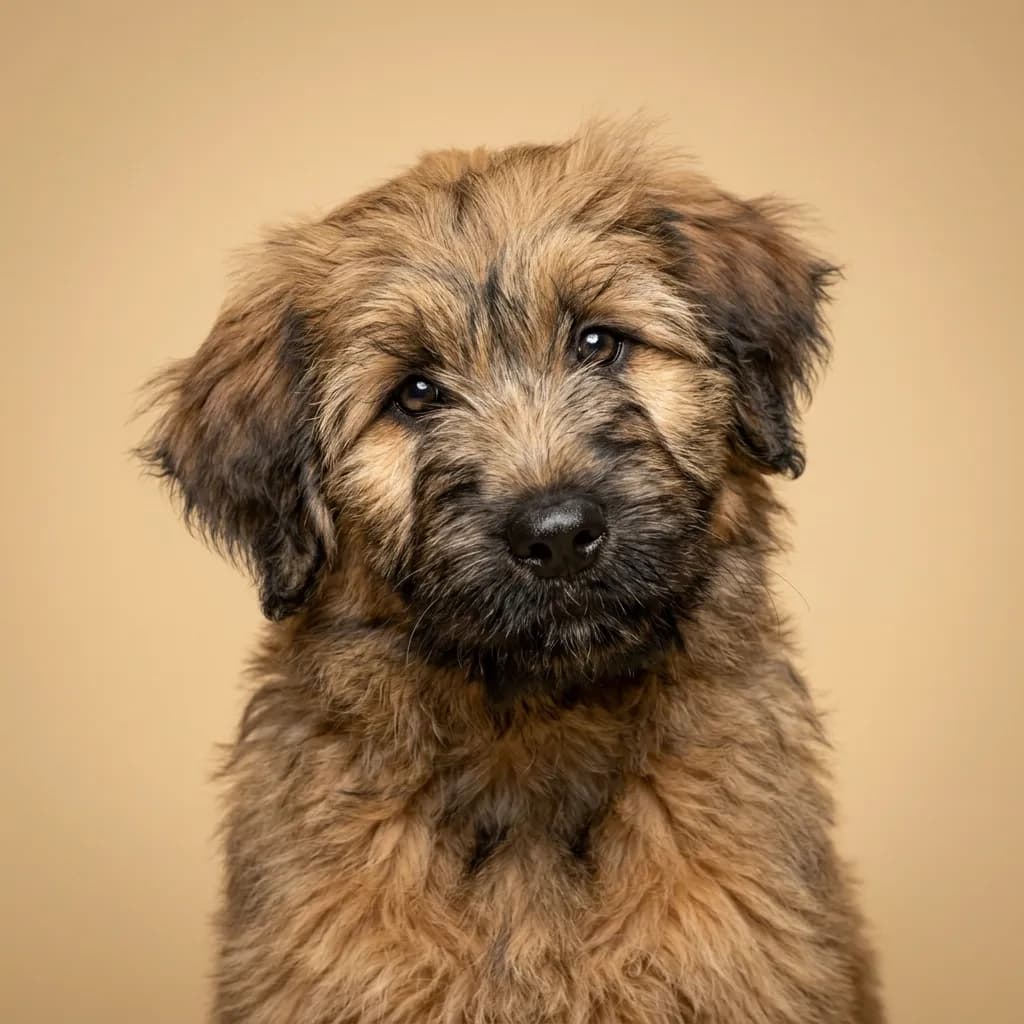
Briard
Herding Group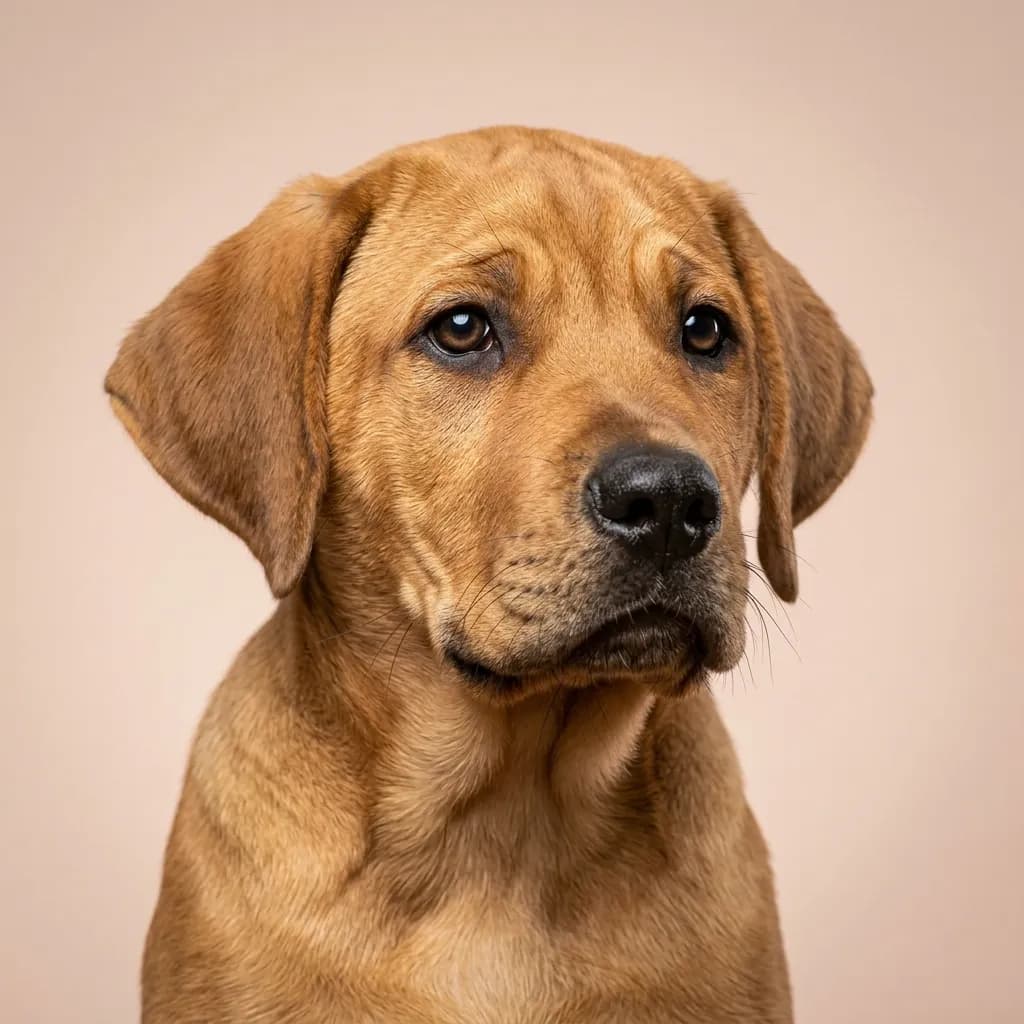
Broholmer
Foundation Stock Service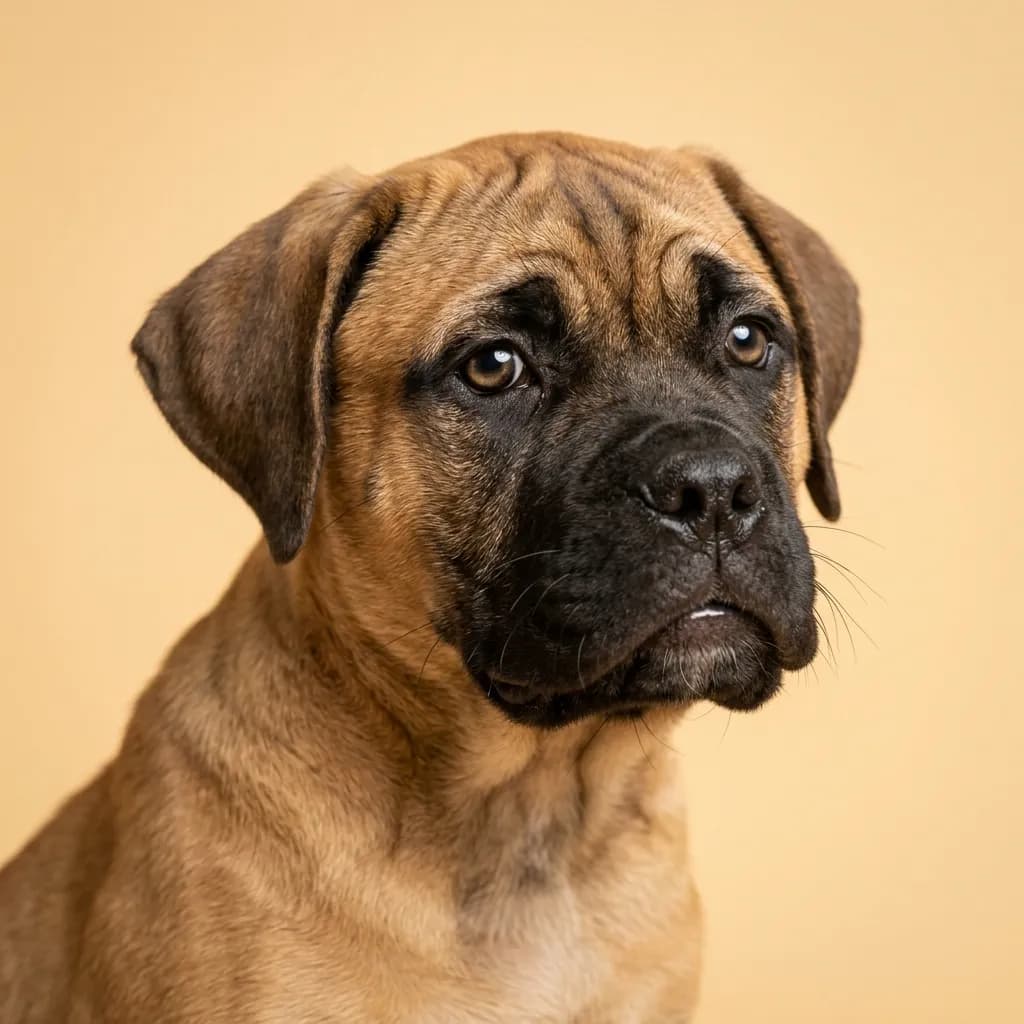
Bullmastiff
Working Group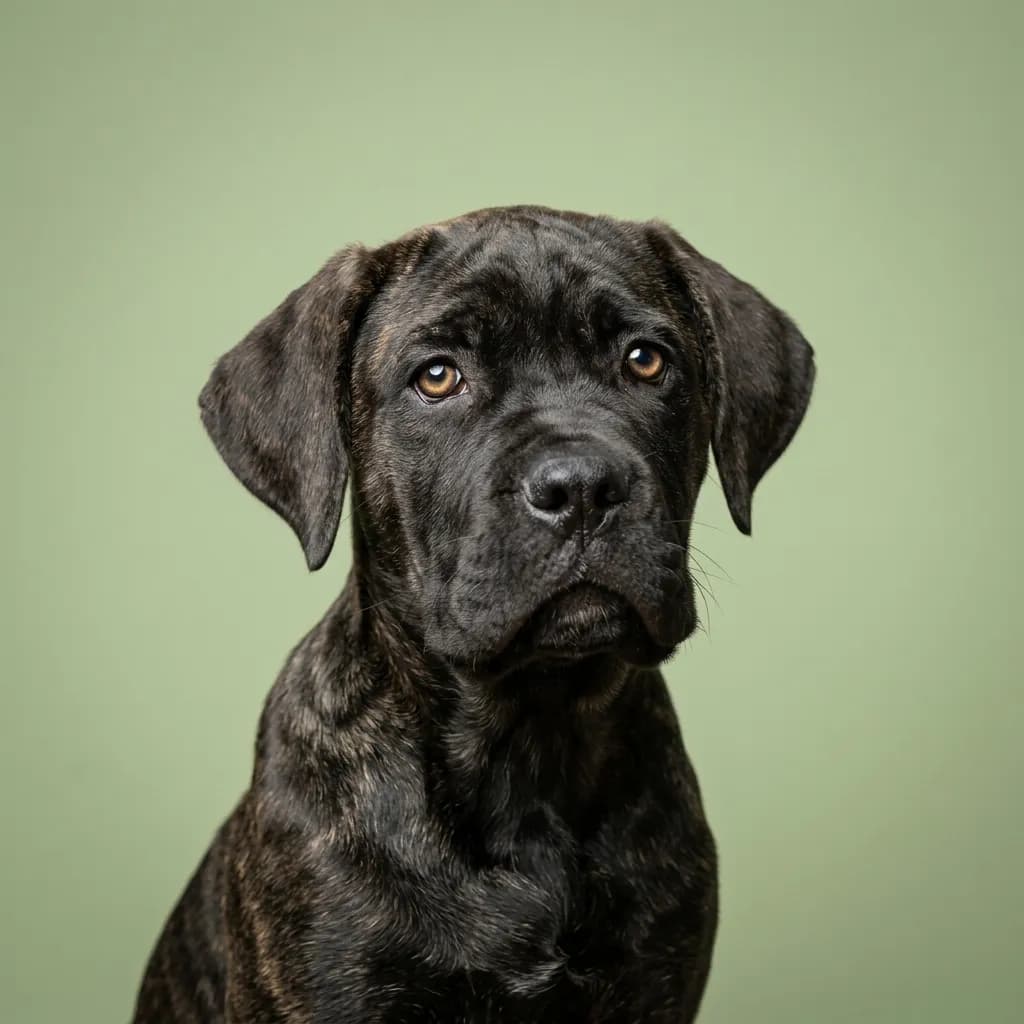
Cane Corso
Working Group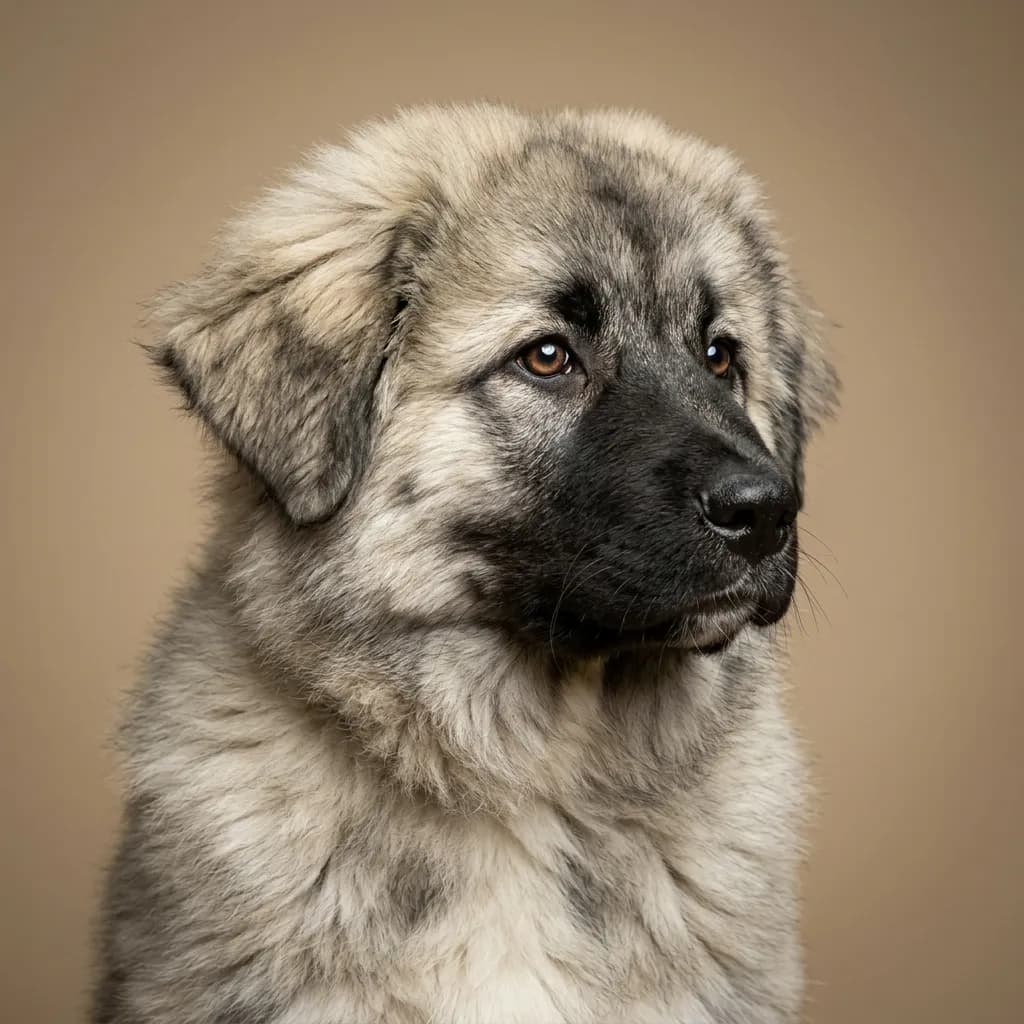
Caucasian Shepherd Dog
Foundation Stock Service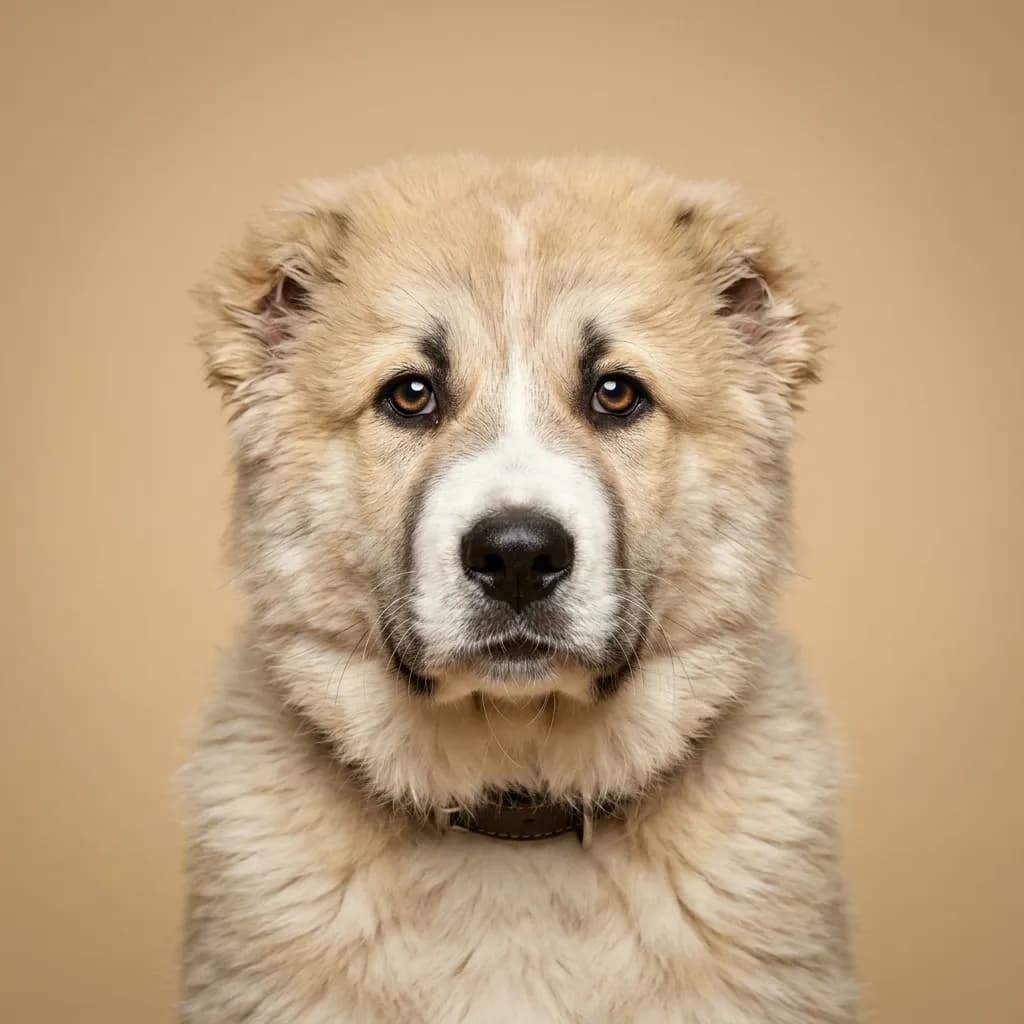
Central Asian Shepherd Dog
Foundation Stock Service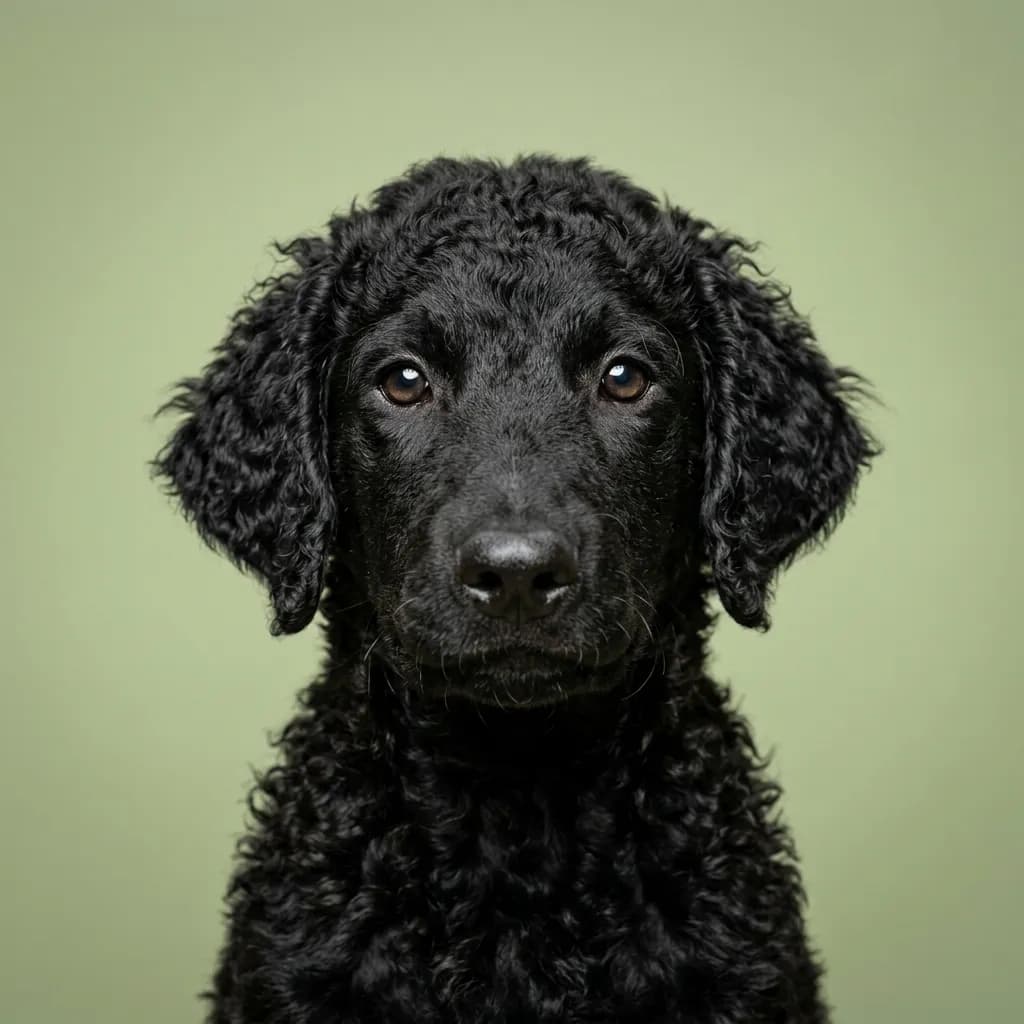
Curly-Coated Retriever
Sporting Group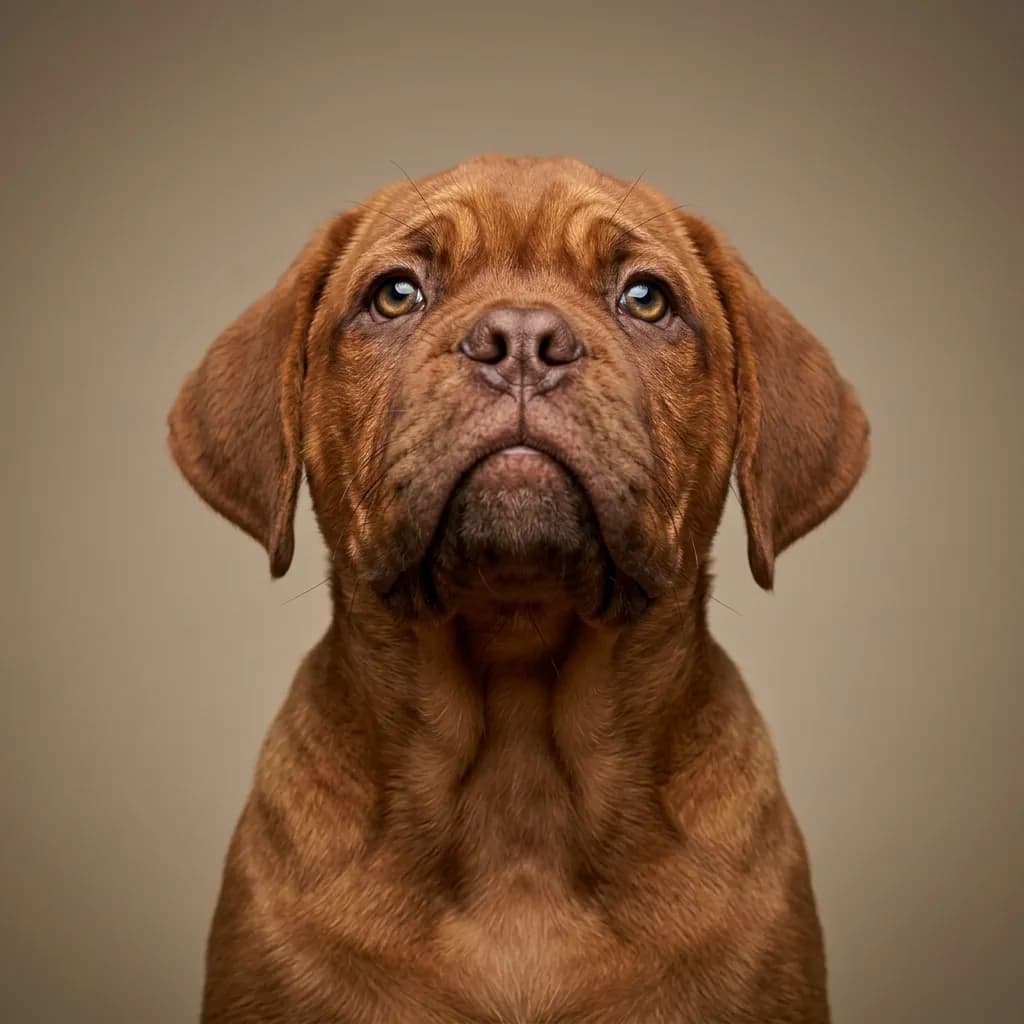
Dogue de Bordeaux
Working Group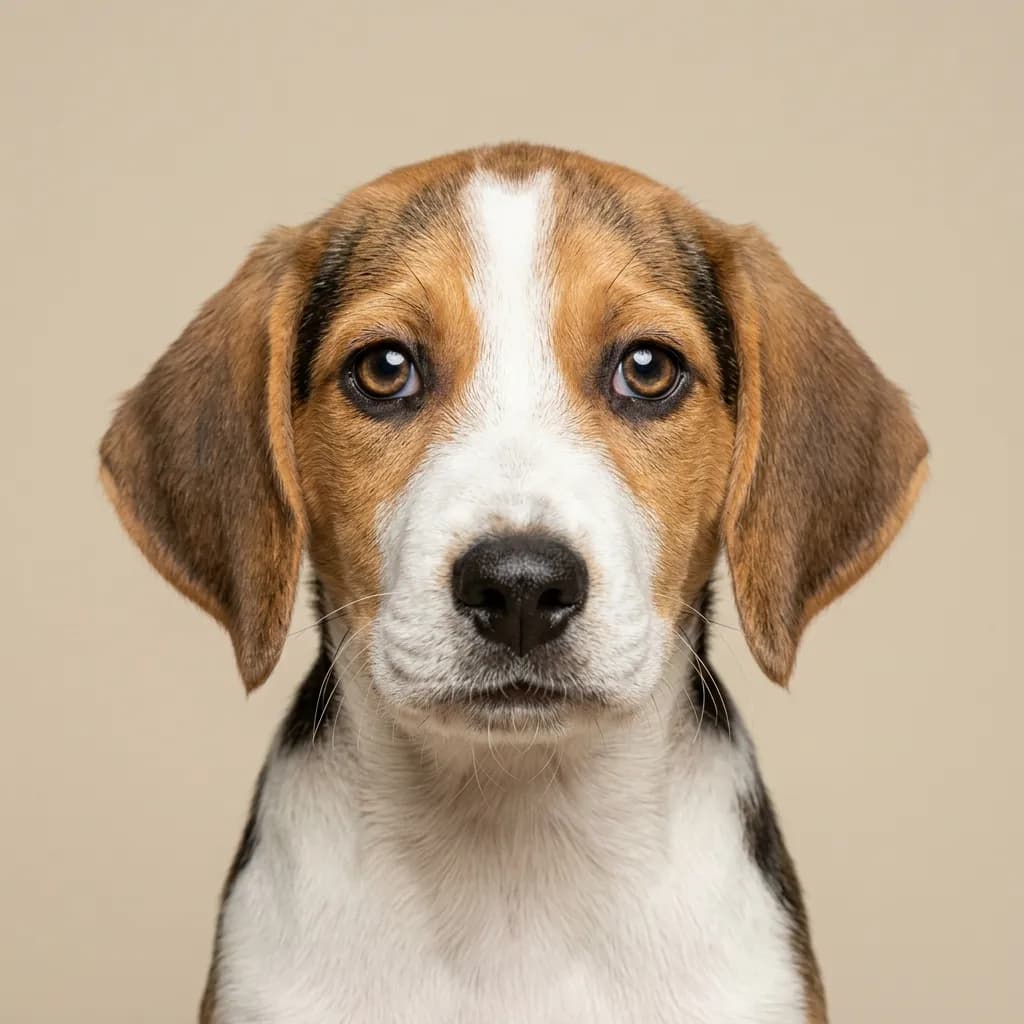
English Foxhound
Hound Group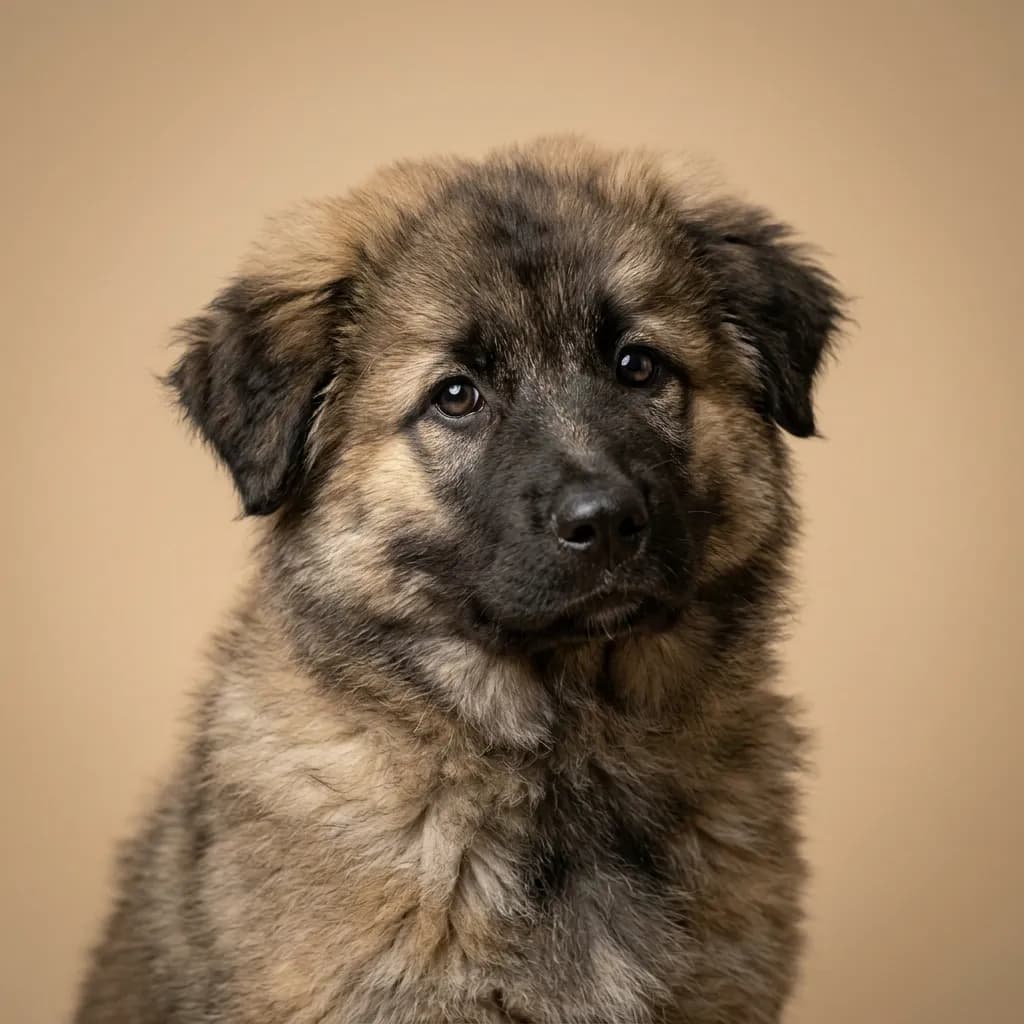
Estrela Mountain Dog
Foundation Stock Service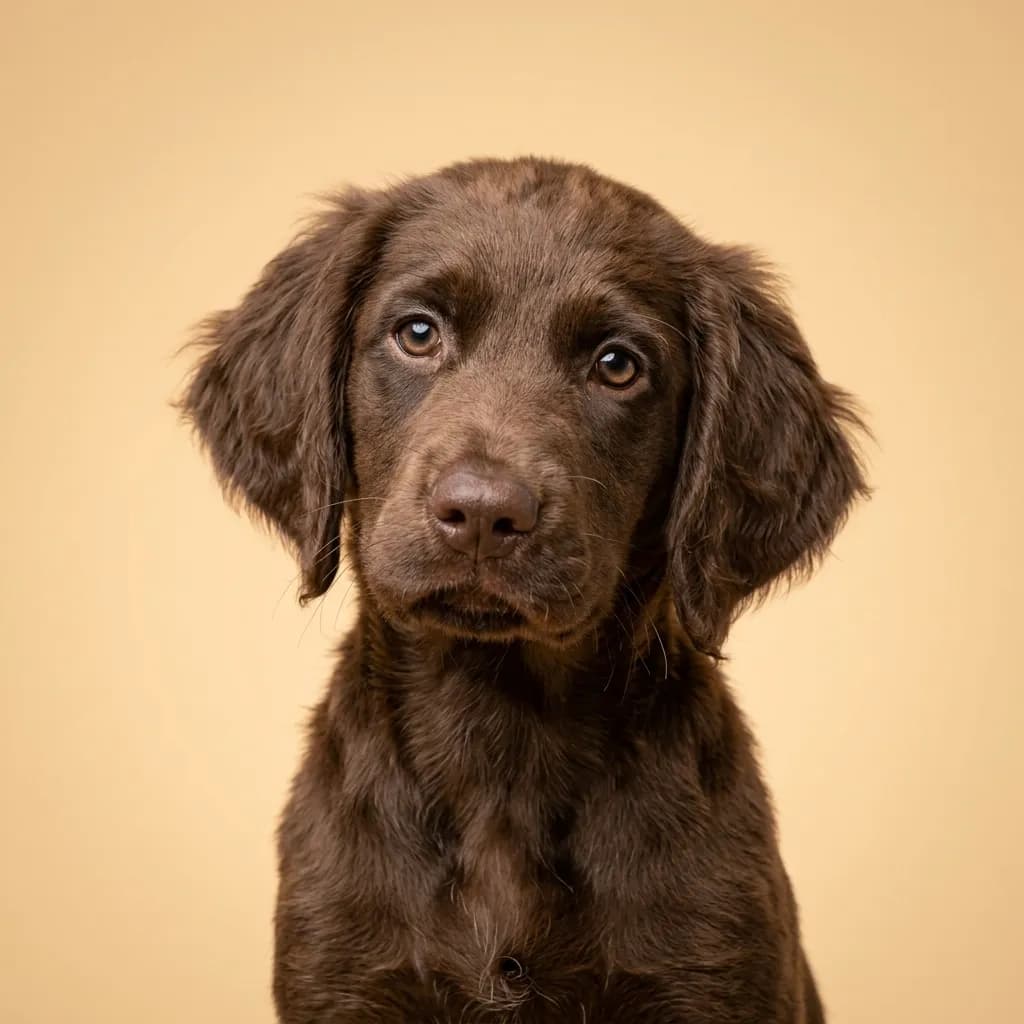
German Longhaired Pointer
Foundation Stock Service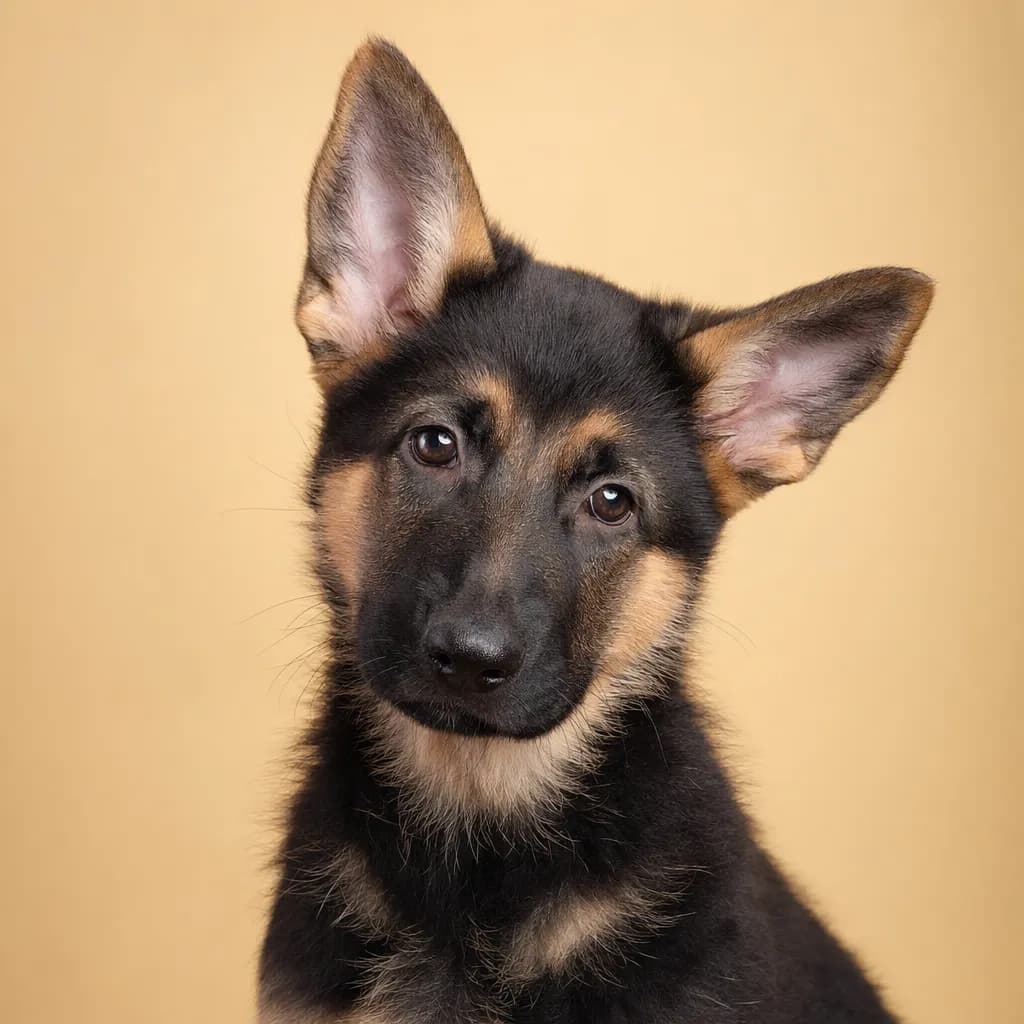
German Shepherd
Herding Group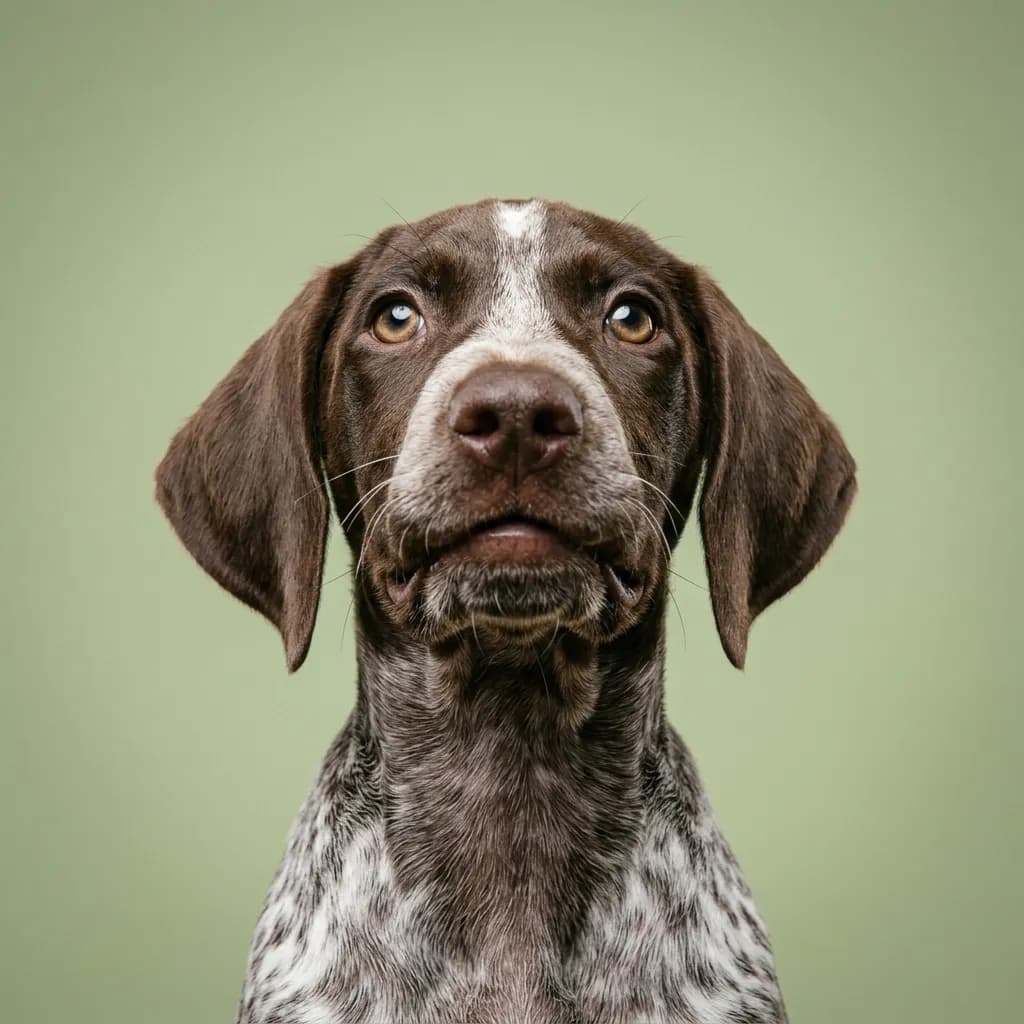
German Shorthaired Pointer
Sporting Group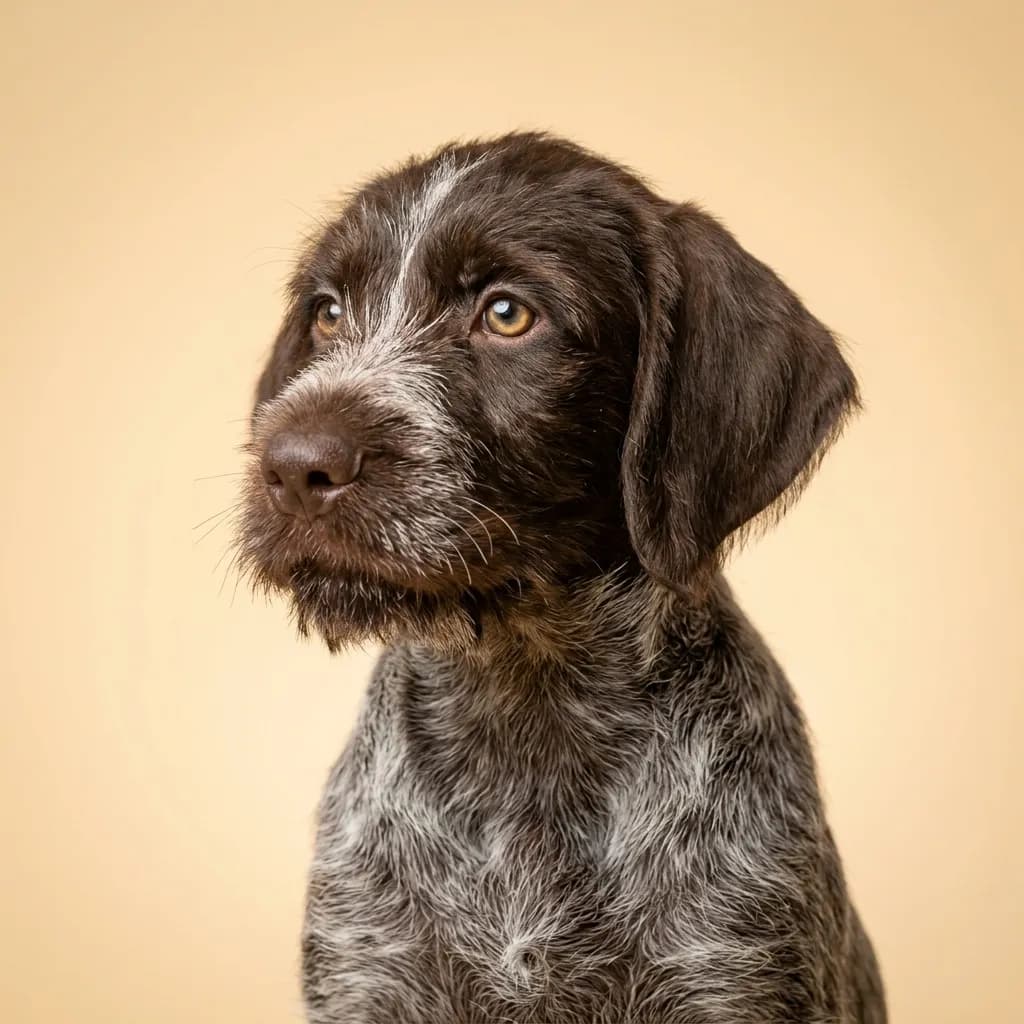
German Wirehaired Pointer
Sporting Group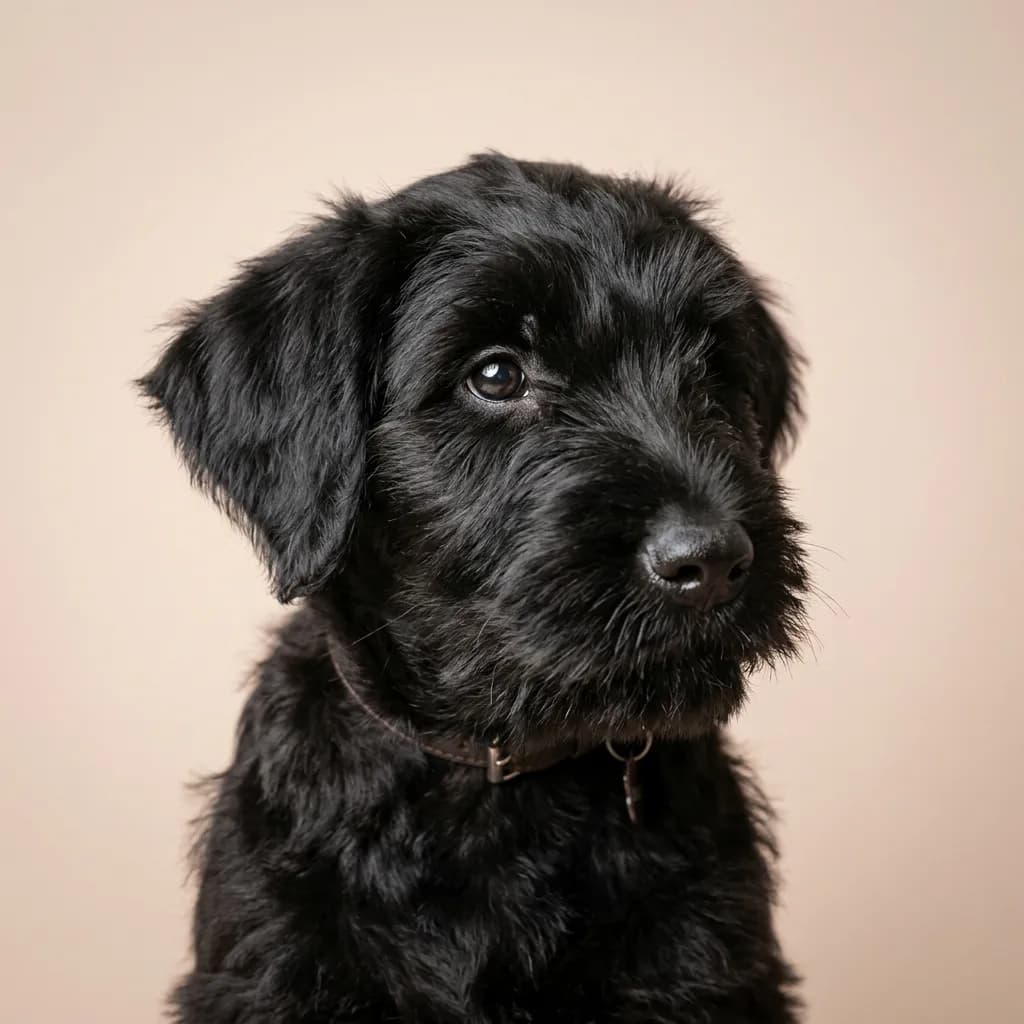
Giant Schnauzer
Working Group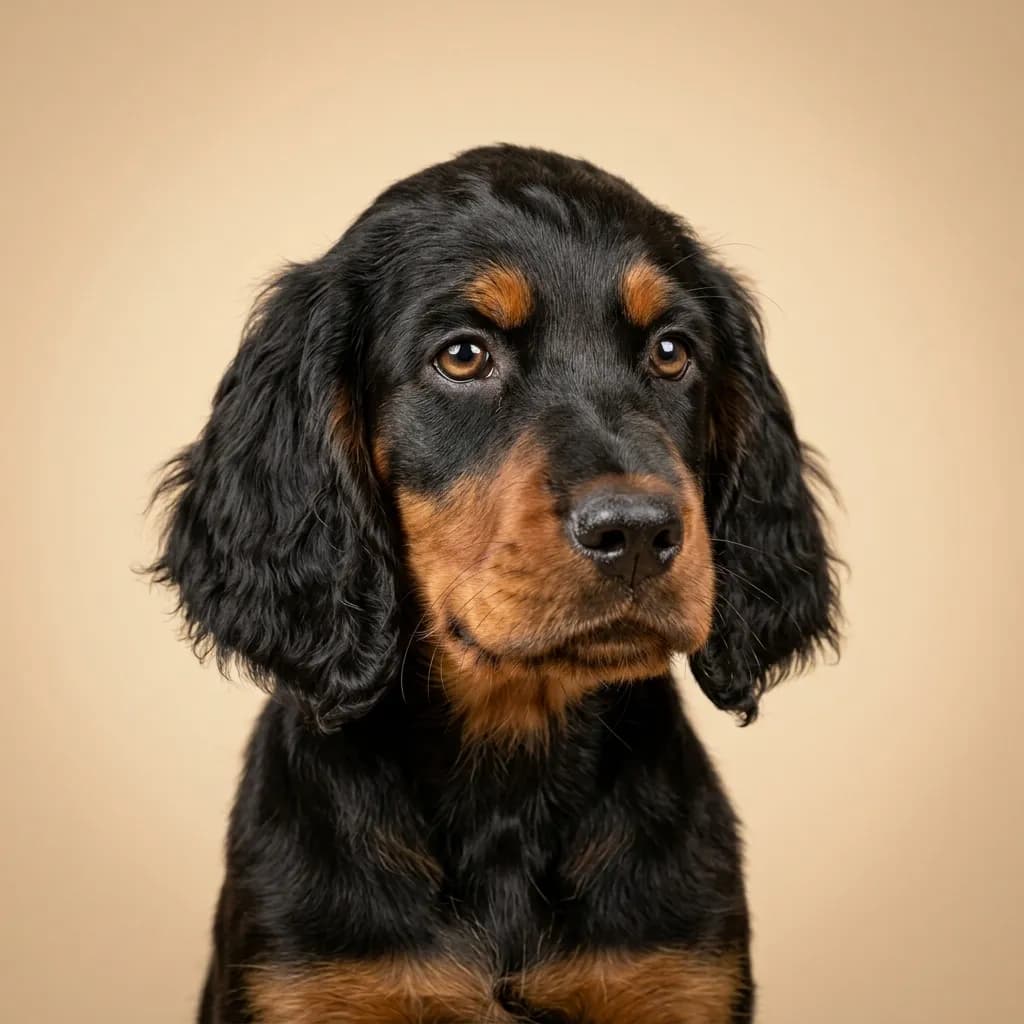
Gordon Setter
Sporting Group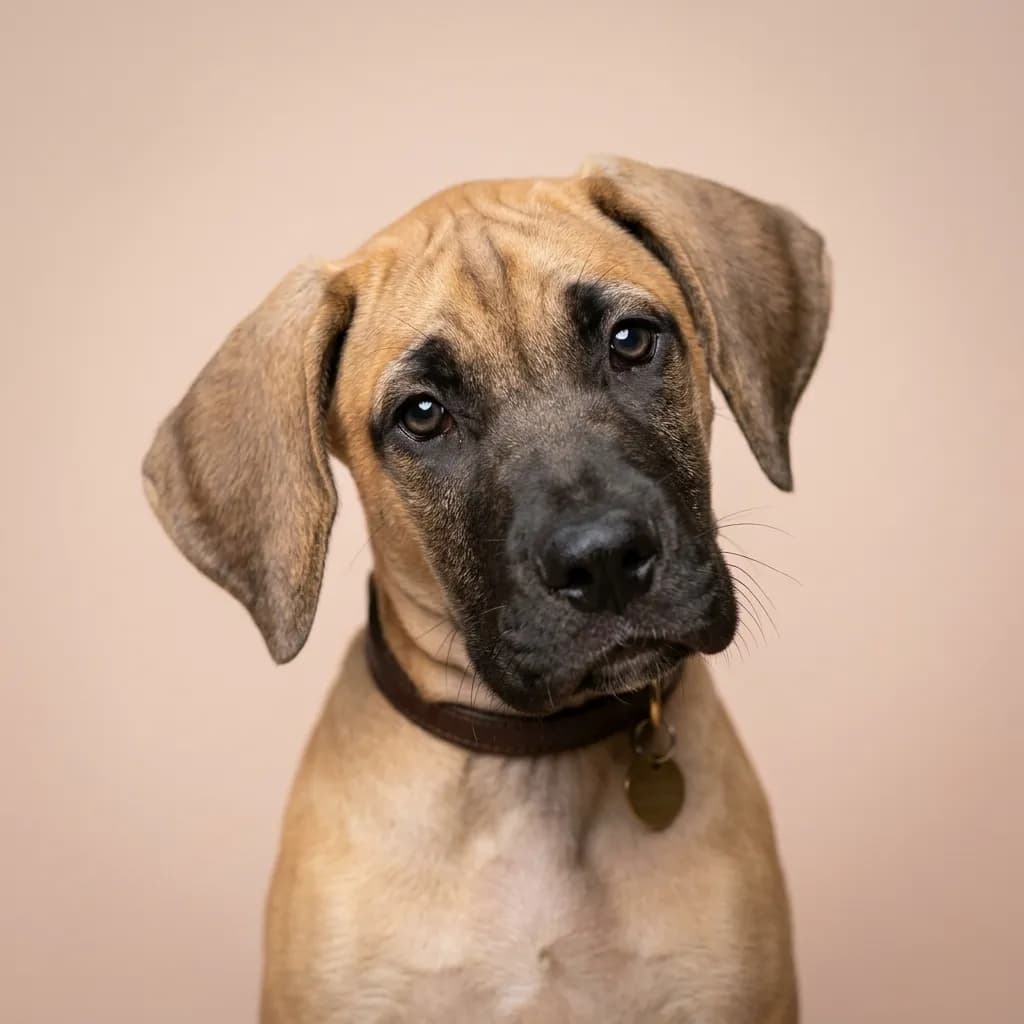
Great Dane
Working Group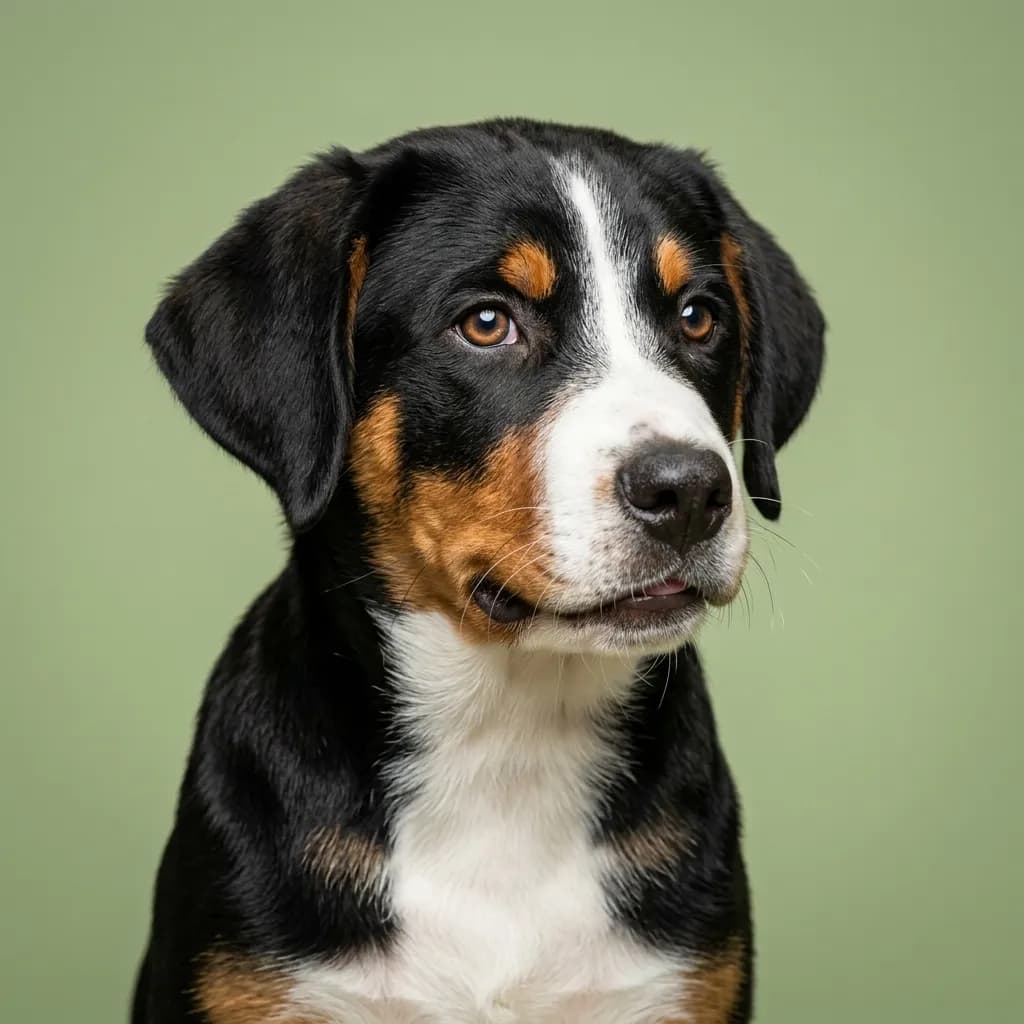
Greater Swiss Mountain Dog
Working Group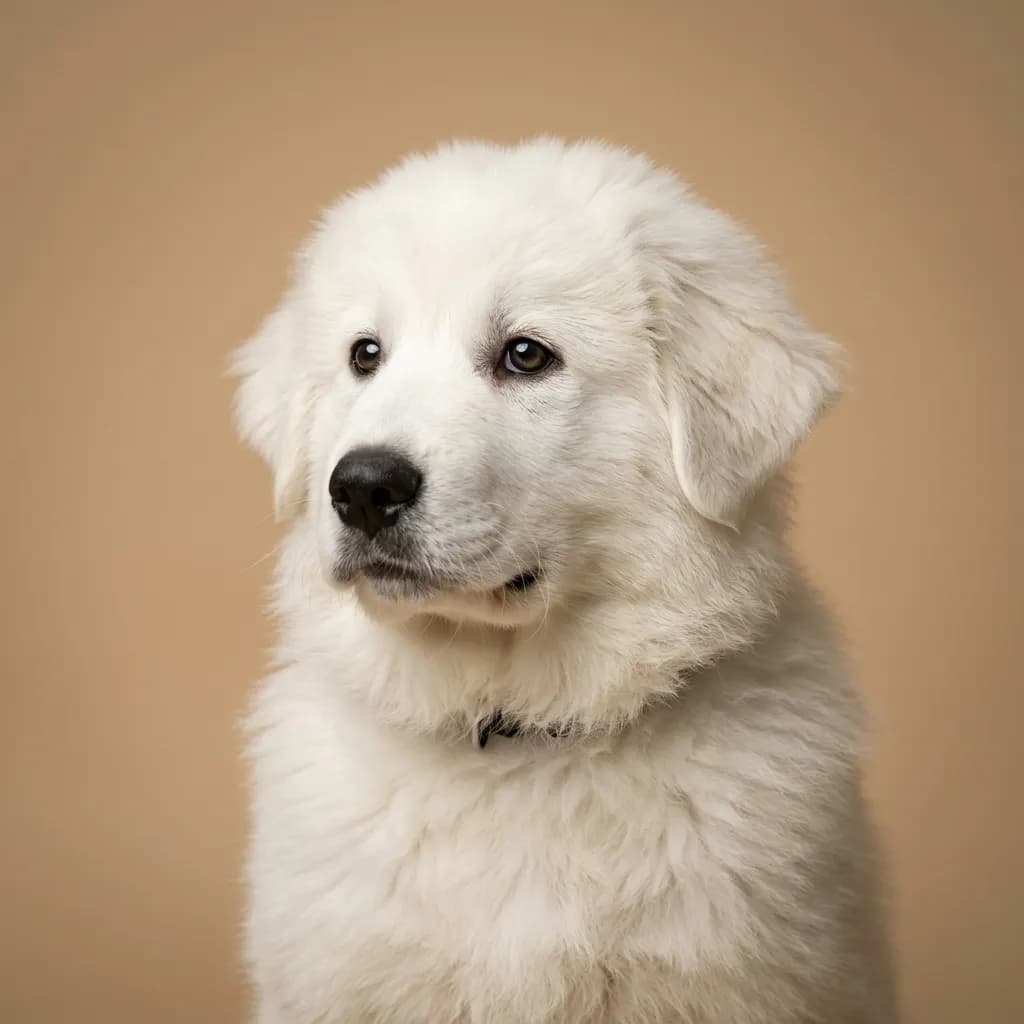
Great Pyrenees
Working Group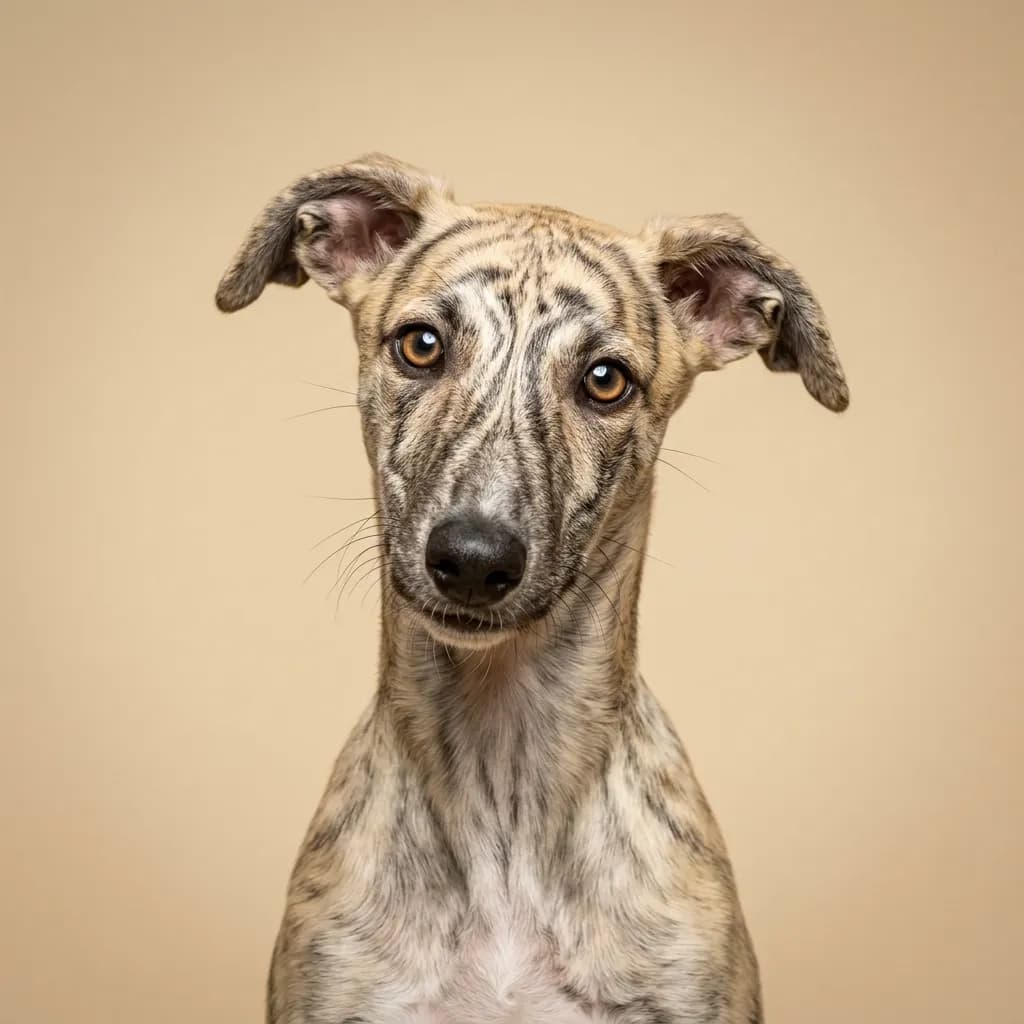
Greyhound
Hound Group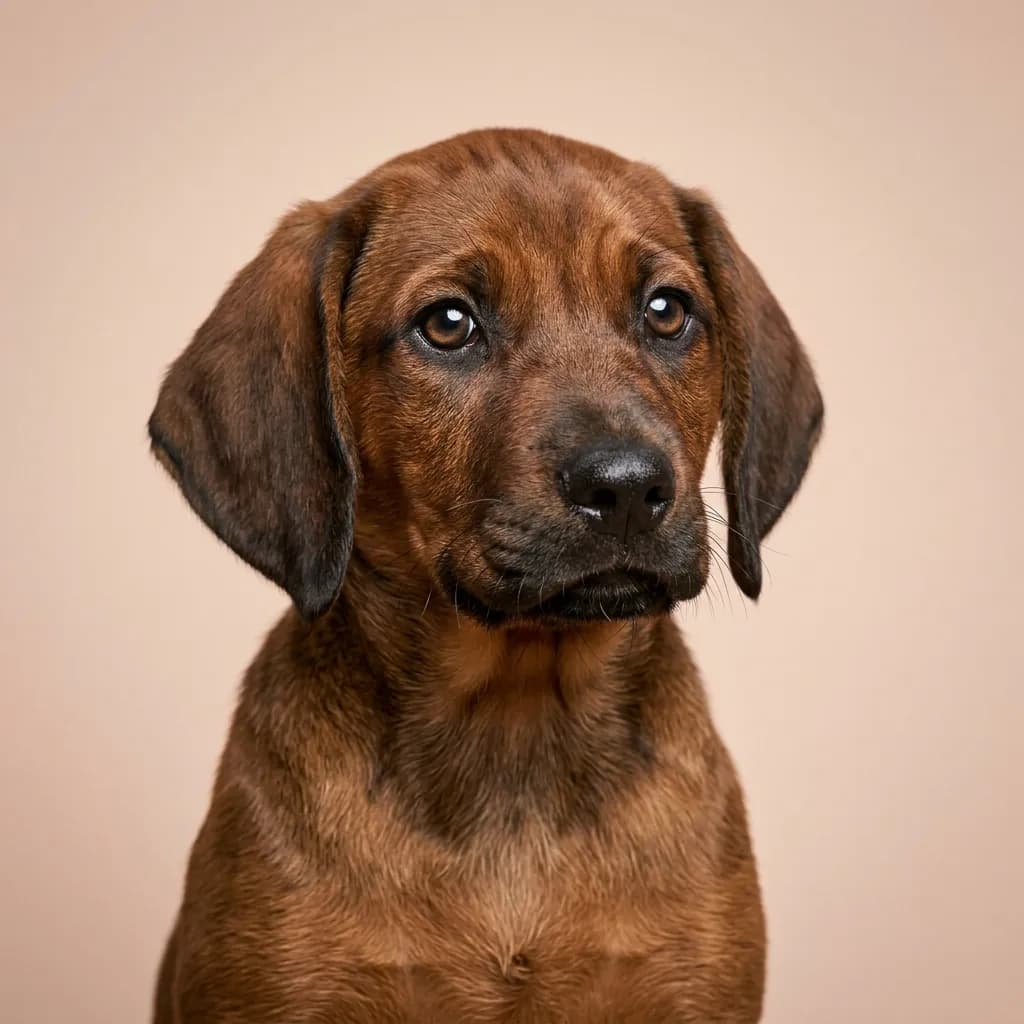
Hanoverian Scenthound
Foundation Stock Service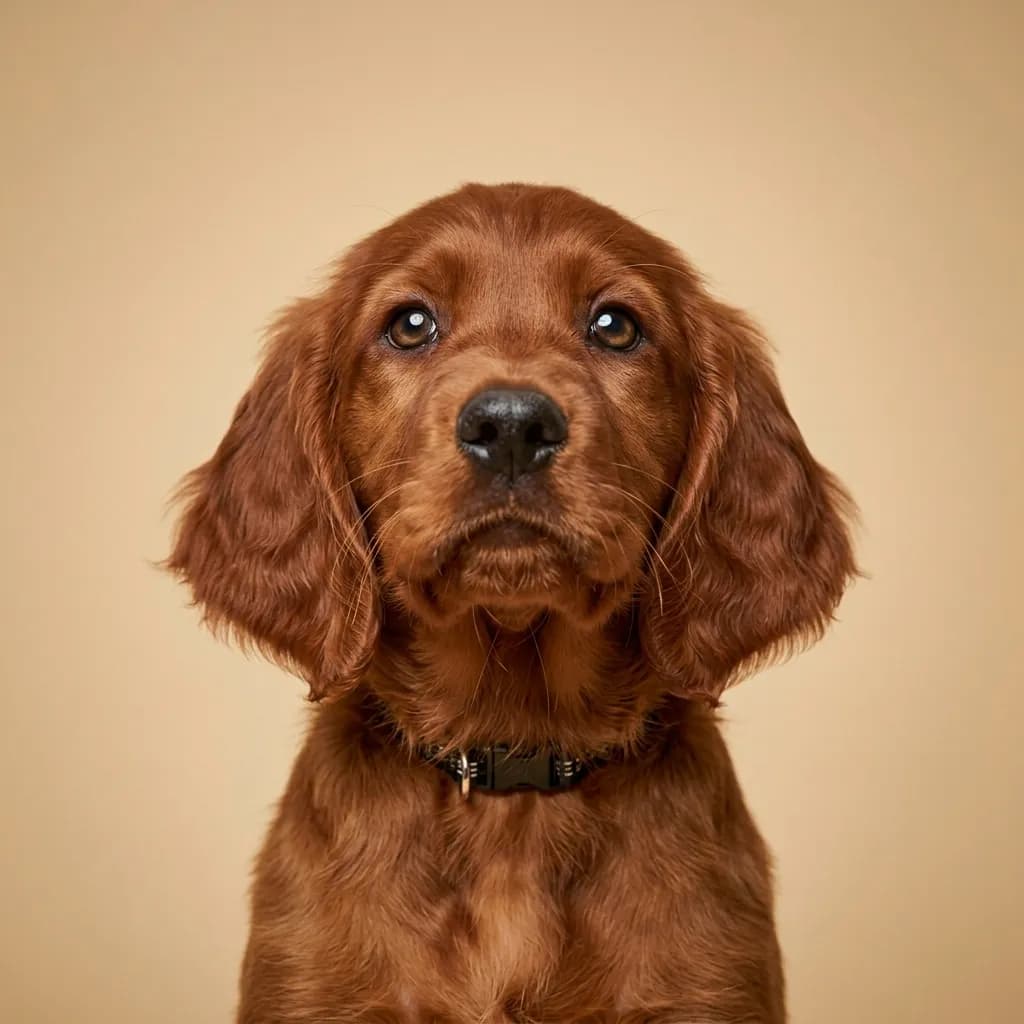
Irish Setter
Sporting Group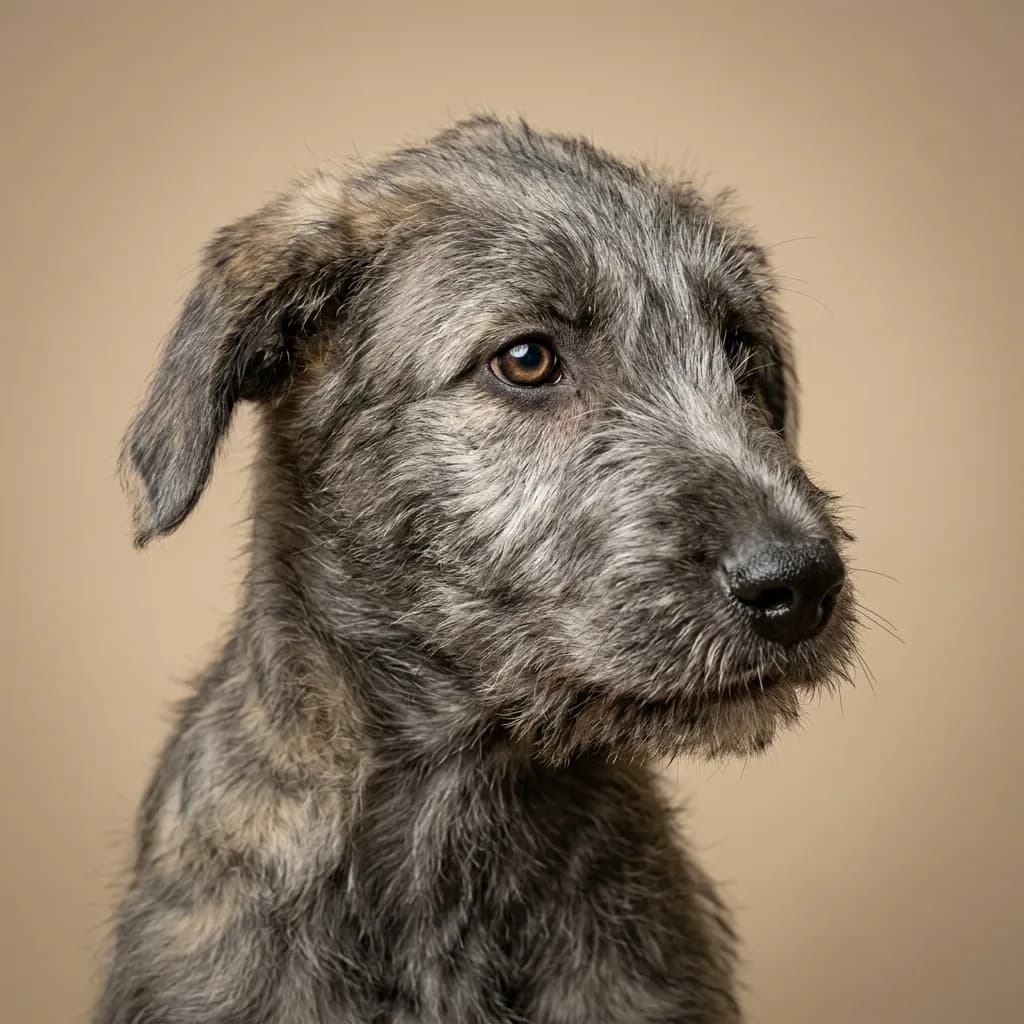
Irish Wolfhound
Hound Group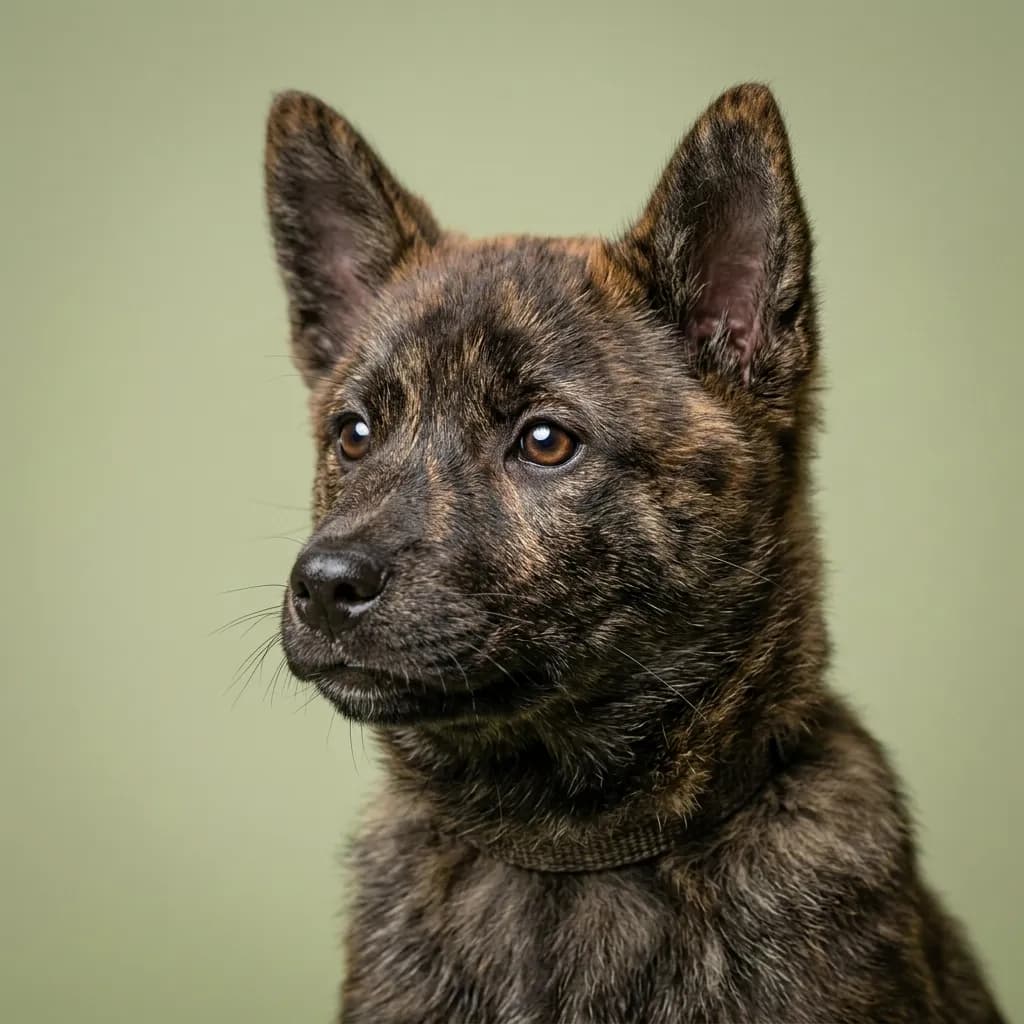
Kai Ken
Foundation Stock Service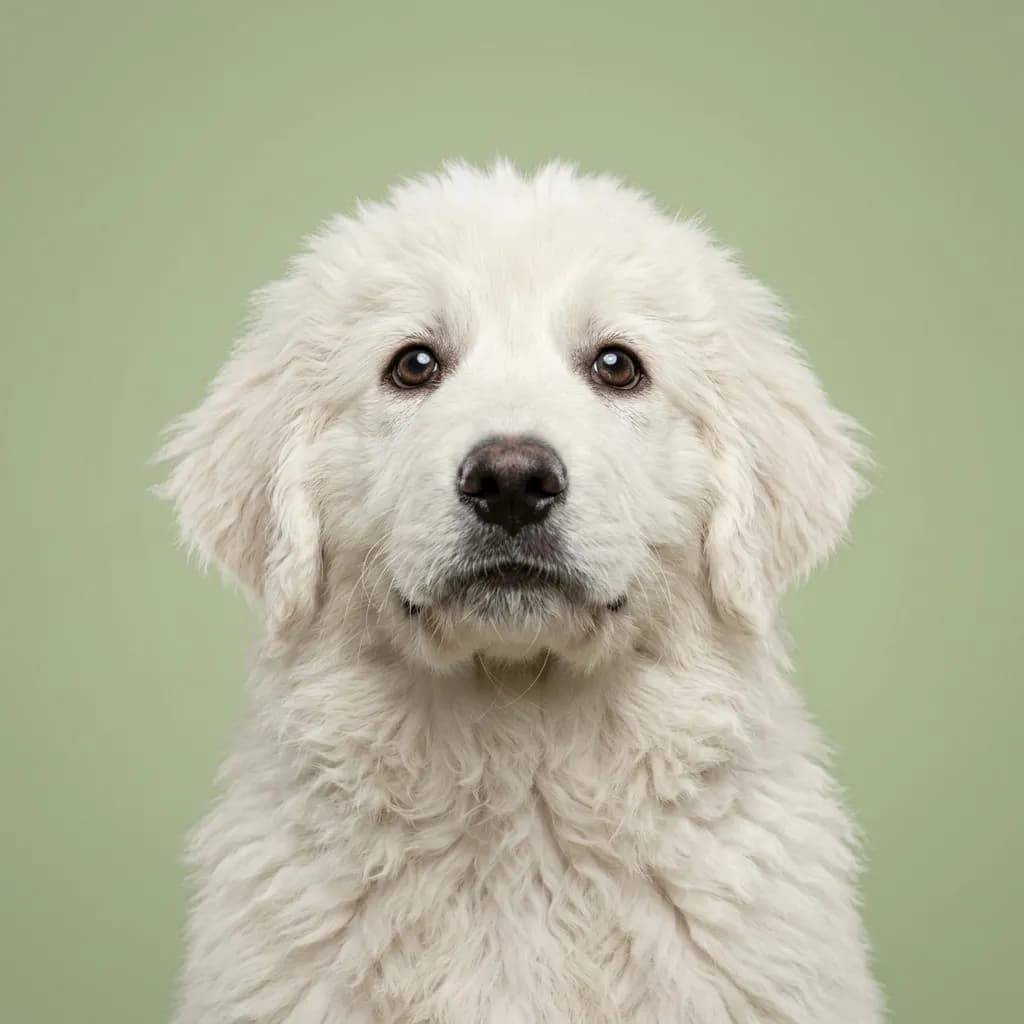
Komondor
Working Group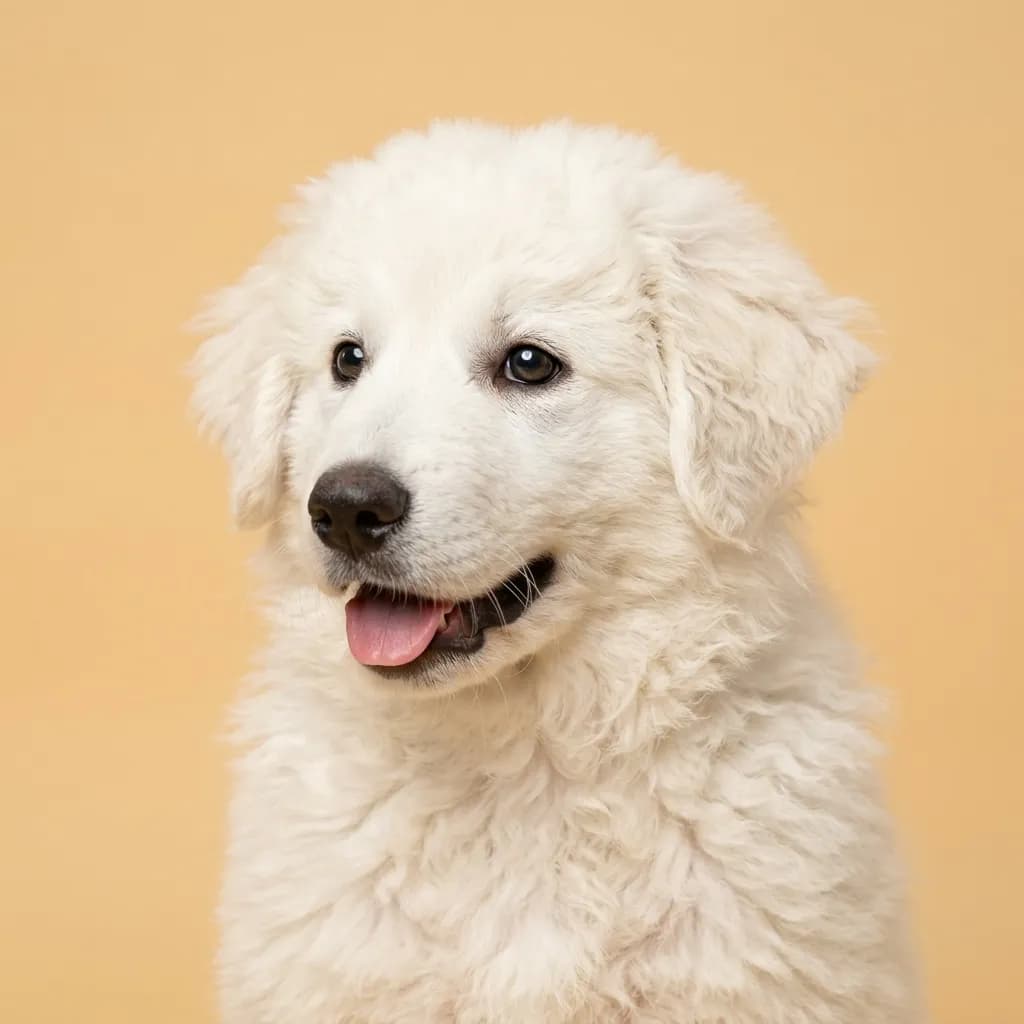
Kuvasz
Working Group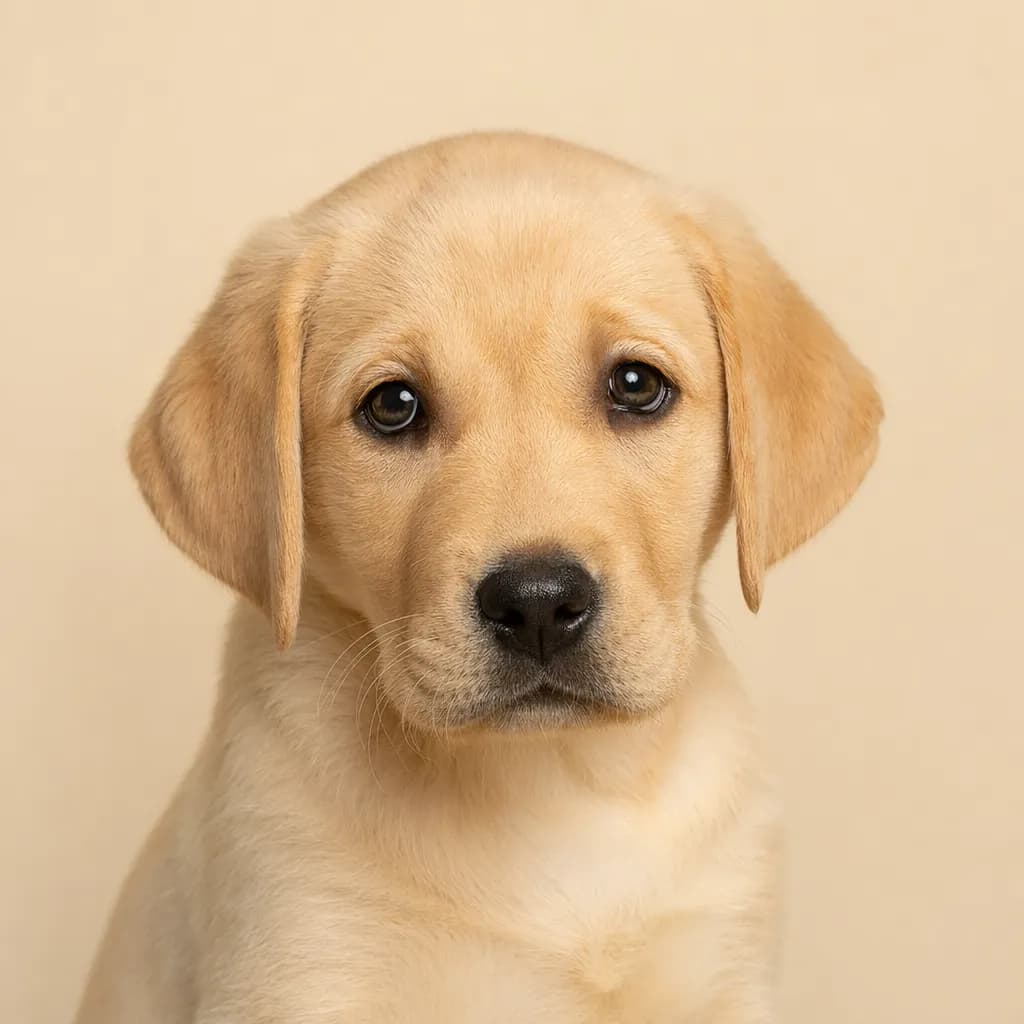
Labrador Retriever
Sporting Group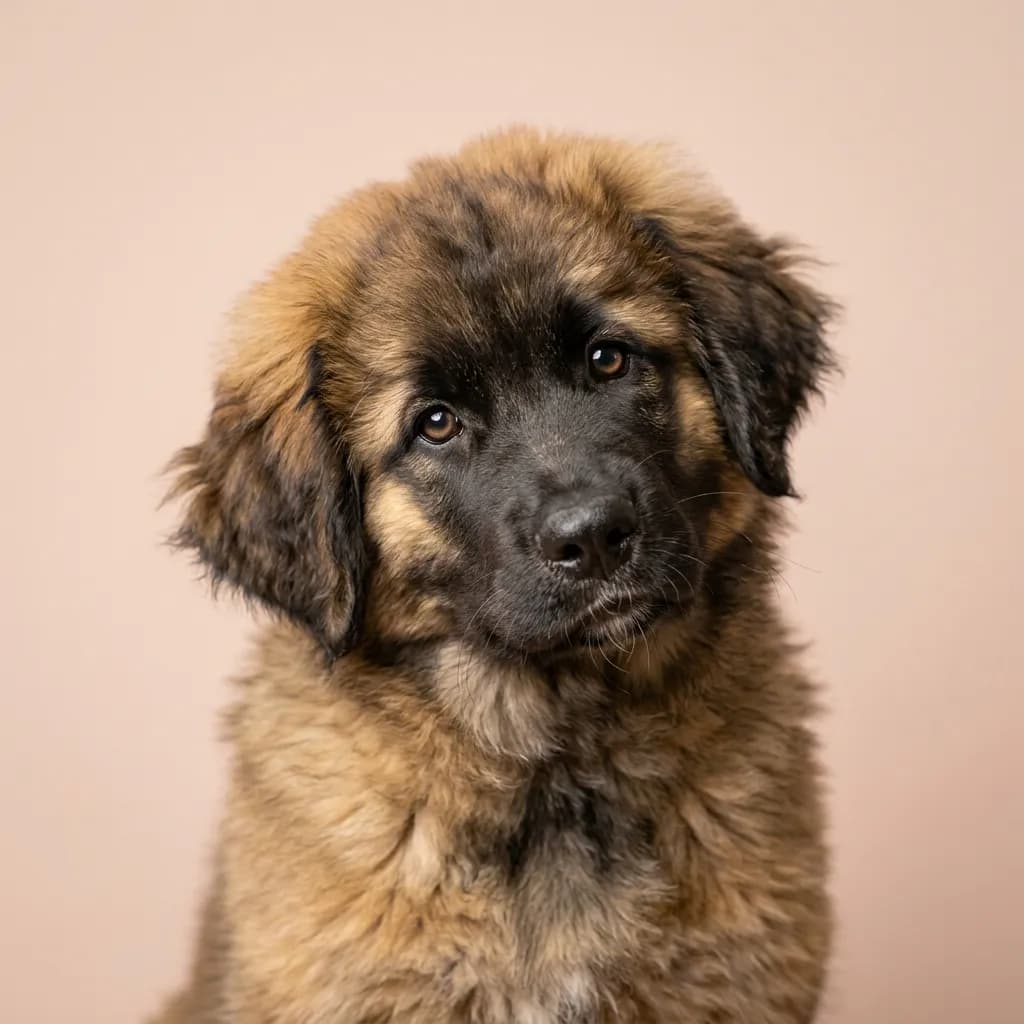
Leonberger
Working Group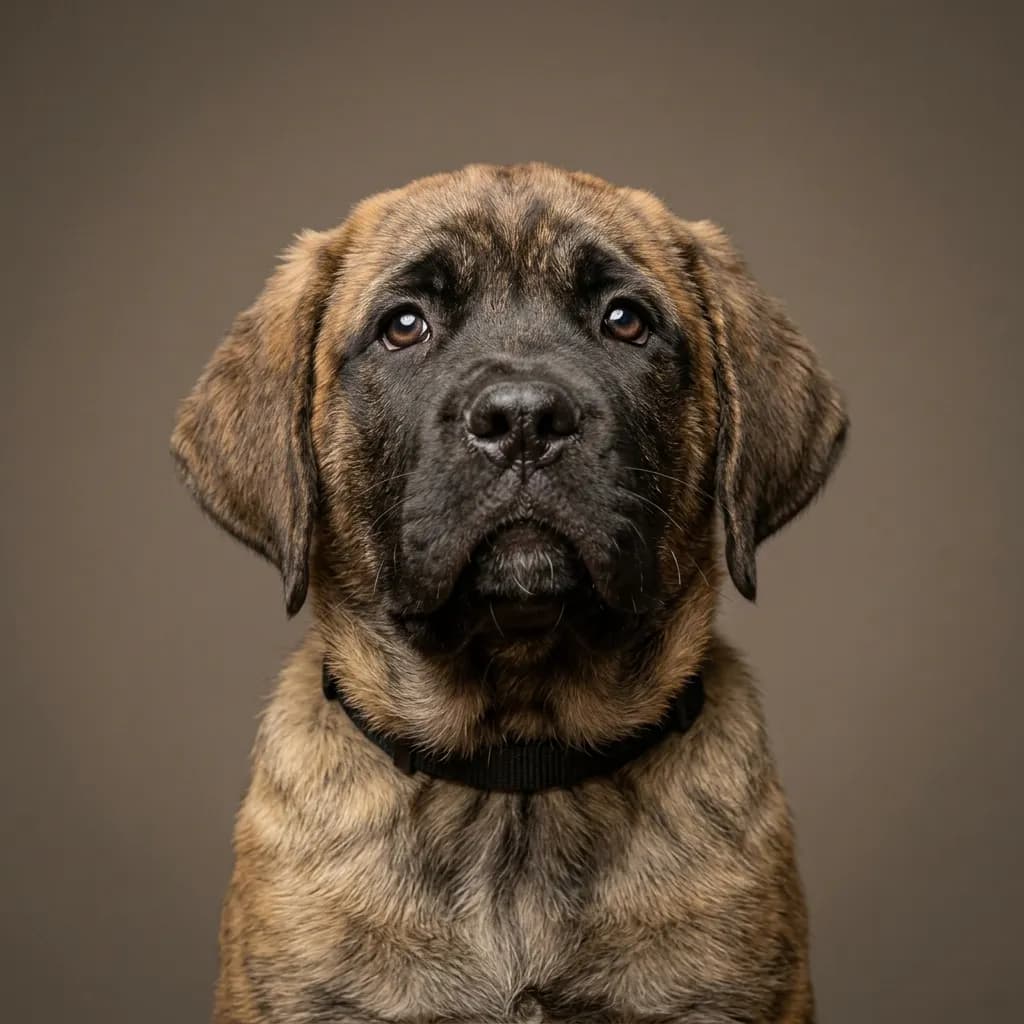
Mastiff
Working Group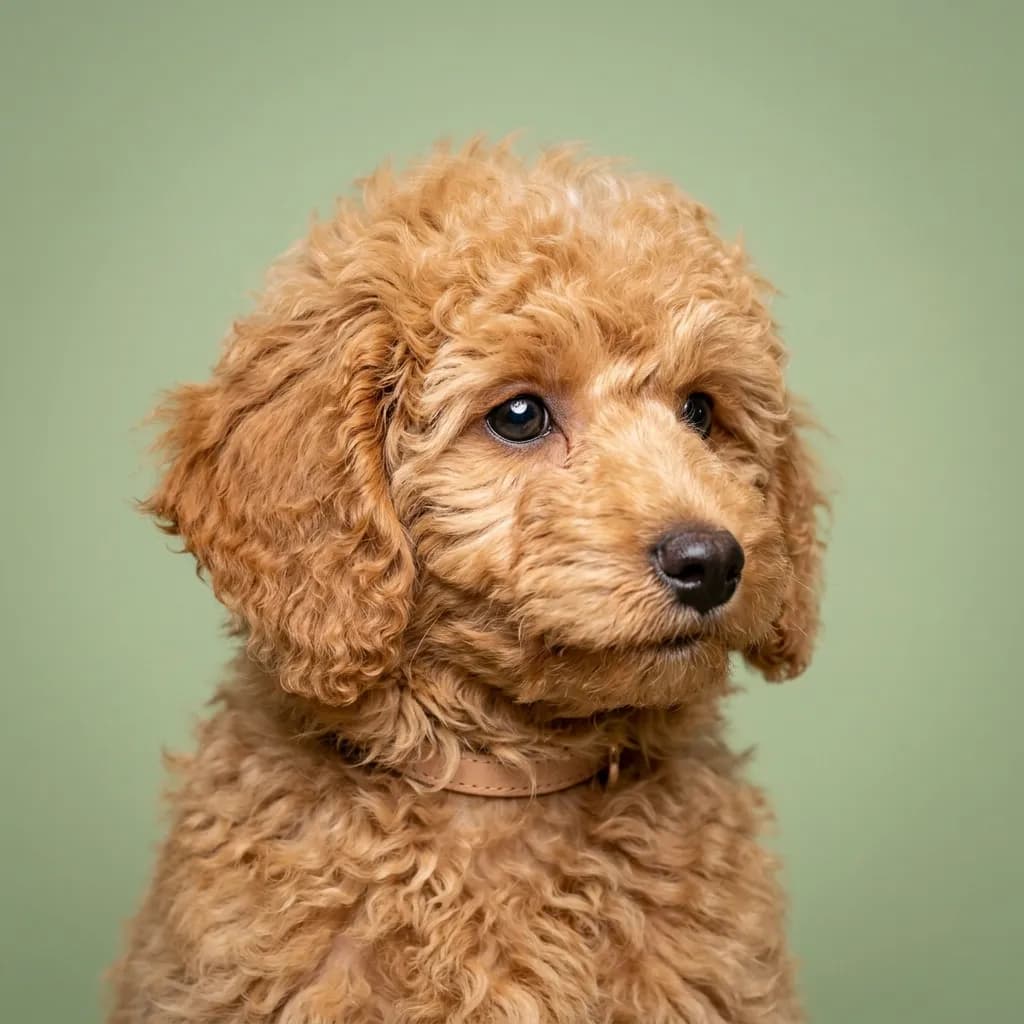
Miniature Poodle
Non-Sporting Group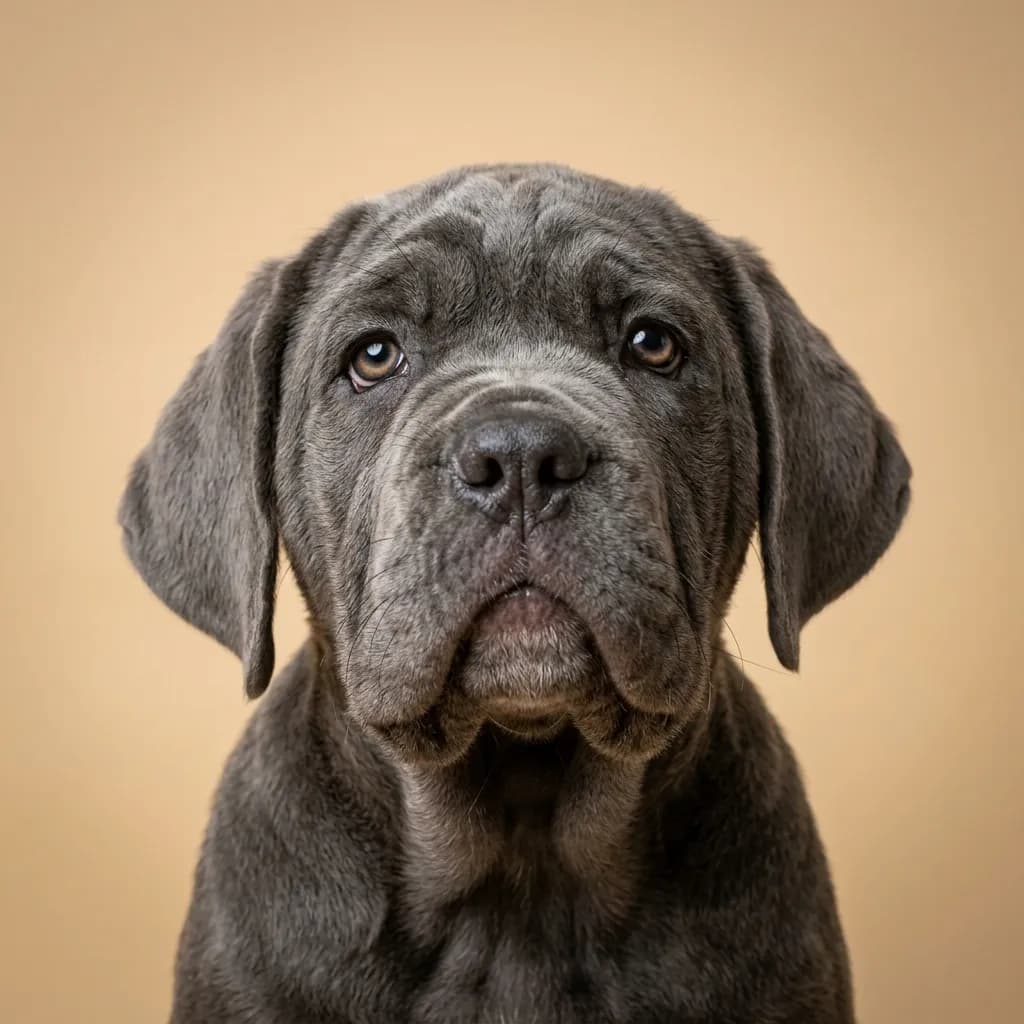
Neapolitan Mastiff
Working Group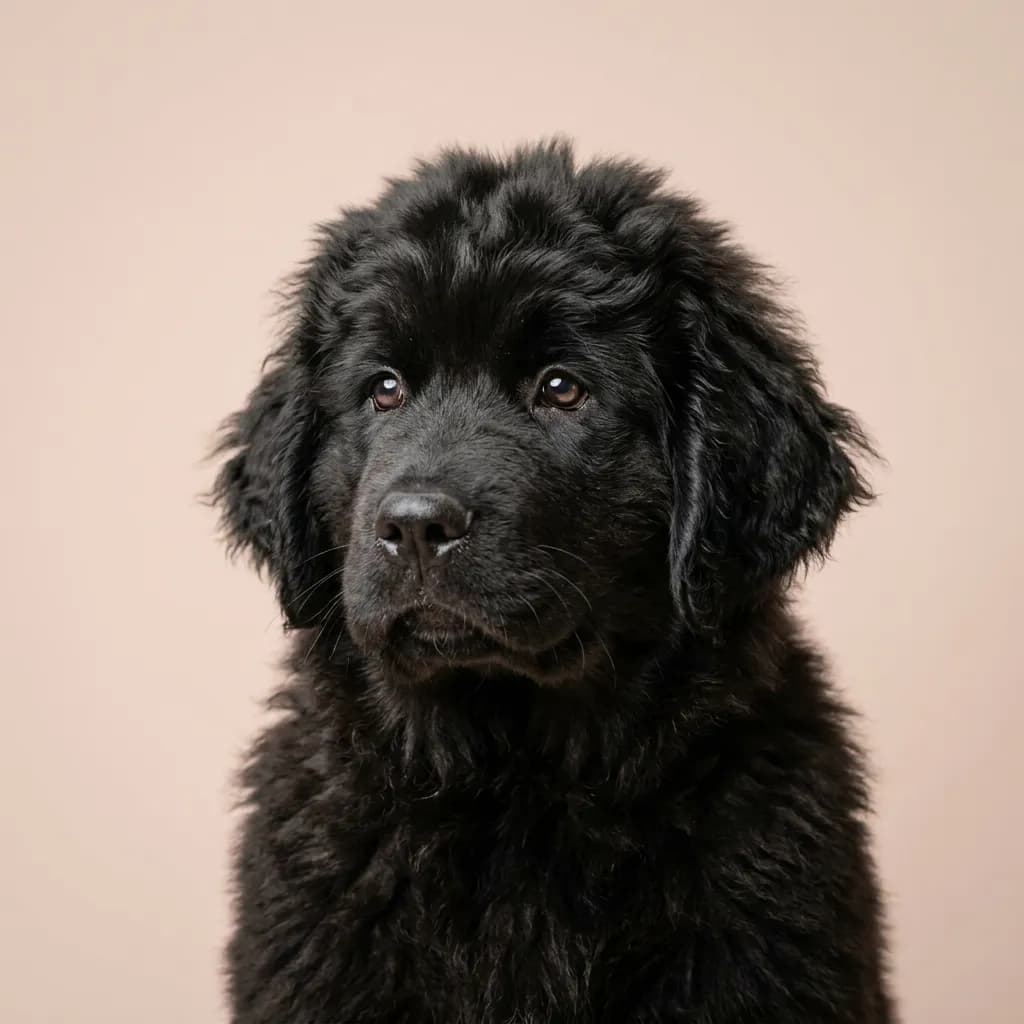
Newfoundland
Working Group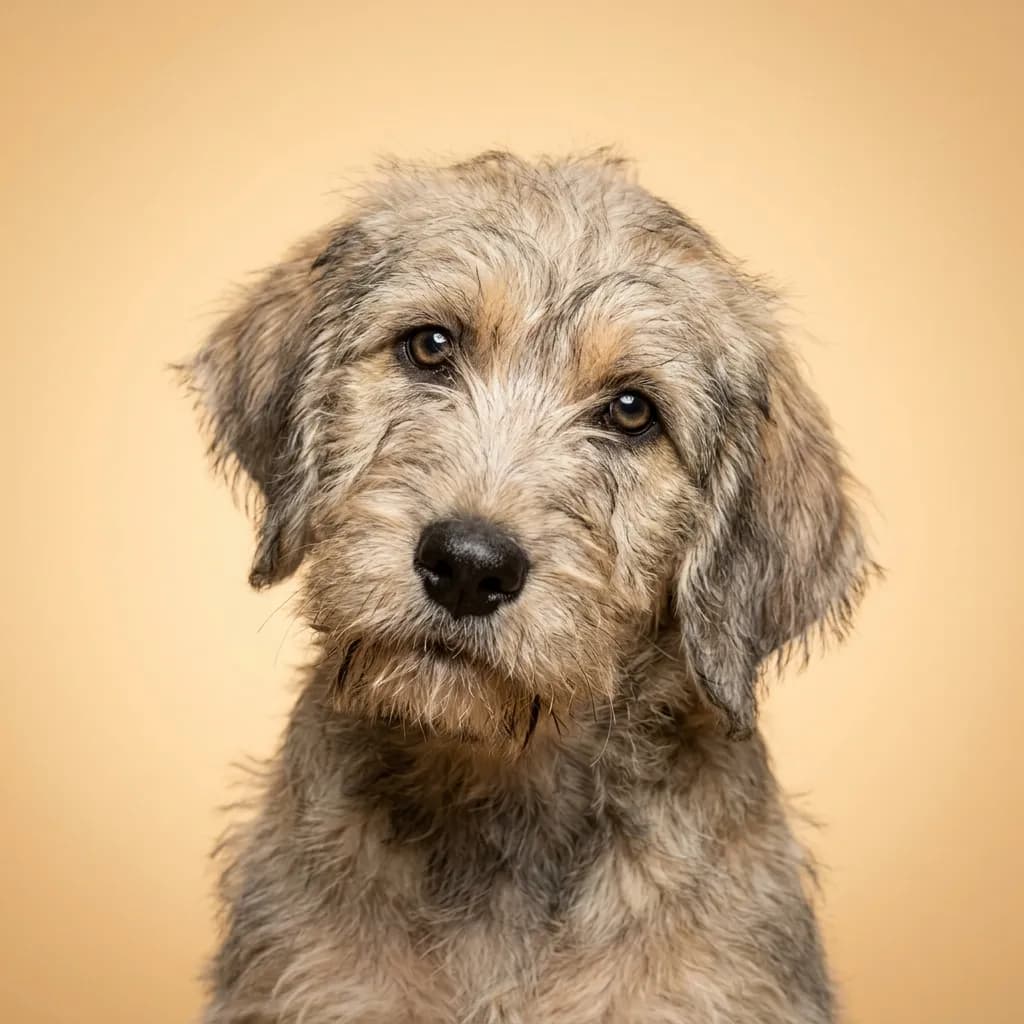
Otterhound
Hound Group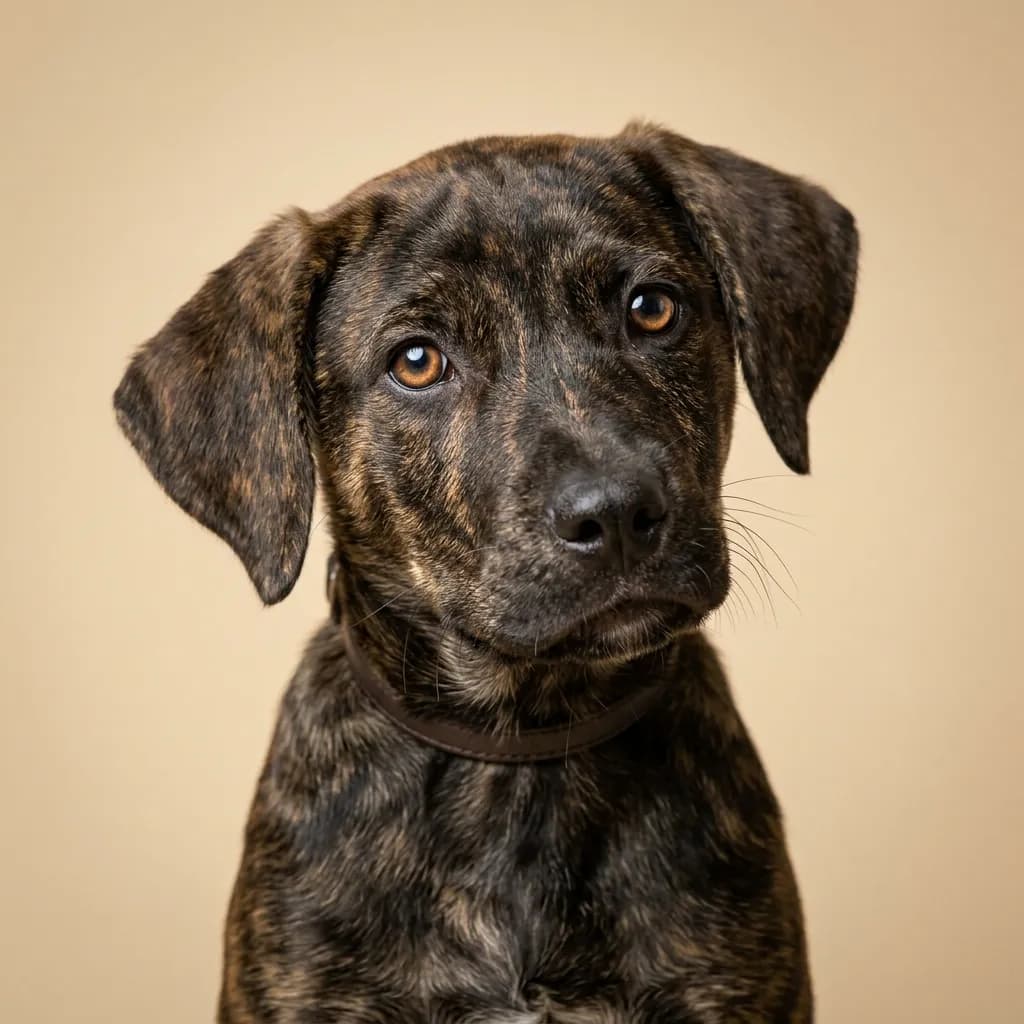
Plott Hound
Hound Group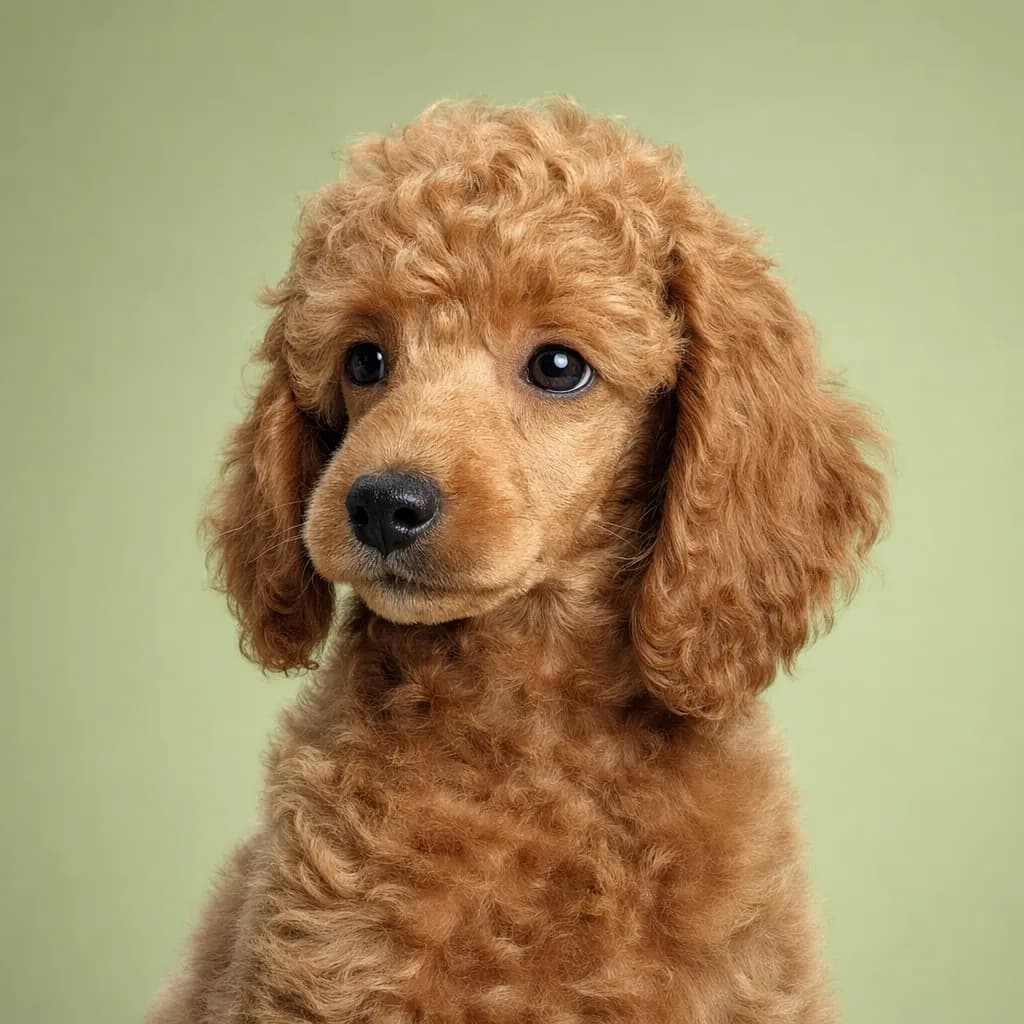
Poodle
Non-Sporting Group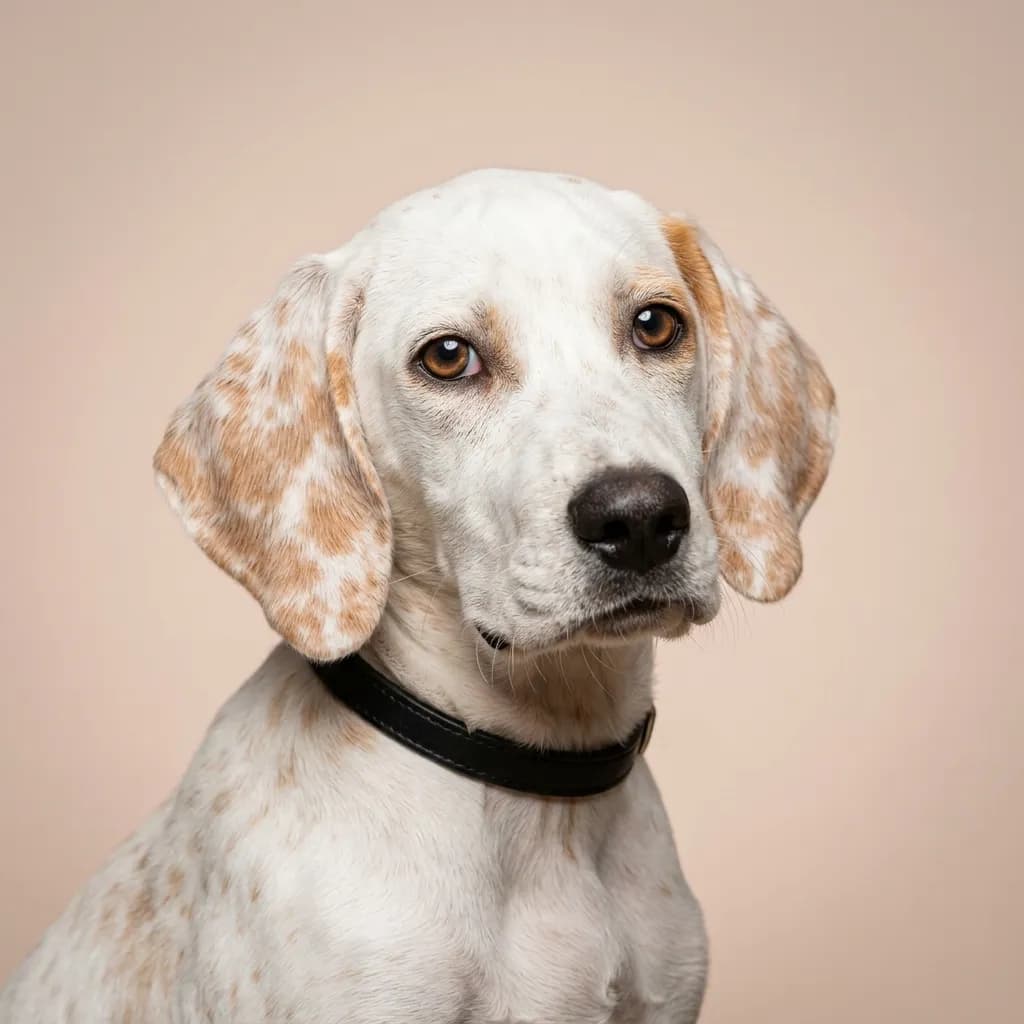
Porcelaine
Foundation Stock Service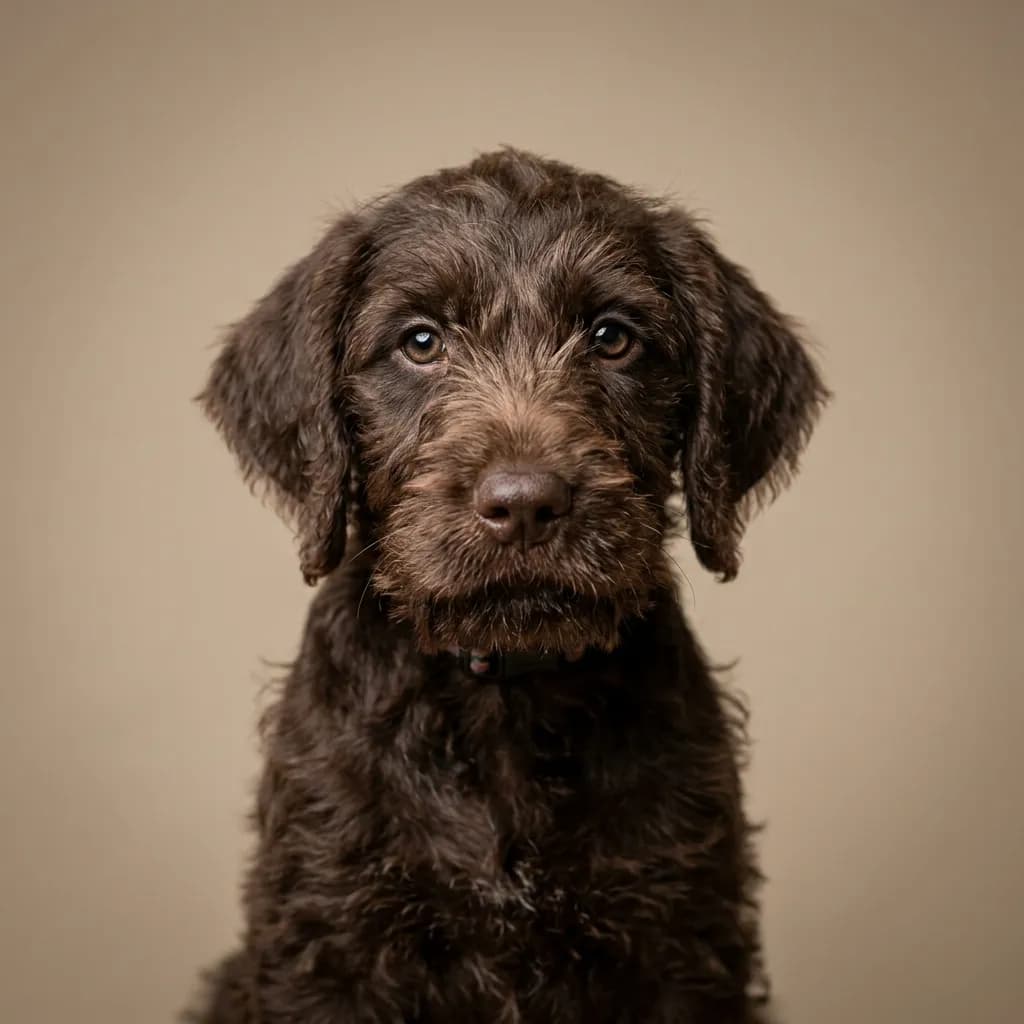
Pudelpointer
Foundation Stock Service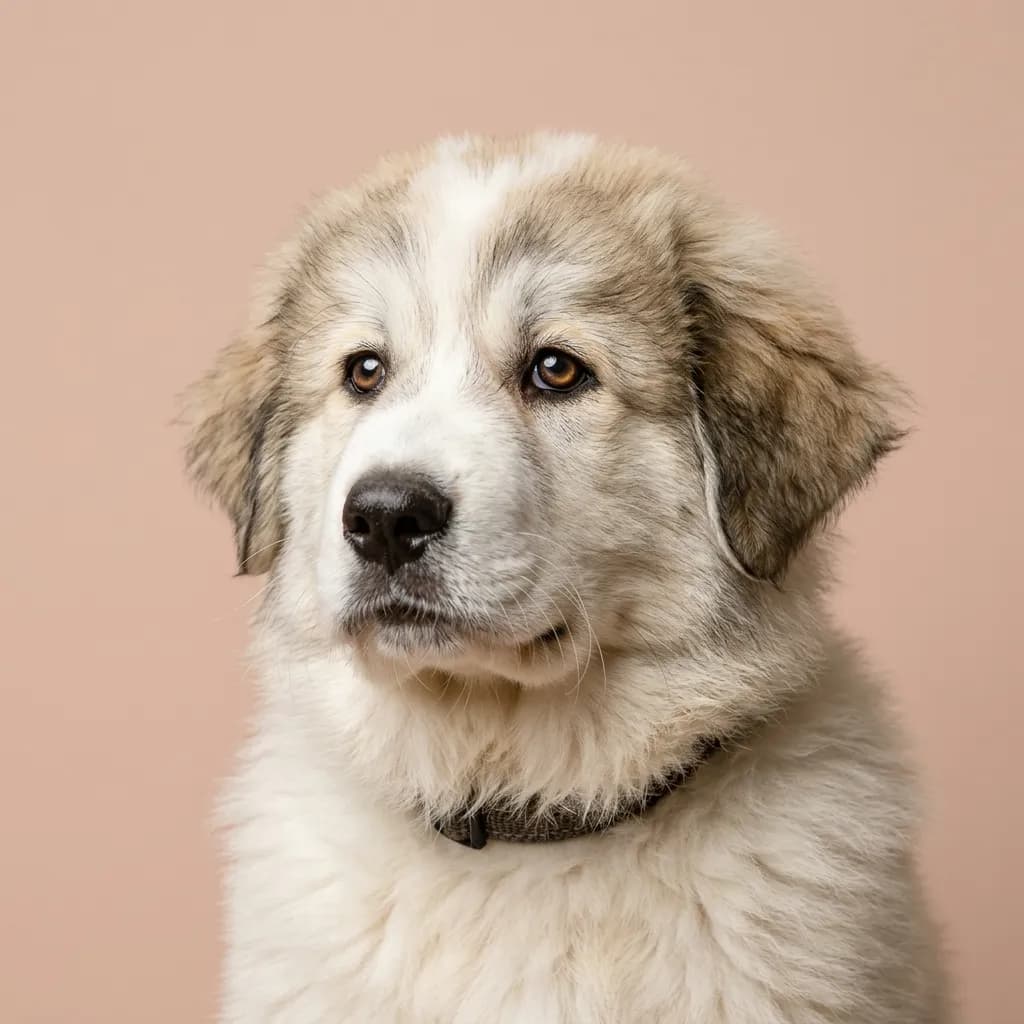
Pyrenean Mastiff
Foundation Stock Service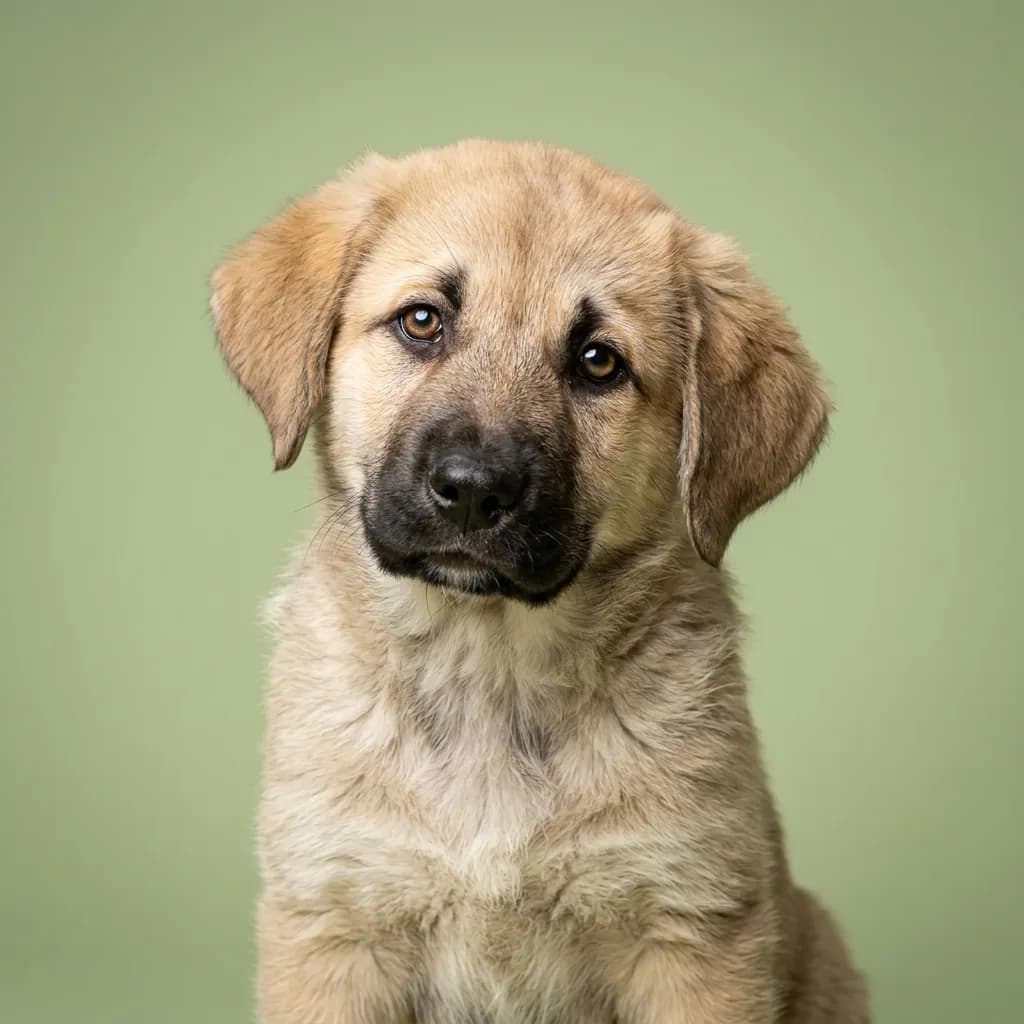
Rafeiro do Alentejo
Foundation Stock Service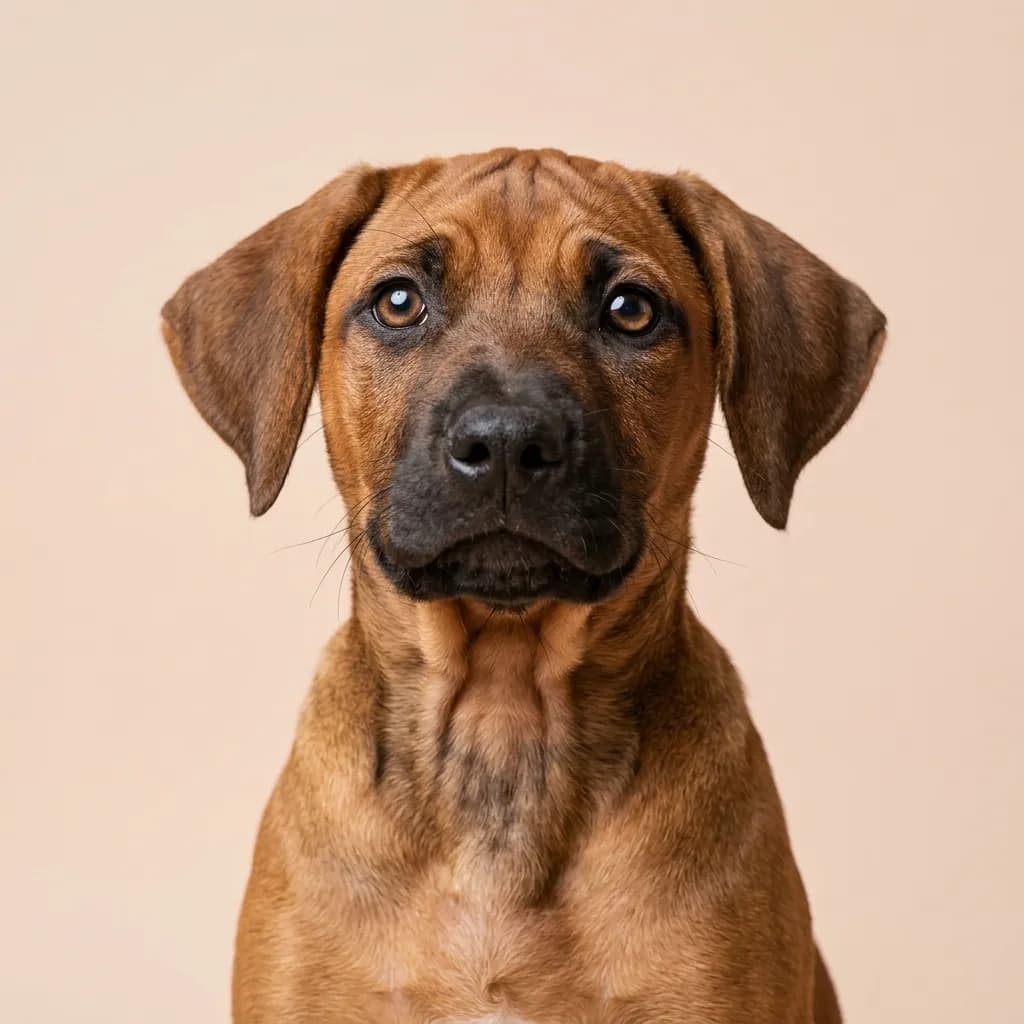
Rhodesian Ridgeback
Hound Group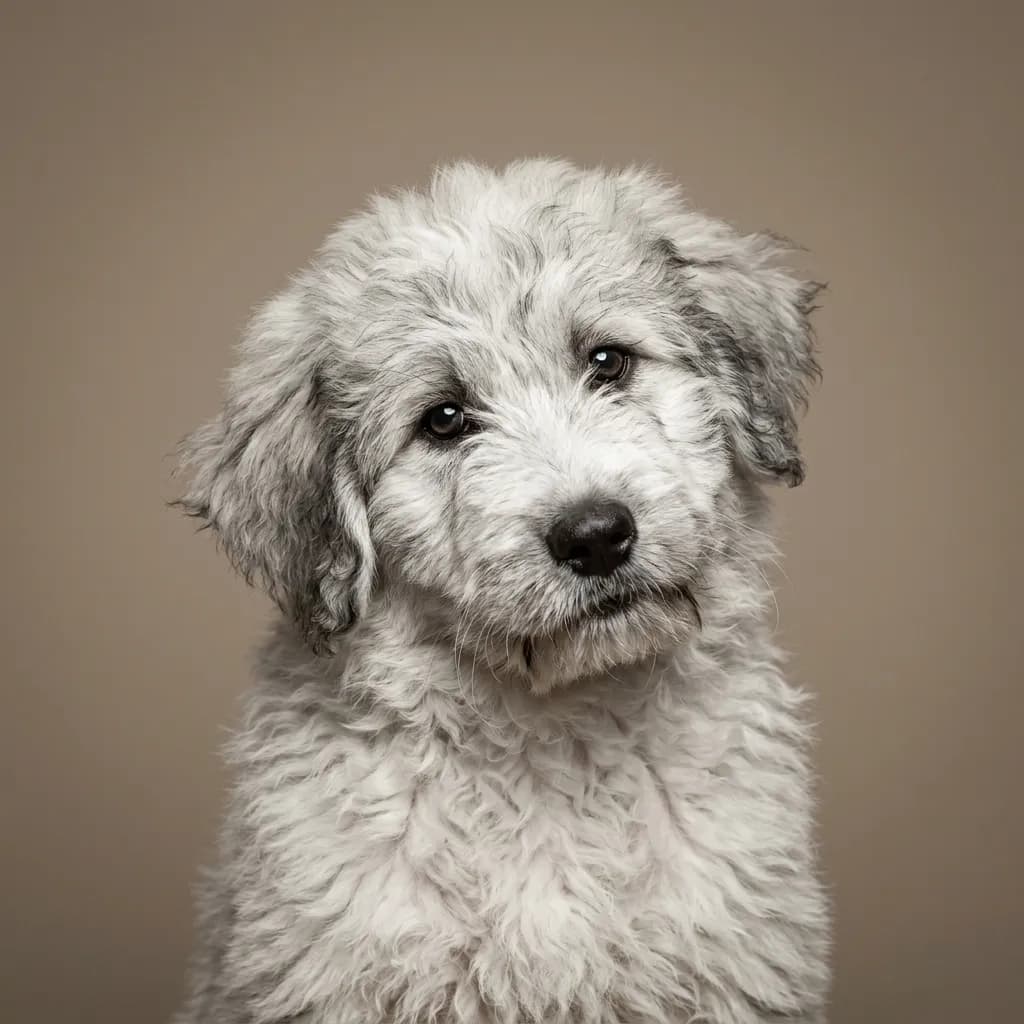
Romanian Mioritic Shepherd Dog
Foundation Stock Service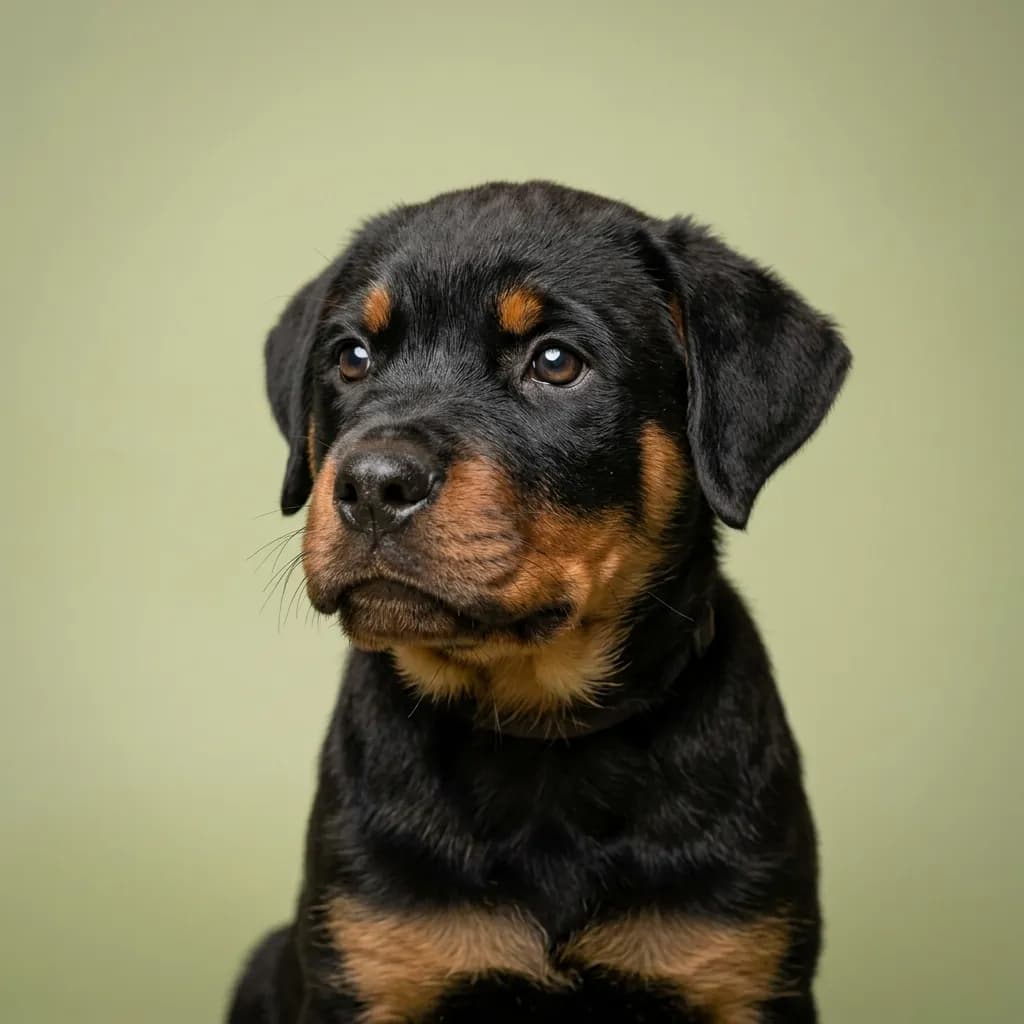
Rottweiler
Working Group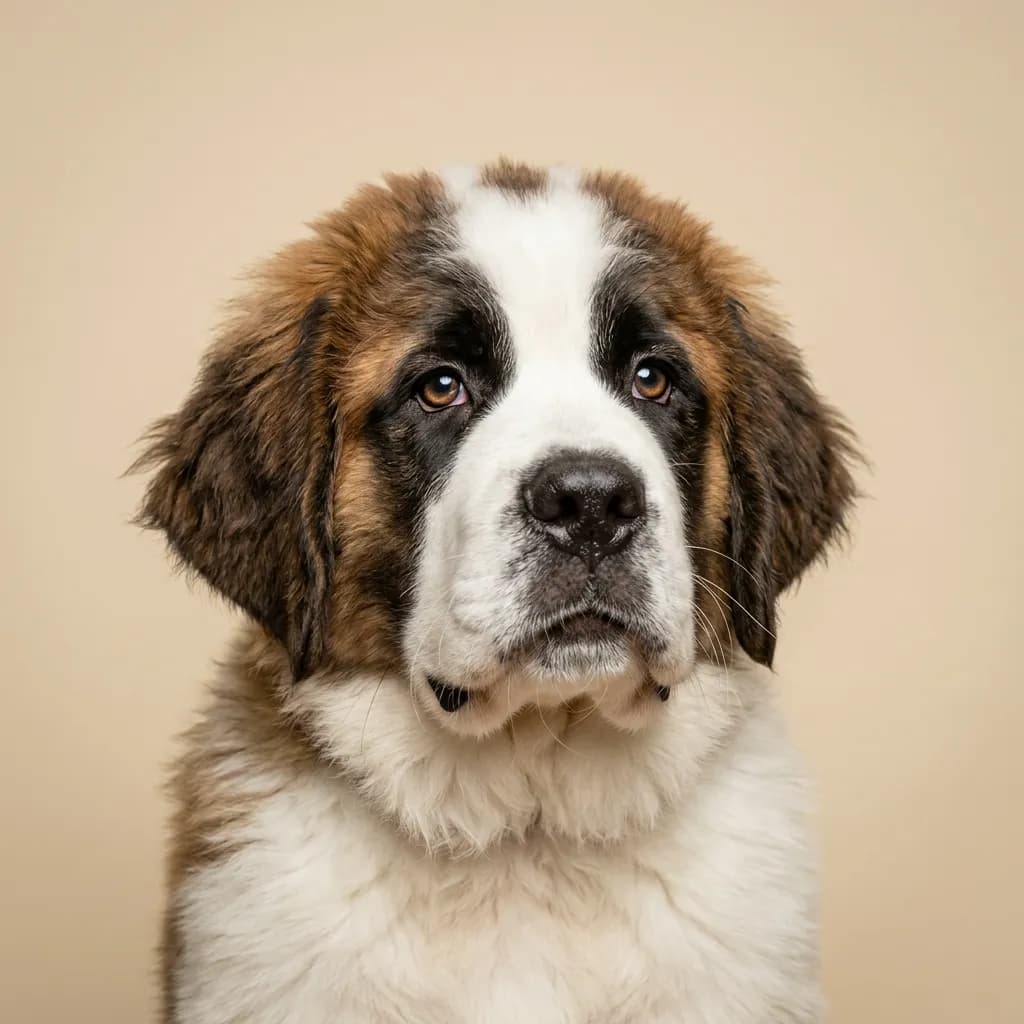
Saint Bernard
Working Group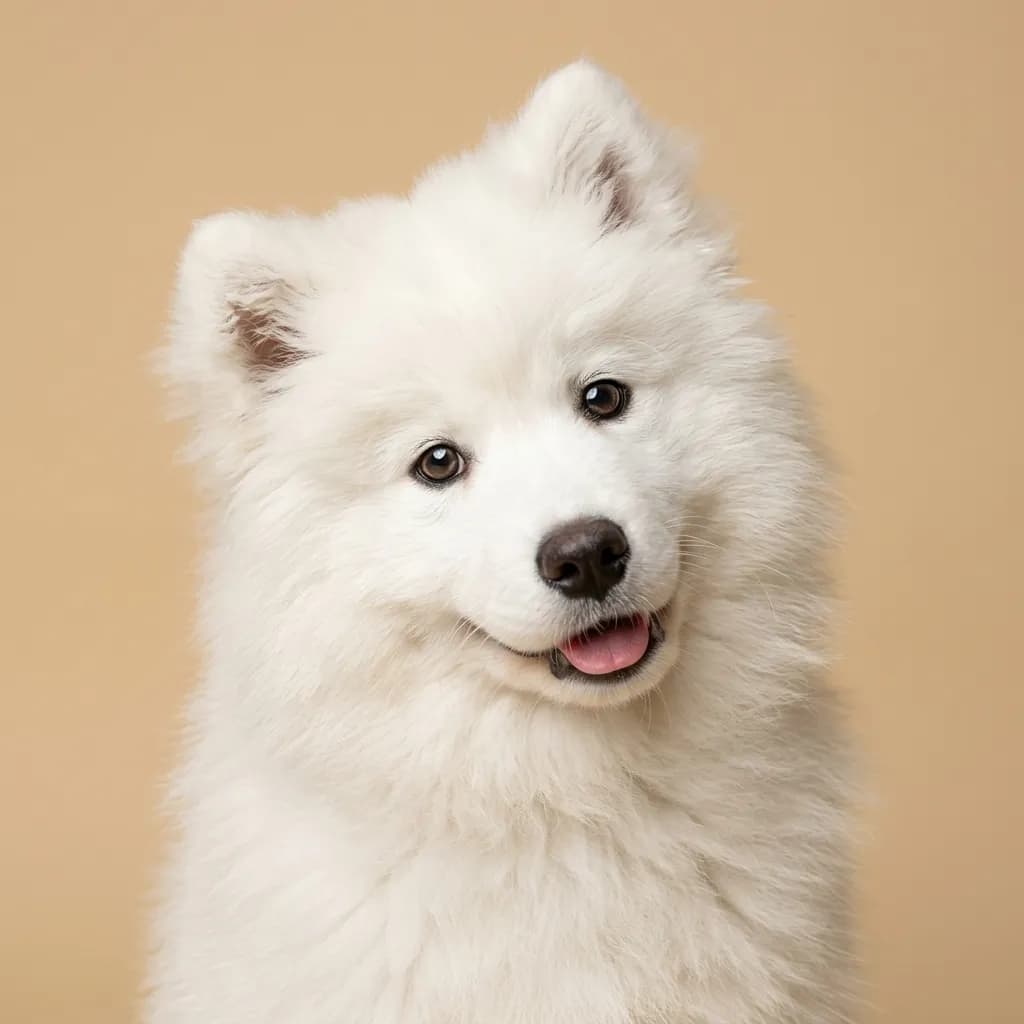
Samoyed
Working Group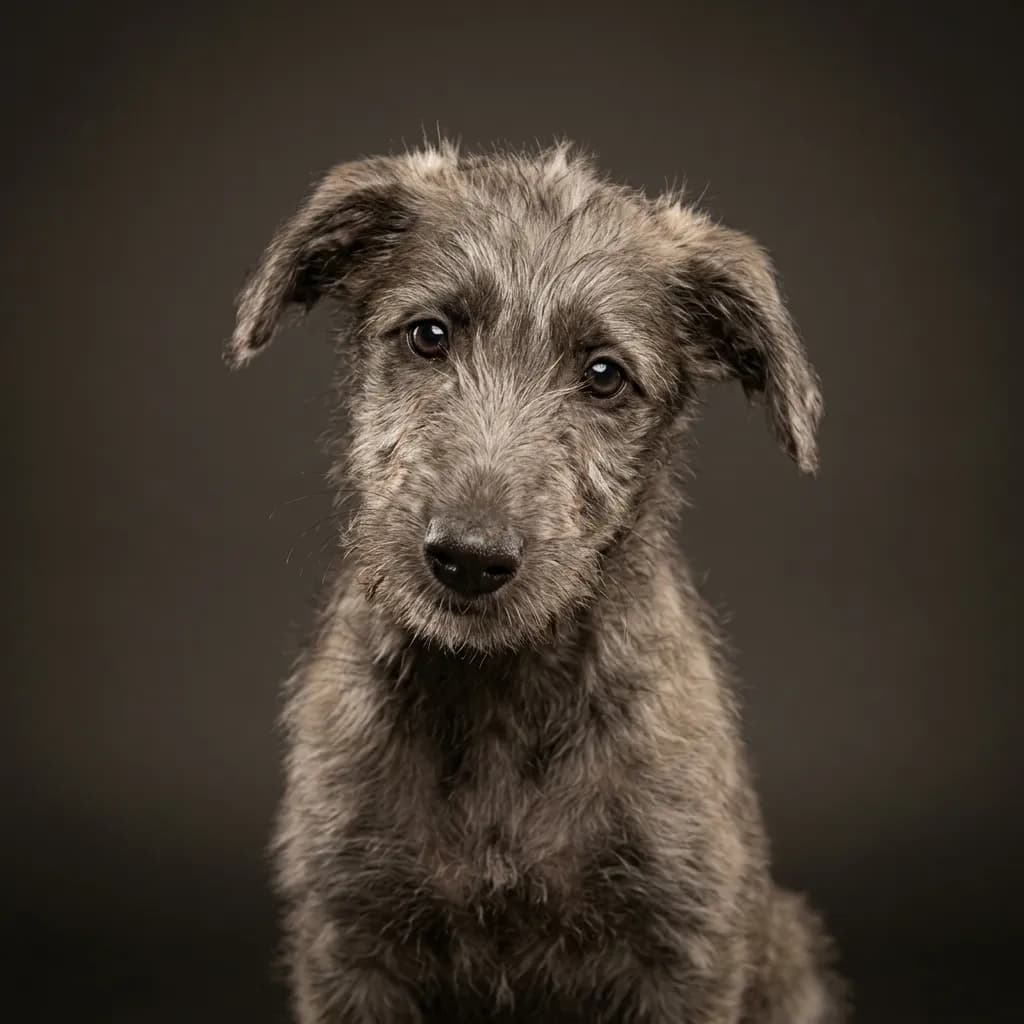
Scottish Deerhound
Hound Group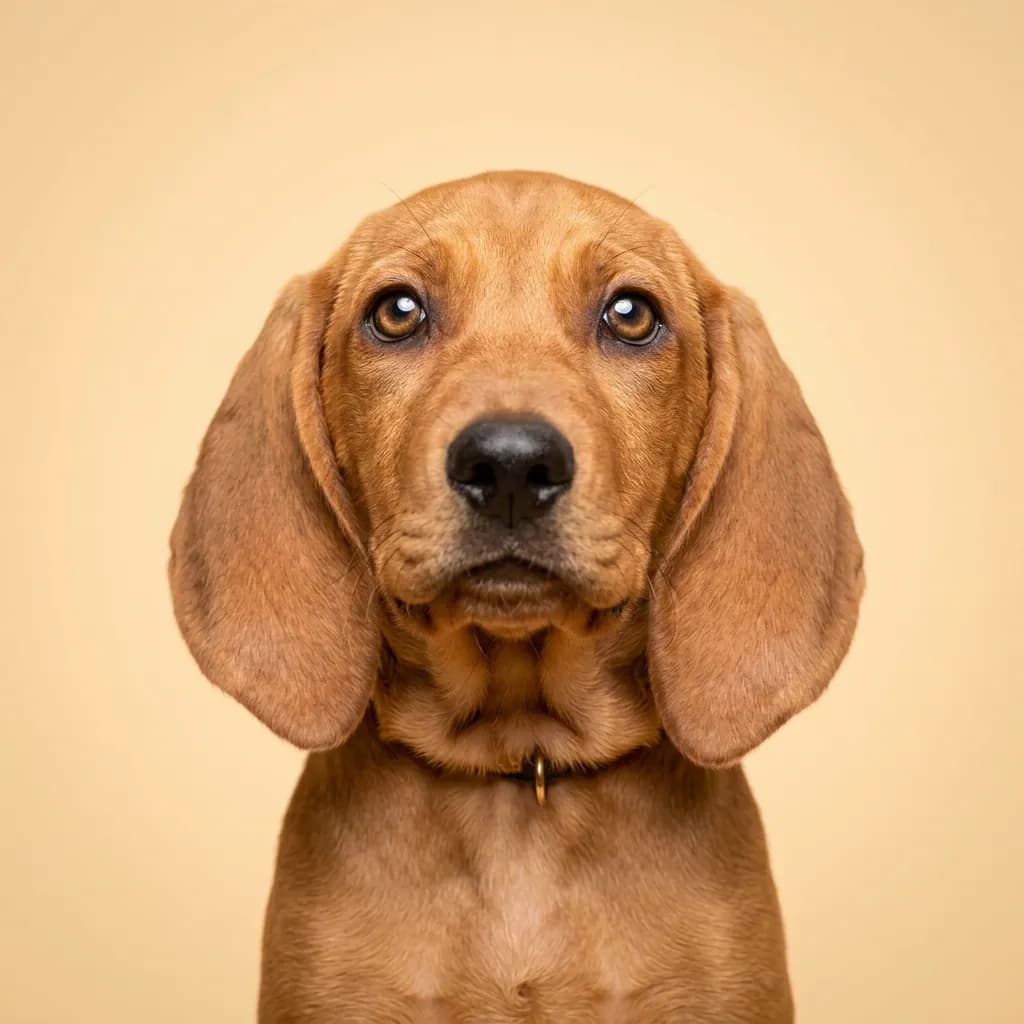
Segugio Italiano
Foundation Stock Service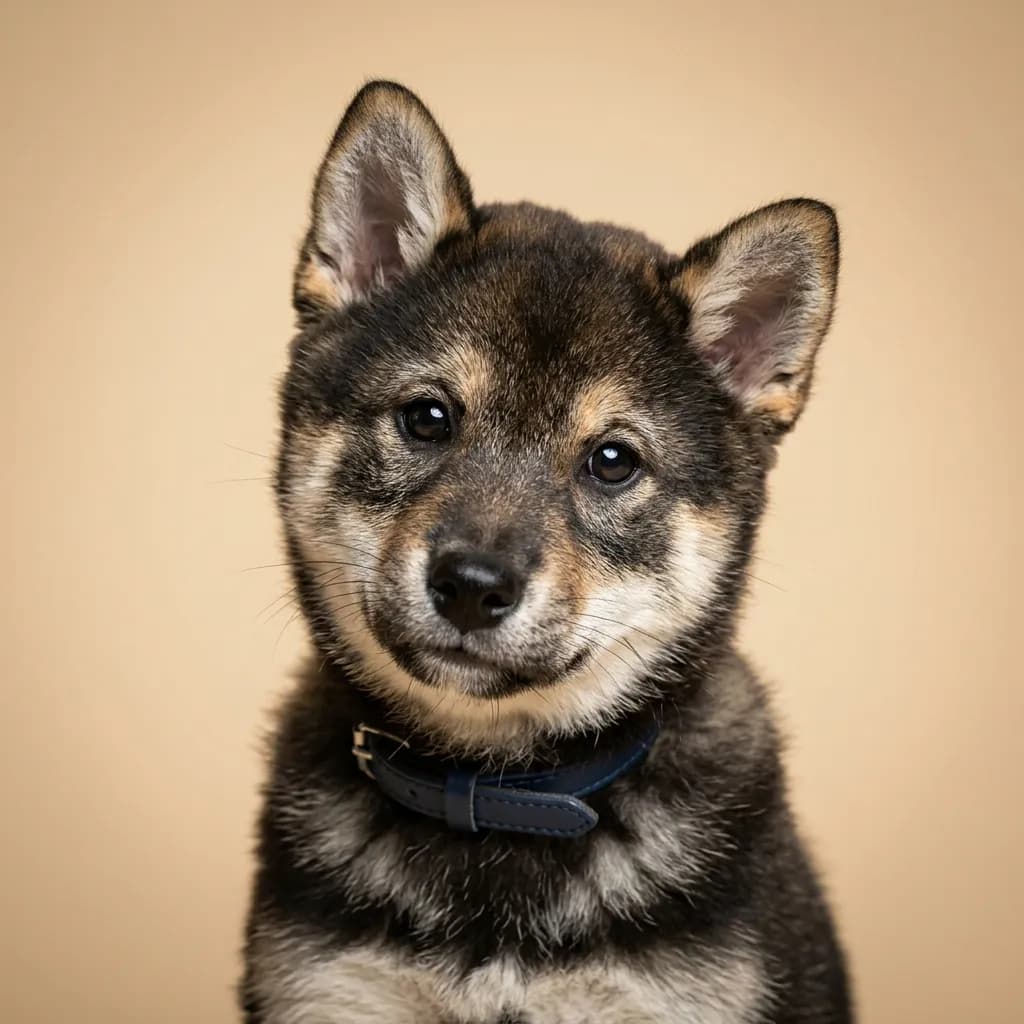
Shikoku
Foundation Stock Service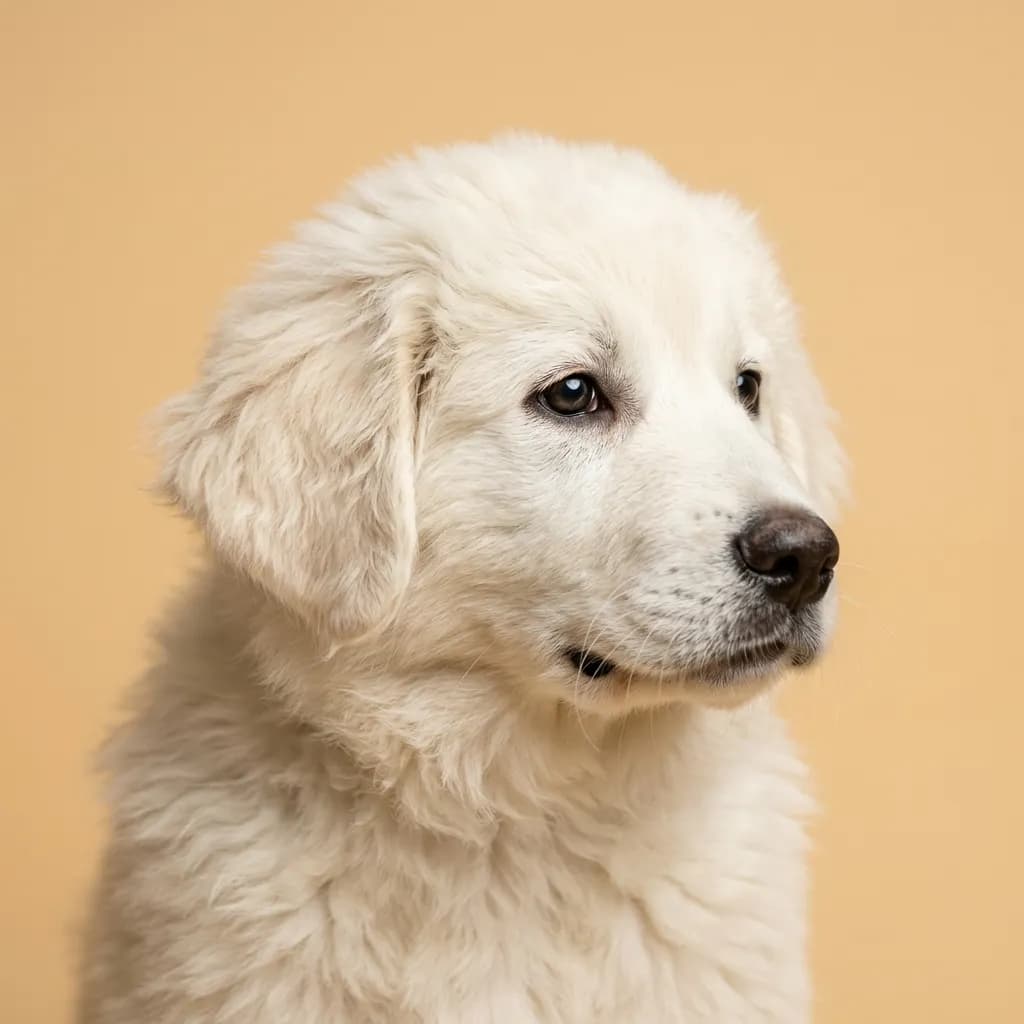
Slovensky Cuvac
Foundation Stock Service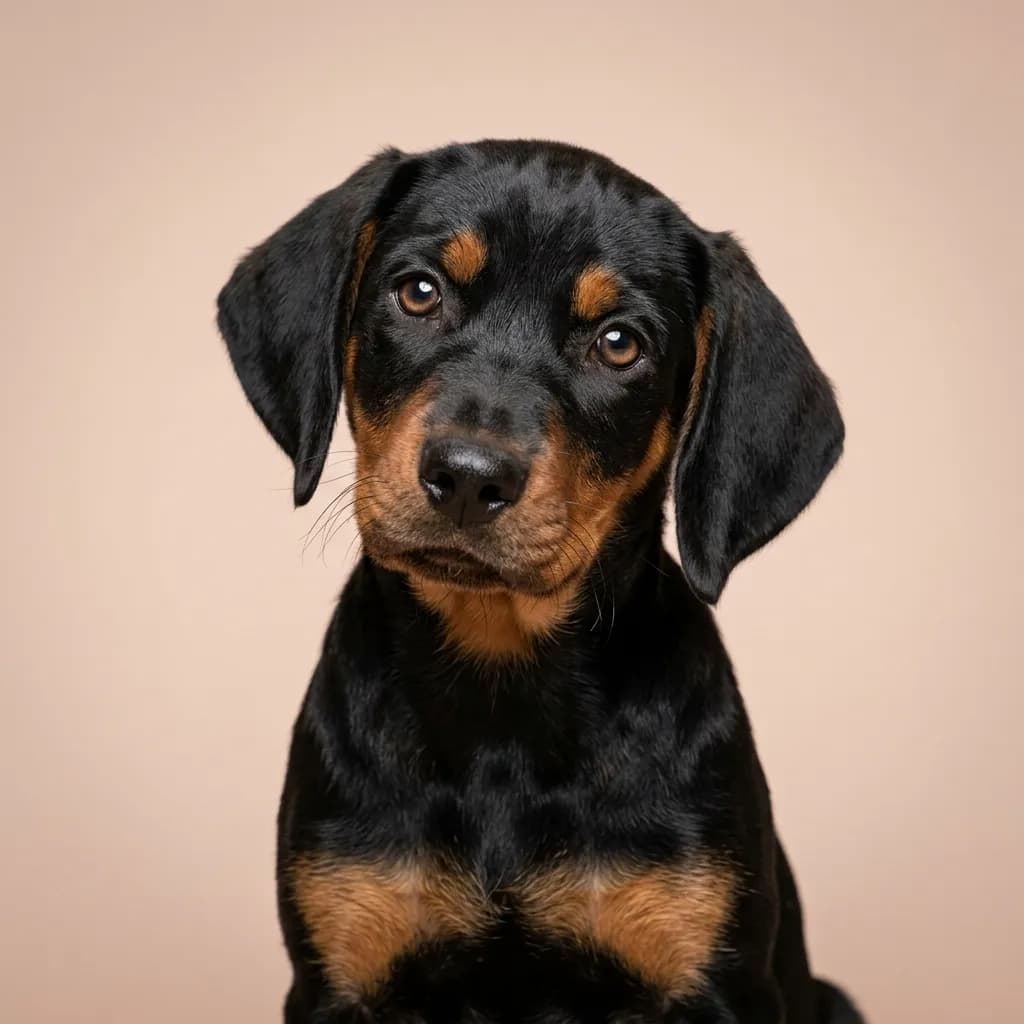
Slovensky Kopov
Foundation Stock Service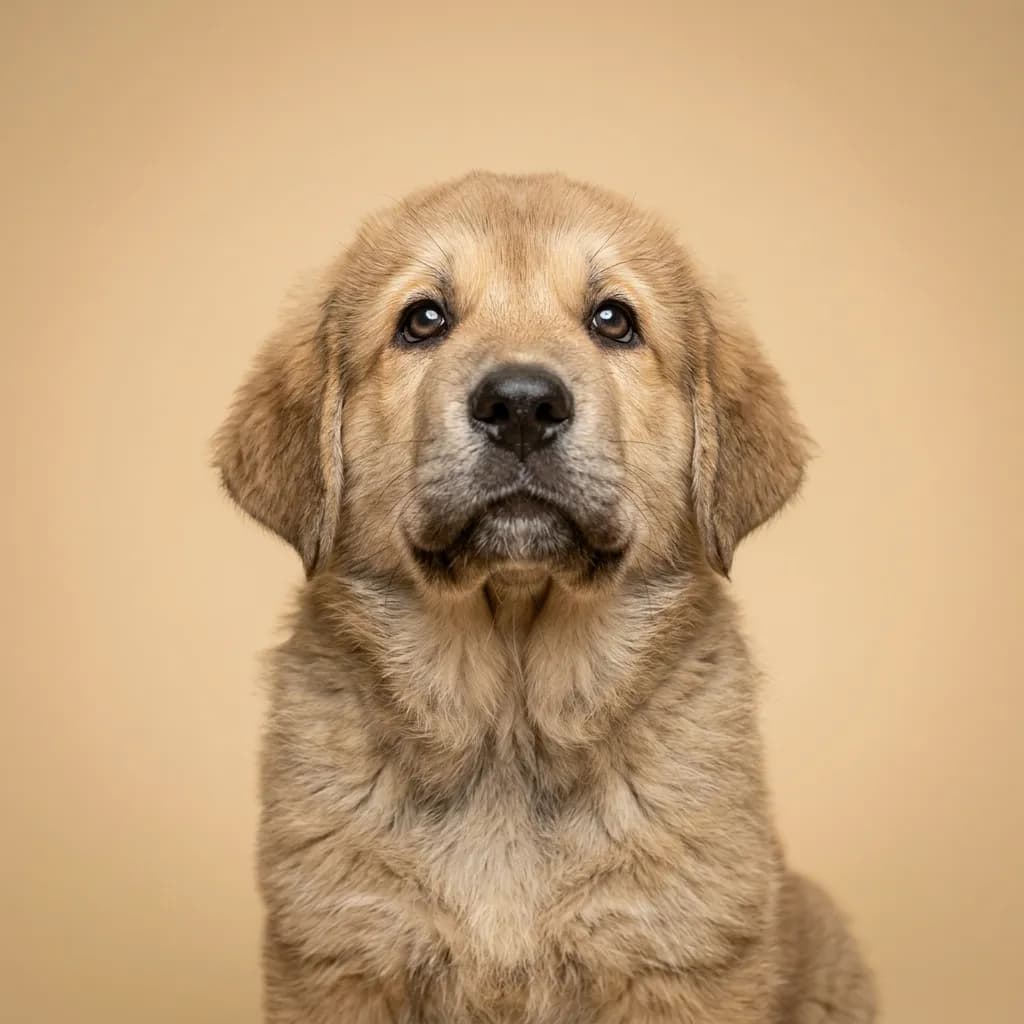
Spanish Mastiff
Foundation Stock Service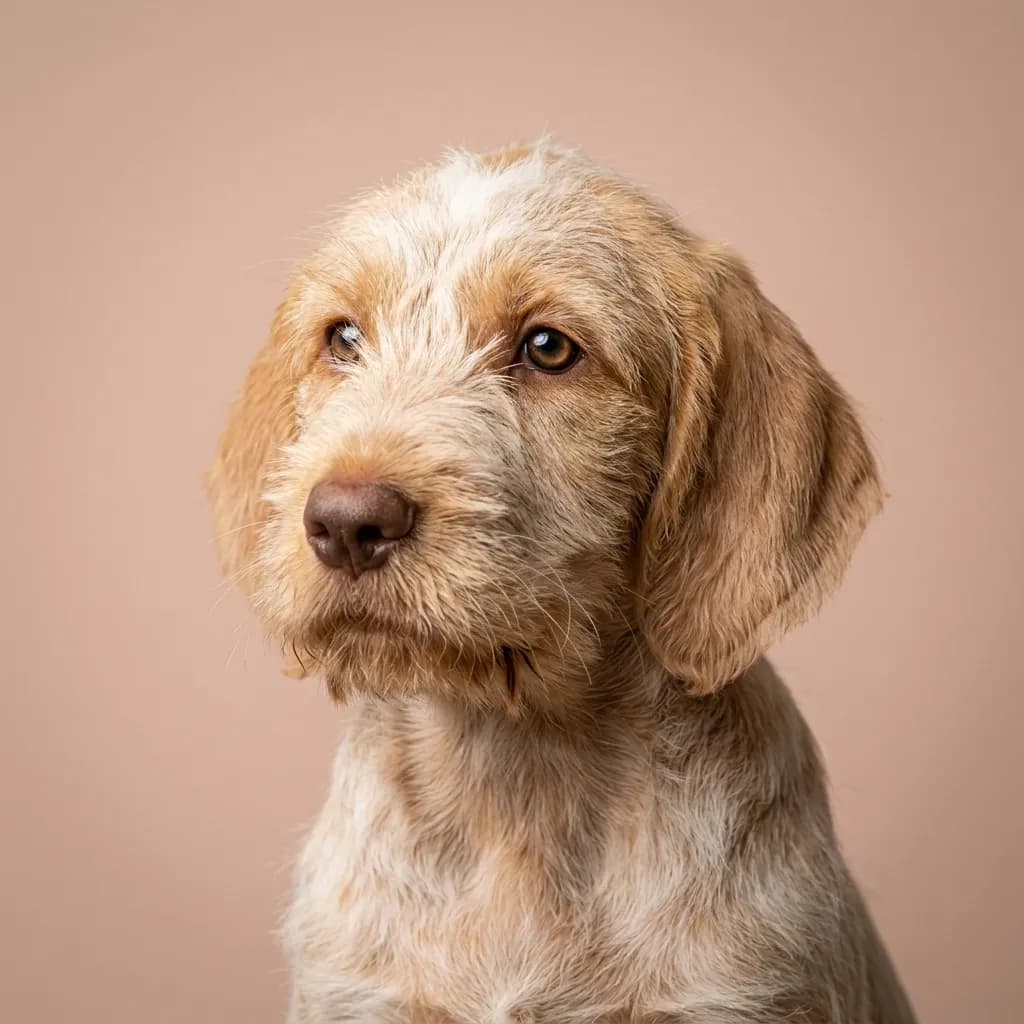
Spinone Italiano
Sporting Group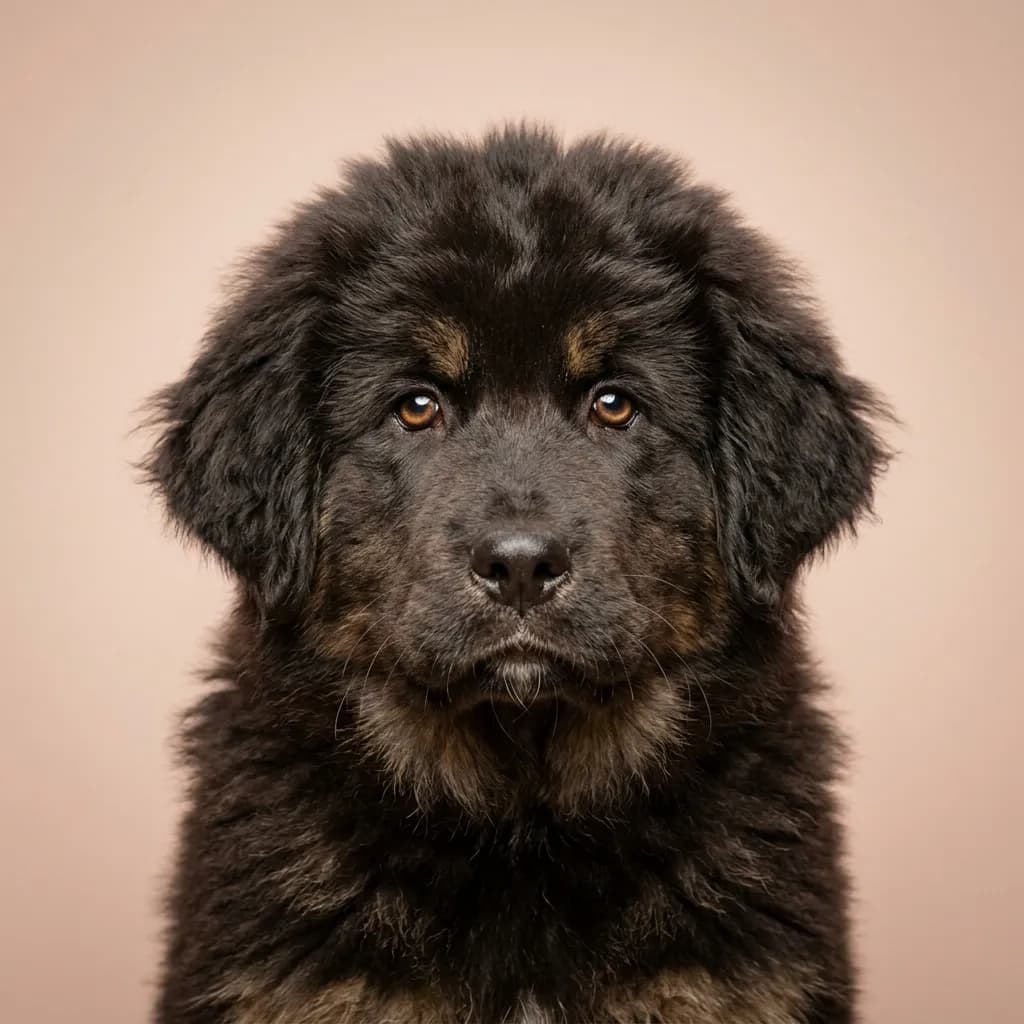
Tibetan Mastiff
Working Group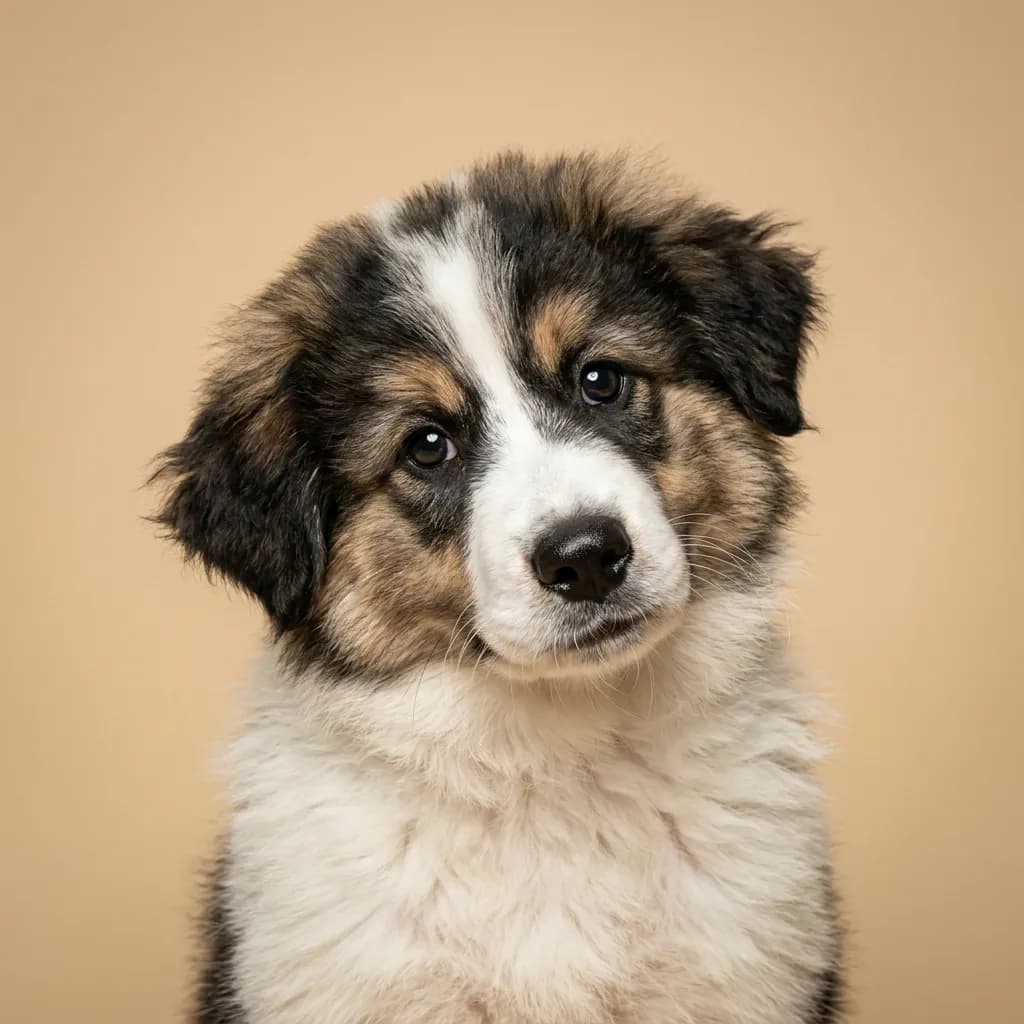
Tornjak
Foundation Stock Service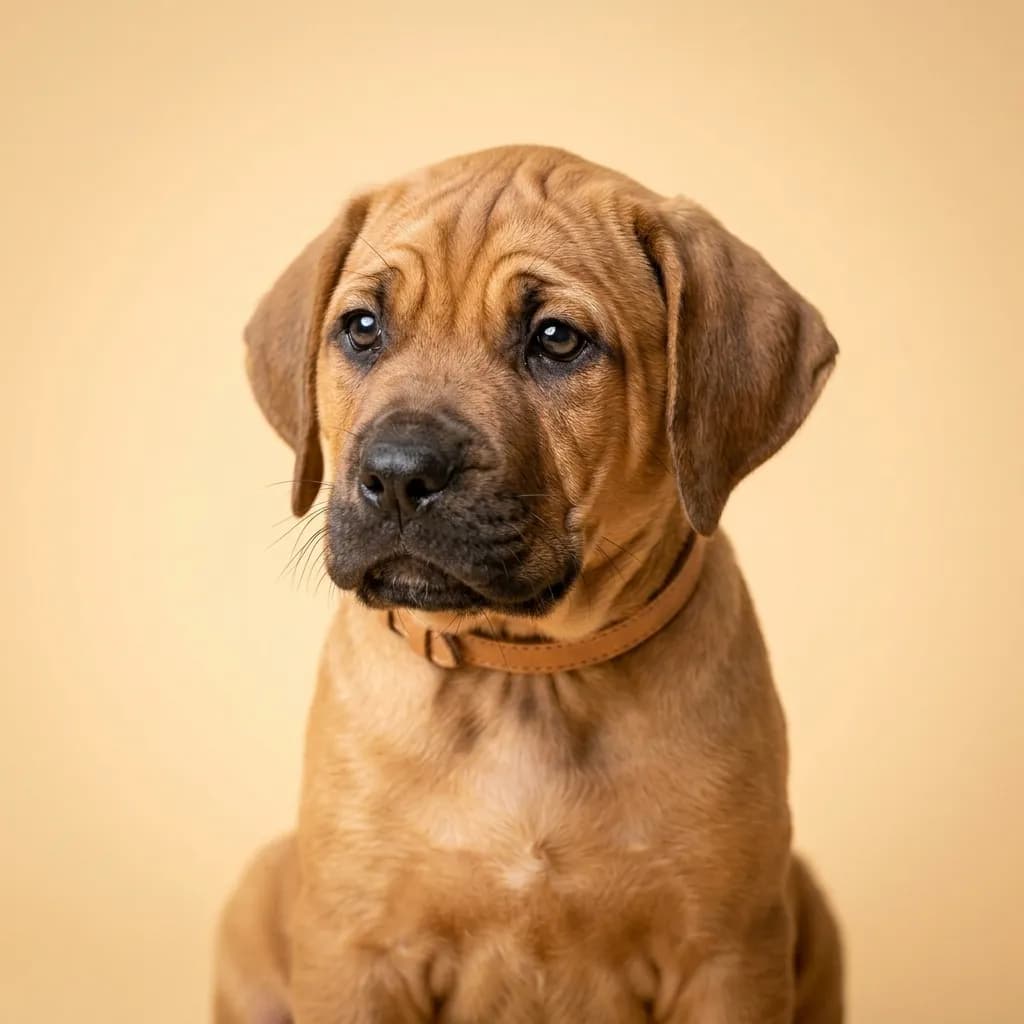
Tosa
Foundation Stock Service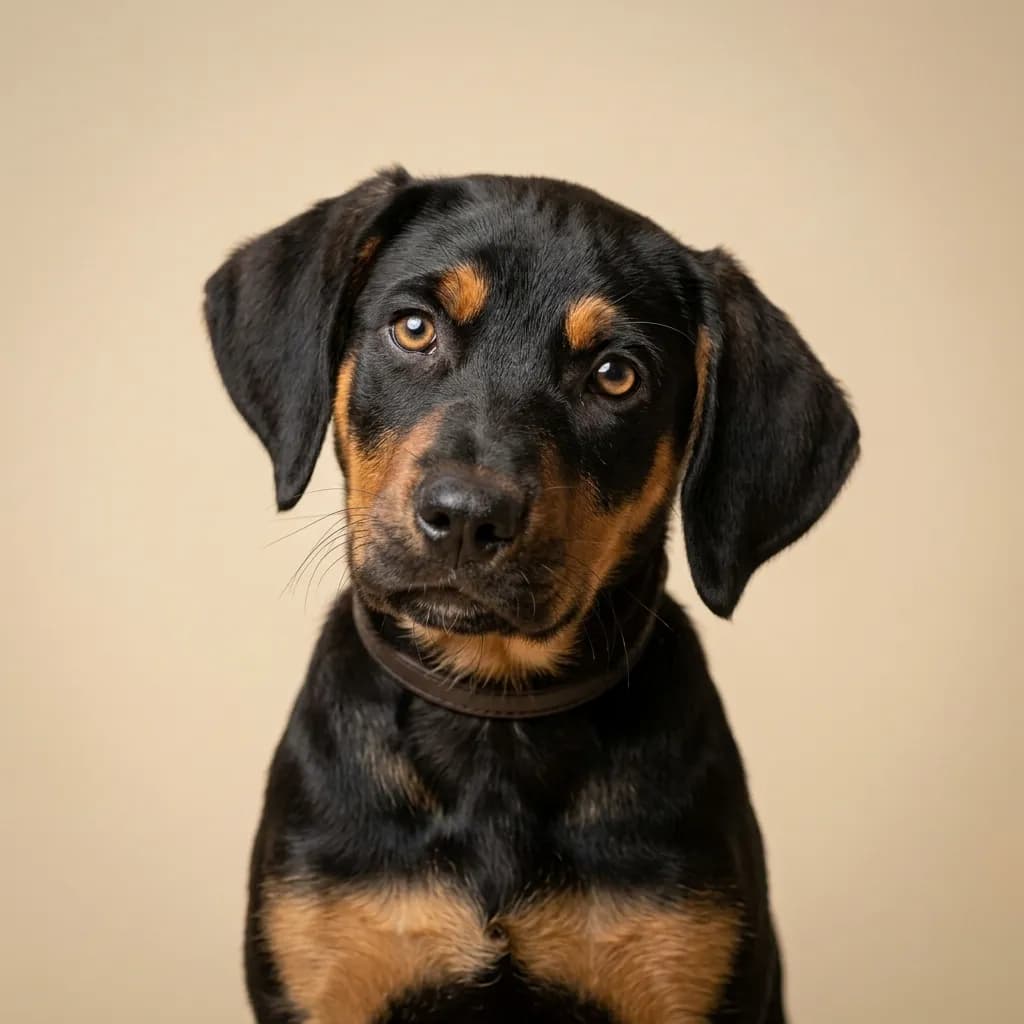
Transylvanian Hound
Foundation Stock Service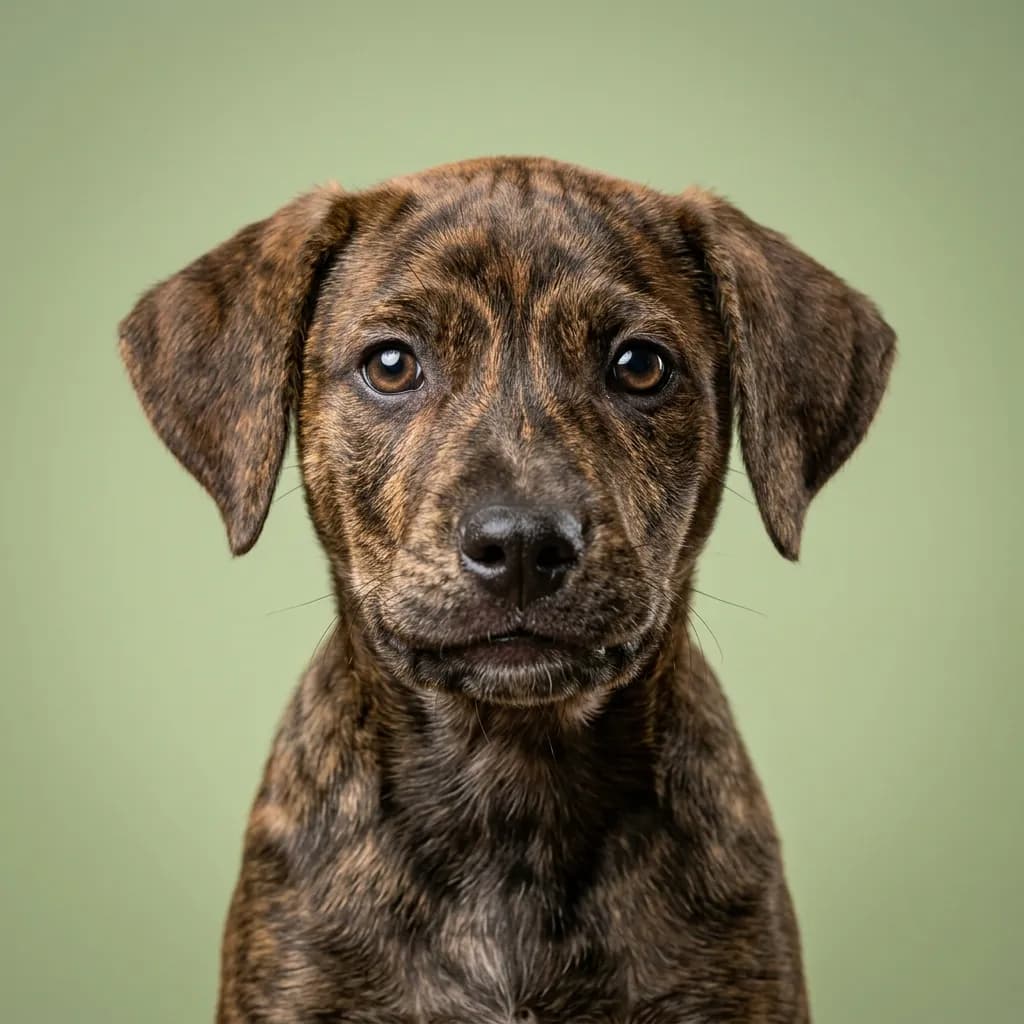
Treeing Tennessee Brindle
Foundation Stock Service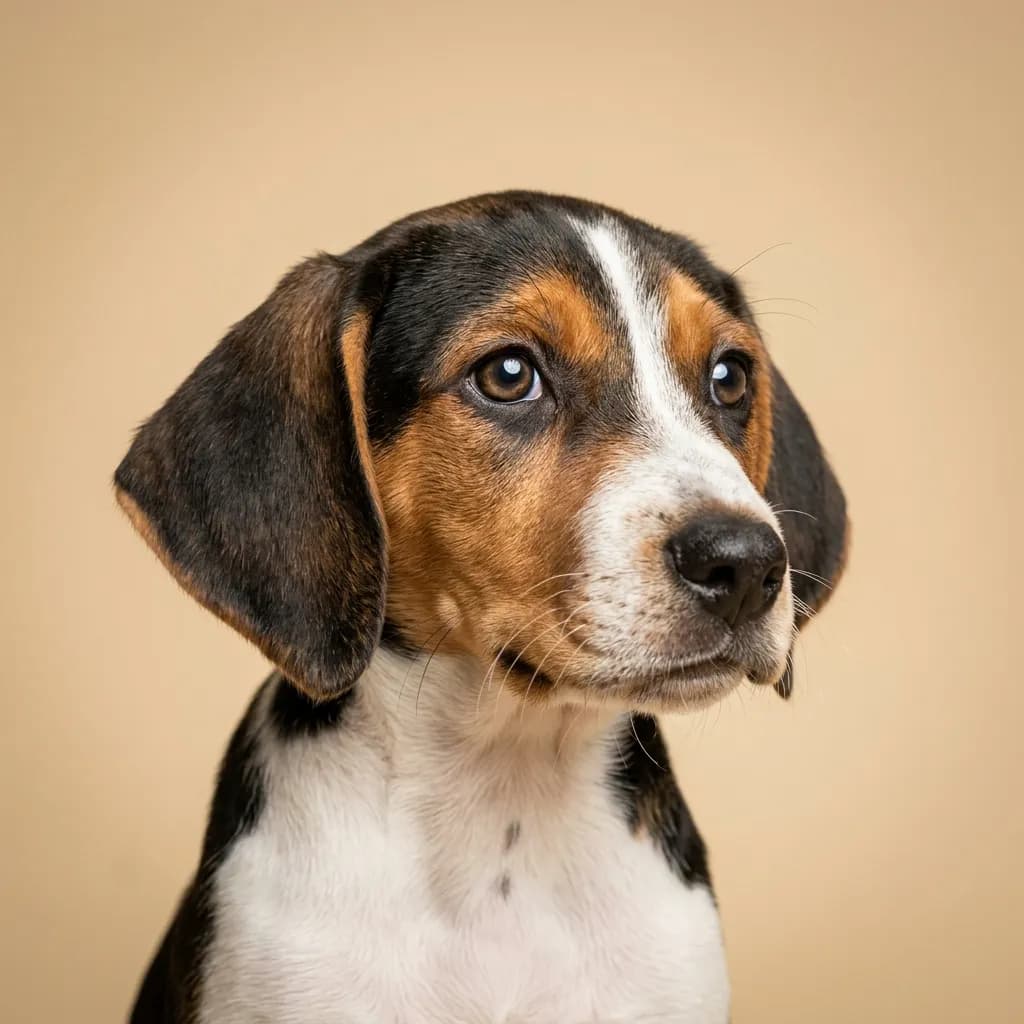
Treeing Walker Coonhound
Hound Group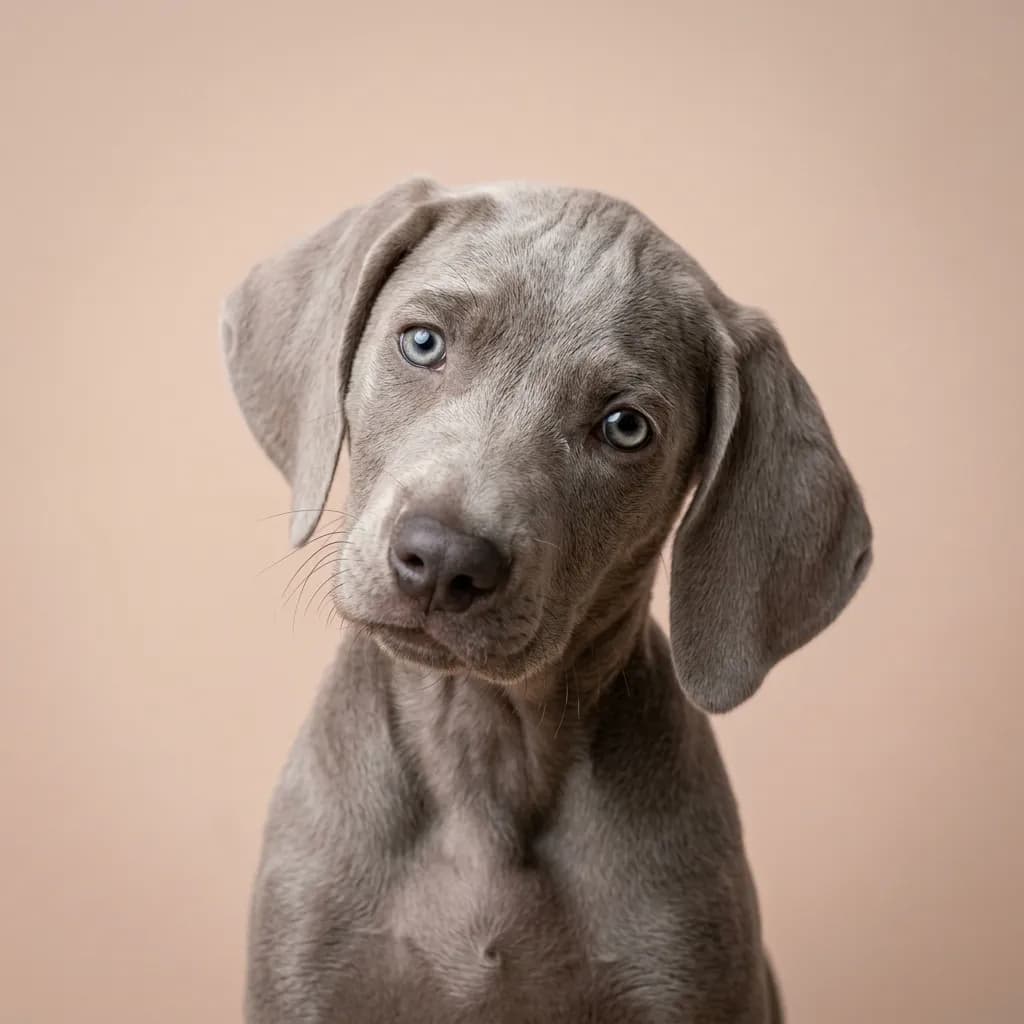
Weimaraner
Sporting Group