Ear Infections
What It Is
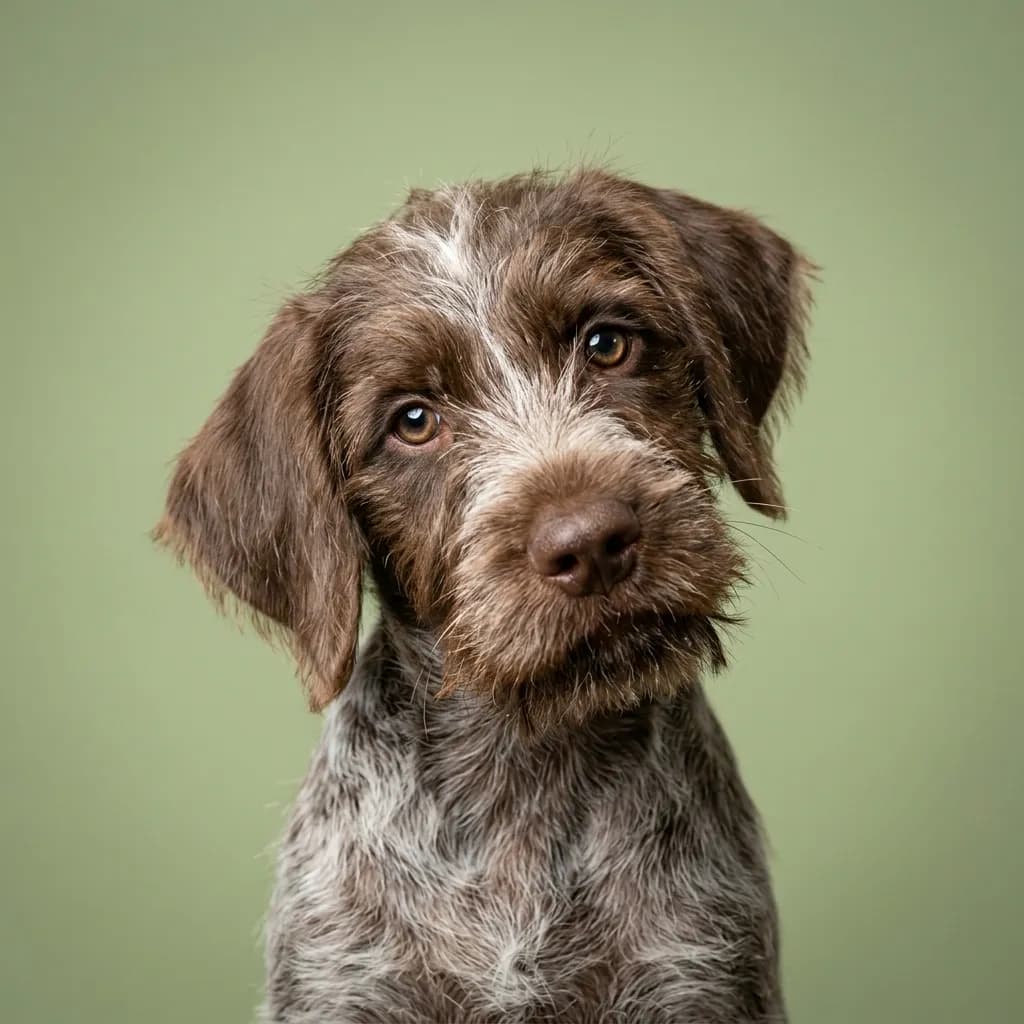
Ear infections in dogs—technically called otitis externa—happen when the outer ear canal gets inflamed, usually from bacteria, yeast, or sometimes mites. While any dog can get one, floppy-eared breeds or dogs that swim or get wet a lot are sitting ducks. The warm, dark, moist environment inside those long ear flaps is basically a five-star resort for microbes. Once they move in, it’s redness, swelling, gunk, and a whole lot of head-shaking. Left untreated, ear infections can lead to chronic pain, ruptured eardrums, or even hearing loss. And here’s the kicker: once a dog has one ear infection, they’re way more likely to get another. It becomes a cycle, especially if the root cause—like allergies—isn’t addressed.
Symptoms to Watch For
Your dog won’t hand you a doctor’s note, but they’ll tell you something’s wrong. Watch for head shaking or tilting, constant ear scratching, or rubbing their head against the couch like it owes them money. The ears might smell—like stale bread or old cheese—thanks to yeast overgrowth. You may see redness, swelling, or a waxy discharge that ranges from yellow to dark brown. In severe cases, your dog might seem off-balance, cry when you touch their ears, or hold their head at a weird angle. If you notice any of this, don’t wait. Chronic infections can thicken the ear canal over time, making treatment way harder—and more expensive.
Diagnosis
Your vet will start with an otoscope to peer deep into the ear canal. They’re checking for mites, foreign bodies (like grass seeds), or damage to the eardrum. Then comes the ear swab: they’ll take a sample of the gunk and look at it under a microscope to figure out if it’s yeast, bacteria, or both. Sometimes, especially with recurring infections, they’ll send the sample to a lab for a culture—this tells them exactly which bacteria are growing and which antibiotics will knock them out. That extra step can cost $80–$150, but it’s worth it if your dog isn’t responding to first-line meds. Allergy testing might also be recommended, since 80% of chronic ear infections are linked to underlying allergies—either food or environmental.
Treatment Options
Treatment depends on the culprit. Yeast infections are usually treated with antifungal drops like miconazole or clotrimazole, sometimes paired with a steroid to reduce swelling. Bacterial infections need antibiotic drops—common ones include gentamicin or polymyxin B—but if it’s a stubborn strain, your vet might prescribe oral antibiotics too. Expect to clean the ears daily for 7–14 days with a vet-approved solution (never use peroxide or alcohol at home—it stings and can make things worse). A typical treatment course runs $50–$120 for meds plus $10–$20 for cleanser. Chronic or severe cases might need more intensive care, like ear flushes under sedation or even surgery, which can run $1,500–$4,000. Not exactly chump change.
Prevention and Screening
Prevention is everything. If your dog’s ears are floppy or they love diving into every puddle, get into a routine. Clean their ears every 1–2 weeks with a vet-approved solution—especially after swimming or baths. Dry their ears thoroughly. I keep a small towel in my car just for my Beagle’s ears after lake trips. For allergy-prone dogs, managing the underlying issue is key: that might mean a hypoallergenic diet, antihistamines, or even allergy shots. Ear checks should be part of your weekly routine: lift the ear flap, sniff (yes, really), and look for redness or gunk. Catching it early means a simple $60 vet visit instead of a $300 recurrent infection.
Breeds Most at Risk
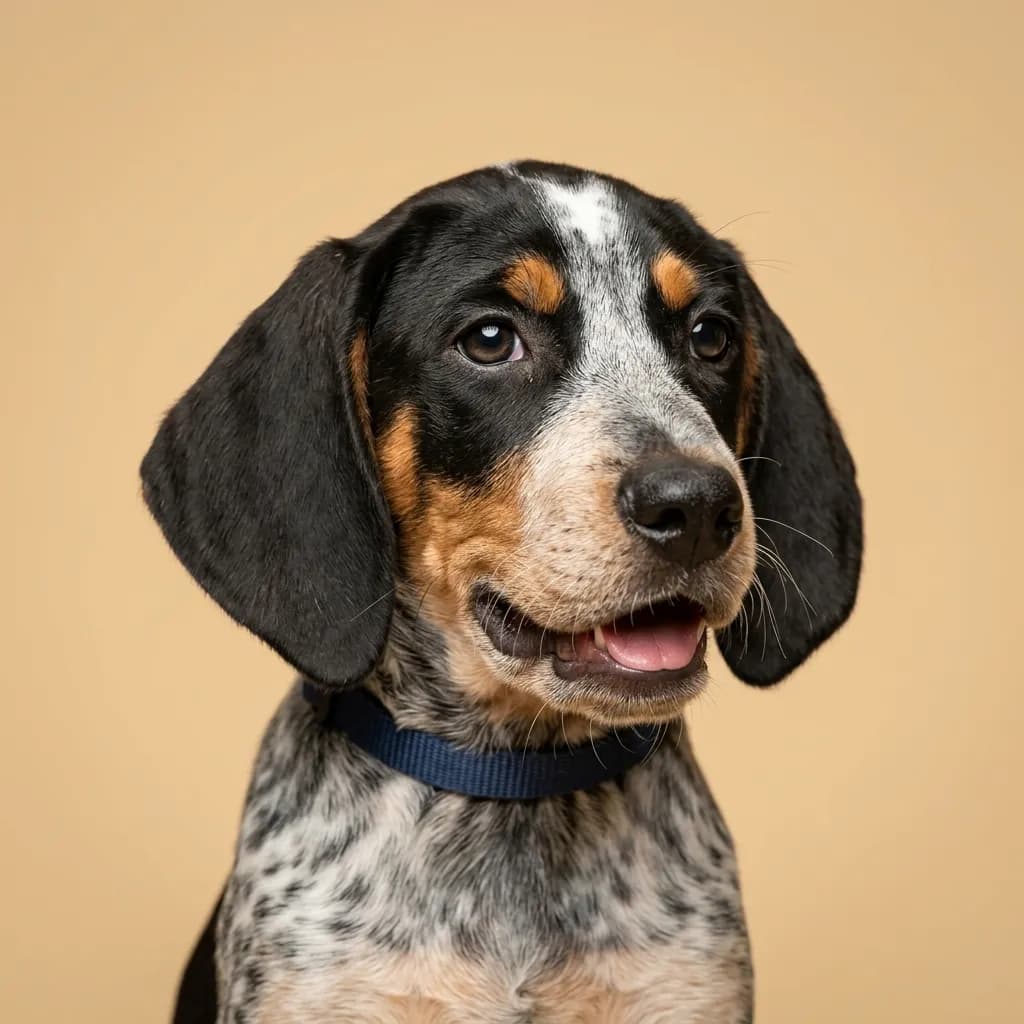
The list of high-risk breeds is long—52 in total—and heavily weighted toward scent hounds and spaniels. Why? Long, floppy ears that trap moisture. Among the worst affected are the Basset Hound, Bloodhound, Beagle, and all the coonhounds—American English, Black and Tan, Bluetick. These breeds are in the Hound and Sporting Groups, and a whopping 24 of the at-risk breeds are in the AKC’s Foundation Stock Service, meaning they’re rare but genetically prone. The Barbet and American Water Spaniel? Water lovers with dense ear hair—double trouble. If you’re considering one of these breeds, factor in ear care like you would dental care: non-negotiable, lifelong, and potentially costly if ignored. One study found that Basset Hounds average $400/year in ear-related vet costs alone when infections aren’t managed proactively. So yeah—know what you’re signing up for.
Breeds commonly affected
American English Coonhound
Hound Group
American Foxhound
Hound Group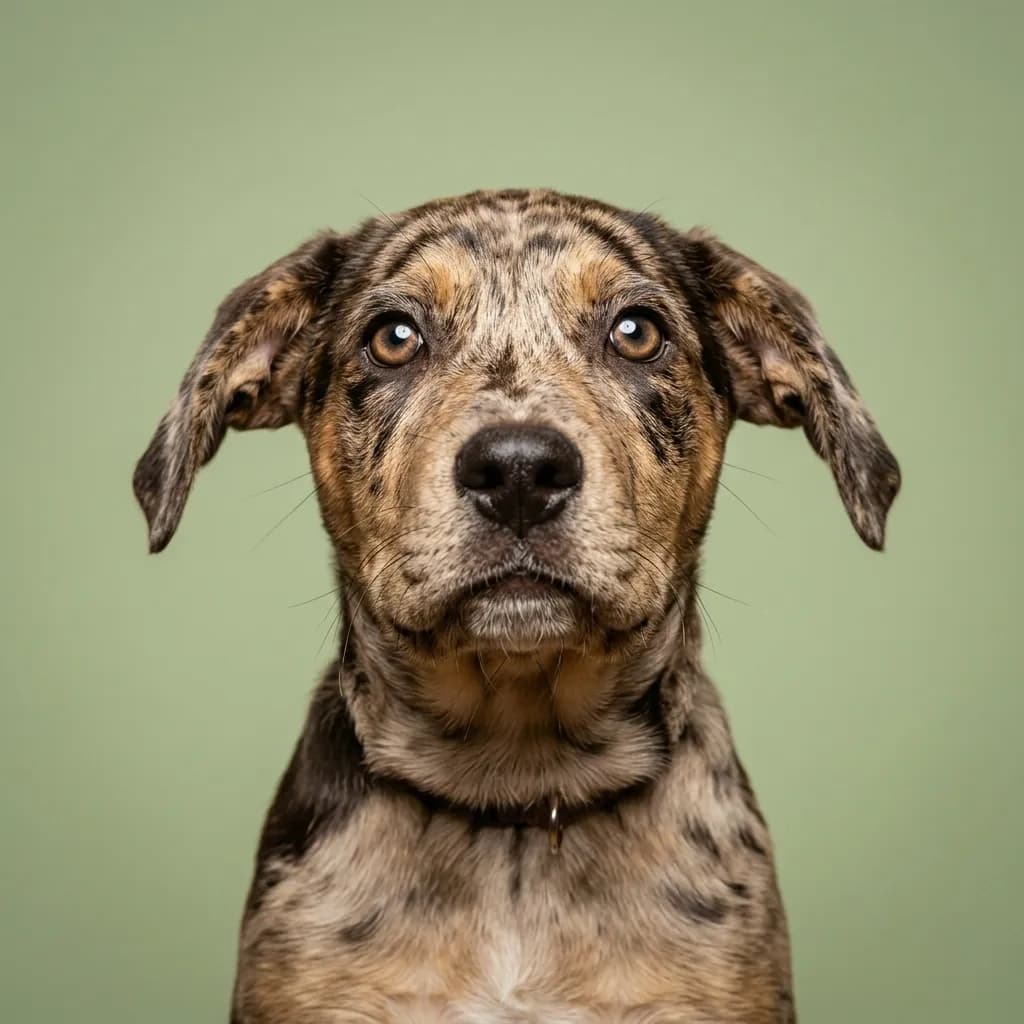
American Leopard Hound
Foundation Stock Service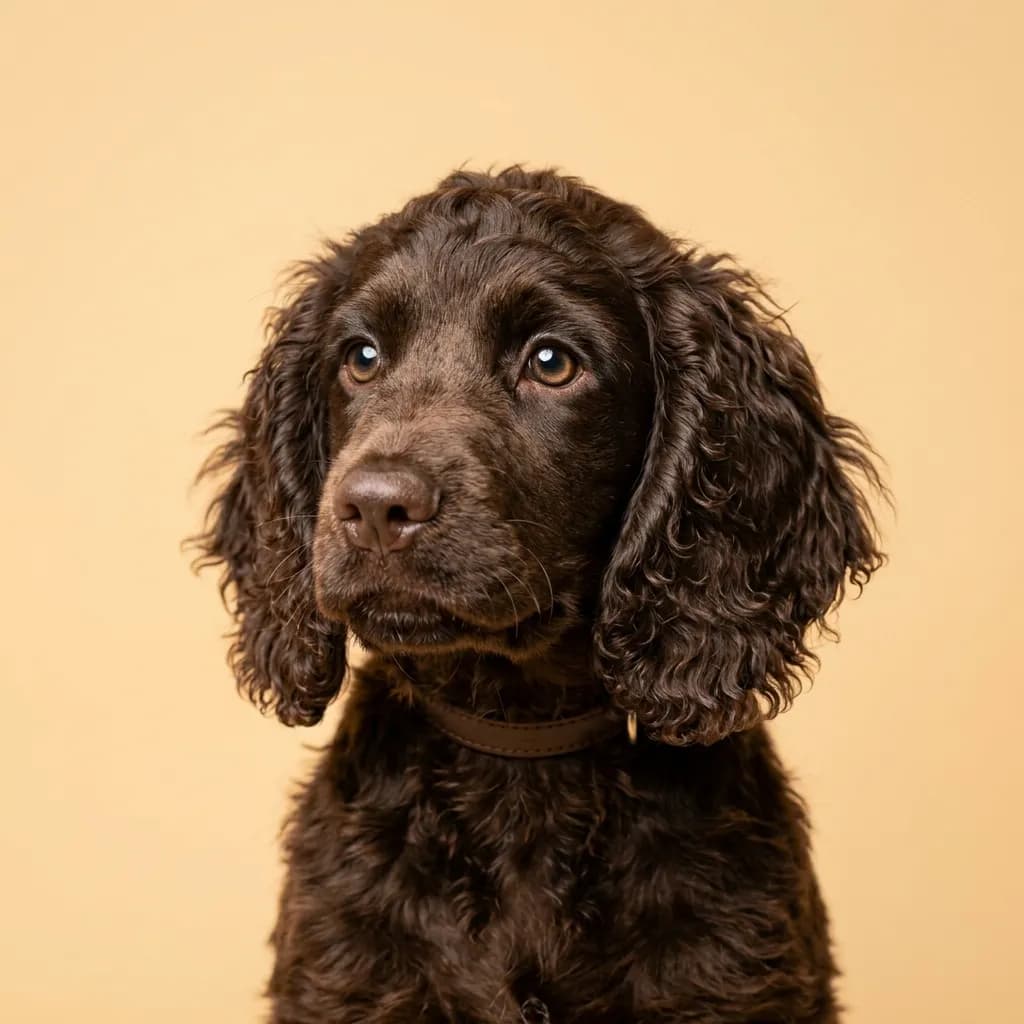
American Water Spaniel
Sporting Group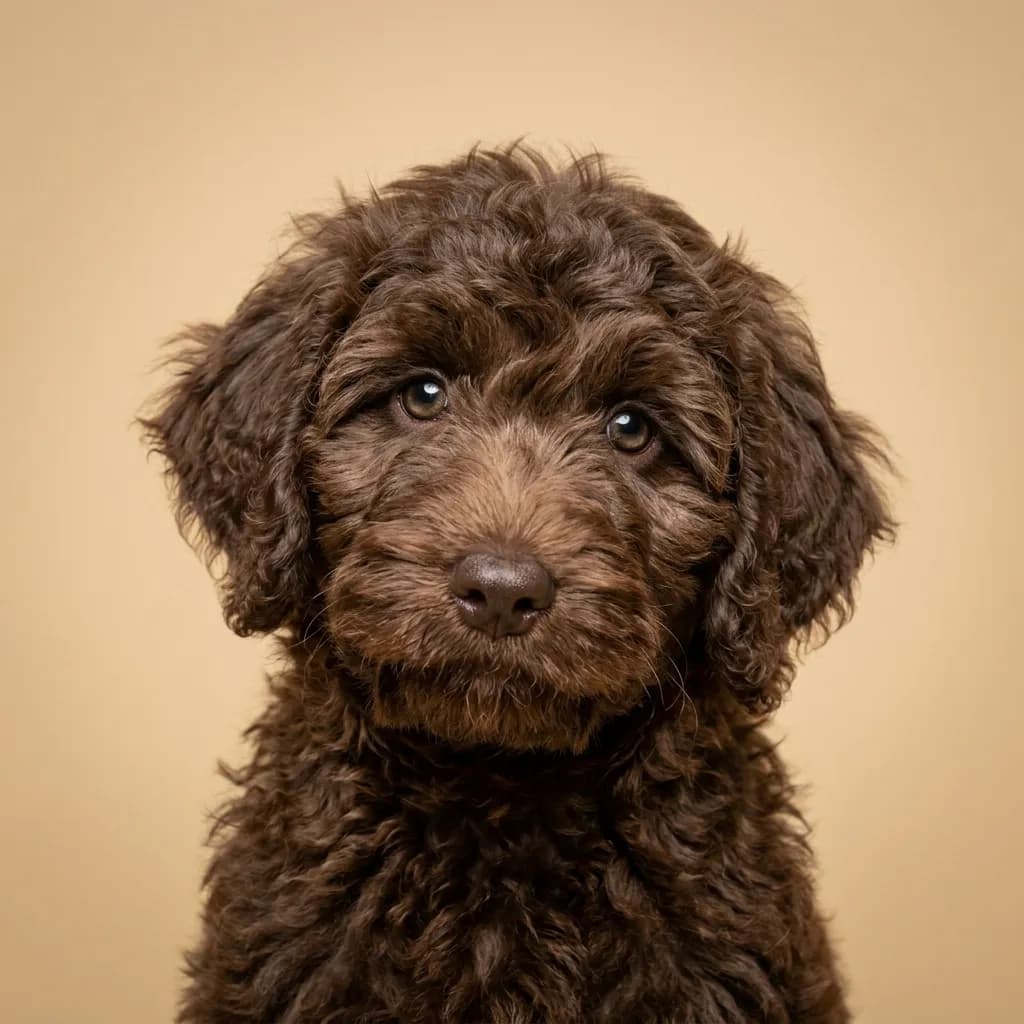
Barbet
Sporting Group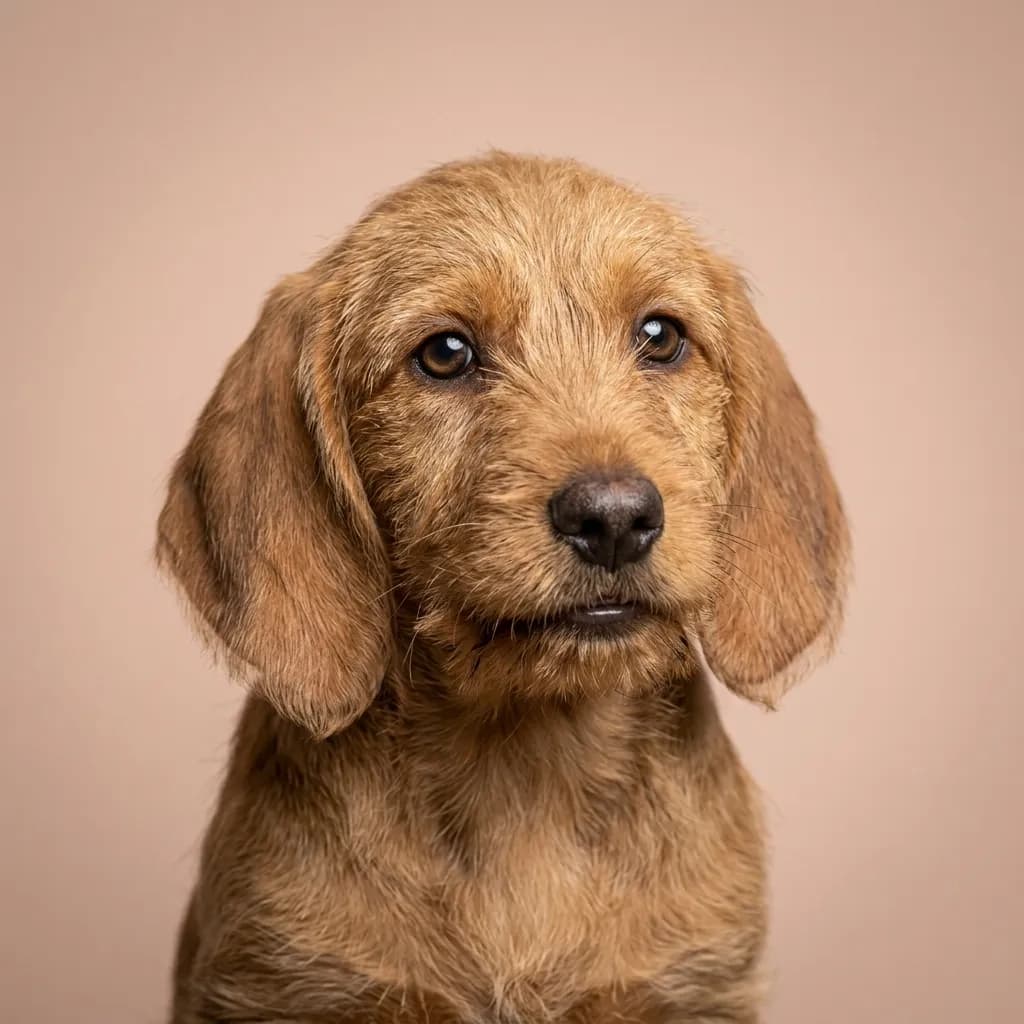
Basset Fauve de Bretagne
Foundation Stock Service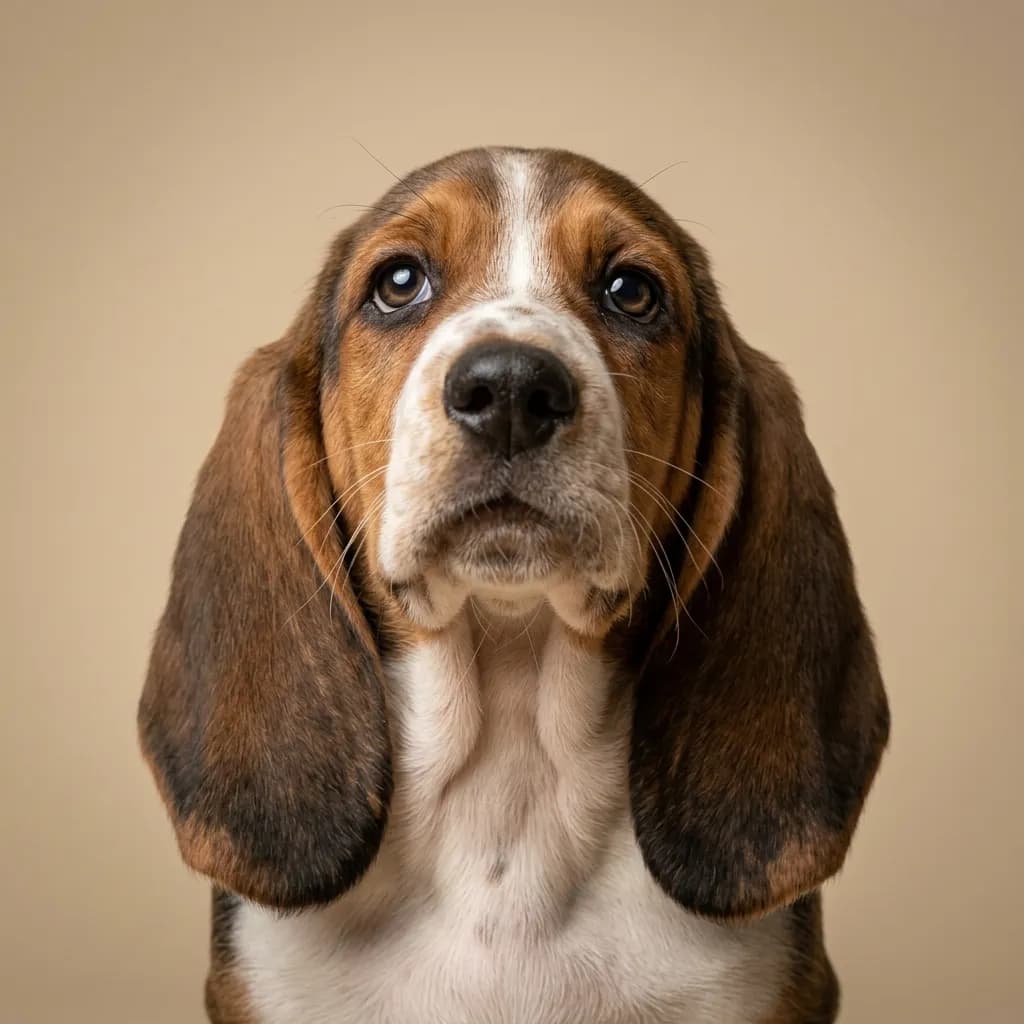
Basset Hound
Hound Group
Bavarian Mountain Scent Hound
Foundation Stock Service
Beagle
Hound Group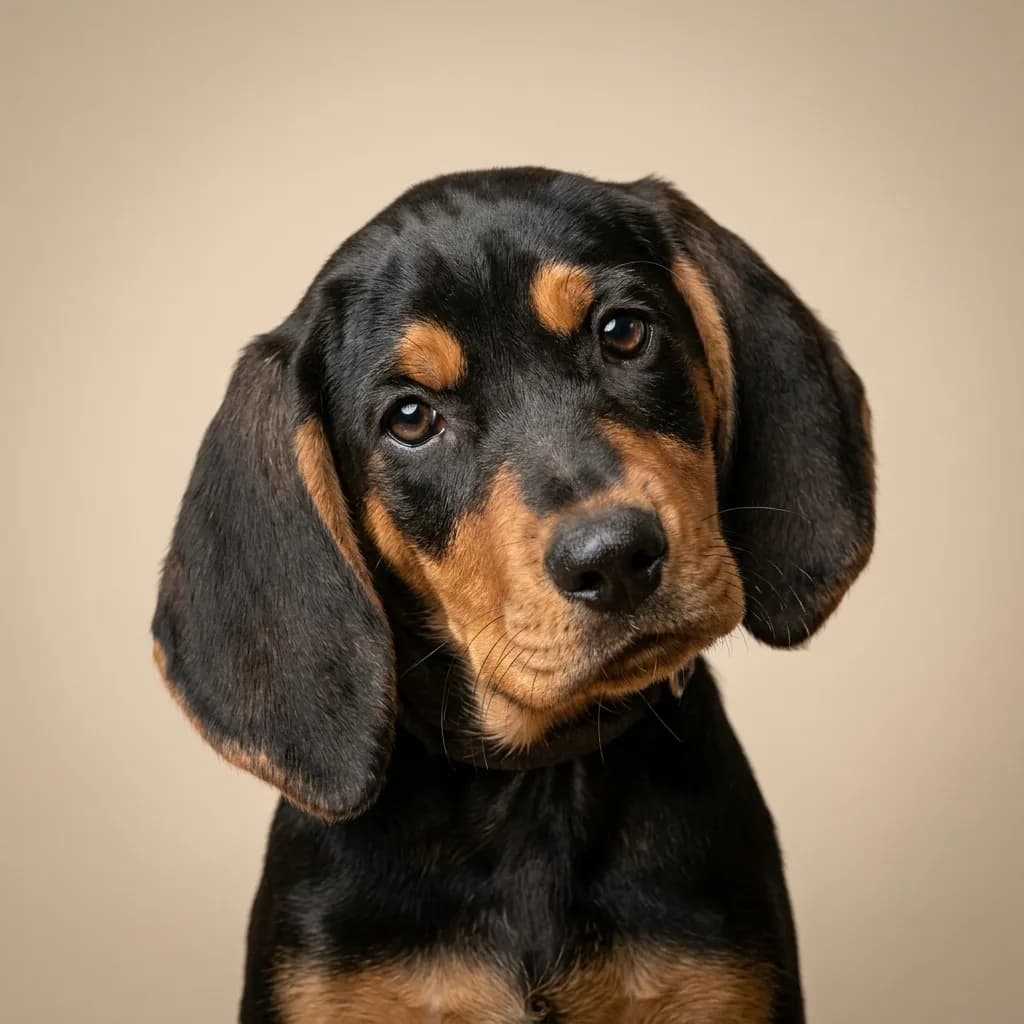
Black and Tan Coonhound
Hound Group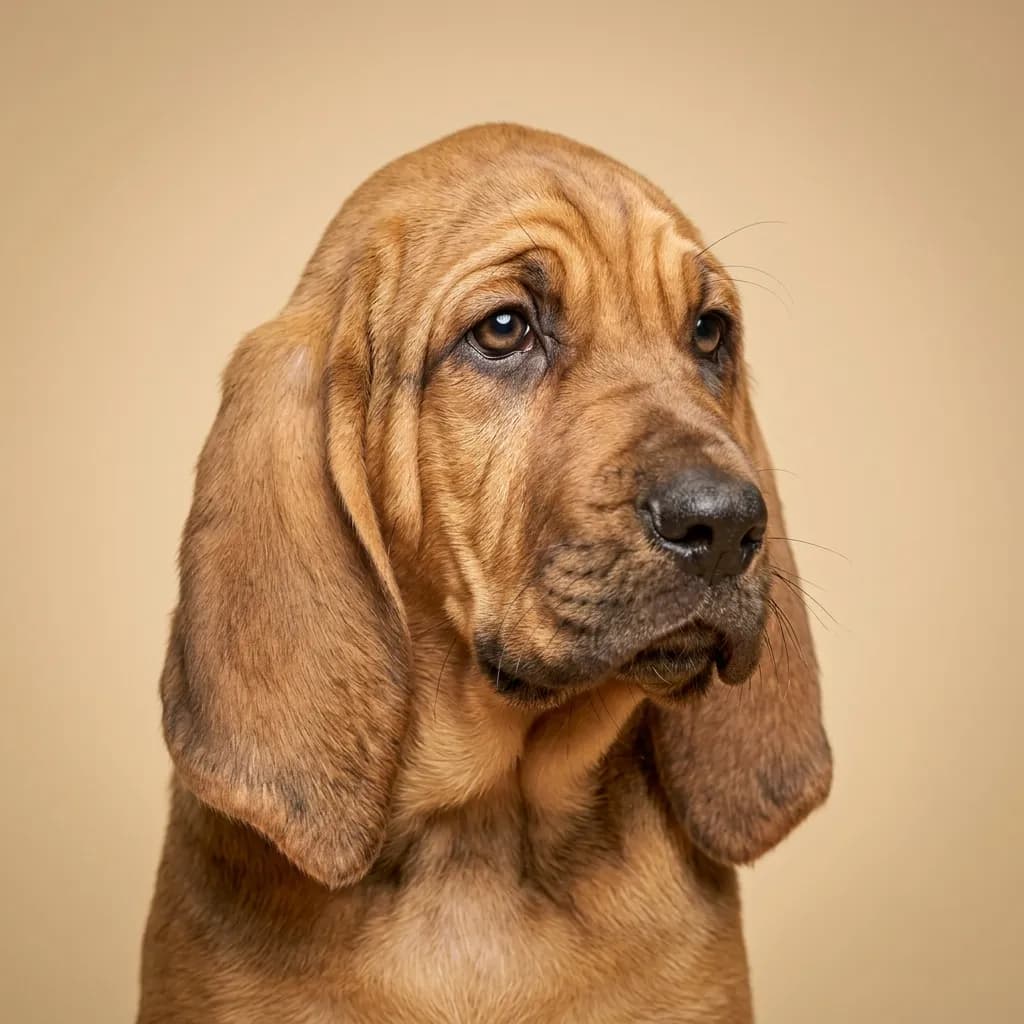
Bloodhound
Hound Group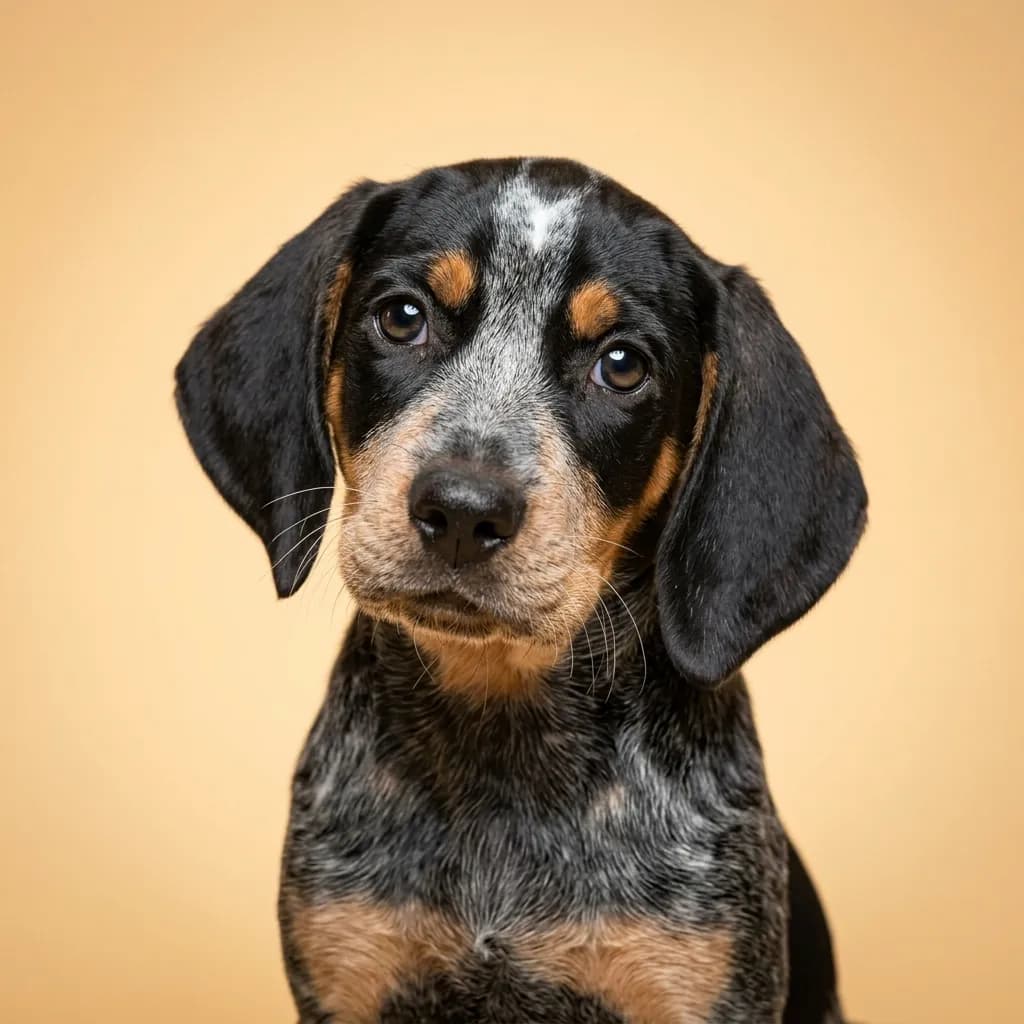
Bluetick Coonhound
Hound Group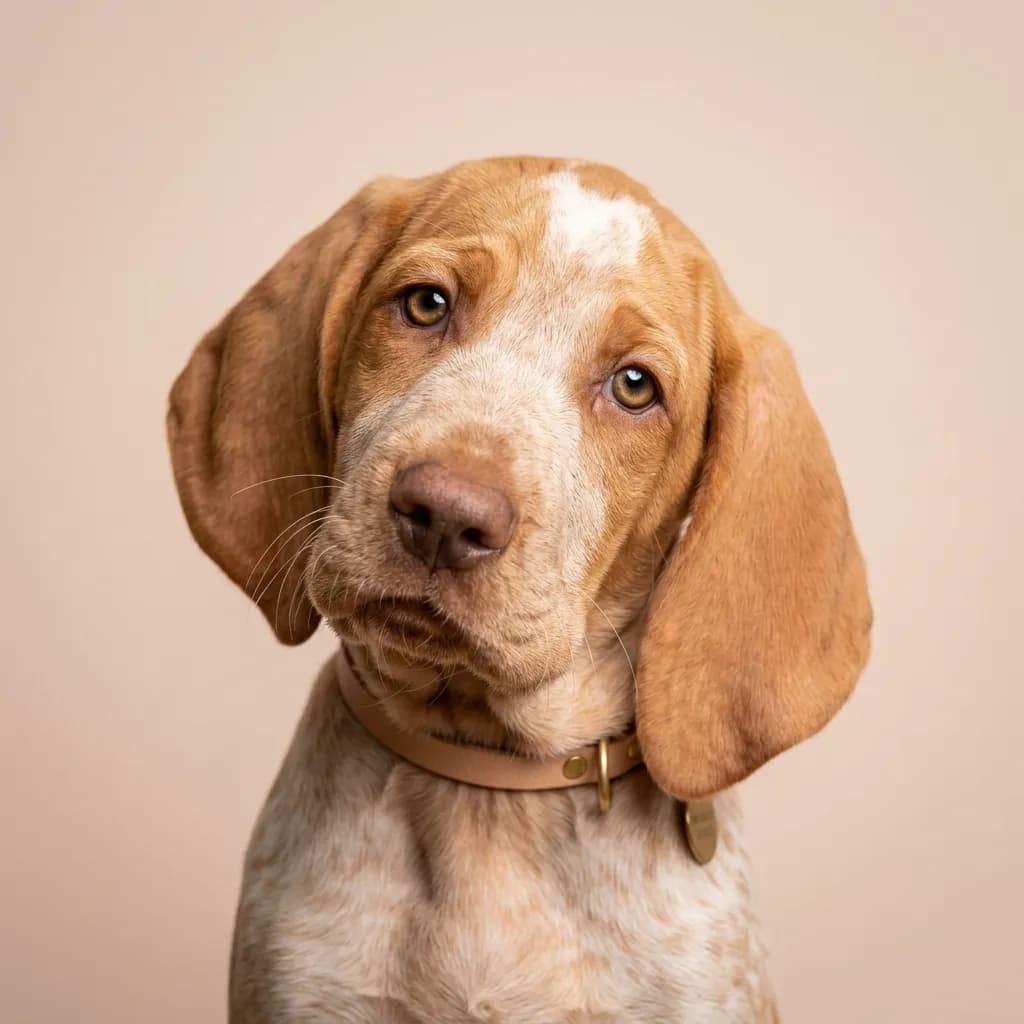
Bracco Italiano
Miscellaneous Class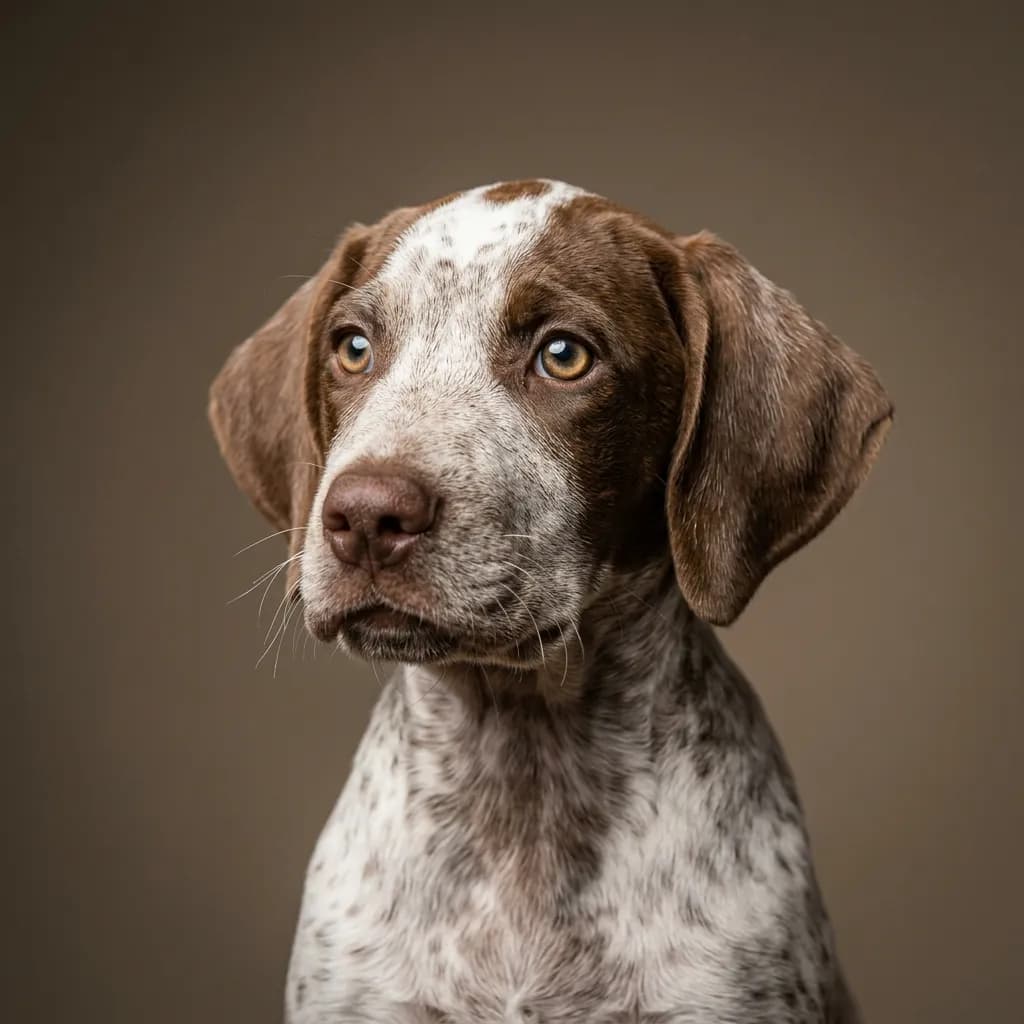
Braque du Bourbonnais
Foundation Stock Service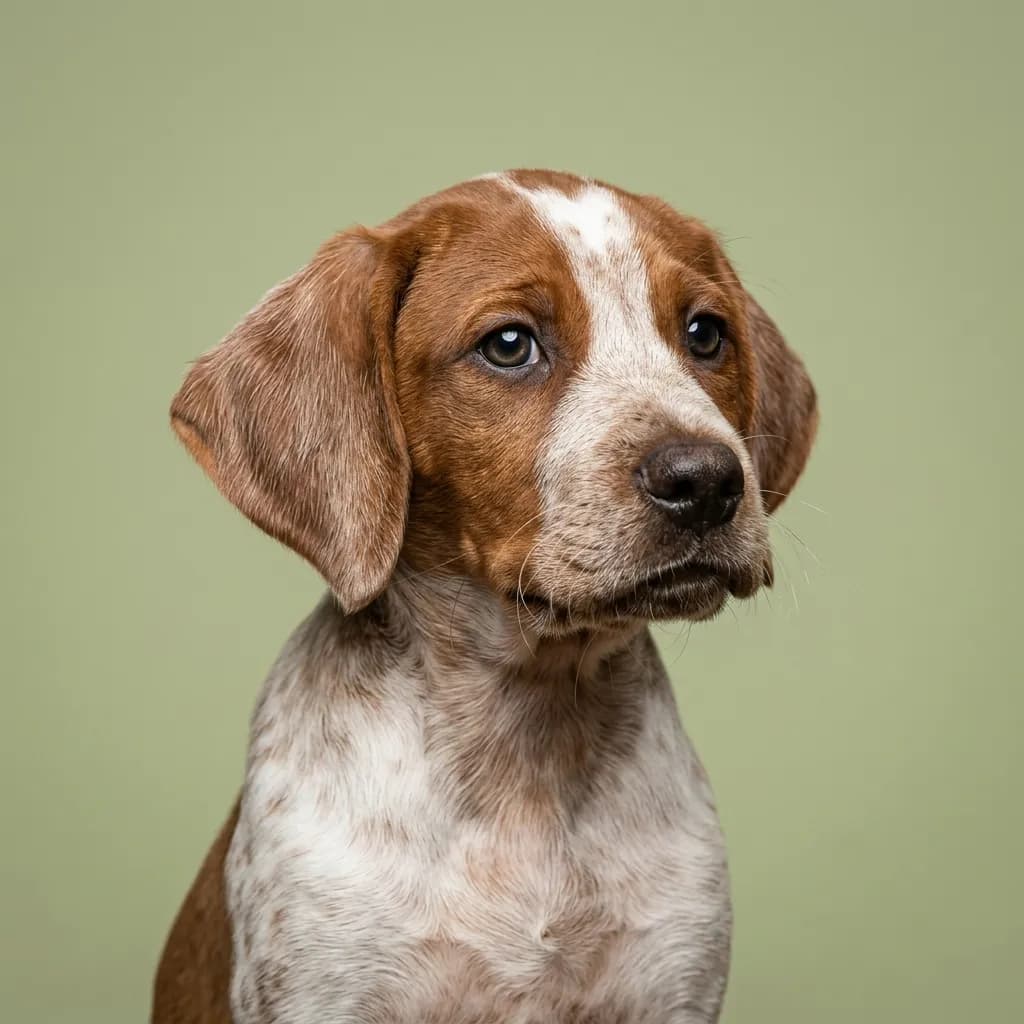
Braque Francais Pyrenean
Foundation Stock Service
Brittany
Sporting Group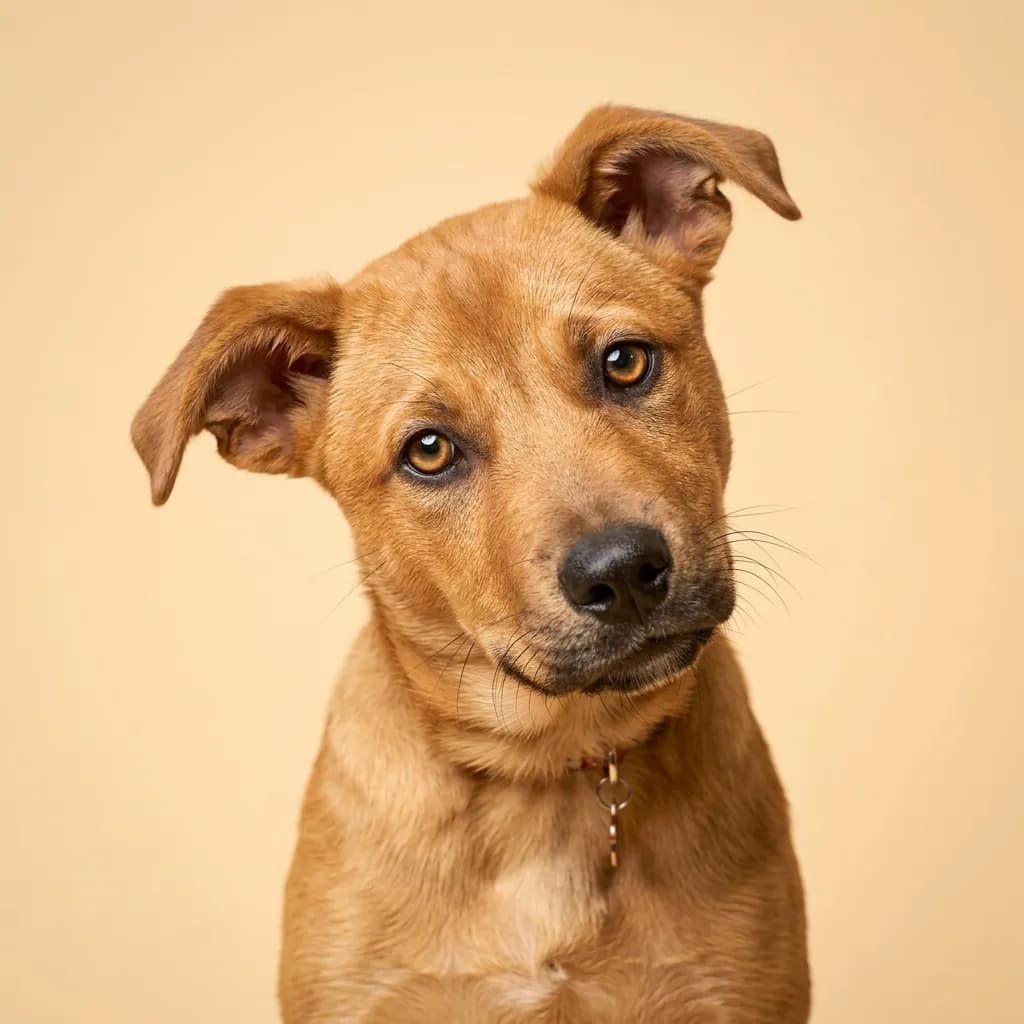
Carolina Dog
Foundation Stock Service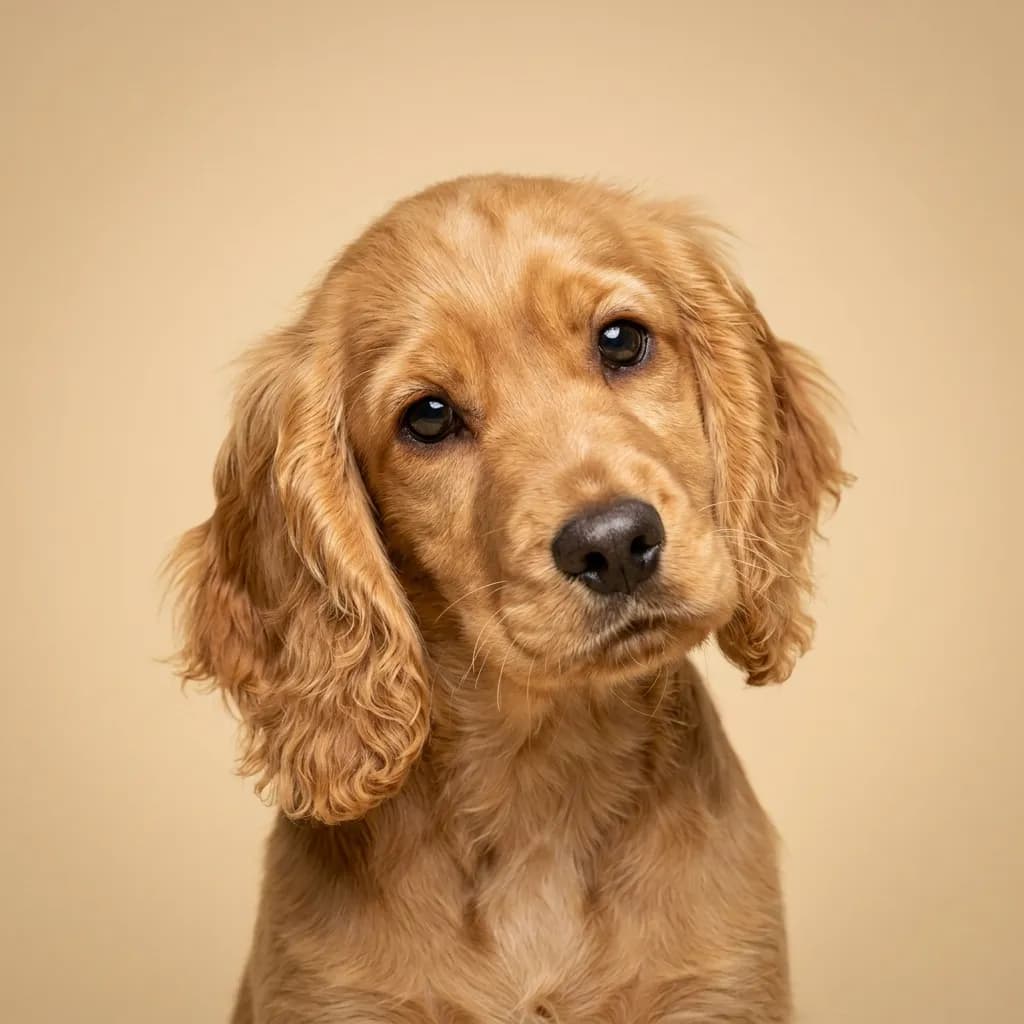
Cocker Spaniel
Sporting Group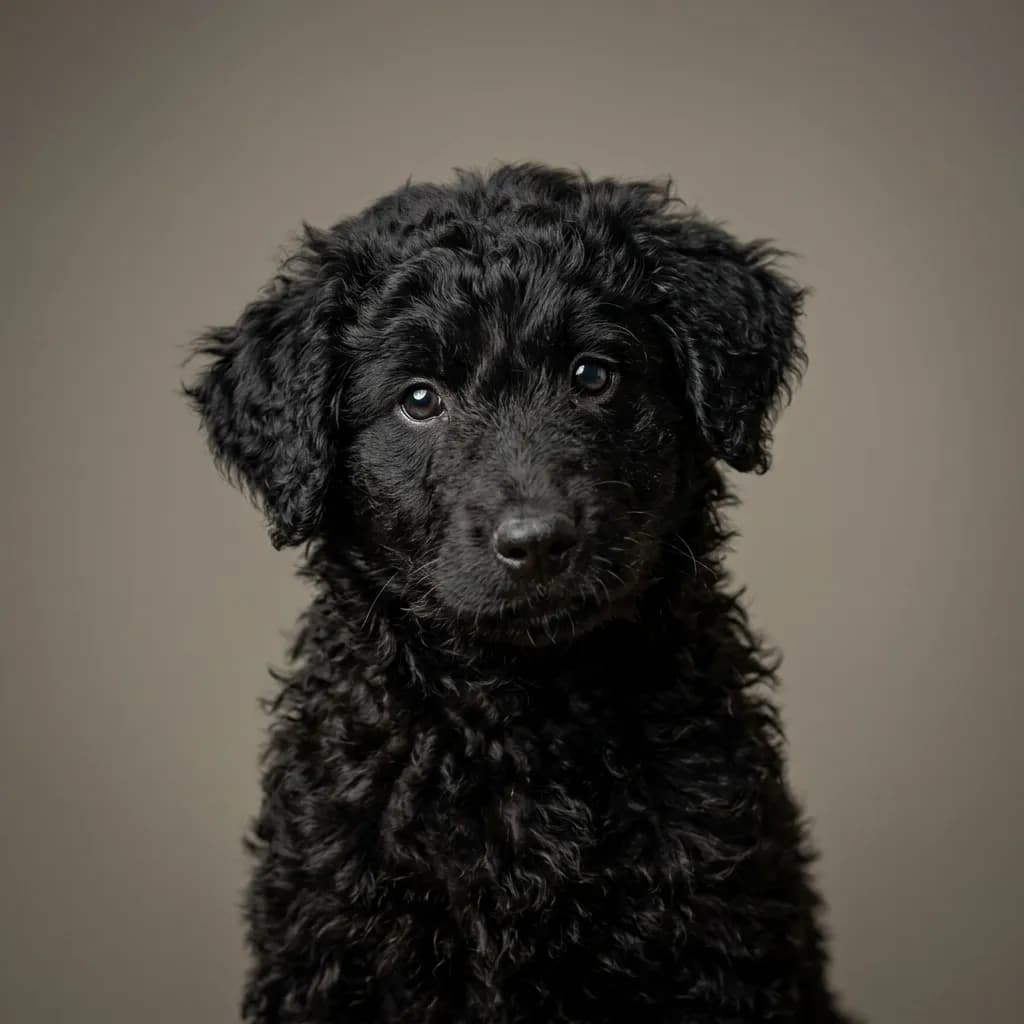
Croatian Sheepdog
Foundation Stock Service
Deutscher Wachtelhund
Foundation Stock Service
Drentsche Patrijshond
Foundation Stock Service
Drever
Foundation Stock Service
English Cocker Spaniel
Sporting Group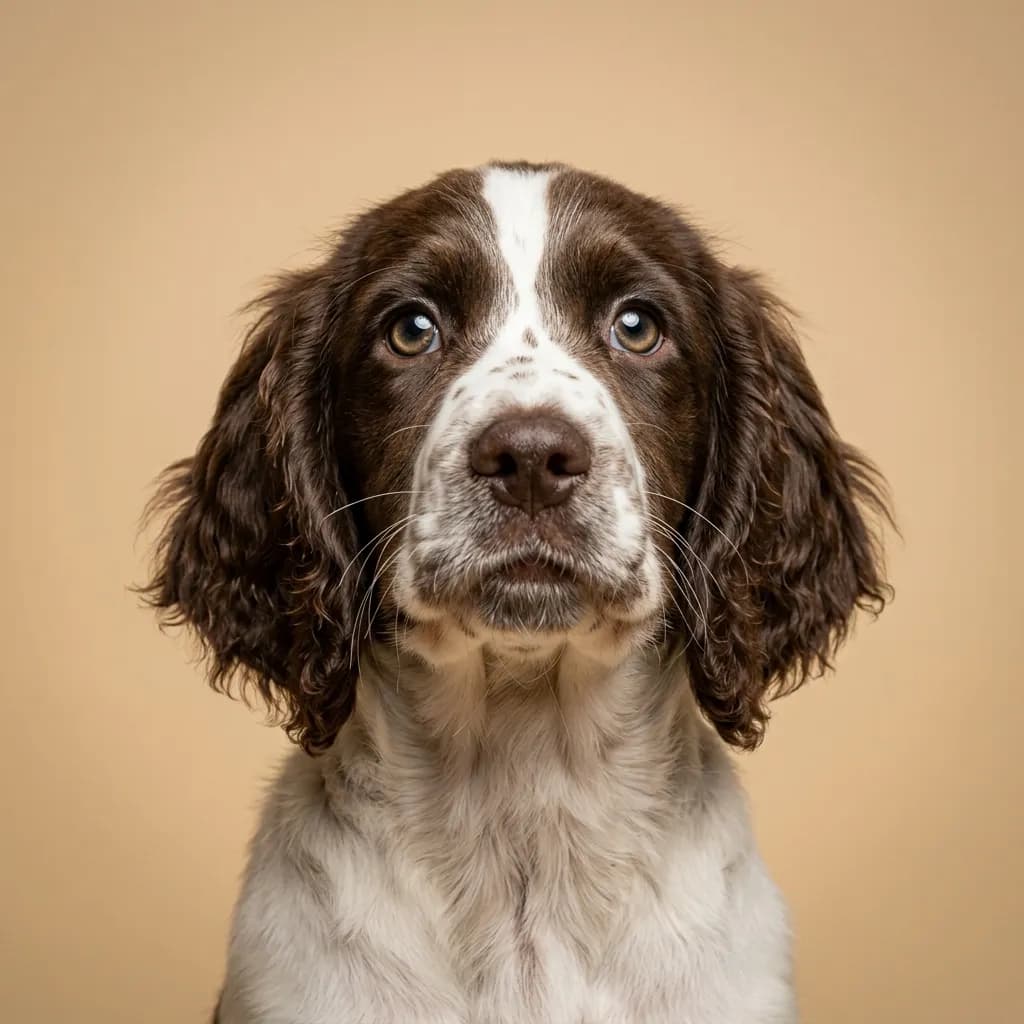
English Springer Spaniel
Sporting Group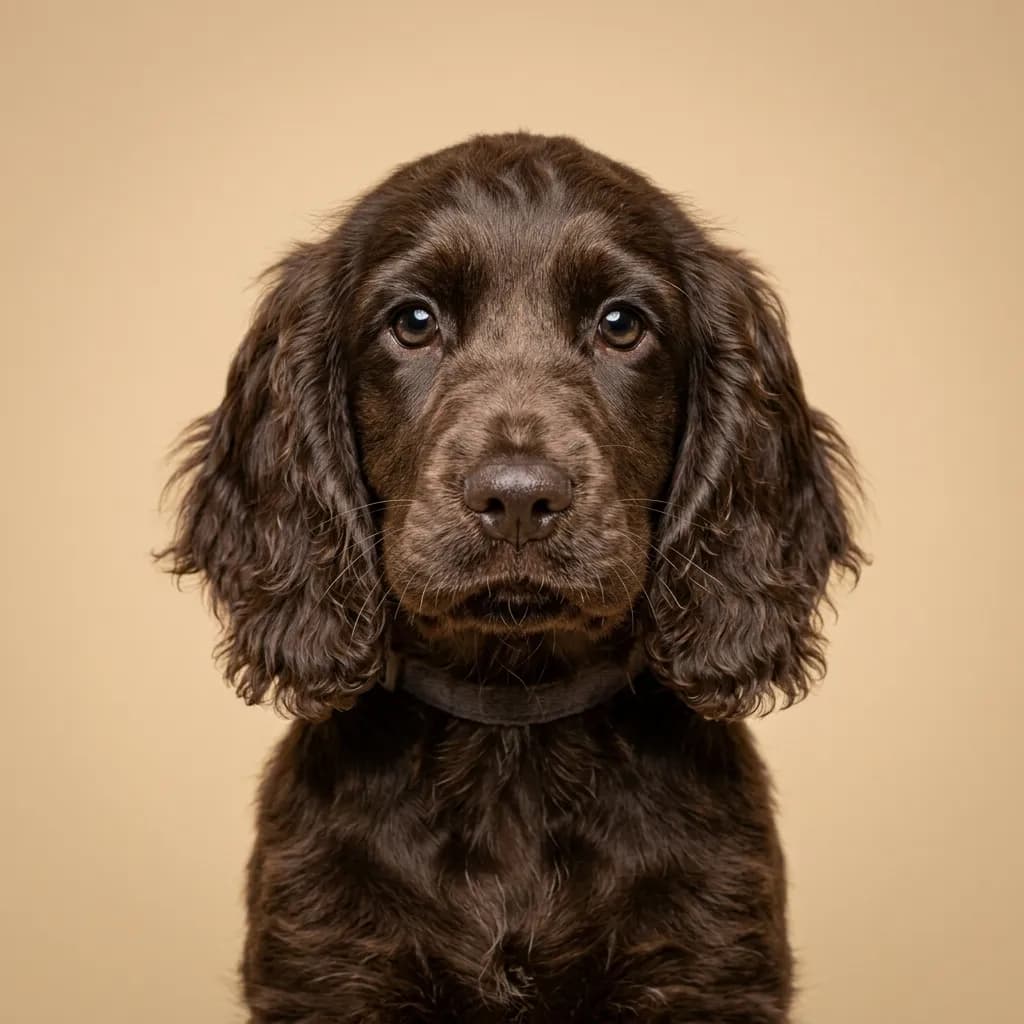
Field Spaniel
Sporting Group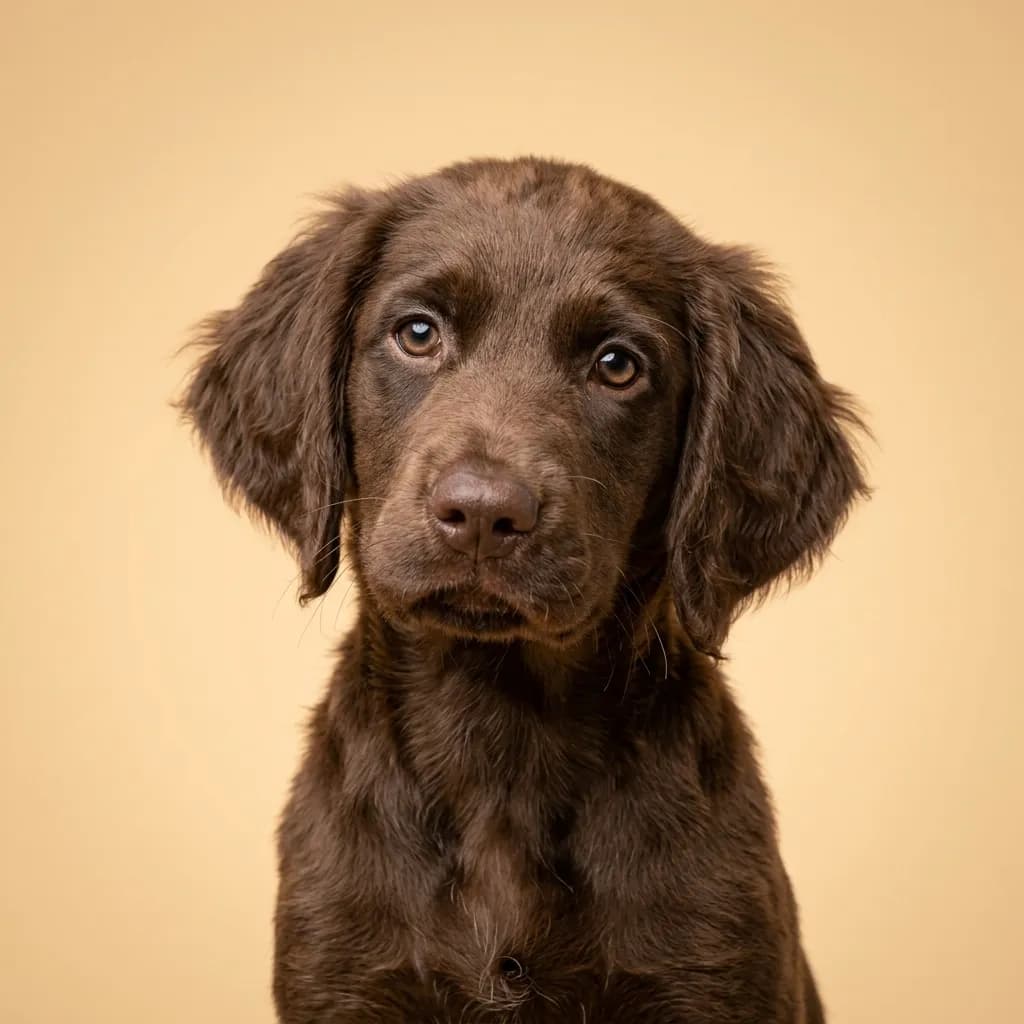
German Longhaired Pointer
Foundation Stock Service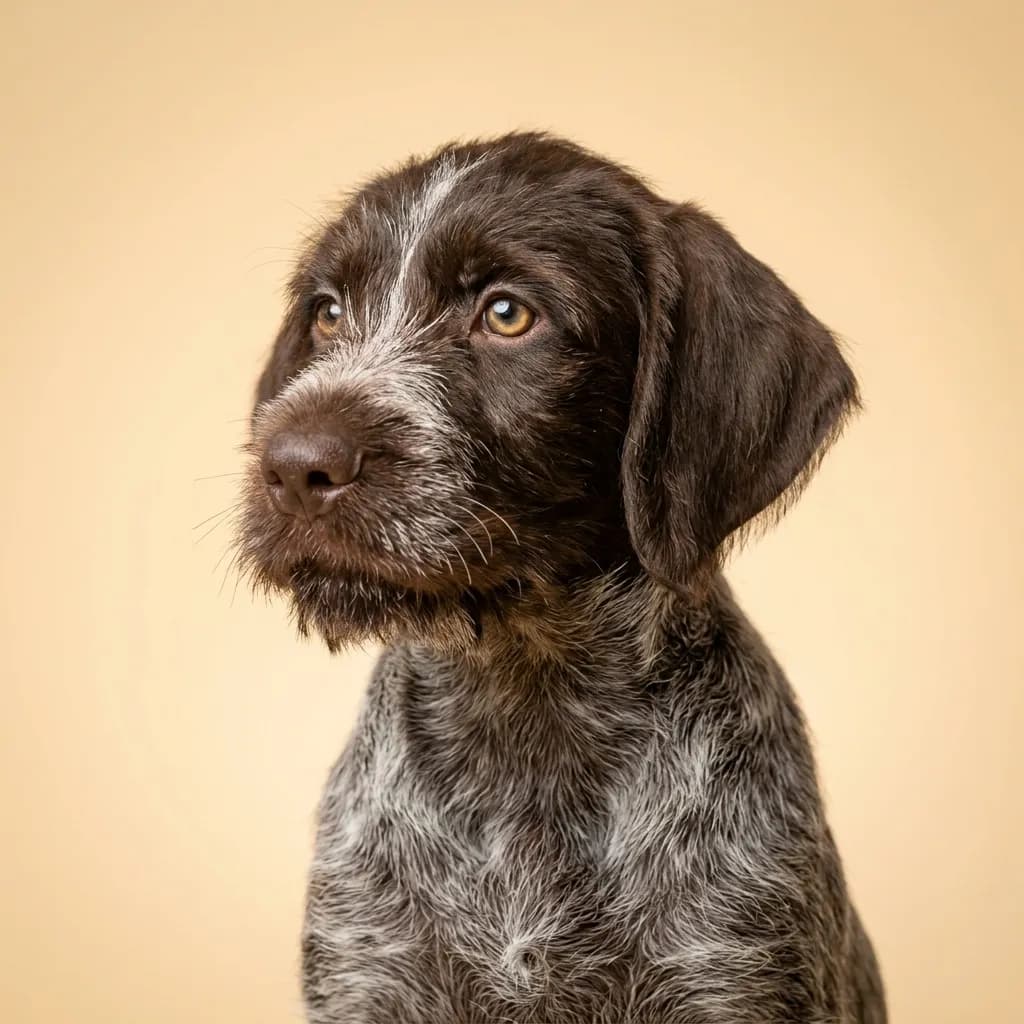
German Wirehaired Pointer
Sporting Group
Grand Basset Griffon Vendéen
Hound Group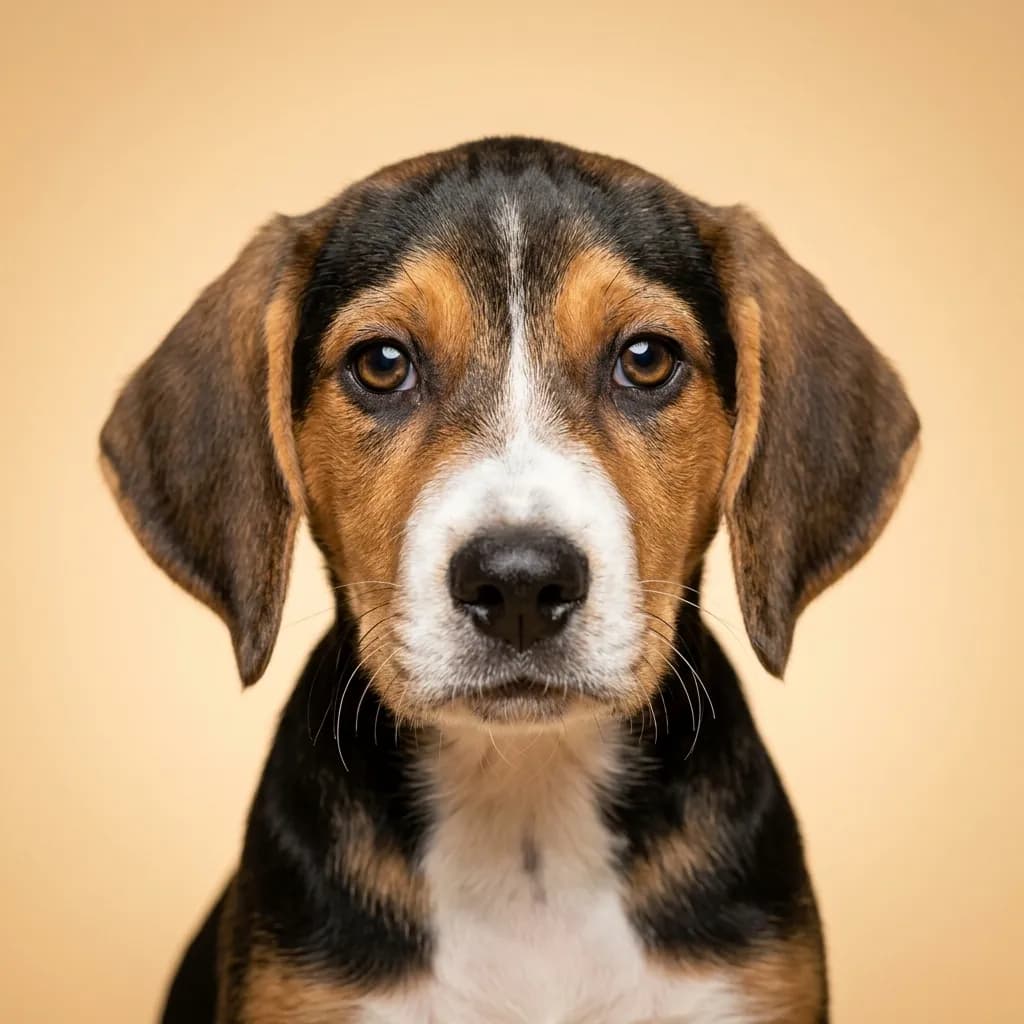
Hamiltonstovare
Foundation Stock Service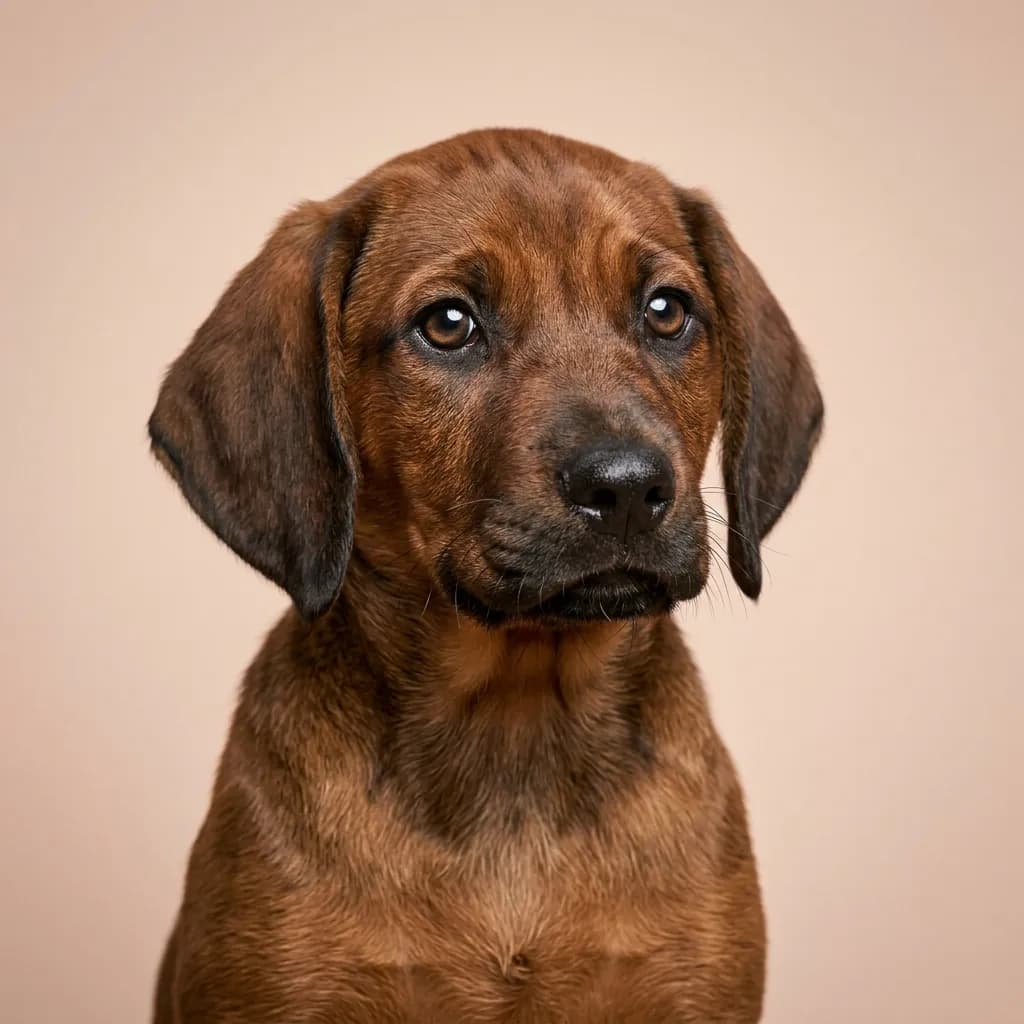
Hanoverian Scenthound
Foundation Stock Service
Harrier
Hound Group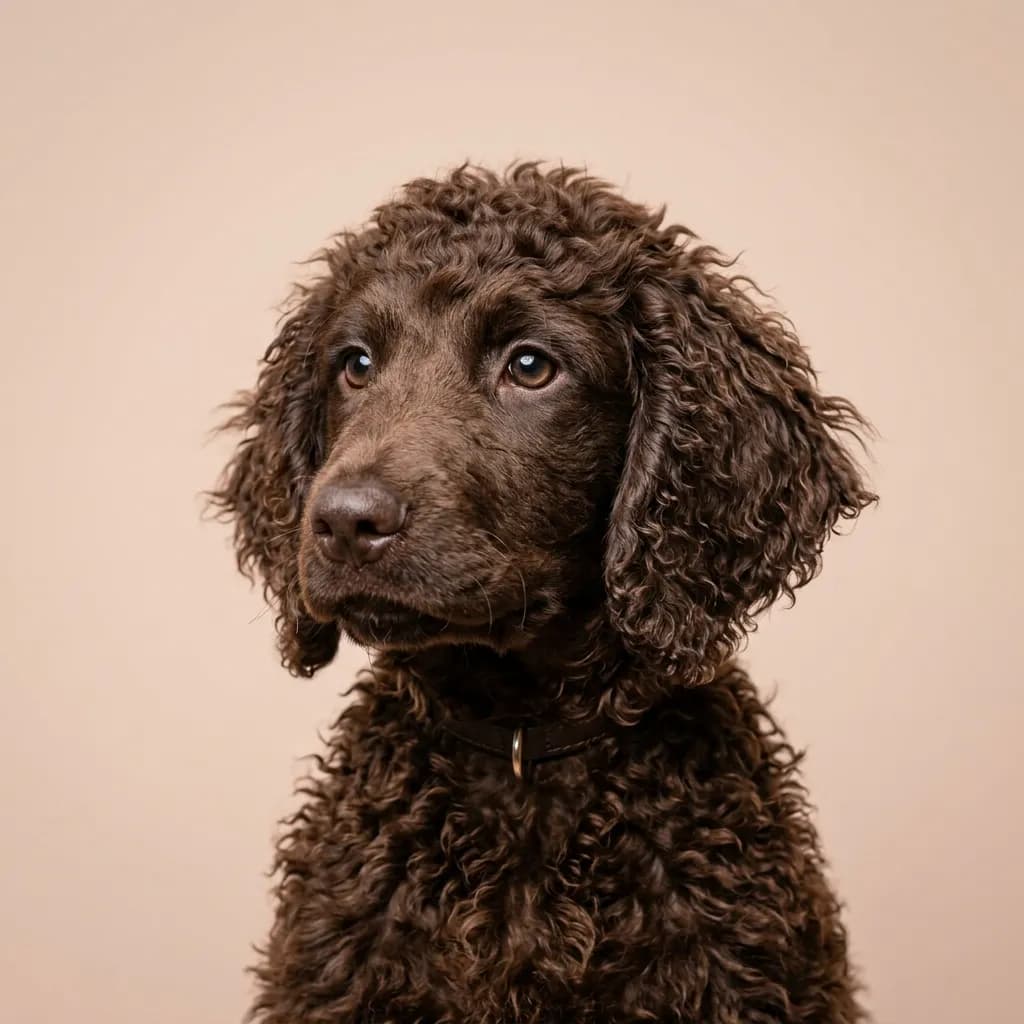
Irish Water Spaniel
Sporting Group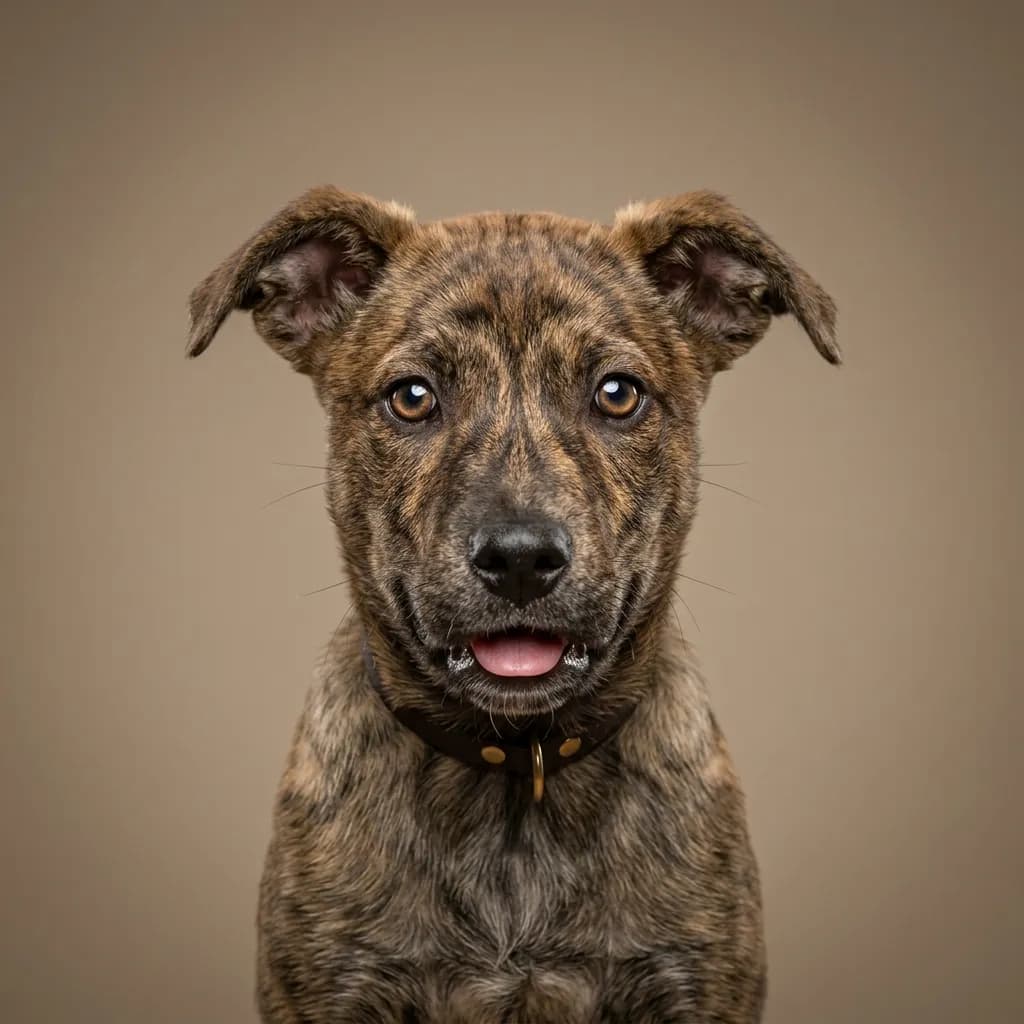
Mountain Cur
Foundation Stock Service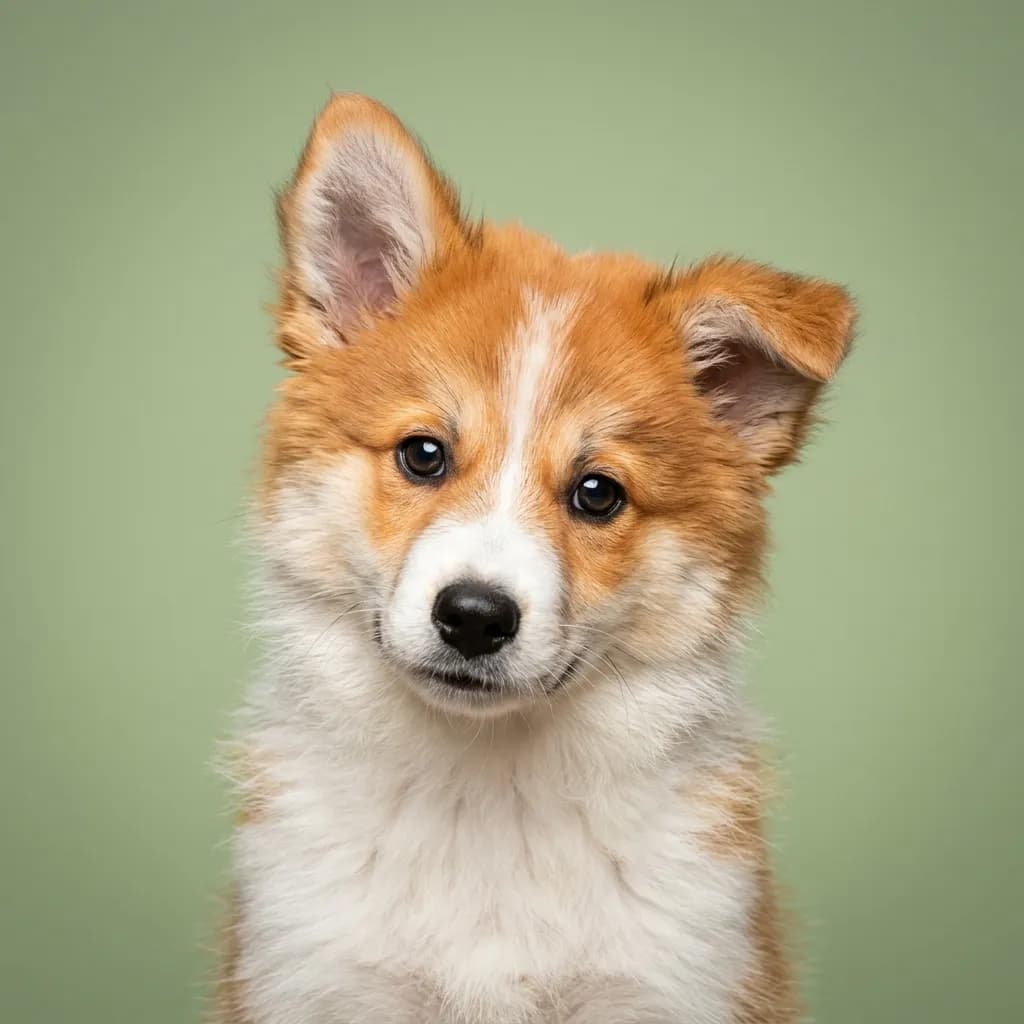
Norrbottenspets
Miscellaneous Class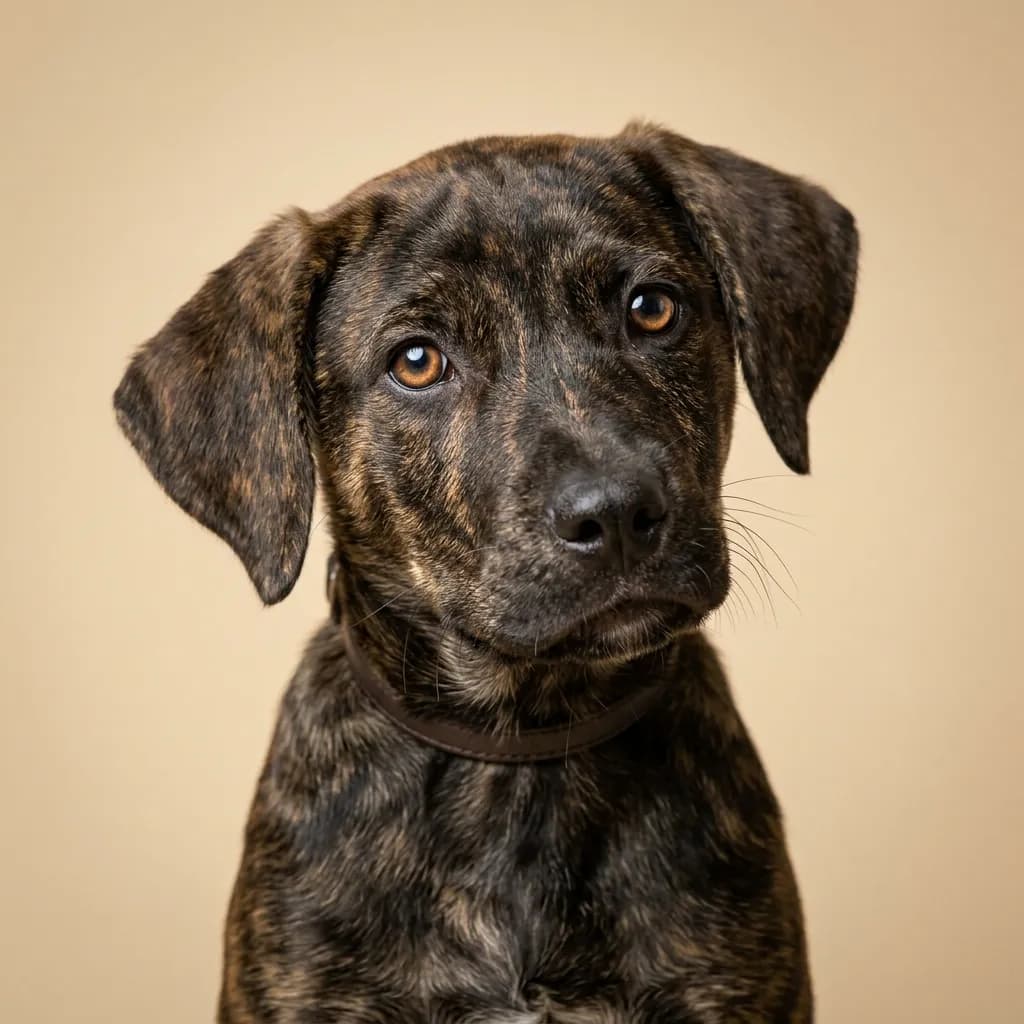
Plott Hound
Hound Group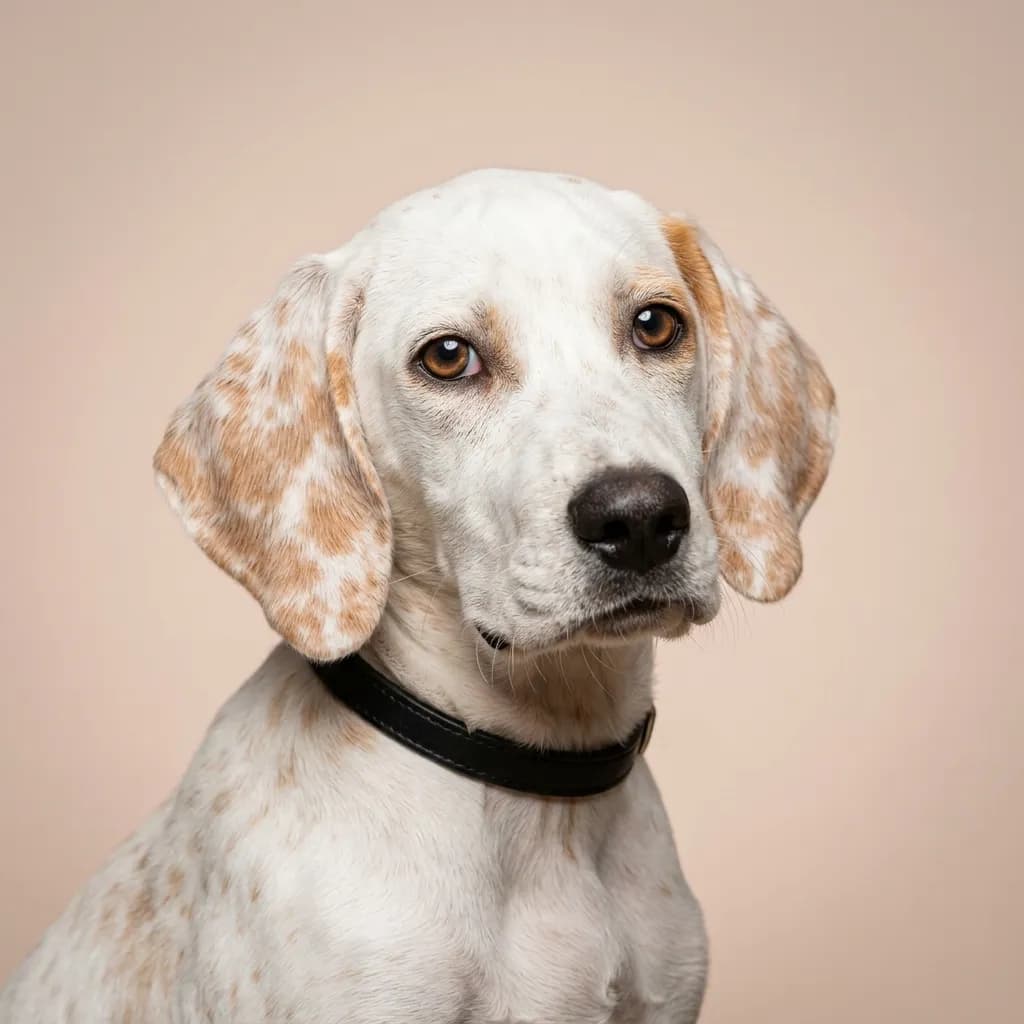
Porcelaine
Foundation Stock Service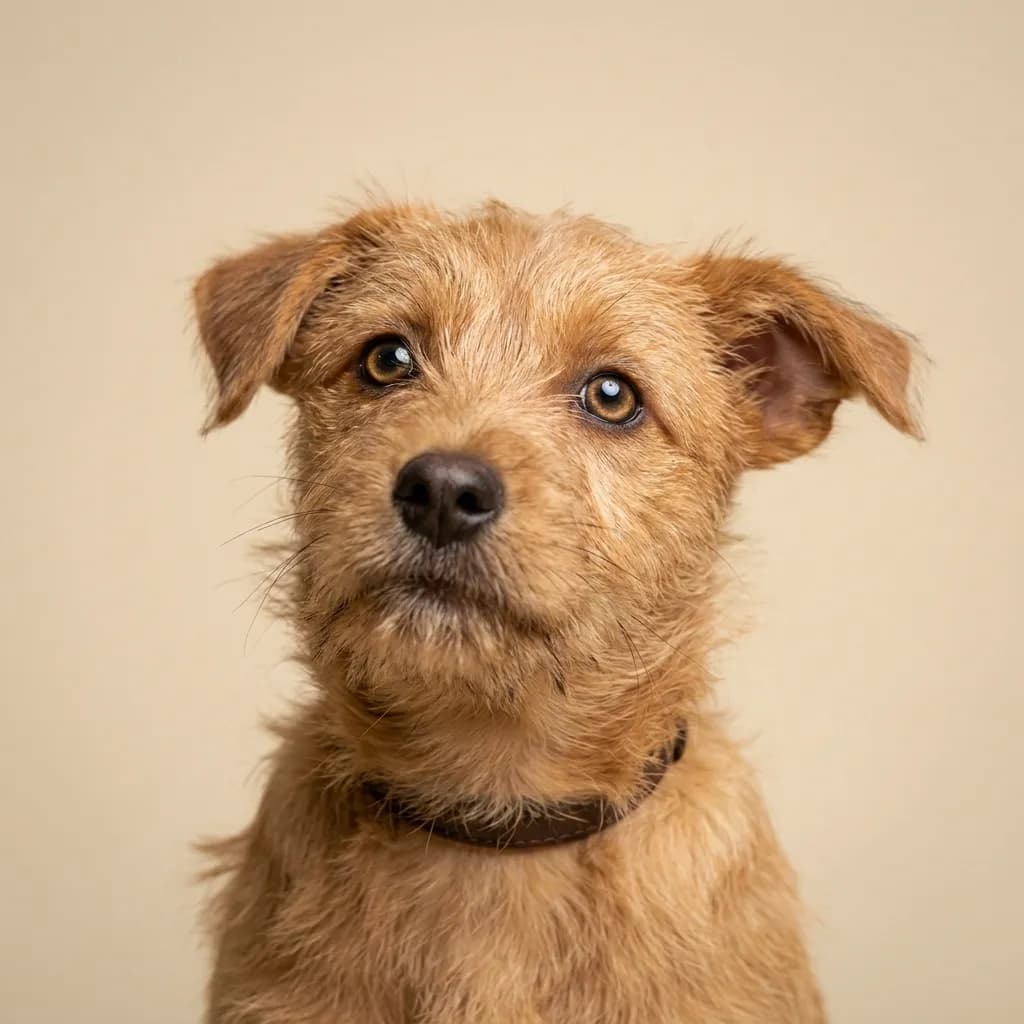
Portuguese Podengo
Miscellaneous Class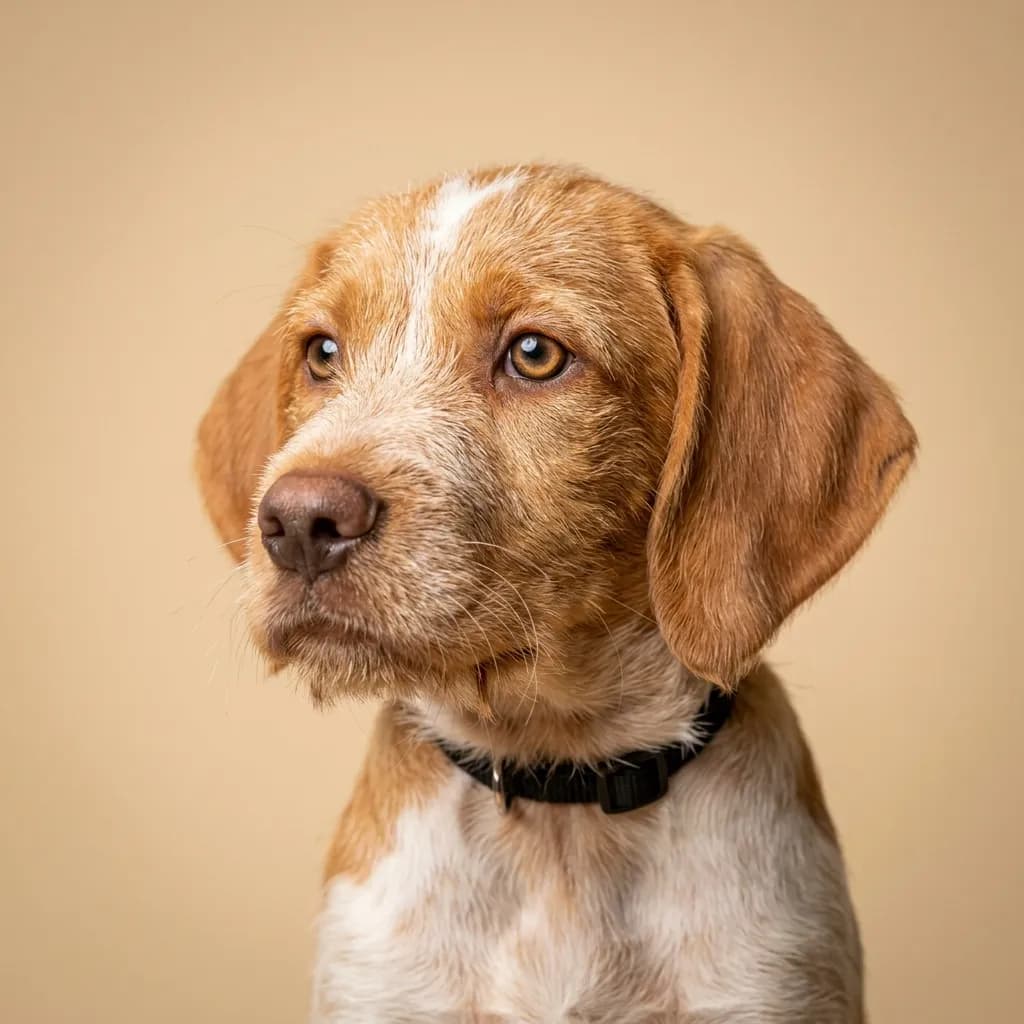
Portuguese Pointer
Foundation Stock Service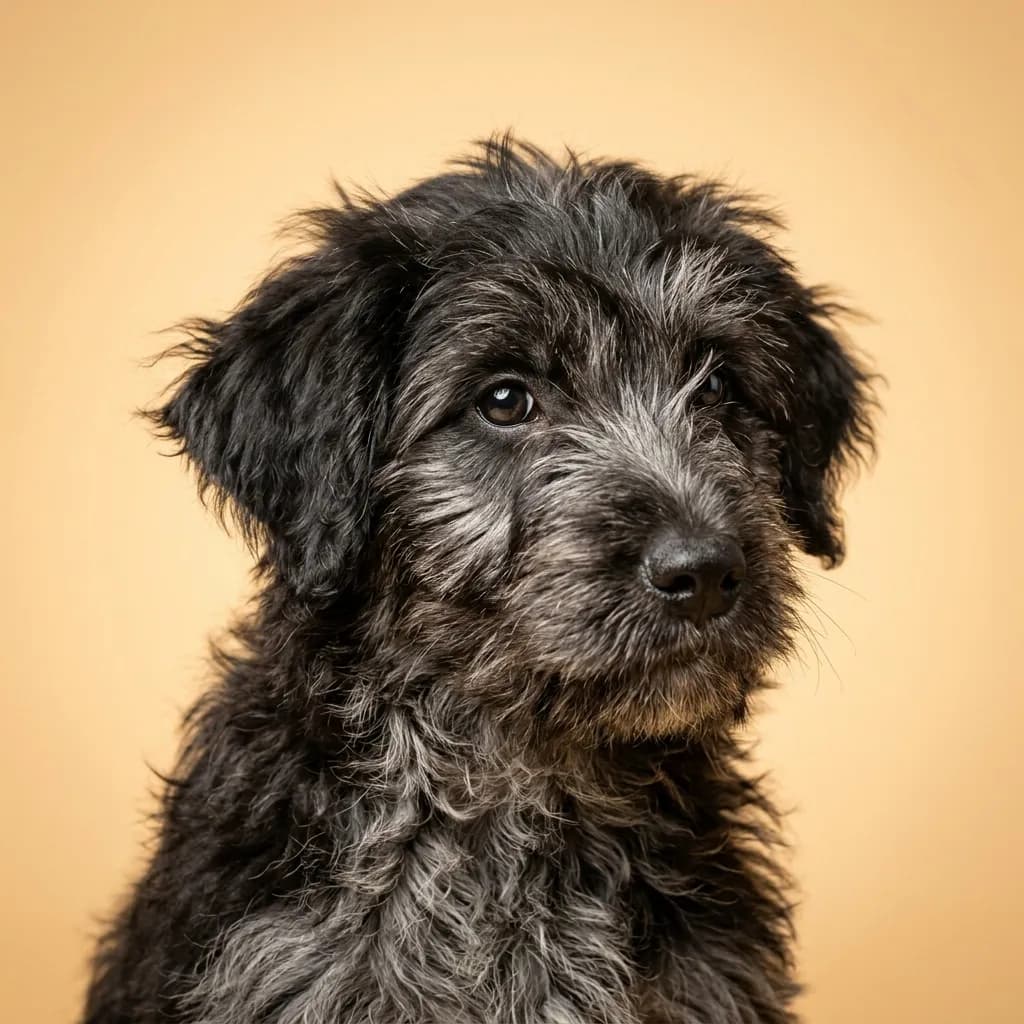
Portuguese Sheepdog
Foundation Stock Service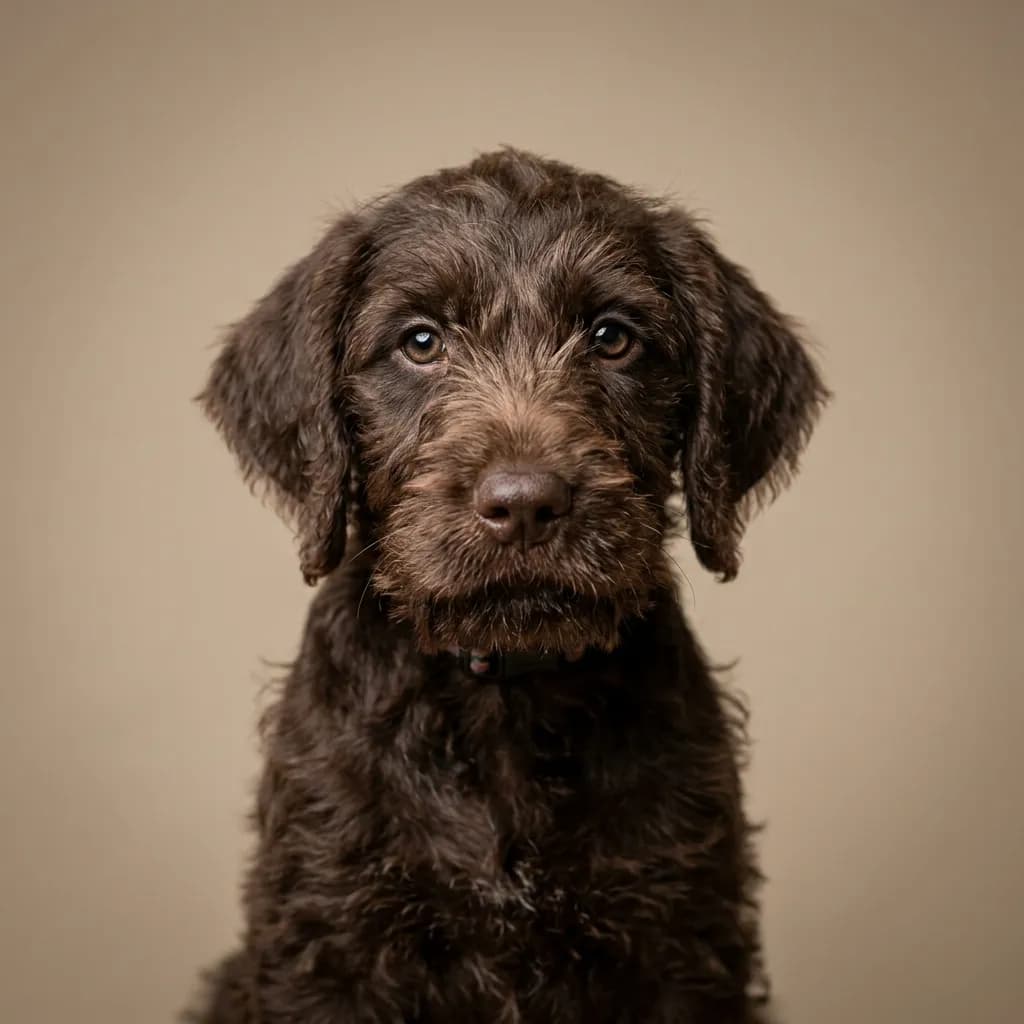
Pudelpointer
Foundation Stock Service
Redbone Coonhound
Hound Group
Segugio Italiano
Foundation Stock Service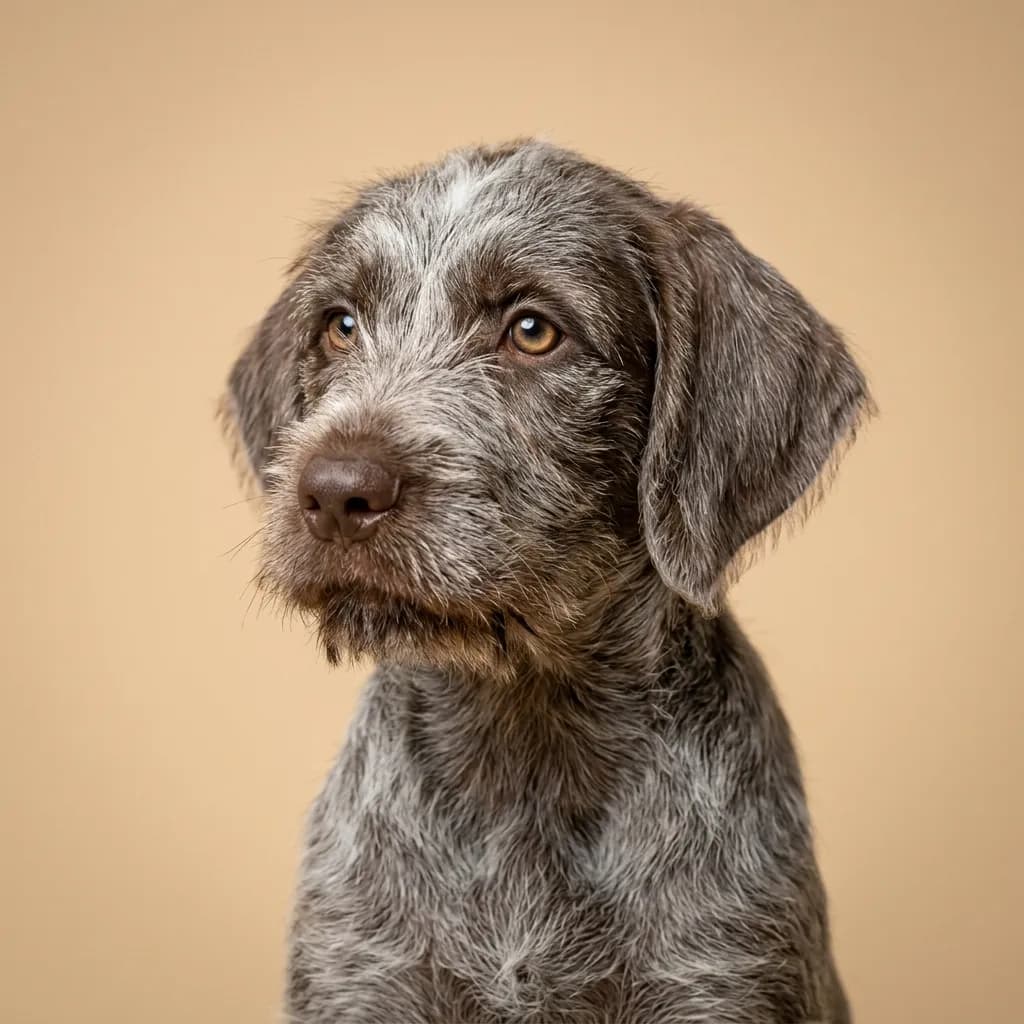
Slovakian Wirehaired Pointer
Foundation Stock Service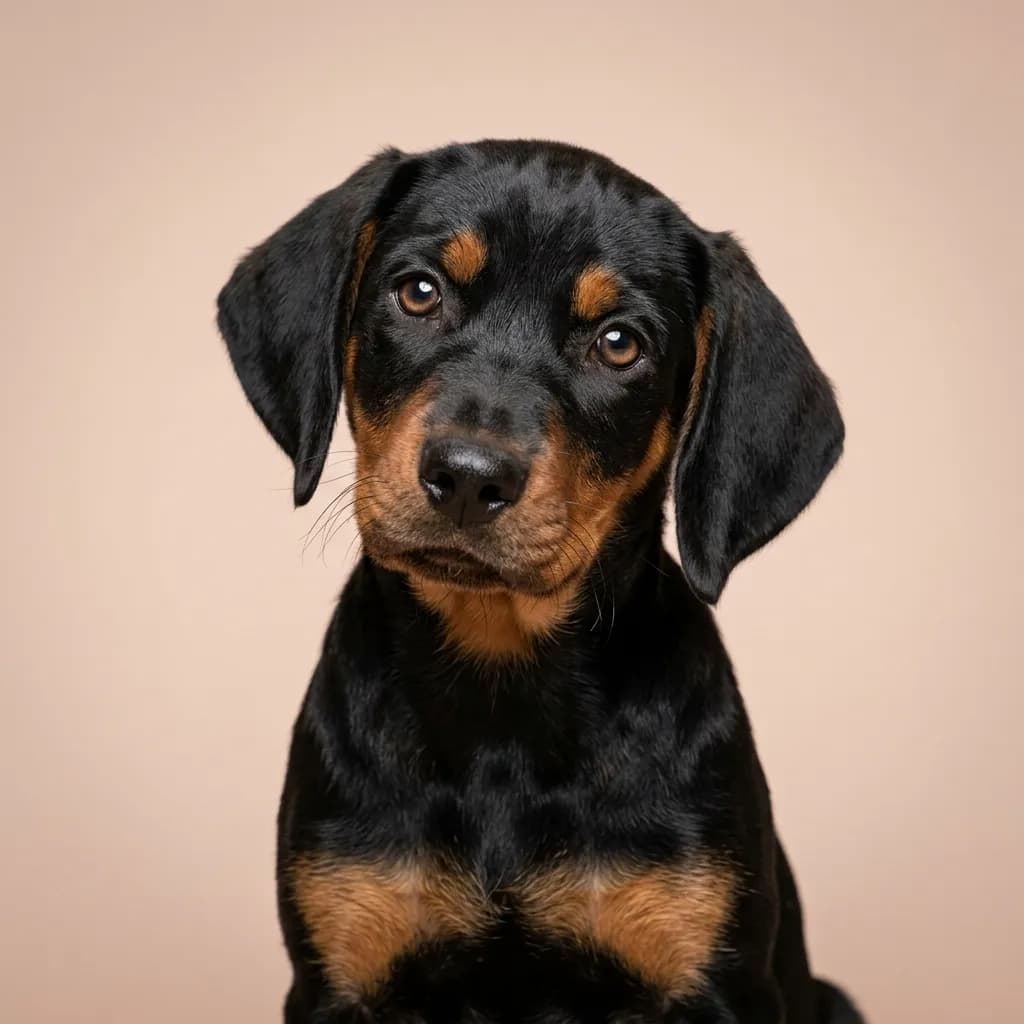
Slovensky Kopov
Foundation Stock Service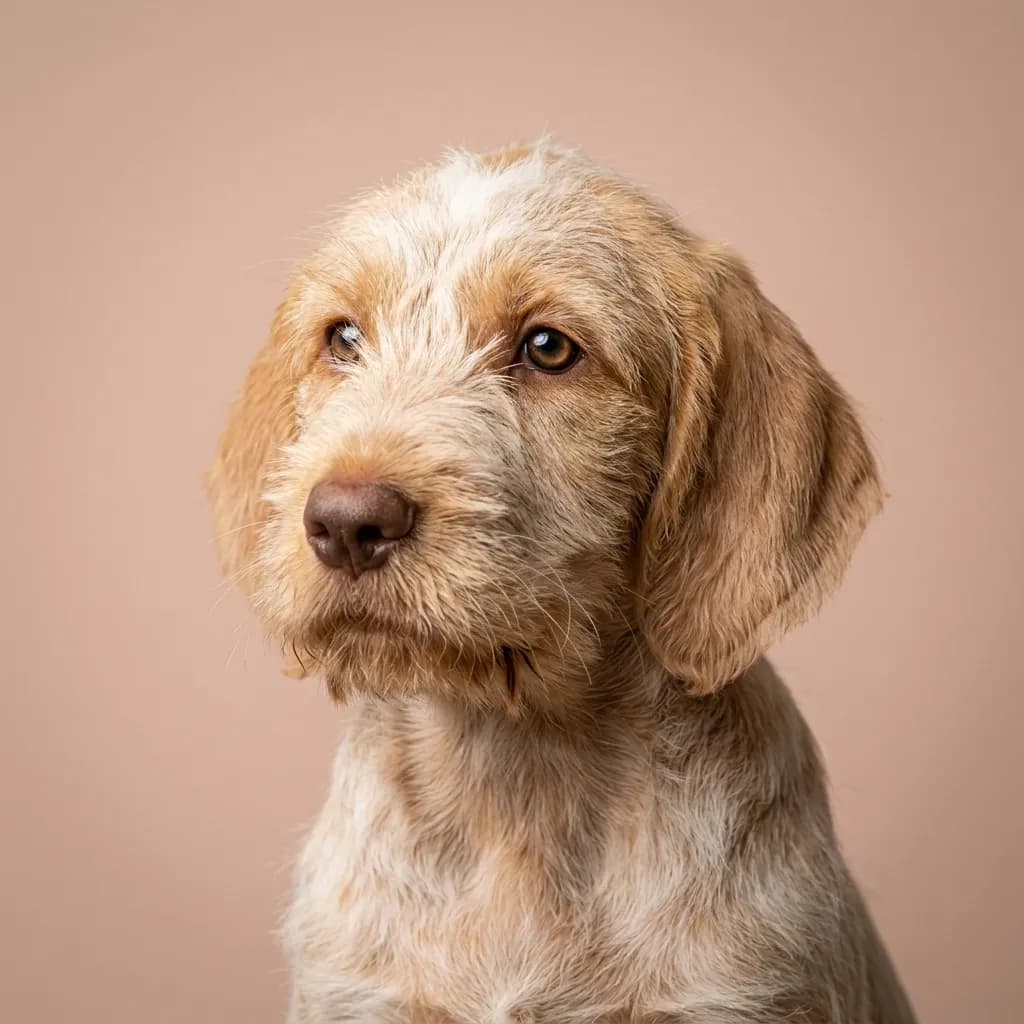
Spinone Italiano
Sporting Group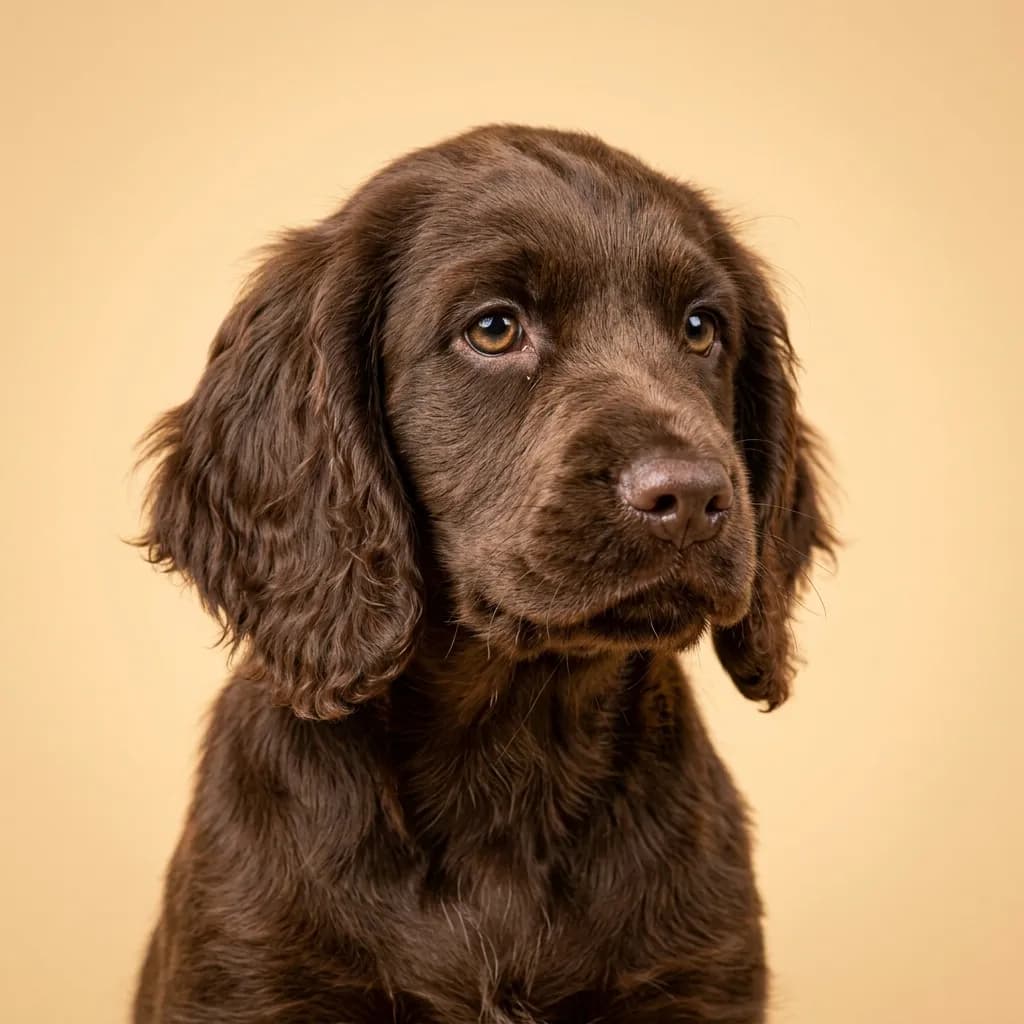
Sussex Spaniel
Sporting Group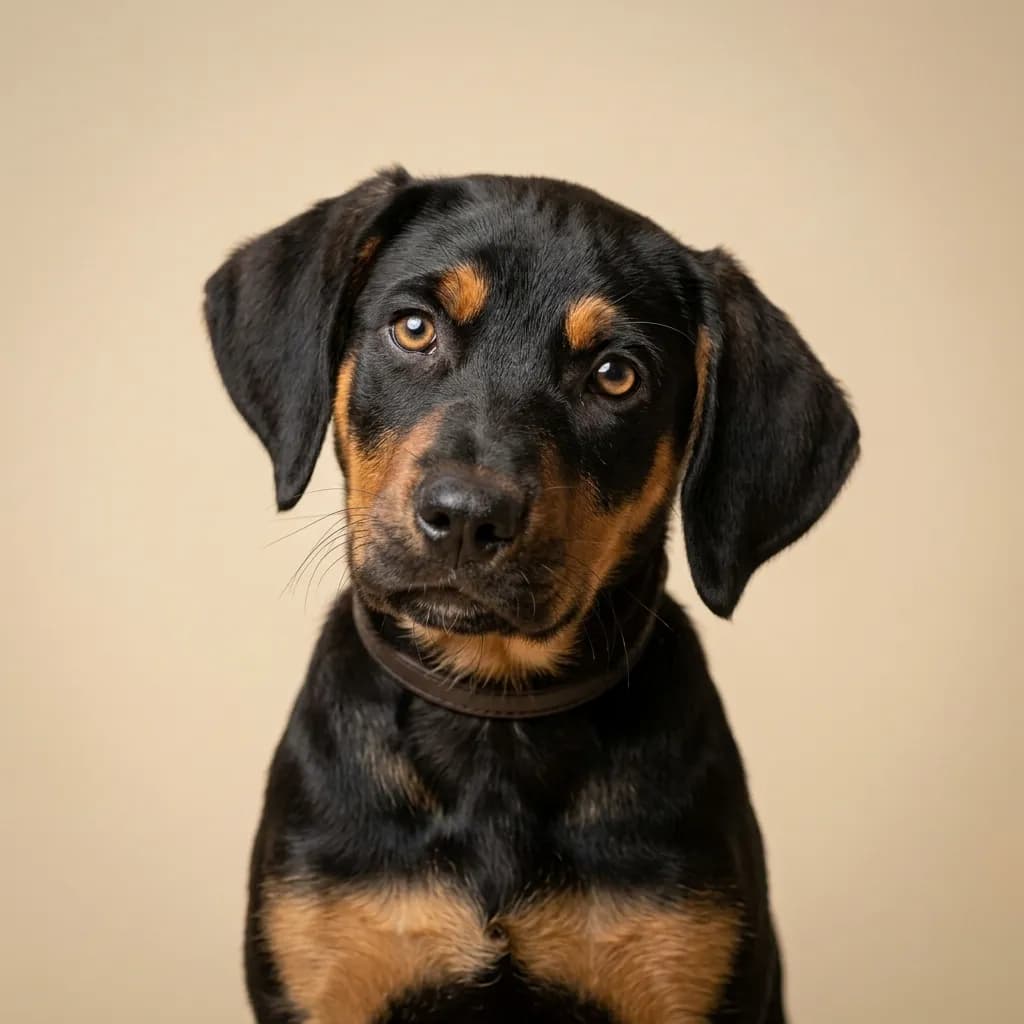
Transylvanian Hound
Foundation Stock Service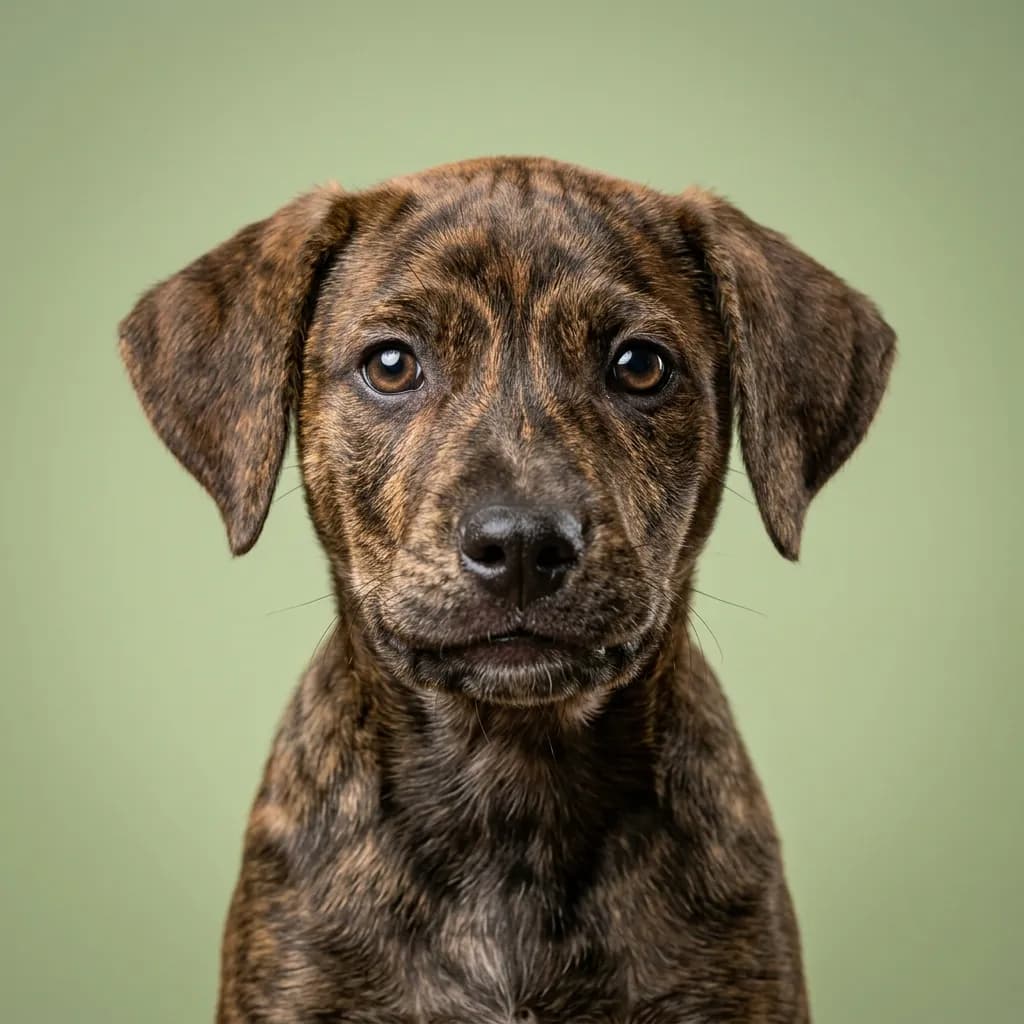
Treeing Tennessee Brindle
Foundation Stock Service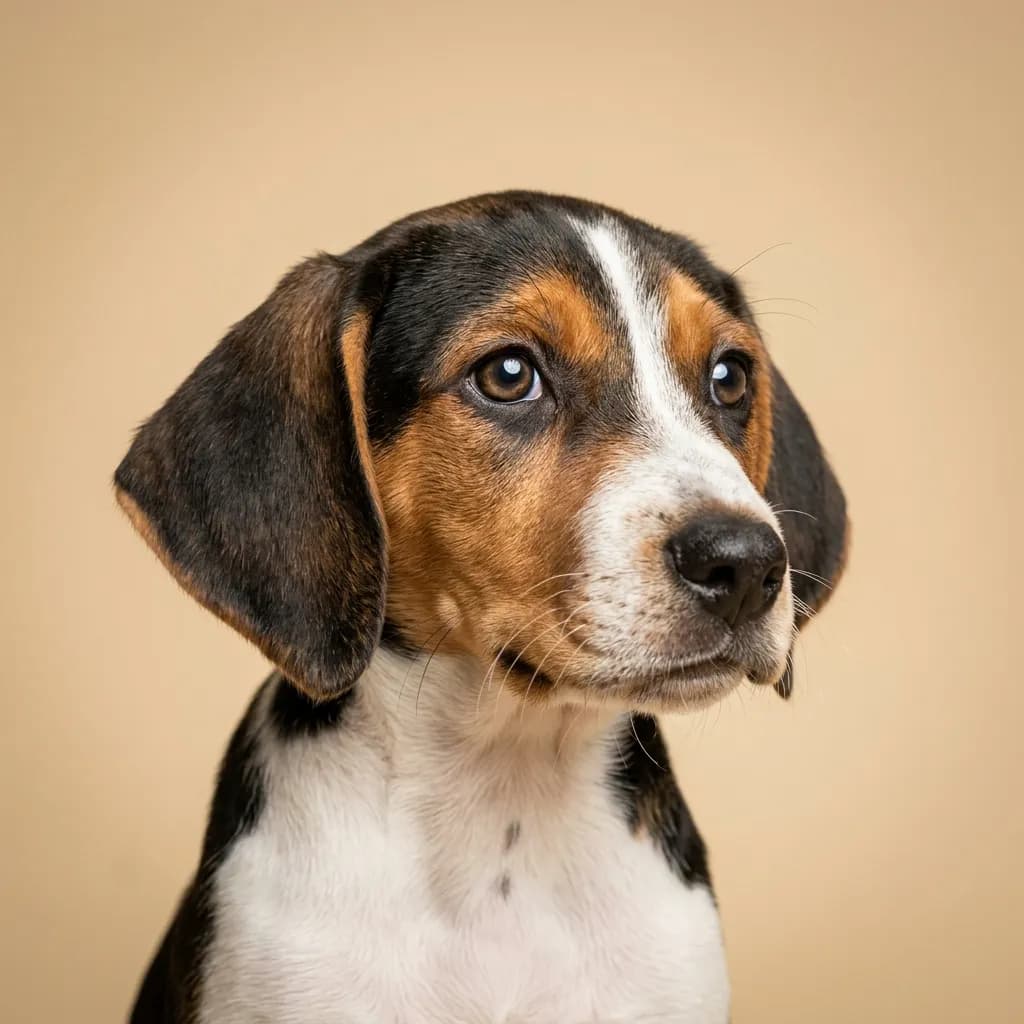
Treeing Walker Coonhound
Hound Group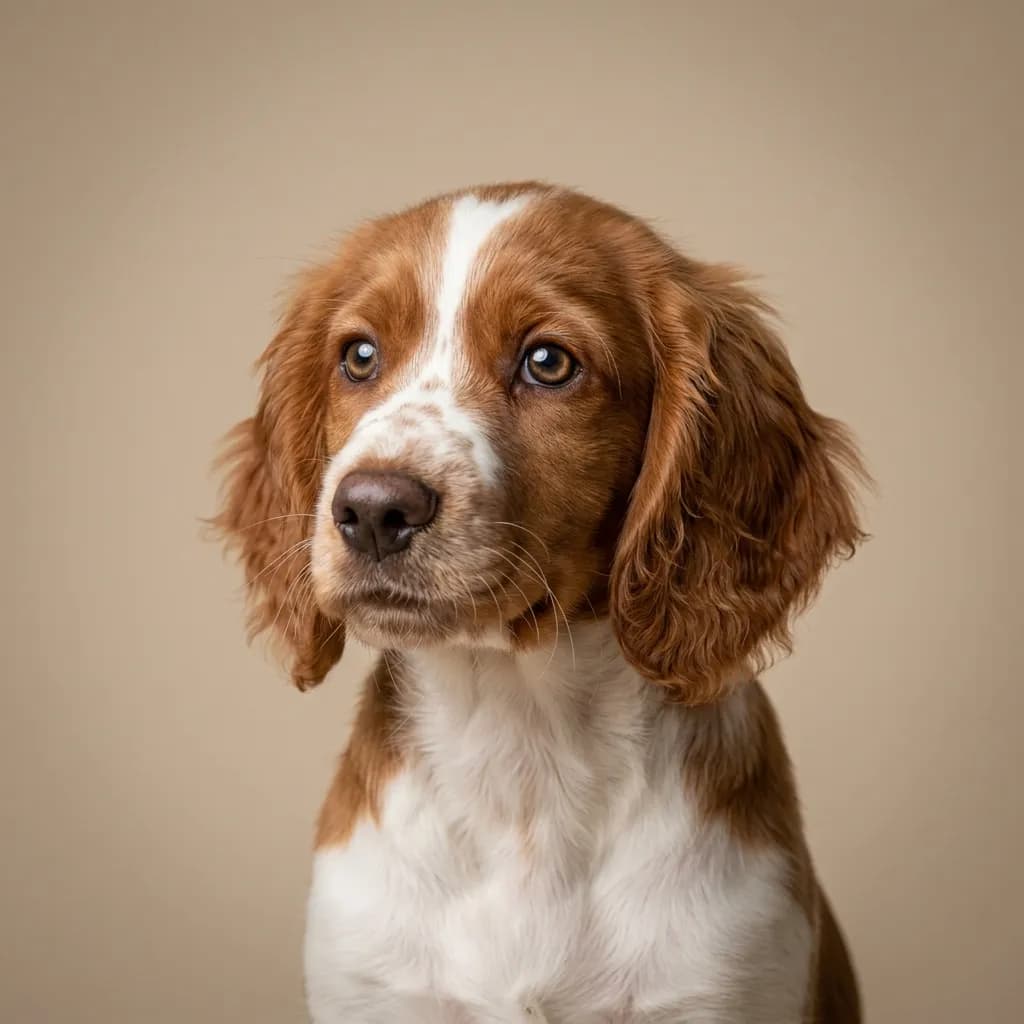
Welsh Springer Spaniel
Sporting Group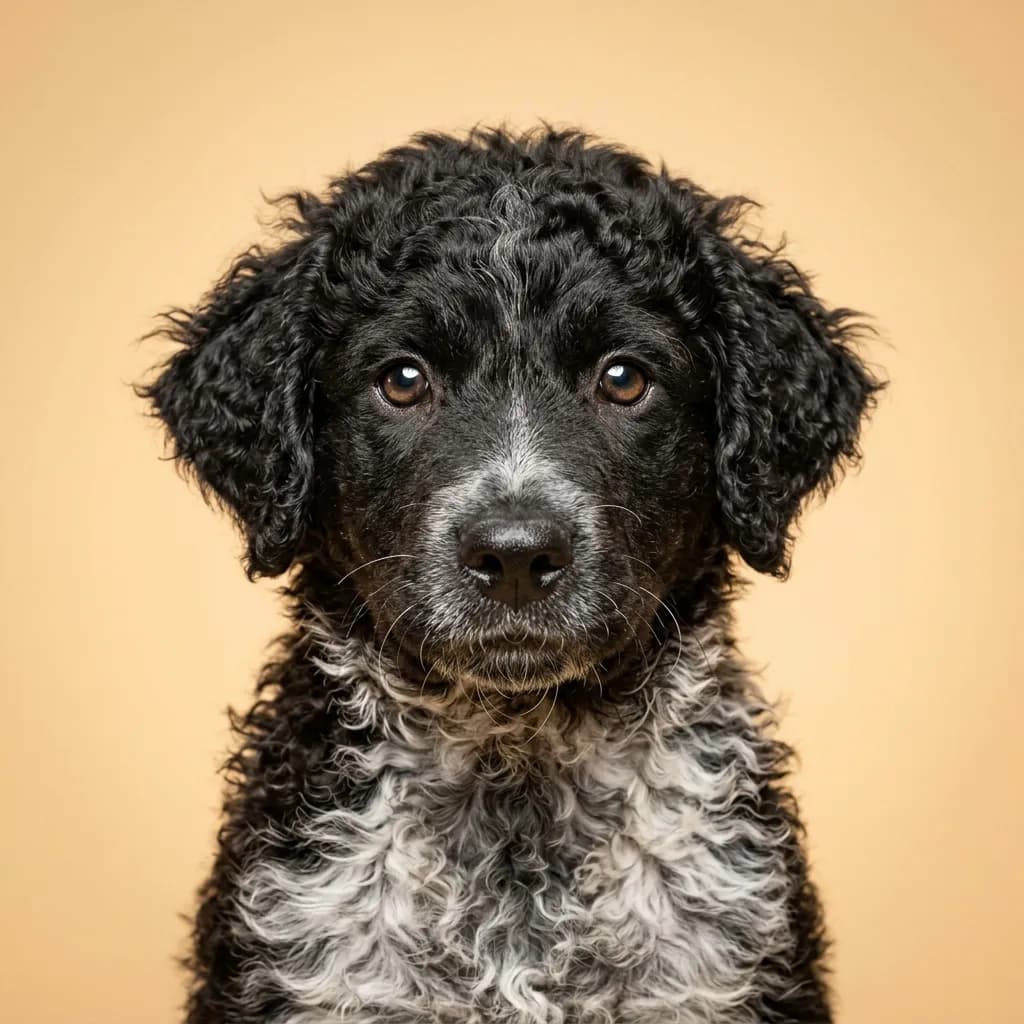
Wetterhoun
Foundation Stock Service