Training Your Appenzeller Sennenhund
Rare breeds with varied backgrounds. Approach based on breed's country of origin and original purpose.
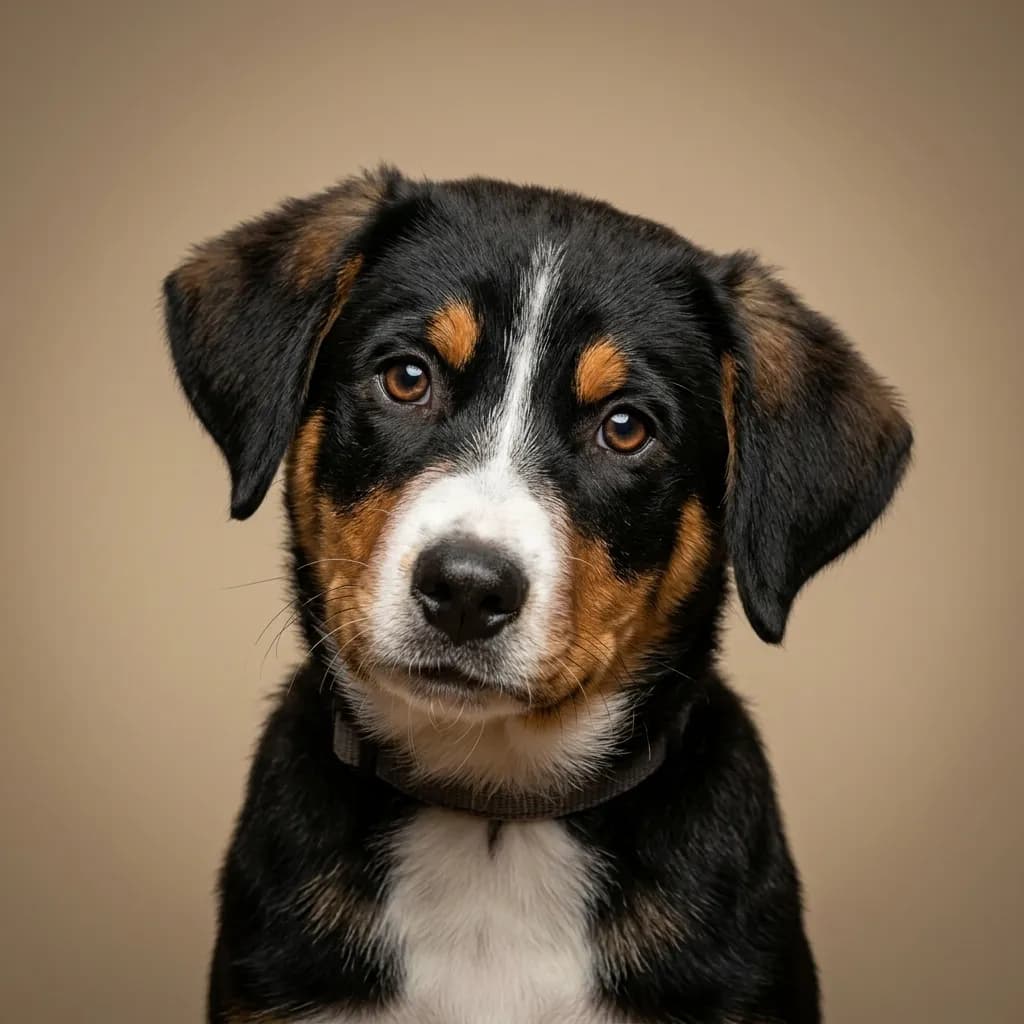
What Training a Appenzeller Sennenhund Is Actually Like
Training an Appenzeller Sennenhund is like working with a smart but opinionated farmhand who’s always scanning the horizon for something more interesting to do. They’re not stubborn in the typical sense, but their intelligence is practical, not eager-to-please. Ranked in Coren’s Tier 4, they need 25 to 40 repetitions to learn a new command and obey the first command about 50% of the time. That’s not a reflection of ability so much as attitude. These dogs were bred to make independent decisions while herding cattle across rugged Swiss terrain, so they’re wired to assess before acting. They’re lively, alert, and thrive on mental engagement. If you’re doing the same drill for ten minutes, they’ll tune out by minute three. Keep things varied, purposeful, and fast-paced. They won’t respond well to robotic repetition or passive praise. This isn’t a breed that learns because you asked nicely. They learn because the task makes sense, and because there’s a payoff they care about.
Training Timeline
Start training at 8 weeks. The socialization window closes at 12 weeks, so expose your Appenzeller to as many people, dogs, surfaces, and environments as possible during this time—safely and positively. Between 4 and 6 months, focus on basic obedience with short, dynamic sessions. Use high-value rewards like meat or cheese. Around 6 months, adolescence kicks in, and their independence spikes. Expect testing behavior. The second fear period hits between weeks 44 and 56, so avoid forced interactions or corrections during this window. Instead, build confidence through controlled exposure. Months 6 to 18 are the long haul—you’ll see progress, then backslides, then progress again. They don’t mature until 14 months, so patience is non-negotiable. Introduce canine sports like agility or herding trials early, as mental stimulation needs are high—rated 4 out of 5. Without it, they’ll invent their own jobs, like redecorating your garden or barking at shadows.
Breed-Specific Challenges
First, their independence can look like disobedience. They’ll weigh your command against what they think needs doing. If you’re not consistent or clear, they’ll choose their own path. Second, their herding instinct is strong. They may nip at heels, circle children, or try to “manage” other pets. This isn’t aggression, but it needs early redirection. Third, their mental stimulation needs are higher than their energy level suggests. They’re rated 3 out of 5 for energy but 4 out of 5 for mental needs. That means a long walk won’t tire them out like a puzzle or a learning session will. Without enough brain work, they’ll become bored and develop nuisance behaviors. Finally, they’re sensitive to harsh tones or repetitive corrections. Their Swiss farm background means they worked in close partnership with handlers, not under domination. Heavy-handed training kills their willingness to engage.
What Works Best
Use an adaptive mixed approach—blend positive reinforcement with clear structure. Keep sessions short, 5 to 10 minutes, and change tasks frequently. They learn best through variety and purpose. Reward with high-value food or brief play, but phase in task-specific rewards—like allowing them to “herd” a ball into a bin as part of a fetch game. Train in different locations early to build focus amid distractions. Start formal obedience around 5 months, but keep it practical. Teach “leave it,” “recall,” and “focus” heavily—they’ll need them. Emphasize consistency over intensity. One focused minute daily beats a weekly 30-minute cram session. And always, always make it meaningful. This dog doesn’t care about your schedule. He cares about being part of something that makes sense.
Crate Training Your Appenzeller Sennenhund
You need a large crate for an Appenzeller Sennenhund—think 42 inches minimum—since they hit about 59 pounds on average and keep a sturdy build. If you’re starting with a puppy, go ahead and buy the full-size crate with a divider. They grow fast and you don’t want to play catch-up, but the divider helps prevent them from using one end as a bathroom and the other as a bed. Stick with metal or heavy-duty plastic crates. These dogs are strong and if they get anxious, they’ll test flimsy panels.
Appenzellers are lively and agile, so they don’t always settle into crating quietly at first. Their trainability is middle-of-the-road, which means consistency wins. They respond well to mixed methods—positive reinforcement works, but you’ll also need structure and boundaries. Don’t expect them to nap in the crate after five minutes of training. They’ll test the limits, especially if they’re bored. Use mealtime feeding inside the crate to build positive associations, and toss in puzzle toys stuffed with kibble to keep that versatile brain busy.
Even though their energy is moderate at 3/5, they still need movement. Don’t crate them more than 3–4 hours at a time as adults, and strictly limit it to 2 hours max for puppies under six months. Their separation tolerance is decent but not great. They’re loyal and bond closely, so extended crating can spike anxiety.
Watch for chewing on crate pads or blankets. These dogs are mouthy as puppies and may gnaw out of boredom. Use indestructible rubber mats or chew-proof bedding. Some will dig at the floor or bark early on, especially if the crate feels isolating. Place it near family activity to help them feel included, not banished. Crate training works best when it’s part of a broader routine that includes mental challenges and off-leash time.
Potty Training Your Appenzeller Sennenhund
Appenzeller Sennenhunds are large dogs, averaging around 59 pounds, which means they have decent bladder capacity for their age. That said, don’t expect miracles early on. A general rule is one hour of bladder control per month of age, so a 12-week-old pup might hold it 3 hours max. Given their size, they won’t need the ultra-frequent outings of tiny breeds, but consistency is non-negotiable. You’re looking at 4 to 6 months for reliable house training, sometimes longer. Their trainability sits at a 3 out of 5, and they fall into Coren’s “Average” working dogs tier, needing 25 to 40 repetitions to grasp a new command. They’re not stubborn in a lazy way—they’re lively and mentally busy, which means they’d rather chase a squirrel than focus on where they’re supposed to pee.
They’re moderately eager to please but not as driven by praise alone as Golden Retrievers or Border Collies. That independence means you’ve got to be sharp with timing and rewards. If you wait to reward after they come back inside, they’ve already moved on mentally. Reward immediately after they finish outside, using high-value treats like small bits of cooked chicken or freeze-dried liver. Keep sessions short and upbeat—Appenzellers respond best to variety and energy, so monotony kills their focus.
One challenge is their agility and distractibility. They’re so alert and lively that outdoor potty trips can turn into scent explorations. Stick to a designated potty spot on a short leash and use a consistent cue like “go potty.” Once they go, reward instantly and then allow brief play as a bonus. Don’t let potty time double as free sniff time—structure matters.
Crate training helps, but don’t push long confinement. They’re versatile working dogs who need engagement. A bored Appenzeller will chew or eliminate in the crate. Stick to a tight schedule—after meals, naps, and play—and be patient. They’ll get there, but on their own watch.
Leash Training Your Appenzeller Sennenhund
Leash training an Appenzeller Sennenhund means working with a dog who was built to move with purpose across steep Alpine terrain. These dogs were bred to herd cattle and pull carts, so they have a natural forward momentum that can turn into pulling if you’re not consistent. That 59-pound frame is solid and athletic, and they’ll use their strength if they catch a scent or spot movement. A flat collar alone won’t cut it—you need a front-clip harness. It gives you more control without straining their neck, and it discourages pulling by redirecting their body when they surge ahead. Some people try slip leads or prong collars, but with their moderate trainability and sensitive side, positive reinforcement combined with the right gear works better long-term.
Their energy level is solidly in the middle at 3/5, but don’t be fooled. They’re lively and alert, always scanning for movement. That prey drive isn’t off the charts like a Terrier’s, but it’s present. Squirrels, birds, even fluttering trash—they’ll lunge if not trained early. The most common leash problems? Pulling on hikes, sudden redirects when they spot wildlife, and that herding instinct kicking in when kids or dogs run nearby. They’ll try to “manage” movement, which means tension, barking, or darting forward.
Because they were working dogs with a job to do, they’re not naturally inclined to walk politely by your side. They expect to go somewhere and do something. So, “good” leash behavior for an Appenzeller isn’t robotic heelwork. It’s loose-leash walking with minimal pulling, responsive check-ins, and the ability to recover focus after distractions. Train in short bursts with high-value rewards, mix in real-world walks, and always keep it engaging. They’re smart and versatile, so they’ll learn—but they need a handler who’s just as alert and consistent as they are.
“I just wish someone would tell me what to do and when to do it.”
Not generic puppy tips. Not a video course you’ll never finish. Just one email a week telling you exactly what to work on with your Appenzeller Sennenhund, at the age they are right now. Nothing to sift through. Nothing to figure out. Just this week.
Get Started — It’s FreeTell us your breed and your puppy’s age. We’ll send you exactly what to work on this week.
Socializing Your Appenzeller Sennenhund
The Appenzeller Sennenhund's socialization window hits hard between weeks 3 and 12, which means you’ve got a tight window—especially since their first fear period runs from weeks 8 to 11, right when they’re settling into a new home. That overlap is critical. You can’t wait until they’re “more settled” to start introducing new things. By then, you’ve missed the peak window and risk cementing fears. These dogs were bred to guard herds and pull carts in rugged Swiss terrain, so they’re naturally alert and cautious. That’s useful on a mountain trail but can turn into reactivity or suspicion if not shaped early.
Appenzellers need more exposure to children, sudden movements, and busy environments. Their herding background makes them sensitive to motion, and without early, positive contact, they might view kids’ erratic behavior as something to control or avoid. You’ll also want to expose them to loud noises—trucks, vacuums, thunder—gradually and calmly. They’re not typically aggressive, but their wariness can harden into avoidance or overreaction if not managed.
A common mistake is assuming their alertness means they’re naturally protective and don’t need socialization. That’s dangerous. Left unchecked, that vigilance becomes reactivity. Another mistake is flooding them during the fear period—pushing too hard, too fast. One bad experience between 8 and 11 weeks can stick. Go slow, use treats, keep it positive.
Skip proper socialization and by 14 months—their maturity point—you’ll likely have a dog that’s tense around strangers, reactive to movement, or overly suspicious in new settings. They won’t magically “grow out of it.” But do it right and you get that lively, agile temperament balanced with confidence. They’ll still be watchful—that’s in their blood—but they’ll assess, not overreact. That’s the goal.