Catahoula Leopard Dog
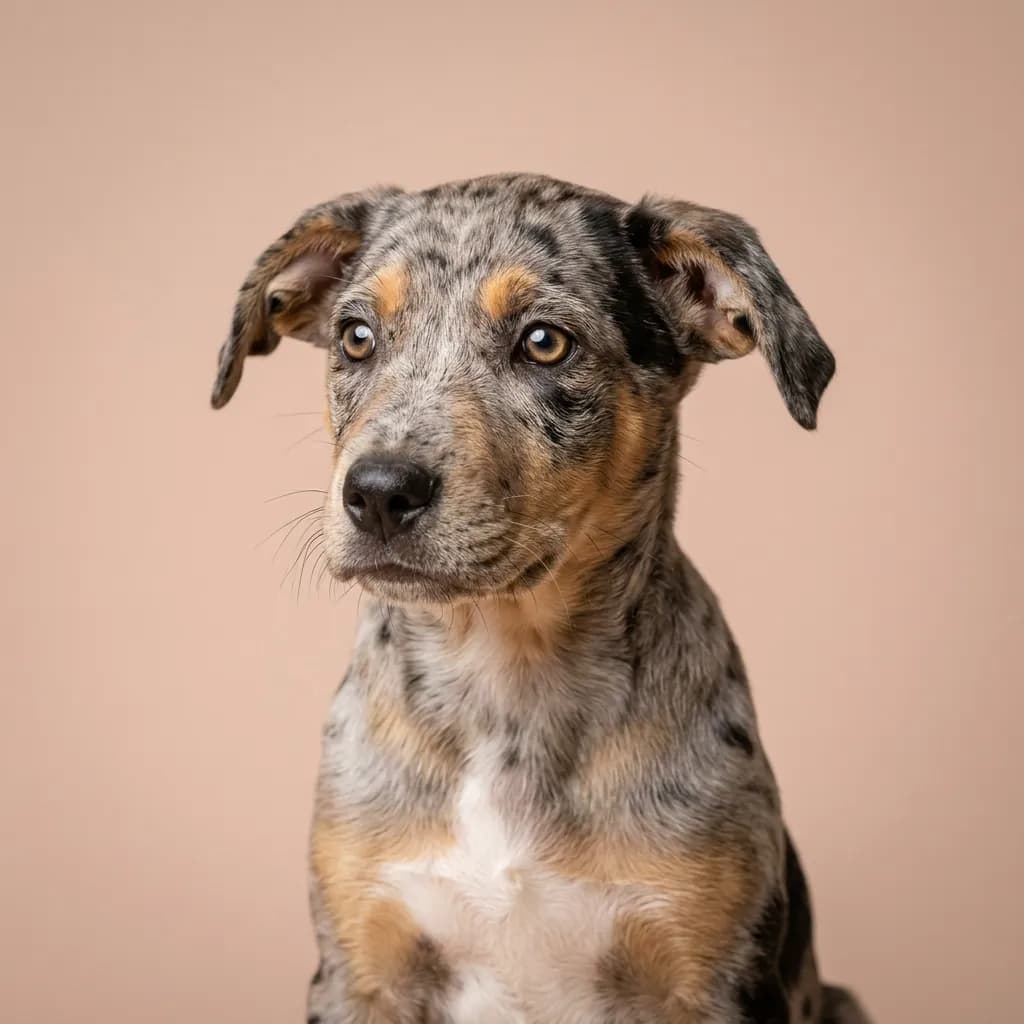
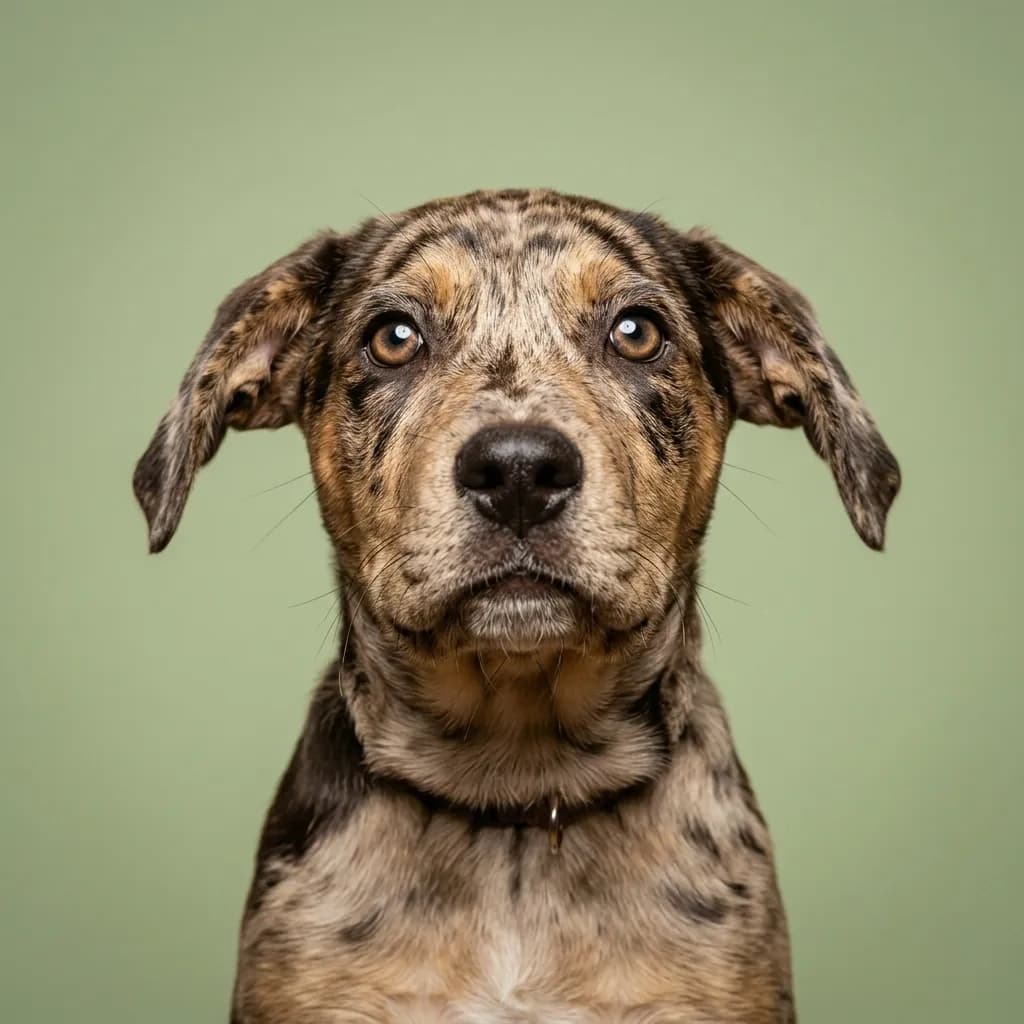
Louisiana's state dog and the most unusual-looking herding breed in existence, with merle coats and glass-blue eyes that stop people in their tracks. Independent, intense, and deeply capable — they were bred to manage wild boar, so they don't intimidate easily. Needs a very active lifestyle, a securely fenced property, and an owner who has been here before.
Free weekly training plan, specific to your Catahoula Leopard Dog’s age. Exactly what to focus on this week.
Get your free training planLiving with a Catahoula Leopard Dog
The Catahoula Leopard Dog is not a breed you casually adopt. Bred in the swamps of Louisiana to tree wild boar and drive feral hogs across rough terrain, this is a dog built for purpose. You won’t find many in the AKC show ring, most are still in the Foundation Stock Service, but you will find them on ranches, hunting properties, and with people who live hard and work harder.
They’re loyal to their people, sharp as a blade, and intensely watchful. You’ll know when someone walks into your yard before your security system does. Day to day, living with a Catahoula means embracing intensity.
These dogs are 5 out of 5 on energy and need serious physical and mental work. A walk around the block won’t cut it. They thrive on long hikes, agility, tracking, or jobs like barn patrol.
Without real work, they’ll invent their own, like dismantling your couch or barking at shadows. And despite low barking tendencies overall, when they do bark, it’s purposeful and loud. They’re not chatty, but they’re never quiet when something’s off.
Grooming is manageable. Medium shedding all year, so a weekly brush keeps things under control. Their short coat doesn’t trap dirt, but they will track it in after a day outside.
Bathing? Only when absolutely necessary, which is often after a swamp romp. Health-wise, be proactive.
Hip dysplasia shows up in lines, and congenital deafness, especially in dogs with heavy white and merle coloring, is a real concern. The merle gene can also cause "tunnel vision" or other eye issues, so always get puppies from breeders who do BAER and CERF testing. Lifespan is solid at 10 to 14 years, but quality care starts at purchase.
Expect to pay $400 to $1,500, but never skip on vet checks and genetic screening. They’re affectionate with their family. 4 out of 5, and bond deeply, but not always with kids or small pets.
Good with kids? Only if raised together and supervised. And forget cats or rabbits.
This is a dog with prey drive wired into its DNA. They’re not for first-time owners or apartment life. They need space, structure, and a job.
The one thing most people miss? Catahoulas don’t just want to work. They need to lead.
Let them solve problems. Let them make decisions. A Catahoula micromanaged into obedience will shut down or rebel.
Trust them, challenge them, or don’t get one at all.
14 traits, at a glance.
Every breed on PuppyBase is rated across the 14 trait dimensions the American Kennel Club publishes — from trainability to drooling level. The higher the score, the better the fit for that trait.
What to expect day-to-day
Things to screen for
- tunnel vision in merle patterns
- Deafness
- eye conditions
- Hip dysplasia
See a full price breakdown — first-year costs, lifetime estimate, breeder vs. adoption.
Full price guideSimilar breeds
Browse all 200+

Common questions
How long do Catahoula Leopard Dogs live?
Catahoula Leopard Dogs typically live between 10 and 14 years, which is average for a dog of their size. With proper care and regular veterinary checkups, many live into their teens.
How much does a Catahoula Leopard Dog puppy cost?
A Catahoula Leopard Dog puppy usually costs between $600 and $1,800, with an average price around $1,000. Prices vary based on breeder reputation, bloodline, and location.
How much do Catahoula Leopard Dogs shed?
Catahoula Leopard Dogs have moderate shedding. They shed year-round and may require weekly brushing, especially during seasonal changes.
What colors do Catahoula Leopard Dogs come in?
They come in a range of striking colors including blue merle, red merle, black, yellow, brindle, and white merle. Their coats often feature unique patterns and mottling.
How big do Catahoula Leopard Dogs get?
They are medium to large dogs, standing 22 to 24 inches tall at the shoulder and weighing between 50 and 95 pounds, with males generally larger than females.
Are Catahoula Leopard Dogs smart?
Yes, Catahoulas are highly intelligent and were bred for complex tasks like herding hogs and hunting wild boar. They learn quickly but need consistent, experienced handling.
Are Catahoula Leopard Dogs hypoallergenic?
No, Catahoula Leopard Dogs are not hypoallergenic. They shed moderately and produce dander, so they're not ideal for people with allergies.
Are Catahoula Leopard Dogs aggressive?
They are not inherently aggressive but are bold, intense, and naturally suspicious of strangers. Poor training or socialization can lead to defensive or territorial behavior.
What health problems are common in Catahoula Leopard Dogs?
Common issues include hip dysplasia, deafness, eye conditions, and vision problems linked to merle coat patterns, such as tunnel vision. Responsible breeding helps reduce risks.
Do Catahoula Leopard Dogs bark a lot?
No, they are naturally very quiet dogs and rarely bark without reason. They tend to communicate more through body language and subtle sounds than vocalization.
Are Catahoula Leopard Dogs easy to train?
They are highly trainable due to their intelligence and strong work drive, but they require a confident, consistent handler. They do best with early training and mental challenges.
Are Catahoula Leopard Dogs good family dogs?
They can be loyal family protectors for active, experienced households, but they’re not ideal for families with young children. Their intensity and energy demand respect and structure.
Are Catahoula Leopard Dogs good with cats?
Generally not, especially if not raised together. Their high prey drive, bred for hunting wild boar, makes them likely to chase or harm small animals like cats.
Are Catahoula Leopard Dogs good guard dogs?
Yes, they make excellent guard dogs. They are naturally watchful, deeply loyal, and highly alert, making them quick to notice and respond to threats on a property.
Can Catahoula Leopard Dogs live in apartments?
No, they are not suited for apartment living. They need a lot of space to move and a job to do, and they thrive on large rural properties with secure fencing.
Are Catahoula Leopard Dogs good hunting dogs?
Yes, they were originally bred to hunt wild boar and herd hogs in swamps, so they excel in tracking, herding, and working in tough terrain. They're fearless and highly capable in the field.
Not sure which breed fits your life?
Answer five questions about your home, your schedule, and your tolerance for shedding. We’ll match you to your top three breeds from over 200.