Training Your Hokkaido
Rare breeds with varied backgrounds. Approach based on breed's country of origin and original purpose.
What Training a Hokkaido Is Actually Like
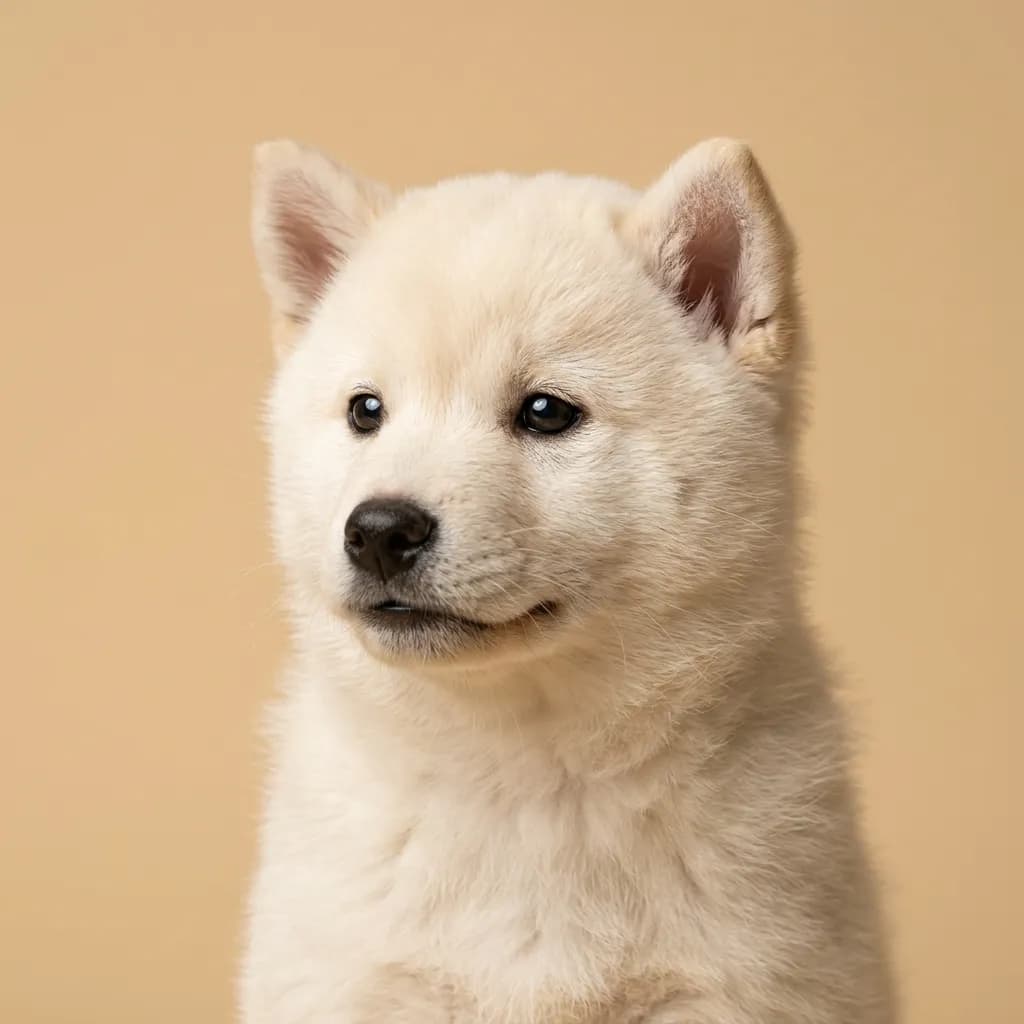
Training a Hokkaido isn’t about turning a stubborn dog into a robot. It’s about earning the respect of a dignified, sharp-minded hunter who’s wired to make independent decisions in harsh mountain terrain. They’re not defiant; they’re cautious. They won’t obey blindly, even when they know the command. That 70% first-command obedience score means consistency matters—repetition isn’t just practice, it’s proof of your credibility. They’re in Coren Tier 3, so they pick up new commands in 15 to 25 reps, which is solid for a rare working breed. But don’t mistake that for eagerness to please. The Hokkaido wants to understand why—and if the reward or consequence doesn’t align with their internal logic, they’ll opt out. They need mental stimulation on par with their high energy, which peaks around 4/5 on AKC scales. Boredom leads to destructive choices, not just chewing but problem-solving like gate-lifting or escape artistry. This isn’t a breed for someone who wants a predictable, easygoing training experience. It’s for someone who wants a partner who thinks.
Training Timeline
Start training at 8 weeks. The socialization window closes at 12 weeks, so prioritize exposure to new people, dogs, surfaces, and sounds immediately—use structured puppy classes and controlled meetups. By 16 weeks, they should be fluent in sit, down, and name recall. At 6 months, adolescence kicks in hard. Energy spikes, focus drops, and boundary testing begins. Shorten sessions to 5–8 minutes and increase off-leash hiking to burn mental and physical fuel. Weeks 44 to 56 bring the second fear period. Avoid forcing interactions; use positive reinforcement to rebuild confidence. Between 12 and 14 months, you’ll see more stability. Maturity hits around 14 months, but adolescence lingers until 18 months. Stick to routines, reinforce known commands, and introduce advanced skills like directional cues or tracking games.
Breed-Specific Challenges
First, prey drive is intense. They were bred to trail bear and deer in snow-covered mountains, so small animals trigger a hardwired chase response. Off-leash freedom requires near-perfect recall—and even then, use caution. Second, aloofness with strangers isn’t shyness; it’s selective trust. Poorly managed socialization leads to suspicion, not friendliness. Third, they’re escape artists. Their problem-solving skills and high energy mean they’ll test fences, gates, and routines relentlessly. Chain-link buried under gravel? They’ll dig. Six-foot wood fence? They’ll scale it if motivated. Finally, they resist repetitive drills. They’ll learn quickly but disengage if training feels pointless. Motivation drops if rewards aren’t meaningful or the task lacks purpose.
What Works Best
Use an adaptive mixed approach rooted in their Japanese working heritage—short, purpose-driven sessions that mimic hunting scenarios. Keep drills under 10 minutes and vary locations daily. Reward with high-value treats like dried fish or venison, but also incorporate job-based rewards like access to a trail or a retrieve session. Praise matters, but only when paired with action. Their 4/5 mental stimulation need means puzzle feeders, scent games, and structured hikes are non-negotiable. Train daily, even if only for 15 total minutes. Focus on reliability over speed—revisit known commands in new environments to lock in obedience. Avoid force or excessive repetition. They respond to calm, consistent leadership, not dominance. Build trust first, and the training follows.
Crate Training Your Hokkaido
A Hokkaido needs a 42-inch crate as an adult, but if you’re starting with a puppy, get one with a divider—you’ll need it. These pups grow fast and hit most of their adult size by 9 months, so plan accordingly. Don’t skip the divider; letting them claim the whole space too early encourages poor crate habits. Hokkaidos are intelligent and alert, which works in your favor during training, but they’re also dignified and independent. That means they won’t rush to accept the crate if they sense it’s a punishment or if it feels forced. Introduce it slowly with meals and treats inside, and keep your tone calm. They won’t panic like some high-strung breeds, but they will resist if they feel disrespected.
Their energy level is high—4 out of 5—and they need serious daily exercise, so crating them for more than 4 to 5 hours at a stretch without a break is pushing it. They can handle short solo periods better than most, thanks to their loyal but composed nature, but mental stimulation before crating is non-negotiable. Tire them out with a brisk walk or scent game first, or they’ll fixate on being confined. A tired Hokkaido is a cooperative one.
Watch for chewing. These dogs have strong jaws and a working-dog instinct to grip things, so they may chew crate pads or fabric covers. Use a durable rubber mat or woven pad, and skip anything plush. Some will dig at the bedding out of boredom, so keep it minimal. They’re not big barkers, but if they’re crated too long or without structure, they’ll let you know with a low, insistent growl or repeated whine.
Stick to a routine. Hokkaidos thrive on consistency and respect clear leadership. Feed them near the crate, use it for quiet downtime, and never open it when they’re excited. Wait for calm before releasing them. That reinforces the mindset you want.
Potty Training Your Hokkaido
Hokkaidos are large dogs, averaging around 55 pounds, which means their bladder capacity develops faster than smaller breeds. That said, don’t expect miracles before 16 weeks. Puppies this size can usually hold it for about one hour per month of age, so a 3-month-old holds it for roughly three hours. Their size helps in the long run, but consistency in scheduling outdoor trips—first thing in the morning, after meals, after naps, and before bed—is non-negotiable.
These dogs fall in the above-average intelligence tier according to Coren, learning new commands in 15 to 25 repetitions. They’re devoted and alert, which works in your favor during potty training. They want to please, but don’t mistake that for eagerness to follow your timing. Hokkaidos have a dignified, independent streak. They’ll learn quickly if the routine makes sense to them, but they won’t rush just because you’re impatient. Push too hard and they’ll shut down or ignore you.
A realistic timeline for reliable house training is 4 to 6 months with consistent effort. Some Hokkaidos get it down in 12 weeks, but most need closer to 20 weeks. Crate training is highly effective, as they naturally avoid soiling their den space. Just make sure the crate is appropriately sized—too big and they’ll use one end as a bathroom.
One challenge is their alertness. Outside, they’re more focused on scanning for movement or tracking scents than on doing their business. Keep potty trips short and directed. Use a specific phrase like “go potty” and stick to one spot to build a strong association.
Food motivation is moderate. They respond best to praise and routine, but a small, high-value treat—like freeze-dried liver—after successful outdoor pottying reinforces the behavior without overfeeding. Over time, shift to verbal praise as the main reward. They’re not food-obsessed, but they do appreciate clear, consistent feedback.
Leash Training Your Hokkaido
Leash training a Hokkaido means working with a dog who was built to cover rugged terrain for hours, tracking game in silence and making independent decisions. That’s not just background info—it’s the core reason why your Hokkaido might look at a loose-leash cue like you’ve asked him to defy gravity. These dogs are strong, alert, and mentally tough, averaging 55 pounds of coiled energy with a 4/5 trainability rating that means they can learn, but they’ll test whether you’re worth following.
Start with equipment: skip the standard collar. A front-clip harness is non-negotiable for most Hokkaidos. Their thick necks and powerful builds make them prone to slipping out of collars, and their instinct to push forward when tracking or spotting movement turns a regular back-clip harness into a sled dog setup. A front-clip gives you more control without compromising comfort.
Their prey drive is high, and anything that moves—a squirrel, a bird, even a fluttering plastic bag—can trigger a sudden lunge. This isn’t disobedience; it’s deeply wired survival instinct from centuries of hunting bear and deer in the mountains. You’ll see less pulling from excitement and more from determination, like they’re following a trail only they can sense.
Common issues include stiff resistance when focused on a scent, sudden halts, and selective hearing in high-distraction zones. They won’t weave like a herder or bark like a terrier, but they’ll dig in with quiet stubbornness when their instincts take over.
Good leash behavior for a Hokkaido isn’t perfect heel work—it’s being able to redirect their focus, maintain a loose leash in familiar areas, and respect boundaries when wildlife appears. Expect progress, not perfection. Use positive reinforcement with consistency, but respect their independence. They respond best to calm, confident leadership, not force. Train early, train often, and always keep it engaging.
“I just wish someone would tell me what to do and when to do it.”
Not generic puppy tips. Not a video course you’ll never finish. Just one email a week telling you exactly what to work on with your Hokkaido, at the age they are right now. Nothing to sift through. Nothing to figure out. Just this week.
Get Started — It’s FreeTell us your breed and your puppy’s age. We’ll send you exactly what to work on this week.
Socializing Your Hokkaido
You’ve got a narrow window with a Hokkaido, and you need to move fast between weeks 3 and 12. That’s when their socialization window is wide open, but here’s the catch—it overlaps almost exactly with their first fear period from weeks 8 to 11. That means every new experience has to be carefully orchestrated. You can’t just throw them into chaos hoping they’ll adapt. These dogs were bred to hunt bear and deer in the rugged mountains of Japan, so they’re wired to be alert, cautious, and independent. If you overwhelm them during that fear phase, you’ll create lasting suspicion instead of confidence.
Hokkaidos need more exposure to people they don’t know, especially men and strangers in hats or bulky coats. Their natural wariness isn’t aggression, but it can harden into reactivity if not shaped early. You also can’t skip neutral, everyday stimuli—traffic noise, bicycles, umbrellas snapping open. Their guardian instincts kick in early, and without exposure, they’ll default to distrust.
A common mistake is assuming their calm demeanor as puppies means they’re “fine.” They’re observant, not relaxed. Another is relying too much on the backyard or familiar settings. If you don’t get them out into rotating environments—parks, sidewalks, parking lots—you’ll end up with a 55-pound dog at 14 months who freezes or growls at a skateboard.
Skip proper socialization and you won’t just have a shy dog. You’ll have a dignified, devoted companion who’s locked down by suspicion. They’ll bond tightly to one person and shut down around everyone else. Early effort isn’t optional here. It’s the difference between a well-balanced protector and a reactive liability. Do it right, and their alertness becomes an asset, not a liability.