Training Your Papillon
Bred as companions. Can be sensitive to correction. Responds to positive reinforcement and patience. Small bladders affect housetraining timeline.
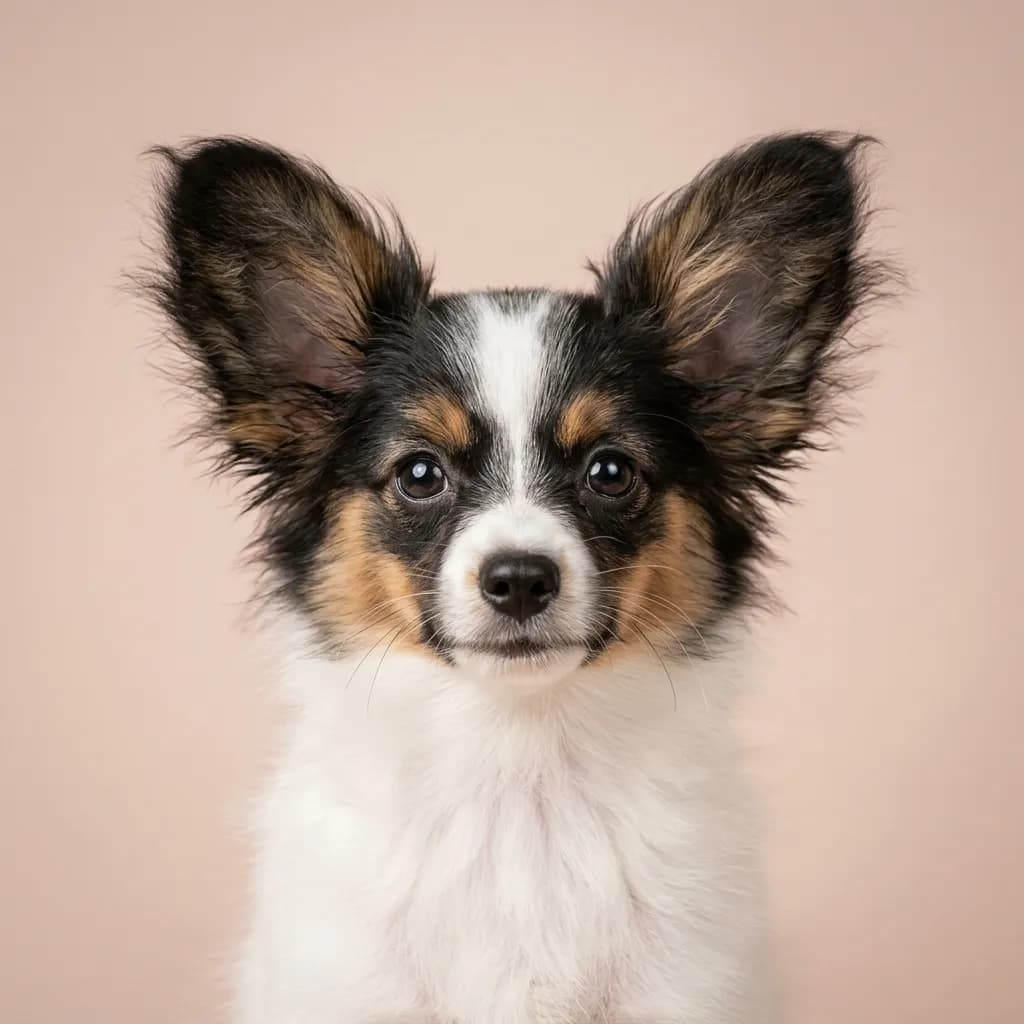
What Training a Papillon Is Actually Like
Training a Papillon is like working with a tiny genius who wants to please but has opinions about the process. These dogs are in the top tier of canine intelligence, learning new commands in just one to five repetitions and obeying the first command 95% of the time. That means they’re quick on the uptake, but their sensitivity means harsh tones or corrections backfire fast. They’re bred to be companions, not workers, so their motivation comes from connection, not compulsion. You’ll need consistency, but delivered with a soft hand. They’re alert and energetic—don’t expect a couch potato. Without enough mental work, they’ll find their own entertainment, usually involving your shoes or the doorbell. They thrive in structured environments with clear rules and plenty of praise. If you’re patient and kind, you’ll have a dog who’s not just obedient but genuinely eager to learn.
Training Timeline
Start training the day you bring your Papillon home at 8 weeks. Use the socialization window—weeks 3 to 12—to expose them gently but widely: new people, sounds, surfaces, and other vaccinated dogs. Keep sessions to 3–5 minutes, multiple times a day. By 12 weeks, they should know sit, stay, come, and their name. Around 6 months, they reach emotional maturity, but adolescence hits earlier—between 4 and 10 months—so expect testing of boundaries. A second fear period around 24 to 28 weeks can cause sudden shyness or hesitation; avoid forcing new experiences then. Housetraining takes longer due to small bladders—most aren’t fully reliable until 7 to 9 months, even with consistency. Crate training and frequent outdoor trips are non-negotiable. By 1 year, with steady effort, your Papillon should be solid on basic obedience and ready for advanced skills or dog sports.
Breed-Specific Challenges
First, housetraining. Small bladders mean they can’t hold it as long as larger breeds. Expect accidents past the 6-month mark and plan for frequent potty breaks, especially after meals, naps, and play. Second, sensitivity. They pick up on stress or frustration instantly. Raised voices or impatience lead to shutdowns or avoidance. Third, vocalization. They’re alert by nature and will bark at everything—doorbells, squirrels, shadows. Without early management, it becomes a habit that’s hard to break. Last, their energy and intelligence demand constant mental input. A bored Papillon will chew, dig, or bark out of frustration. They’re not suited to owners who want a quiet, low-maintenance lap dog.
What Works Best
Keep sessions short—3 to 5 minutes, several times a day—because their focus is intense but brief. Use praise as the primary reinforcer, paired with tiny treat pieces. They don’t need much food motivation, but the combo of verbal approval and a pea-sized reward seals the deal. Train in low-distraction environments first, then gradually add complexity. Positive reinforcement is the only method that works long-term. Avoid corrections; instead, redirect and reward the right behavior. Their 5/5 mental stimulation need means you should rotate tasks—mix obedience with puzzle toys, scent games, or trick training. And if you’re up for it, they excel in agility, rally, and obedience trials. They learn fast, so keep raising the bar.
Crate Training Your Papillon
A Papillon needs a crate that’s cozy but not cramped—think 24 inches long max for an adult, since they average just 8 pounds. If you’re starting with a puppy, use a crate with a divider you can adjust as they grow. These dogs are smart and tiny enough that a too-big space can backfire; they might pee in one end and sleep in the other if given the chance. A properly sized area helps with housetraining, which, despite their 5/5 trainability, takes patience. They pick up commands fast, but bladder control lags behind.
Papillons are alert and happy, not stubborn, so they usually adapt to the crate well if you keep sessions gentle and short—3 to 5 minutes at first, just like training sessions. Their high energy doesn’t mean they’ll fight the crate; more often, they’ll zoom around first, then settle fast once they realize it’s their safe spot. The key is to make it inviting: a soft pad, maybe a worn T-shirt for scent, and treats only given inside. Don’t force them in. Let them explore it like it’s their idea.
They can handle up to 3 to 4 hours crated as adults, but don’t push it. They’re social and friendly, so long stretches alone can lead to barking or anxious chewing—especially on crate pads or plastic trays. I’ve seen more than one Papillon try to “dig” at the floor of the crate out of boredom. Use a chew-proof pad and skip plush bedding until you’re sure they won’t shred it.
Feed them in the crate, toss treats inside, and praise quietly when they go in willingly. Crate training works best when it’s boring drama-free business, not a big deal. These dogs thrive on routine and subtle cues. Keep your tone calm, be consistent, and they’ll treat the crate like their VIP lounge.
Potty Training Your Papillon
Papillons are sharp, eager to please, and learn potty training faster than most breeds—think one to five repetitions to grasp the concept. Their 5/5 trainability score isn’t just hype. These dogs pick up on cues quickly and thrive on positive reinforcement, so consistency and praise are your best tools. But don’t confuse their intelligence with perfect compliance. They’re alert and happy, yes, but they can also be a little independent when something else catches their attention, like a squirrel or a shiny leaf.
Their tiny size—averaging around 8 pounds—means their bladders are small and fill up fast. You can’t expect a Papillon puppy to hold it for more than an hour at a time under 12 weeks old. That means frequent trips outside, especially after eating, drinking, waking up, or playing. Missing a window by even 15 minutes can mean an accident indoors. And because they’re so small, they’ll sometimes find sneaky spots to go—under a chair, behind a plant—places you might not notice until it’s too late. Clean those spots thoroughly with an enzymatic cleaner to remove scent markers, or they’ll keep returning to the same spot.
Most Papillons can be reliably house-trained by 4 to 6 months with consistent scheduling and supervision. Crate training helps, since they naturally avoid soiling their sleeping space. Take them out every hour at first, then gradually extend the interval as they age and gain control.
Rewards should be immediate and high-value. Tiny bits of chicken or freeze-dried liver work great, paired with enthusiastic praise. They live for that connection with you. A delayed treat or a casual “good job” won’t land the same way. Make it exciting, make it fast, and they’ll associate potty success with big wins. Their eagerness to learn makes the process smoother, but their size demands vigilance. Stay on schedule, watch for signs like sniffing or circling, and stay patient. They’ll get there fast—if you keep up with them.
Leash Training Your Papillon
Papillons are smart, lively little dogs who pick up training fast, but their toy size and royal upbringing mean you need a thoughtful approach to leash work. At around 8 pounds, their delicate necks make a well-fitted harness non-negotiable—skip the collar for walks. A front-clip harness works great because it gently discourages pulling without putting pressure on their trachea. Look for one with adjustable straps so it stays secure on their narrow chests.
They’ve got a 4 out of 5 energy level and are naturally alert, so they’re eager to explore. That means they can dart after squirrels or get overstimulated in busy areas. Their prey drive isn’t as intense as a terrier’s, but it’s there, and a sudden movement can set them off. Keep walks structured, especially early on, and practice recall in low-distraction areas first.
Common leash issues? Pulling when excited, stopping short to sniff, and sometimes barking at passing dogs or bikes. These aren’t defiance—they’re a product of their curiosity and alertness. Consistency is key. Use positive reinforcement; they respond best to praise and tiny treats. Harsh corrections backfire with a breed bred for companionship in quiet palace halls, not hard labor or high-drive work.
Because they were bred to be attentive companions, not workers, they’re tuned in to your mood and pace. That’s a plus. They’ll walk politely if taught how. Realistic “good” leash behavior for a Papillon isn’t military precision—it’s loose-leash walking with occasional check-ins, minimal pulling, and the ability to redirect when something exciting appears. Expect some bouncy moments, especially on novel routes. With their 5 out of 5 trainability, most get the hang of it in 4 to 6 weeks of daily practice. Keep sessions short, fun, and always end on a win.
“I just wish someone would tell me what to do and when to do it.”
Not generic puppy tips. Not a video course you’ll never finish. Just one email a week telling you exactly what to work on with your Papillon, at the age they are right now. Nothing to sift through. Nothing to figure out. Just this week.
Get Started — It’s FreeTell us your breed and your puppy’s age. We’ll send you exactly what to work on this week.
Socializing Your Papillon
Papillons come out of the whelping box bright-eyed and curious, but their socialization window from weeks 3 to 12 hits right when their first fear period kicks in at 8 to 11 weeks. That overlap is critical. You’ve got a pup who’s biologically wired to learn about the world just as she’s also hardwired to start questioning new things. Miss that window or handle it clumsily and you’ll see the fallout fast. These dogs were bred for royal courts, not barns or fields, so they’re tuned into human energy. They’re friendly and alert by nature, but that alertness can tip into wariness if they’re not shown early that novelty isn’t a threat.
They need more exposure to household sounds, sudden movements, and larger dogs. Their 8-pound frame means a passing Great Dane or a vacuum cleaner can feel like a predator. Crate them to noise clips of dishwashers, doorbells, and children laughing—but keep sessions short and positive. Let them investigate at their pace. Forcing interaction backfires. Also, don’t assume their happy temperament means they’ll adapt on their own. They won’t. They’re keen observers. If you tense up when someone reaches for them, they’ll remember it.
Common mistakes? Treating them like jewelry. Owners carry them everywhere, shielding them from floor-level exploration. That robs them of confidence. Let them walk through grass, meet calm adult dogs, and navigate stairs. Another mistake is waiting until they’re “older” to start socialization. By 6 months, their core temperament is set. Without early, varied exposure, even a well-meaning Papillon can become reactive—barking at mail carriers, trembling at umbrella openings, or clinging to your leg at the vet. Early socialization isn’t optional. It’s how you preserve their natural joy instead of letting it harden into suspicion.