Training Your Scottish Deerhound
Independent thinkers bred to work ahead of handlers. Scent hounds follow their nose; sight hounds follow movement. Requires patience and high-value rewards.
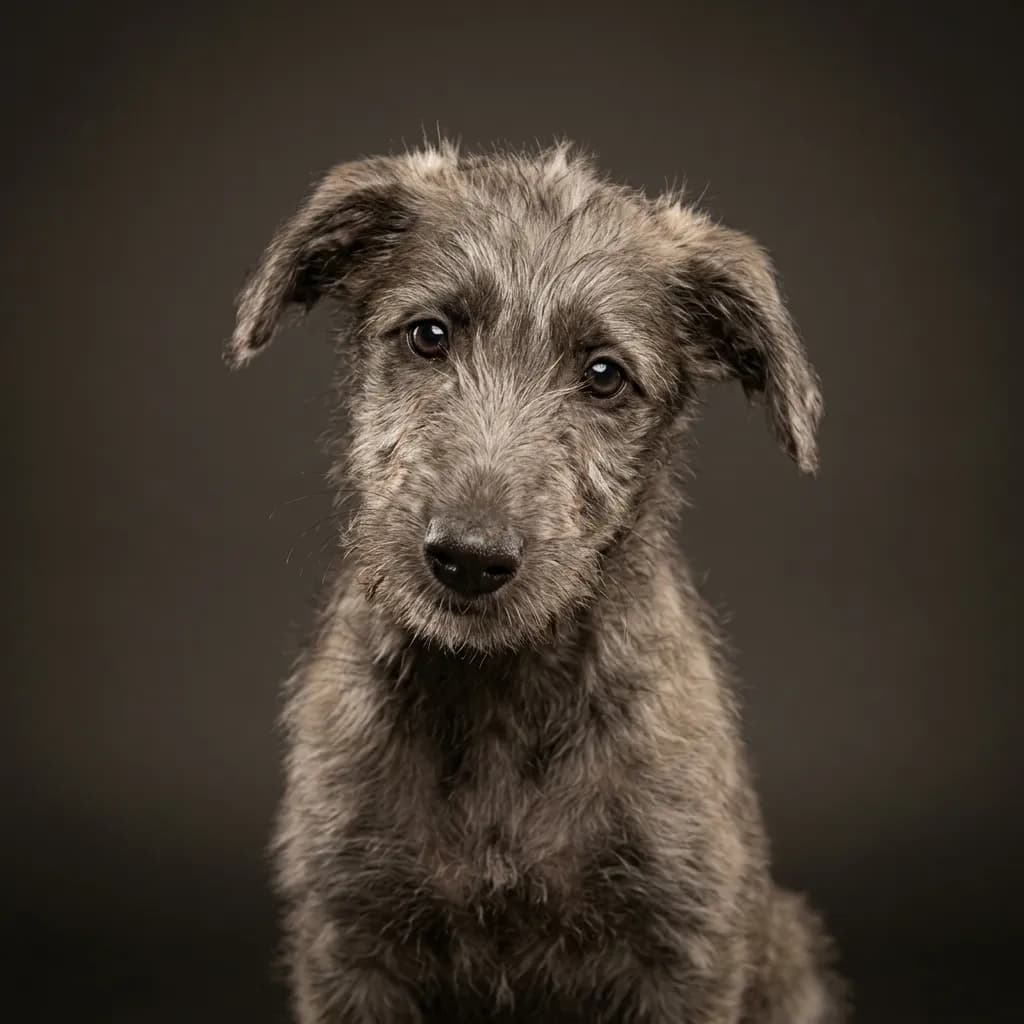
What Training a Scottish Deerhound Is Actually Like
Training a Scottish Deerhound isn’t about dominance or repetition drills. It’s about negotiation, timing, and respecting their ancient instincts. These dogs were bred to run 30 miles a day over rugged Highland terrain, spotting and taking down red deer without direct human guidance. That independence is still wired into them. They’re not stubborn in the way a Terrier is; they’re thoughtful, deliberate, and easily bored by tasks that don’t make sense to them. Their Coren intelligence ranking of Tier 4 means they need 25 to 40 repetitions to learn a new command—more than a Border Collie, but they’re not untrainable. The catch? Their first-command obedience is only about 50%, so even when they know what you’re asking, they might choose not to respond if something more interesting is happening. They’re calm indoors, polite with guests, and deeply loyal, but that dignity means they won’t jump through hoops for just any reward. If you want reliability, you’ll need to earn it with consistency and high-value motivation.
Training Timeline
Start at 8 weeks with basic handling, name recognition, and positive crate association. The socialization window closes at 12 weeks, so expose your puppy to varied people, surfaces, and sounds—gently and without force. Between 14 and 16 weeks, begin leash walking and house training, but keep sessions under 5 minutes. At 6 months (week 24), introduce recall with a long line in a secure area—never trust an off-leash recall yet. The second fear period hits between weeks 56 and 72 (about 14–18 months), so avoid pushing new or intense experiences then. Adolescence kicks in at 8 months and lasts until 24 months, which is longer than most breeds. During this stretch, expect regression in obedience, increased distractibility, and bursts of zoomies. Stick to routine and positive reinforcement. Most Deerhounds don’t reach full emotional maturity until 20 months, so patience is non-negotiable.
Breed-Specific Challenges
First, recall reliability. Their prey drive is intense and deeply ingrained. Once they catch sight or scent of movement, especially deer or rabbits, they’re likely to go. This isn’t disobedience—it’s biology. Second, sensitivity. They’re not loud or pushy, but they’re easily stressed by harsh tones or chaotic environments. Overcorrection can shut them down for days. Third, slow maturity. You’re not just training a puppy for a year—you’re managing a teenaged giant for two full years. Their size means mistakes like jumping or pulling are harder to manage. And fourth, boredom. They need mental work that taps into their hunting instincts, not just obedience drills.
What Works Best
Short sessions—3 to 5 minutes, 2–3 times a day—are ideal. Their attention span isn’t built for long drills. Use extremely high-value rewards: real meat, cheese, or liver paste. Kibble won’t cut it. Incorporate scent games like hide-and-seek with treats or toys to satisfy their hound instincts. Combine scent work with obedience—ask for a sit before they find the hidden snack. Leash training should start early with a front-clip harness to manage their size and momentum. Always end on a positive note. And never rely on punishment. These dogs respond to partnership, not pressure. Train with kindness, consistency, and meat in your pocket, and you’ll earn a willing, graceful companion who chooses to stay by your side—because he wants to.
Crate Training Your Scottish Deerhound
Scottish Deerhound puppies hit 92 pounds on average, so plan ahead with a 48-inch crate from day one. A divider helps for a young pup who might feel overwhelmed in such a big space, but don’t make it too small—they need room to stretch out even at eight weeks. By four months, they’ll likely outgrow the divided section, so be ready to adjust fast.
These dogs are gentle and dignified, not high-strung, so they usually accept the crate with less fuss than other giant breeds. Their energy level is moderate, and they’re naturally inclined to rest when not actively moving, which works in your favor. But don’t mistake quiet for readiness; a Deerhound puppy who’s lying down isn’t necessarily settled emotionally. Build positive association slowly—use their love of scent. Toss high-value treats like freeze-dried liver into the crate, let them sniff and explore, and reward calm entry. Short sessions, five to ten minutes max, keep frustration low.
Due to their trainability rating of 3/5, patience is key. They’re not stubborn, just thoughtful. Pushing them creates resistance. Don’t force entry. Instead, use scent games—hide treats in corners of the crate or under a soft pad to encourage voluntary use.
Avoid plastic crate pads; Deerhounds are big and awkward, and they’ll chew or shred softer materials out of boredom. Use a thick memory foam bed with a chew-resistant cover. They don’t tend to bark or dig at crates, but they will if stressed or if the crate’s in a drafty, noisy spot. Place it in a quiet corner of a lived-in room—these polite dogs want to be near you, not isolated.
At eight weeks, limit crating to one hour. By six months, three hours with a potty break is reasonable. Never crate more than four hours at a stretch, even for adults—they’re not built for long confinement and can develop stiffness or joint discomfort.
Potty Training Your Scottish Deerhound
Scottish Deerhounds are giant dogs with gentle souls, but their size and temperament mean potty training takes patience and a realistic timeline. At 92 pounds on average, they do have larger bladders than smaller breeds, which helps a little, but don’t count on that speeding things up. Puppies still need frequent outdoor trips—every 2 to 3 hours during the day, plus after eating, drinking, or waking up. Their large frames take time to develop full bladder control, so expecting a Deerhound pup to make it through the night at 10 weeks is unrealistic. Most won’t reliably hold it for 8 hours until they’re 6 to 7 months old.
Trainability is a 3 out of 5 here, and they fall into Coren’s “Average” tier, meaning they need 25 to 40 repetitions to learn a new command. They’re polite and sensitive, not eager to please in the same way a Border Collie might be. They’re more independent, and while they’re not outright stubborn, they’ll take their time deciding to comply. That means consistency is critical. If you’re inconsistent with timing or rules, they’ll pick up on it fast and exploit it.
One challenge is their outdoor distraction factor. They’re sighthounds at heart, and a squirrel across the yard can completely derail a potty attempt. Take them to a quiet, familiar spot on a leash and wait patiently. Don’t let them wander or play—this is business.
Rewards work best when they’re calm and immediate. A quiet “good” and a small treat right after they go helps. Avoid high excitement; it can overstimulate them. Positive reinforcement works, but it has to be delivered with their dignified nature in mind. Most Scottish Deerhounds aren’t fully house-trained until 8 to 10 months, sometimes longer. Stick with a routine, keep outings predictable, and respect their pace.
Leash Training Your Scottish Deerhound
Leash training a Scottish Deerhound isn’t about forcing obedience; it’s about guiding a dignified athlete who was built to cover miles through rugged terrain in pursuit of scent. These dogs aren’t pullers like sled breeds, but their size—averaging 92 pounds—means even a momentary surge toward something interesting can yank you off balance. A well-fitted front-clip harness is your best bet. It gives you gentle steering without putting pressure on their long, elegant necks, which a collar can risk irritating. Skip the no-pull collars; they’re unnecessary and can discourage their natural gait.
Deerhounds have moderate energy—3 out of 5—but their prey drive is deeply wired. They were bred to hunt red deer solo across the Highlands, which means they’re independent thinkers with a strong instinct to follow movement and scent. On leash, this often shows up as sudden lurches toward distant deer, rabbits, or even fluttering birds. They’re not being defiant; they’re simply doing what 1,000 years of breeding prepared them for.
Common issues include lagging behind to sniff or stopping completely when locked onto a scent trail, and politely ignoring you when something more interesting appears. This isn’t stubbornness; it’s focus. Their trainability is average, but they respond best to calm, patient consistency. Harsh corrections backfire with their sensitive nature.
“Good” leash behavior for a Deerhound isn’t tight-heel compliance. It’s a loose leash with occasional pauses to investigate, and a dog who checks back in without constant nagging. They’ll never be the kind of dog that trots obediently at your side in the city. But with scent-based patience—letting them have short, structured sniff breaks—you can build cooperation. Expect politeness, not perfection. They’re not built for haste. They’re built for purpose. And on leash, that means moving with grace, not speed.
“I just wish someone would tell me what to do and when to do it.”
Not generic puppy tips. Not a video course you’ll never finish. Just one email a week telling you exactly what to work on with your Scottish Deerhound, at the age they are right now. Nothing to sift through. Nothing to figure out. Just this week.
Get Started — It’s FreeTell us your breed and your puppy’s age. We’ll send you exactly what to work on this week.
Socializing Your Scottish Deerhound
You’ve got a narrow window with a Deerhound puppy, and you need to move fast but carefully. Their socialization period runs from weeks 3 to 12, which means they’re navigating new experiences during their first fear period—weeks 8 to 11—when their brain is hypersensitive to negative impressions. This overlap is critical. A scary moment at 10 weeks can stick with them longer than it would in a more resilient breed. So, you’re not just exposing them to the world, you’re managing the intensity. Think calm, controlled introductions, not overwhelming novelty.
Deerhounds were bred to course red deer over rugged Highland terrain, working independently at high speed. That history means they can be aloof with strangers and instinctively wary of fast movement, especially from children or cyclists. You need to expose them early and often to unpredictable motion, high-pitched voices, and sudden sounds. Not just once, but repeatedly in positive contexts. A treat when a kid runs by, a game when a skateboard rolls past—pair movement with good things.
They’re naturally reserved, not suspicious like a guardian breed, but distant. If you don’t socialize them well, that reserve hardens into standoffishness. By 20 months—when they’re finally mature—you’ll have a 92-pound dog who freezes up at the mail carrier or tenses when guests arrive. They won’t be aggressive, but they won’t be comfortable either. And because they’re dignified and sensitive, forced interactions backfire.
Common mistakes? Assuming their calm demeanor means they’re “fine” when they’re actually shut down. Or waiting until they’re older to start socialization, missing that early window. People also underestimate how their size changes the game—what’s cute in a 20-pound puppy is overwhelming in a 90-pound adult. If they haven’t learned gentle interactions early, their sheer mass becomes a problem.
Get it right, and you’ve got a poised, unflappable giant. Skip it, and you’ve got a polite ghost—present but never really at ease.