Training Your Slovensky Cuvac
Rare breeds with varied backgrounds. Approach based on breed's country of origin and original purpose.
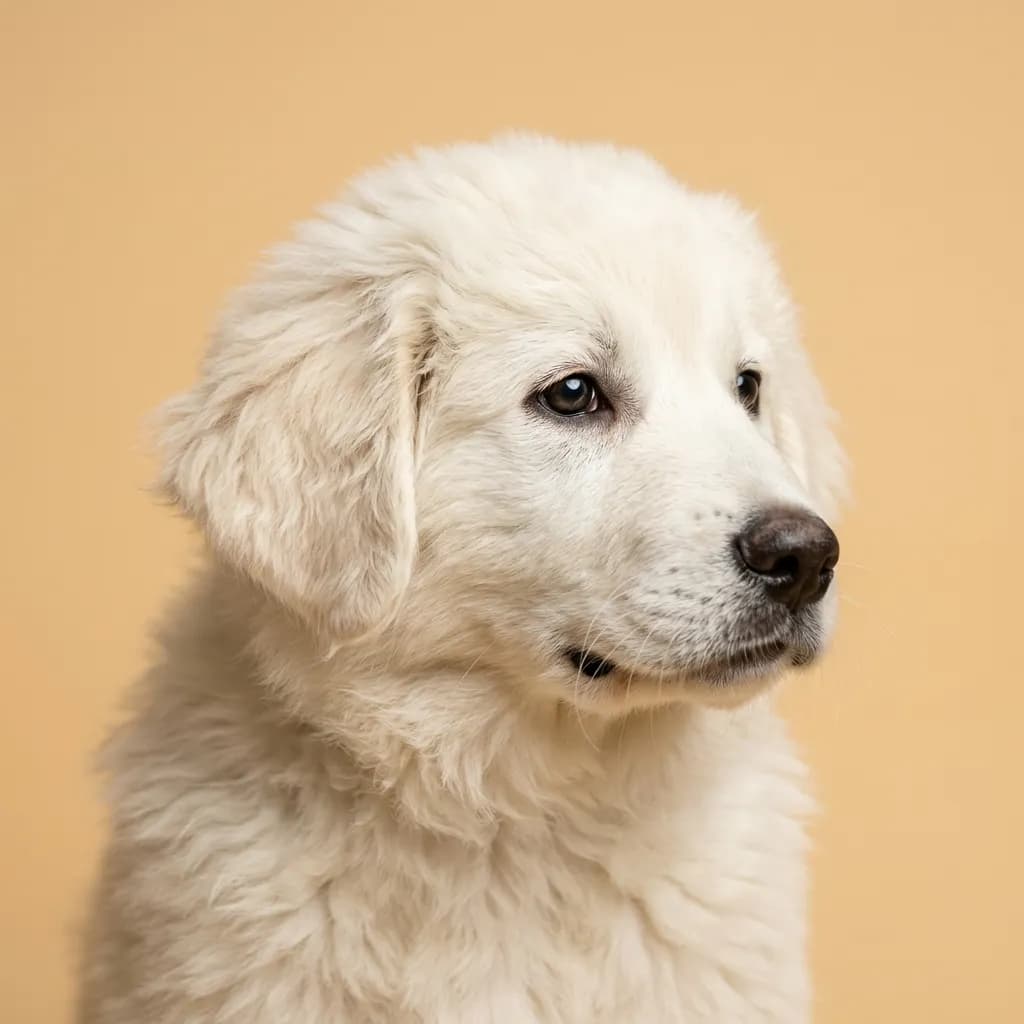
What Training a Slovensky Cuvac Is Actually Like
Training a Slovensky Cuvac isn’t about obedience drills or flashy tricks. This is a working livestock guardian from the Carpathian mountains, built for independent thinking and making judgment calls when predators approach. They’re not stubborn exactly—they just don’t see the point in jumping through hoops unless it makes sense to them. With a Coren intelligence tier of 4, they need 25 to 40 repetitions to learn a new command, and they’ll follow that first command only about half the time. That’s not failure; that’s design. These dogs were bred to work at a distance from shepherds, relying on instinct over instruction. You’re not breaking their will—you’re guiding a decision-maker. They’re faithful and alert, yes, but they won’t impress in a traditional obedience ring. What you get instead is a dog who watches, assesses, and protects—on their terms.
Training Timeline
Start training at 8 weeks. The socialization window closes at 12 weeks, so prioritize exposure to different people, surfaces, sounds, and livestock if you’re using them as guardians. Use short, positive sessions—5 to 10 minutes max. By 16 weeks, reinforce basic manners, but don’t expect perfection. The second fear period hits hard between weeks 44 and 56—around 10 to 14 months—so avoid forced interactions and loud corrections. This is when a lot of owners misstep and create lasting anxiety. Adolescence spans from 6 to 18 months, peaking in independence around 12 months. Housetraining might stall during this phase. Their full mental maturity arrives around 14 months, which is later than many large breeds. After that, you’ll see a noticeable shift in focus and willingness to cooperate—if you’ve built trust.
Breed-Specific Challenges
First, independence. This isn’t a Velcro dog. They’ll scan the tree line while you’re calling them back, and that’s by design. You can’t rely on recall in off-leash areas near wildlife or livestock. Second, wariness of strangers. They’re not aggressive without cause, but they won’t warm up quickly. Poor socialization leads to inappropriate guarding, not just of property but of people. Third, climate sensitivity. At 82 pounds with a thick double coat, they overheat fast. Training in hot weather requires early morning or late evening sessions and constant access to shade and water. Fourth, their average trainability means repetition is non-negotiable. You can’t skip consistency and expect results. They’ll tune you out if training feels arbitrary.
What Works Best
Use an adaptive mixed approach—combine positive reinforcement with clear boundaries, modeled after traditional Central European livestock guardian handling. Keep sessions short, 5 to 15 minutes, and practice in low-distraction environments first. Reward with high-value treats initially, but phase in life rewards like gate access or pasture time as they mature. Praise is useful, but not sufficient on its own. Structure matters: these dogs thrive on routine. Train at the same times daily, use consistent cues, and allow them to succeed often to build confidence. Avoid force or harsh corrections—especially during the fear period. Their AKC trainability score of 3/5 means progress is steady, not fast. Meet them where they are: not a student eager to please, but a partner learning to collaborate.
Crate Training Your Slovensky Cuvac
A full-grown Slovensky Cuvac averages 82 pounds, so plan for a 48-inch crate right out of the gate. Even as a puppy, they’re fast growers and will outpace smaller crates quickly. A divider can work for the first few months, but you’ll likely only need it briefly. These dogs are built sturdy and broad-chested, so err on the larger side to ensure comfort. A cramped space will make them restless and defeat the purpose.
Their energy sits at a moderate 3 out of 5, and that works in your favor. They aren’t hyper, but they’re not lapdogs either. They’re alert and faithful, which means they’ll notice when you’re leaving and when you’re back. This breed isn’t typically prone to frantic crate resistance like some high-strung breeds, but they won’t just flop down the second the door closes. They need to trust the routine. Expect a few days of mild whining or pacing at first, especially if you’ve got a courageous pup testing boundaries.
Don’t leave them crated more than 4 to 5 hours at a time, even as adults. Their separation tolerance is average. They bond deeply and don’t do well with long isolation. Extended crating leads to boredom, and bored Cuvacs might start digging at the crate liner or chewing the bedding—especially if they’ve inherited that classic livestock guardian mouthiness.
Make the crate a positive space with a thick, chew-resistant pad and a frozen Kong stuffed with plain yogurt and kibble. Rotate chew toys regularly to keep things interesting. Avoid using the crate as a timeout spot; these dogs are sensitive to tone and consistency. End every session with calm praise and a routine that reinforces patience. Crate training a Cuvac isn’t about force—it’s about building a den they’re proud to settle in.
Potty Training Your Slovensky Cuvac
You’re working with a large dog that’s not known for being a quick learner, so potty training a Slovensky Cuvac takes patience and consistency. At around 82 pounds, their size means they do have decent bladder capacity as adults, but don’t expect miracles early on. Puppies this big still need frequent outdoor breaks—every 2 to 3 hours during the day—and will likely need a middle-of-the-night trip until they’re at least 14 to 16 weeks old. Their physical maturity helps a little, but don’t confuse size with readiness. This breed falls into Coren’s Tier 4, meaning they’re average in working intelligence and need 25 to 40 repetitions to learn a new command. So, potty training isn’t going to click overnight.
The bigger factor here is temperament. Cuvacs are alert and faithful, which can work in your favor, but they’re also independent and not always driven by praise alone. They won’t rush to please you just to make you happy, so you can’t rely on eagerness. That independence can look like stubbornness when they’d rather sniff the yard than go on command. Distractions outdoors—wind, scents, sounds—can easily pull their focus, making it harder to finish the job. They’re not scent hounds, but their alert nature keeps them scanning, not squatting.
Realistically, expect 4 to 6 months before your Cuvac is reliably house-trained, and even then, occasional setbacks are normal, especially during weather changes or routine shifts. Crate training is non-negotiable. Use a properly sized crate to prevent accidents and build good habits.
Rewards should be immediate and tangible—small, high-value treats work better than praise alone. Pair treats with calm praise to reinforce the behavior without overstimulating them. Stick to a strict schedule, supervise closely indoors, and don’t cut corners. This breed responds best to calm, confident leadership, not force.
Leash Training Your Slovensky Cuvac
A Slovensky Cuvac on a leash isn’t trying to dominate you, but you can’t just wing it either. At 82 pounds on average and built for rugged mountain terrain, this dog has the strength to take you for a walk if you’re not prepared. Use a front-clip harness, no exceptions. A back-clip harness or flat collar won’t give you enough control, especially if they lock onto something. The front-clip helps redirect their weight when they brace or lunge, and you’ll need that leverage. Avoid choke or prong collars—they’re unnecessary and can damage a breed with such a proud, upright carriage.
Their energy level is moderate, 3 out of 5, but don’t mistake calmness at home for focus on walks. They were bred to patrol and guard livestock across wide, isolated areas in the Carpathians. That means they’re alert, deliberate, and naturally suspicious of movement or unfamiliar sounds. On leash, this shows up as sudden stops, stiffening at perceived threats, or barking at bikes or other dogs. It’s not aggression, it’s purpose. Their prey drive is low to moderate, so chasing squirrels isn’t the main issue, but they’ll absolutely fixate on anything they deem out of place.
Common problems? Pulling when they sense something “wrong,” ignoring recall mid-patrol, and refusing to move when they’ve decided the current spot needs guarding. Their guarding instinct makes them less fluid on walks than, say, a sporting or herding breed. They’re not built to follow; they’re built to assess and respond.
Realistic expectations? A well-leash-trained Cuvac won’t heel perfectly like a German Shepherd, but they should walk beside you most of the time, respond to check-ins, and accept redirection without resistance. Loose-leash walking is achievable with consistency, but expect pauses. That’s not failure. That’s the breed doing what centuries of selective breeding taught them to do. Work with it, not against it.
“I just wish someone would tell me what to do and when to do it.”
Not generic puppy tips. Not a video course you’ll never finish. Just one email a week telling you exactly what to work on with your Slovensky Cuvac, at the age they are right now. Nothing to sift through. Nothing to figure out. Just this week.
Get Started — It’s FreeTell us your breed and your puppy’s age. We’ll send you exactly what to work on this week.
Socializing Your Slovensky Cuvac
You’ve got a Slovensky Cuvac, which means you’re raising a large, independent livestock guardian with a default setting of suspicion toward anything unfamiliar. That makes the socialization window—weeks 3 to 12—non-negotiable. And here’s the kicker: their first fear period hits hard between weeks 8 and 11, right when you bring them home. So you’re not just socializing; you’re doing it while their brain is wired to be extra cautious. Go slow, stay positive, and never force interaction.
These dogs were bred to work alone in the Carpathian mountains, watching over flocks without direction. That means they’re naturally wary of strangers, sudden movements, and new environments. You need to flood them with calm, controlled exposure to all kinds of people—not just adults, but kids, men with deep voices, people wearing hats or carrying bags. They also need to hear traffic, doorbells, vacuums, and other urban or suburban noises, even if you plan to keep them rural. Without it, they’ll default to distrust.
A common mistake? Thinking that because they’re calm puppies, they’re “fine.” They’re not. Their reserved nature can mask underlying anxiety that explodes at maturity, around 14 months. Skip proper socialization and you’ll end up with an 82-pound dog who barks at the mail carrier, lunges at visitors, or shuts down in new places. That’s not training failure, that’s developmental missed timing.
Socialization for a Cuvac isn’t about making them outgoing. It’s about building a dog who assesses calmly instead of reacting. Use treats, space, and repetition. Let them observe from a distance. Let them decide when to approach. This breed won’t be everyone’s best friend, and that’s fine. But with solid early work, they’ll be faithful, confident guardians who know the difference between a threat and a neighbor. Without it, you’re managing reactivity for life.