Training Your Swedish Lapphund
Rare breeds with varied backgrounds. Approach based on breed's country of origin and original purpose.
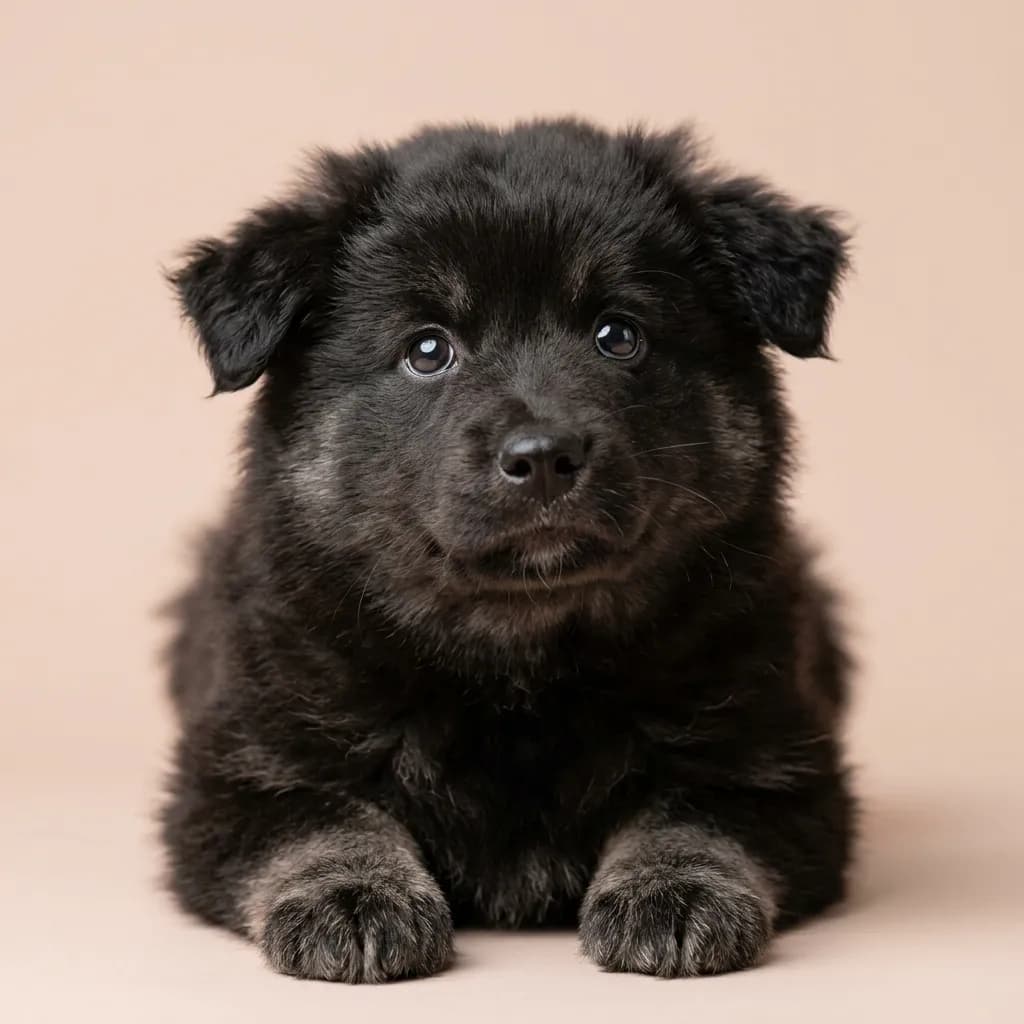
What Training a Swedish Lapphund Is Actually Like
Training a Swedish Lapphund feels like working with a bright kid who’s eager to please but also deeply observant. They’re in Coren Tier 2, meaning they pick up new commands in just 5 to 15 repetitions and obey first commands 85% of the time. That’s above average, borderline exceptional. Their intelligence isn’t flashy, but practical—this is a dog bred to make independent decisions while herding reindeer across Arctic terrain. You’ll notice they anticipate tasks, problem-solve on walks, and remember patterns fast. They thrive on mental engagement, so if you’re not giving them something to think about, they’ll find their own job—usually involving barking at wildlife or organizing your socks. They’re not stubborn, but they do need a purpose. If you’re consistent, this breed will impress you. If you’re inconsistent, they’ll exploit it.
Training Timeline
Start at 8 weeks. Their socialization window is tight—weeks 3 to 12—so prioritize exposure to new people, dogs, surfaces, and sounds immediately. By 12 weeks, they should have met at least 50 different humans and heard vacuum cleaners, skateboards, and doorbells without reacting. At 5 months, adolescence kicks in. You’ll see increased independence, testing boundaries, and more vocalization. This lasts until 14 months. Around 8 months, they hit emotional maturity, so most basic training should be solid by then. Watch closely for the second fear period between weeks 32 and 40 (about 7.5 to 9 months). A dog that loved skateboards at 10 weeks might freeze at one now. Go slow, avoid flooding, and reinforce confidence with familiar rewards and calm exposure. Keep training sessions positive—this is not the time for corrections.
Breed-Specific Challenges
First, the barking. Lapphunds were alert dogs for the Sami, and they’re wired to notify. Left unchecked, they’ll bark at squirrels, shadows, and doorbell chimes. You can’t eliminate it, but you can manage it with consistent “quiet” cues and environmental enrichment. Second, cold-climate bias. Their double coat makes them miserable in hot, humid areas. Training in heat above 75°F becomes counterproductive—stress spikes, focus drops. Third, herding instinct. They’ll circle children, nip at heels, and try to “gather” small pets. Early impulse control work is non-negotiable. Last, their sensitivity to correction. Despite their resilience in harsh climates, they’re emotionally attuned. Harsh tones or forceful methods shut them down fast. They respond best to clarity, not volume.
What Works Best
Use an adaptive mixed approach—blend positive reinforcement with structured problem-solving. Given their 4/5 mental stimulation needs, keep sessions short but frequent: 5 to 10 minutes, 3 times a day. Puppies handle 5-minute blocks; adults can manage 10 if the task is engaging. Reward with high-value treats early on—small bits of chicken or cheese work—but phase in life rewards like tug, fetch, or access to the yard by 6 months. Their 5/5 trainability means they excel in agility, rally, and herding trials, so start shaping those skills early. Use their natural liveliness as fuel. And remember, they mature at 9 months, so don’t mistake adolescent pushback for permanent behavior. Stay steady, keep it fun, and you’ll have a responsive partner who’s always two steps ahead of you—in a good way.
Crate Training Your Swedish Lapphund
A Swedish Lapphund puppy needs a 36-inch crate to accommodate their 38-pound adult size, but you’ll definitely want one with a divider. These pups grow steadily, and starting with a crate that’s too big encourages potty accidents. Divide it down so they only have space to stand, turn around, and lie down comfortably until they’re about 6 to 7 months old, then gradually expand as they fill out.
Lapphunds are smart and eager to please, so crate training usually goes smoothly—especially with positive reinforcement and consistency. But don’t mistake their trainability for instant compliance. Their 4/5 energy level means they need a solid wind-down routine before crating. A quick game of fetch or 10 minutes of obedience drills helps burn off that lively spark so they don’t fight the crate from pure pent-up zoomies. Once tired, they’ll settle faster than most breeds.
Adults can handle 6 to 8 hours crated if necessary, but that’s not ideal daily. These social, playful dogs don’t love long isolation. Push past 5 hours regularly and you’ll likely see protest barking or restlessness. Puppies under 6 months shouldn’t be crated more than 3 to 4 hours at a stretch, bladder control and mental well-being both being concerns.
Breed-specific quirks? Watch for chewing. Lapphunds can be mouthy, especially as puppies, and may gnaw crate bars or destroy soft pads. Use a durable, chew-proof pad and avoid plush bedding until they’re past the teething phase. Some will also dig at the crate mat—like they’re fluffing up snow—which is instinctual but annoying. A rubber-backed mat helps minimize shifting and scratching.
Make the crate a den, not a jail. Feed meals inside, toss in puzzle toys, and keep the vibe low-key when they’re in there. They’ll treat it like their favorite hideout instead of a timeout zone.
Potty Training Your Swedish Lapphund
Swedish Lapphunds are medium-sized dogs at around 38 pounds on average, which gives them a decent bladder capacity for their age. Puppies still need frequent potty breaks—every 2 to 3 hours during the day—but you’ll notice they can hold it longer than toy breeds by about 12 to 16 weeks. Most Lapphunds are reliably house-trained by 4 to 5 months with consistent effort, though occasional accidents can happen until 6 months, especially during big life changes or bad weather.
Their trainability is a major asset. Ranked in Coren’s Tier 2 for working intelligence, they pick up commands in just 5 to 15 repetitions and are highly responsive to structured training. They’re intelligent and eager to please, not particularly stubborn, but they do have a lively, playful streak that can distract them if training feels like a chore. Keep sessions short, upbeat, and consistent. They respond best when you’re clear and positive—they want to get it right.
One breed-specific challenge is their alert, observant nature. They’re always scanning their environment, so outdoor potty trips can turn into scent safaris if you’re not firm about the purpose. Stick to a designated potty area and use a cue word like “go potty” to keep them focused. Indoors, their size means they won’t hide accidents in corners like smaller breeds, but they might delay telling you they need to go if they’re engrossed in play. Supervise closely and stick to a schedule—feeding, napping, and playtime should all lead to predictable potty breaks.
Rewards matter, and Lapphunds do best with enthusiastic praise paired with small, high-value treats. They thrive on connection, so a happy voice and a quick pet after they finish outside reinforces the behavior better than food alone. Make it a moment they want to repeat.
Leash Training Your Swedish Lapphund
Swedish Lapphunds are smart, springy little dogs with a surprising amount of muscle for their 38-pound frames. They’re eager to please and highly trainable, which makes leash training smoother than with many breeds, but their herding instincts and lively energy do come with quirks. A well-fitted front-clip harness works best for most Lapphunds; it gives you gentle control without risking neck strain, especially since they can get excited and pop-trot forward when they spot something interesting. A standard flat collar is fine for calm walks, but if your dog has a habit of lunging or pulling—common when they’re young or overstimulated—the front-clip harness helps redirect their momentum without harsh corrections.
Their energy level is high, right at 4 out of 5, and while they’re not driven by prey like terriers or hounds, they do love to investigate movement. Squirrels, birds, even fluttering leaves can spark a burst of forward tension on the leash. That’s not defiance—it’s curiosity. Their herding background means they’re used to working independently, circling and adjusting position around livestock. You’ll see that translate into weaving ahead and behind you, sometimes crossing in front or darting side to side. It’s not pulling in the traditional sense, but it can feel chaotic if unguided.
Start leash training early, around 10 to 12 weeks, using positive reinforcement and short, frequent sessions. Use high-value treats to mark attention and loose-leash walking. They pick up fast—trainability is a 5 out of 5—so consistency is your real challenge, not comprehension. Realistic expectations? A well-trained Lapphund won’t heel like a German Shepherd, but they should walk politely with occasional slack in the leash, check in frequently, and respond promptly to cues. You’re aiming for cooperation, not perfection. With their intelligence and willingness, you’ll get there—just keep it fun, varied, and engaging. They’re partners, not puppets.
“I just wish someone would tell me what to do and when to do it.”
Not generic puppy tips. Not a video course you’ll never finish. Just one email a week telling you exactly what to work on with your Swedish Lapphund, at the age they are right now. Nothing to sift through. Nothing to figure out. Just this week.
Get Started — It’s FreeTell us your breed and your puppy’s age. We’ll send you exactly what to work on this week.
Socializing Your Swedish Lapphund
Swedish Lapphunds are sharp, lively dogs with a herding background, bred to work independently but cooperatively with the Sami people across the Arctic Circle. That intelligence and independence means their socialization window—weeks 3 to 12—is absolutely critical, especially because it overlaps directly with their first fear period at weeks 8 to 11. You can’t wing it during this time. Missed exposures or forced interactions during those fear-sensitive weeks can stick with them for life. They’re not naturally aggressive, but they are naturally cautious, especially around sudden movements, loud noises, or unfamiliar people.
Because they were bred to manage reindeer in remote, rugged environments, they tend to be more reserved than outgoing. That means they need more structured exposure to strangers, children, and busy urban environments—things they wouldn’t have encountered in their native landscape. Kids can be especially tricky. Their herding instinct might kick in around fast-moving or loud children, so early, calm interactions with well-behaved kids are essential. Don’t assume their playful side means they’ll automatically tolerate unpredictable behavior.
They’re naturally wary of unfamiliar sounds—snowmobiles, vacuums, skateboards—so pairing those noises with positive experiences early on is non-negotiable. A Lapphund that isn’t sound-socialized by 12 weeks may never fully relax around mechanical or sudden noises.
Common mistakes? Overprotective handling—either shielding them from everything or pushing them too hard during the fear period. Neither works. Flooding a shy Lapphund at a puppy party can backfire badly. It’s about controlled, positive repetition.
Skip proper socialization and you’ll likely end up with a dog that’s overly reactive to strangers, tense in new environments, or selectively disobedient when stimuli spike. At 9 months, they’re mentally mature enough to solidify habits, so what you build by then is what you’ll live with. Do it right, and you’ve got a confident, adaptable companion who’s as happy in a village market as on a mountain trail.