Training Your Tibetan Mastiff
Bred for jobs requiring strength, stamina, and decision-making. Responds to purposeful training with clear expectations. Needs to understand WHY.
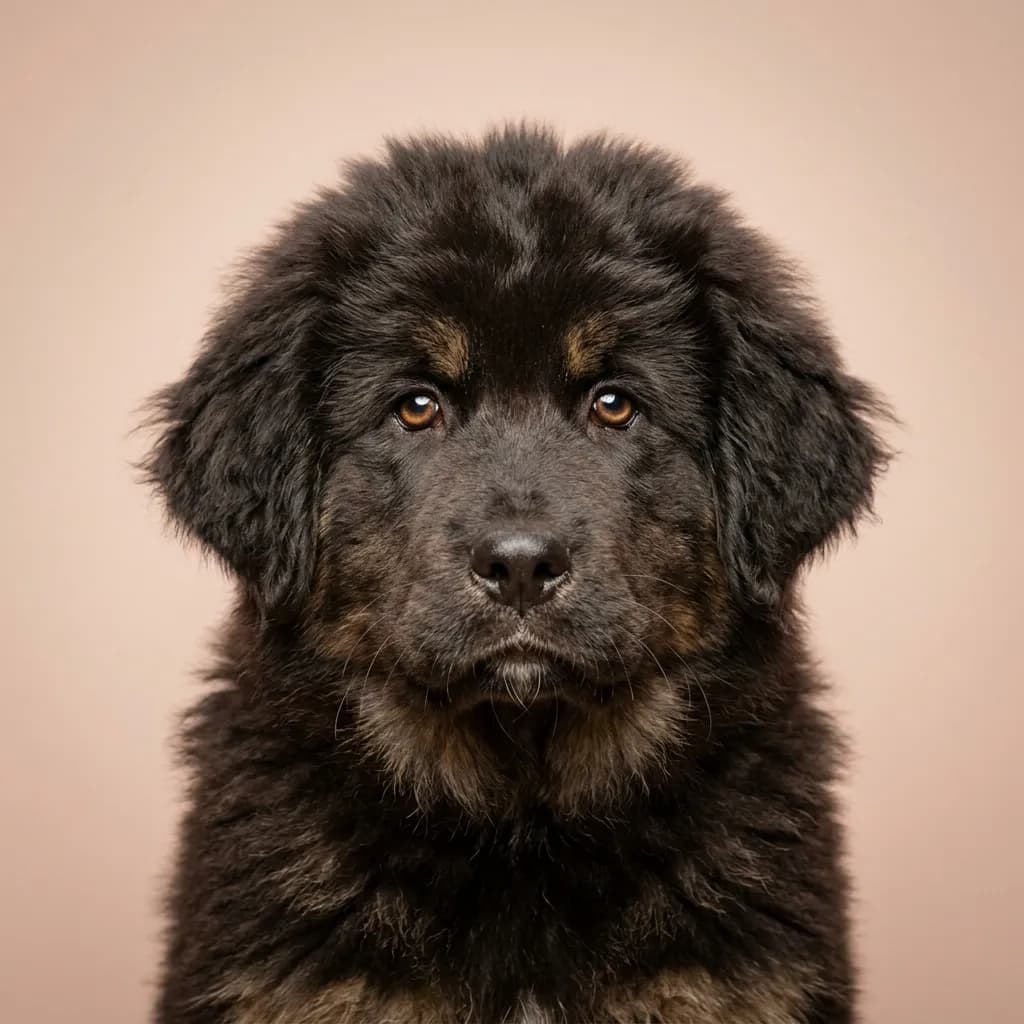
What Training a Tibetan Mastiff Is Actually Like
Training a Tibetan Mastiff isn’t about obedience drills or flashy tricks. It’s about building a working relationship with a dog that thinks for himself—and has the size and confidence to act on it. These dogs are intelligent, but their intelligence is task-oriented. They don’t care about pleasing you for the sake of it. They need to understand the purpose behind what you’re asking. That doesn’t mean they’re untrainable. It means you have to earn their cooperation. They’re not eager-to-please like a Border Collie. They’re more like a seasoned employee who respects competence and consistency. If your training lacks clarity or structure, they’ll ignore you. The 25% first-command obedience rate and 80–100 repetitions to learn a new command aren’t flaws—they’re reality checks. This is a breed built for guarding, not agility. They’re calm, deliberate, and mentally tough. Training success comes from patience, consistency, and framing every task as having a purpose.
Training Timeline
Start socialization immediately. The window closes at 12 weeks, and missing it is a one-way ticket to a dog that’s suspicious of everything. Expose your puppy to different people, surfaces, sounds, and environments—calmly and without force. Between 14–16 weeks, begin basic commands like “stay” and “come,” but expect slow progress. Use food rewards heavily early on. At 8 months, adolescence hits hard and lasts until 24 months. That’s two full years of testing boundaries. Around 14 months (weeks 56–72), they hit a second fear period. Avoid pushing them during this time. Revisit socialization gently. Formal training should be ongoing but low-pressure. Keep sessions short and positive. By 20 months, mental maturity begins to settle in. That’s when real progress accelerates. They start connecting actions to outcomes. Use this window to solidify obedience and reinforce leadership.
Breed-Specific Challenges
First, independence. This dog won’t follow commands just because you said so. If they don’t see the logic, they’ll opt out. Second, guarding instincts. They’re born to assess threats and act. This means reactivity to strangers, dogs, or perceived intruders isn’t a training flaw—it’s their job description. Managing this requires early and continuous exposure, not correction after the fact. Third, slow learning curve. With a Coren tier of 6, they’re at the bottom for obedience acquisition. You’ll repeat commands more than with almost any other breed. Fourth, delayed maturity. You’re not dealing with a puppy at 18 months. You’re dealing with a 150-pound adolescent who still tests rules like a toddler. Crate training and boundary work must start early because you won’t overpower them later.
What Works Best
Keep sessions short—10 minutes max—and highly structured. These dogs thrive on routine and clear expectations. Use task completion as a reward. For example, letting them “guard” the backyard after successfully coming when called reinforces their purpose. Food rewards work well early on, but pair them with meaningful outcomes. Train in real-world settings when possible. A command practiced at home means nothing if they can’t do it in the driveway during a storm. Pacing is critical. Don’t rush. They need time to process. Train every day, but don’t drill. Consistency over intensity wins. And never use force. This breed respects calm authority, not dominance. If you’re uncertain, they’ll exploit it. Be the steady, purposeful leader they’re designed to follow.
Crate Training Your Tibetan Mastiff
A Tibetan Mastiff needs a big crate—think 48 inches minimum, even for a puppy, because they grow fast and hit an average of 110 pounds. Don’t bother with a divider. These pups are so large by six months that buying a crate they can grow into without rearranging the space is smarter. A two-door crate works better for their size, especially if you’re placing it against a wall; they need room to turn without bumping their shoulders.
These dogs are independent and thoughtful, not hyper, so they don’t fight the crate out of frantic energy. But they won’t accept it just because you say so. Their intelligence means they’ll test the boundaries, so your training has to be purposeful and consistent. Start with feeding meals inside the crate, then add short stays with the door closed while you’re in the room. Build duration slowly—ten minutes at first, then twenty—before leaving the room. They don’t panic easily, but they do notice if you’re inconsistent.
Adult Tibetan Mastiffs can handle 6 to 8 hours crated if exercised first, but don’t make it a habit. They’re not clingy, but they’re alert and observant, so long crating without mental engagement leads to boredom. And bored Tibetan Mastiffs? They get creative. Expect some digging at crate pads or chewing on fabric liners—these dogs have strong jaws and aren’t shy about using them. Use a durable orthopedic bed and avoid plush covers. Some will bark if they hear something off-property; it’s in their guarding nature. Address it early by teaching a “quiet” cue before crating.
Train the crate like any other task: structured, step-by-step, with clear expectations. No fuss, no drama. They respond better to calm authority than to coaxing. Make it their den, not a punishment zone, and they’ll respect it.
Potty Training Your Tibetan Mastiff
Tibetan Mastiffs are giant dogs, averaging around 110 pounds, and that size means they have a large bladder. Physically, they can hold it longer than smaller breeds, but don’t let that fool you into thinking potty training will be easier. Their trainability is rated 3 out of 5, falling into Coren’s lowest tier for working intelligence, which means they need 80 to 100 repetitions to learn a new command. They’re intelligent, yes, but independent and reserved by nature—not eager to please like a Labrador or Border Collie. That independence means they’ll assess whether following your cue is worth their effort.
Because of their slow learning curve, potty training a Tibetan Mastiff takes patience and consistency. A realistic timeline for reliable house training is 6 to 8 months, sometimes longer. You can’t rely on speed or enthusiasm. Instead, you need structure. Crate training helps, but their size means you’ll need a large enclosure early on—many owners use exercise pens instead of crates after a certain age. Stick to a strict schedule: potty breaks every 4 to 6 hours, plus immediately after meals, naps, and play sessions.
One breed-specific challenge is their tendency to be aloof and easily distracted outdoors, not by scents like hounds but by their own judgment of the situation. If they don’t feel like going, they won’t, even if you’re standing there waiting. This isn’t defiance; it’s independence. You’ll need to pick a consistent outdoor spot and use a firm cue word, repeating it over time until association forms.
Rewards should be high-value but not excessive—small pieces of cooked chicken or cheese work well. The key is timing and consistency. Praise calmly; they respond better to a confident tone than over-the-top excitement. Above all, stay patient. They’ll get there, on their own timetable.
Leash Training Your Tibetan Mastiff
Leash training a Tibetan Mastiff isn’t about turning a 110-pound guardian into a prancing show pony. It’s about managing power with respect for their nature. These dogs were bred to patrol vast stretches of the Tibetan Plateau, alert and unbothered by distractions, not to heel at your side like a Border Collie. That independence means they’ll often decide when to stop, where to go, and whether your direction matters—especially at first.
Skip the standard collar. A front-clip harness is non-negotiable here. You’re dealing with raw strength and a breed that won’t hesitate to lean into tension. A front-clip harness gives you more control without risking tracheal damage, and it discourages pulling by redirecting their momentum. But don’t expect miracles—no harness replaces consistent training.
Their energy level is moderate, but their alertness is high. They’re not sprinting after squirrels like a sighthound, but they will lock onto movement and stand their ground, which can feel like stubbornness. That’s not defiance—it’s their guarding instinct kicking in. They’re assessing threats, not ignoring you.
Common leash issues? Stiff resistance when they sense something concerning, sudden stops, and selective hearing. They’re intelligent and task-oriented, so they’ll tune you out if they think a better job needs doing, like watching a passing cyclist they deem suspicious.
Good leash behavior for a Tibetan Mastiff isn’t perfect heeling. It’s them staying aware of you while allowing guidance. Think loose-leash walking with occasional check-ins, not constant eye contact. Start training early, use calm repetition, and reward thoughtful obedience, not speed. You’re not breaking their will—you’re earning cooperation. And that takes patience, not power.
“I just wish someone would tell me what to do and when to do it.”
Not generic puppy tips. Not a video course you’ll never finish. Just one email a week telling you exactly what to work on with your Tibetan Mastiff, at the age they are right now. Nothing to sift through. Nothing to figure out. Just this week.
Get Started — It’s FreeTell us your breed and your puppy’s age. We’ll send you exactly what to work on this week.
Socializing Your Tibetan Mastiff
You absolutely cannot miss the socialization window with a Tibetan Mastiff. Their critical period starts at three weeks and slams shut by twelve weeks, which means you’re racing against time. Worse, their first fear period hits hard between eight and eleven weeks—right when most puppies are settling into new homes. That overlap is dangerous if you don’t know what you’re doing. A scary experience during those weeks can stick for life, and with a giant breed like this, fear equals risk.
Tibetan Mastiffs were bred to be independent guardians, making decisions alone at 15,000 feet to protect livestock from predators. That means they’re naturally suspicious of strangers—both people and dogs. You need to flood them with positive exposure to all kinds of humans: men, women, kids, people in hats or coats, people moving oddly. You can’t just do the dog park once and call it good. They need repeated, calm, non-threatening interactions so they learn discernment, not blanket suspicion.
They’re not aggressive by nature, but they are reserved. If you don’t socialize them early and consistently, that reserve turns into reactivity or outright hostility toward unfamiliar people or animals. And remember, they don’t mature until twenty months, so what seems like “shyness” at ten weeks becomes a 140-pound dog’s default behavior if you don’t act fast.
Common mistakes? Overprotective owners who shield them from stimuli, thinking they’re being gentle, or worse—pushing them too hard during the fear period. Flooding a Tibetan Mastiff with too much too fast at eight weeks can backfire spectacularly. It’s about steady, positive repetition, not volume.
Skip early socialization, and you’re not just raising a wary dog. You’re raising a 110-pound guardian with no off switch, unable to distinguish real threat from everyday noise. That’s not fair to the dog or the people living with it. Socialization isn’t optional here. It’s survival.