Training Your Tornjak
Rare breeds with varied backgrounds. Approach based on breed's country of origin and original purpose.
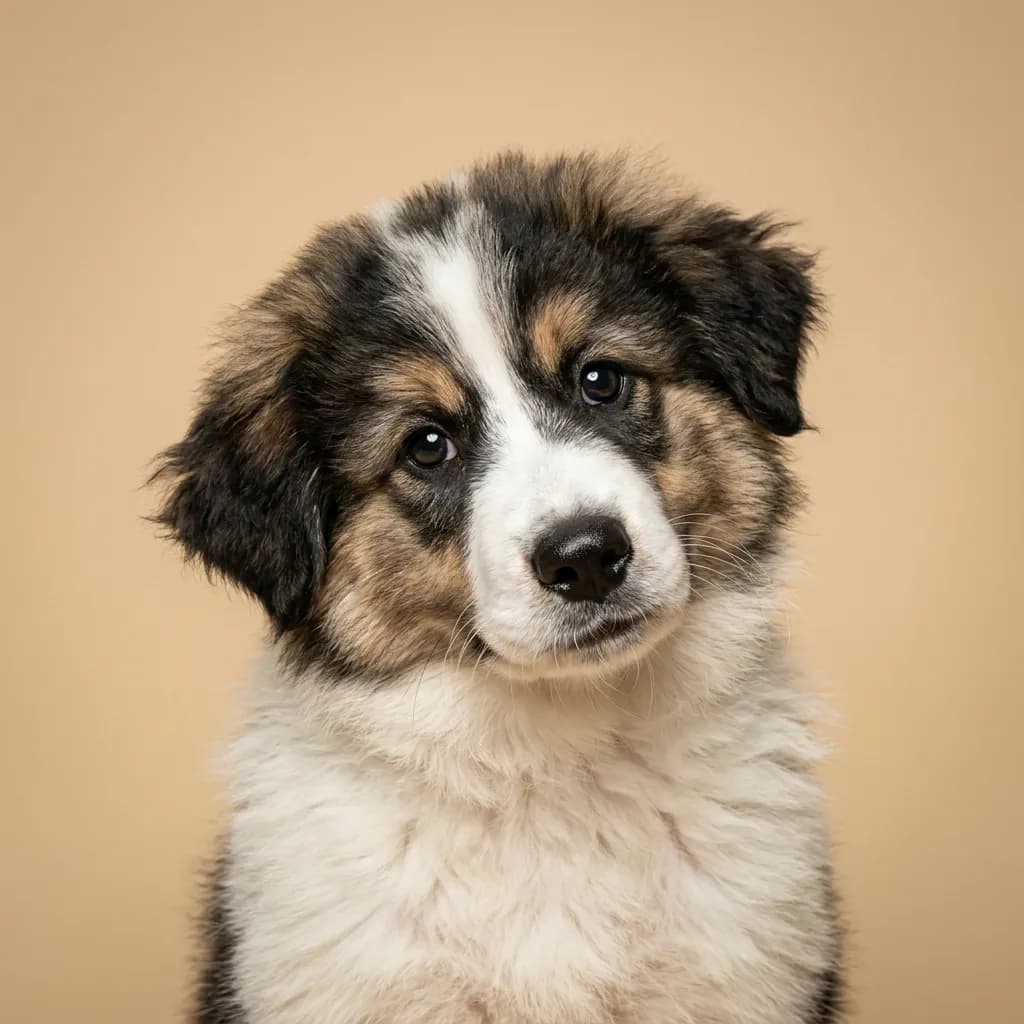
What Training a Tornjak Is Actually Like
Training a Tornjak isn’t about obedience drills or precision heeling. It’s about building a working relationship with a dog that was bred to think for itself. These dogs aren’t stubborn in the typical sense, but they were developed to make decisions independently while guarding livestock across rugged Balkan terrain. That means they’ll assess a situation before responding—sometimes slowly. Their Coren tier is Average, meaning they need 25 to 40 repetitions to learn a new command, and they’ll only obey the first command about half the time. Don’t expect instant compliance. Instead, focus on earning cooperation. They’re intelligent, but their intelligence is situational, not performance-based. If a command doesn’t make sense to them in context, they might ignore it. They’re friendly and courageous, not sharp or reactive, so positive reinforcement works better than pressure. But you still need confidence and consistency—this isn’t a breed that forgives hesitation in leadership.
Training Timeline
Start socialization immediately at 8 weeks. The window closes at 12 weeks, and you need to pack in exposure to people, animals, surfaces, and sounds common in rural or farm life. By 16 weeks, introduce basic cues like “sit” and “stay” in low-distraction environments. Keep sessions short—5 minutes max. Around 6 months, adolescence kicks in. Energy dips and spikes unpredictably, and independence grows. You’ll see testing behavior, especially around livestock or perceived threats. The second fear period hits between 44 and 56 weeks—watch for sudden shyness or reactivity to previously accepted stimuli. Reinforce confidence, don’t force. Continue training through 14 months, when mental maturity finally arrives. Full reliability shouldn’t be expected before then. Crate training and boundary work should begin early and continue throughout this period.
Breed-Specific Challenges
First, independent thinking. Tornjaks were left alone with flocks for hours, so they don’t default to looking at you for direction. This makes recall and off-leash work risky without intense, long-term conditioning. Second, territorial sensitivity. They’re alert and courageous, which can edge into overprotectiveness if not carefully managed. Early and ongoing socialization with strangers and other animals is non-negotiable. Third, slow maturation. At 14 months, they’re still mentally green. You’ll see puppy-like decisions well into their second year. Fourth, climate sensitivity. Their thick double coat makes them prone to overheating, so outdoor training in warm weather must be limited to cooler hours and shortened significantly.
What Works Best
Use an adaptive mixed approach that respects their guardian roots. Train in environments that mimic their functional purpose—open spaces, variable terrain, with real-world distractions. Sessions should be 5 to 10 minutes, 3 to 4 times a day, especially during adolescence. Reward with low-value treats paired with praise and touch—these dogs bond through presence, not just food. High-value rewards (like meat) are best saved for high-distraction or high-stakes scenarios, like recall near livestock. Avoid repetitive drills; they disengage quickly. Instead, embed training into daily routines—gates, feeding, walks. Leash training must start early, as their size and instinct to patrol can lead to pulling. Use consistency, not force. They respond to calm authority, not loud corrections. Mental stimulation through scent work or controlled livestock interaction beats obedience drills for engagement.
Crate Training Your Tornjak
A Tornjak needs a big crate—think 48 inches minimum for an adult, even if your puppy starts smaller. Get one with a divider, but don’t count on using it long. These pups grow fast and fill out their broad chests early, so you’ll likely need the full space by 6 months. A too-tight crate stresses them out; they need room to turn and lie out fully, or they’ll start fussing.
Tornjaks are smart and generally even-tempered, so crate training can go smoothly if you keep it calm and consistent. They’re not high-energy barkers, but they’re alert and independent, so if they feel isolated or anxious, they’ll let you know with a low, persistent whine or by pawing at the door. They don’t usually panic, but they won’t tolerate being ignored. Their courage means they won’t cower easily, but it also means they’ll test boundaries. If the crate feels like punishment, they’ll resist.
Adult Tornjaks can handle 6 to 8 hours crated if exercised first, but don’t push it daily. They’re loyal and bond closely, so prolonged crating leads to restlessness or chewing—especially on crate pads or blankets. They’ve got a working dog mouthiness that shows up when bored. I’ve seen more than one Tornjak shred a foam pad into fluff in under an hour. Use a durable chew-proof pad or just a folded blanket.
Put the crate in a low-traffic but connected spot, like near the kitchen. They want to be near you but not in the middle of the chaos. Feed meals in the crate to build positive association, and use their intelligence against them—try hiding kibble inside to “solve.” They’ll figure it out fast and start seeing it as their den. Keep sessions short with puppies—15 to 20 minutes max—and build up slowly. They’re not stubborn, but they are deliberate. Rush them, and they shut down.
Potty Training Your Tornjak
Tornjaks are large dogs, averaging around 86 pounds, which means they have decent bladder capacity even as puppies. That said, their size doesn’t speed up learning—they still need consistency. Expect to take them out every 2 hours during the day, plus after meals, naps, and play sessions. Because they’re large, they can hold it longer than small breeds by about 6 months of age, but don’t assume that means fewer trips. Missing a window can lead to accidents, and cleaning up after an 80-pound dog is no joke.
Trainability is a 3 out of 5 with this breed. They’re intelligent and can learn, but they’re also independent thinkers with a working-dog mindset. They’re not as eager to please as a Golden Retriever, so patience is non-negotiable. They’ll learn the routine, but it might take 25 to 40 repetitions before the behavior sticks. Don’t expect fast results. Some Tornjaks pick it up in 8 weeks, but a realistic timeline for full reliability is 5 to 6 months, sometimes longer if you’re inconsistent.
One challenge is their natural wariness. While not typically distracted like scent hounds, they may hesitate to potty in unfamiliar or exposed areas. They prefer routine and security, so stick to the same outdoor spot and go with them each time. Avoid scolding for accidents—this breed responds better to calm correction and positive reinforcement.
Rewards should be high-value and timely. Small bits of cooked chicken or cheese work better than kibble. Praise matters, but food rewards during the learning phase are essential. Once they’re reliably going outside, you can shift to verbal praise and intermittent treats. The key is consistency, calm leadership, and respecting their pace. They’re not stubborn for no reason—they’re assessing the situation. Meet them there, and they’ll follow your lead.
Leash Training Your Tornjak
Leash training a Tornjak means working with a big, thoughtful dog who was built to patrol boundaries, not follow a person around the block. At 86 pounds on average, they’re strong enough to yank the phone out of your pocket if you’re not prepared. A front-clip harness isn’t just helpful here — it’s essential. A collar alone won’t cut it, even a prong or choke collar, because their natural instinct to resist pressure can turn a walk into a tug-of-war. Go for a sturdy, well-fitted harness that clips in front; it gives you way more control and discourages pulling without compromising their comfort.
Their energy level is moderate — 3 out of 5 — so they won’t demand marathon walks, but they will want purpose. Let them sniff, let them check corners, but keep leadership clear. They’re intelligent and bred to make independent decisions while guarding livestock, so don’t expect the eager-to-please focus of a Border Collie. They’ll assess the environment, maybe linger at a gate, or give a low bark at a passing cyclist. That independence is not defiance — it’s in their wiring.
Common leash issues include lagging behind, sudden stops to assess perceived threats, or mild pulling when they spot something worth investigating. Prey drive is lower than in hounds or terriers, but they’re alert and reactive to unfamiliar movement, especially at night. Early exposure to urban stimuli helps, but don’t expect them to walk perfectly loose-leash like a Golden Retriever.
Realistic “good” leash behavior for a Tornjak is walking beside you with occasional checks in, minimal pulling, and responsiveness to cues — not constant eye contact. They’ll never be the dog that trots happily at your heel for miles. But with consistent, patient training that respects their role as a guardian, they’ll learn to walk calmly, confidently, and as part of your pack.
“I just wish someone would tell me what to do and when to do it.”
Not generic puppy tips. Not a video course you’ll never finish. Just one email a week telling you exactly what to work on with your Tornjak, at the age they are right now. Nothing to sift through. Nothing to figure out. Just this week.
Get Started — It’s FreeTell us your breed and your puppy’s age. We’ll send you exactly what to work on this week.
Socializing Your Tornjak
Socializing a Tornjak isn’t just helpful—it’s non-negotiable. Their critical window, weeks 3 to 12, overlaps directly with their first fear period at 8 to 11 weeks, which means mishandled experiences during those weeks can stick. This breed was bred to guard livestock and property in remote Balkan regions, so they come pre-wired to assess threats, not greet them. That natural wariness isn’t aggression, but without careful exposure, it can harden into suspicion.
Tornjaks need more exposure to people than most large breeds, especially unfamiliar adults and children. They’ll tolerate their family deeply, but strangers trigger their guard instincts early. Take them out weekly starting at 8 weeks—pet-friendly stores, quiet parking lots, suburban sidewalks—anywhere they can see people at a safe distance. Gradually decrease that distance as they stay calm. Don’t force interaction. Let them observe. Pair new people with treats, not forced petting.
They’re naturally wary of sudden movements, loud noises, and unfamiliar animals, especially off-leash dogs. That’s normal. What’s not normal is letting those fears go unaddressed. Controlled exposure is key. A single scary dog encounter at 10 weeks can shape their reactivity for life. Avoid dog parks entirely before 6 months. Use neutral spaces with one calm, known dog at a time.
Common mistakes? Overprotecting them—keeping them isolated “until they’re bigger”—and assuming their friendliness with family means they’re socialized. They’re not. Without early, consistent exposure, a Tornjak won’t just be shy. By 14 months, when they reach full maturity, they’ll default to guarding mode with anything unfamiliar. That means excessive barking, avoidance, or inappropriate lunging. Their intelligence means they learn fast, but it also means bad associations lock in just as quickly. Socialization isn’t socializing them to be a party dog. It’s teaching them to be a stable, confident guardian who knows the difference between routine and real threat. Skip it, and you’ll spend years managing reactivity instead.