Training Your Yakutian Laika
Rare breeds with varied backgrounds. Approach based on breed's country of origin and original purpose.
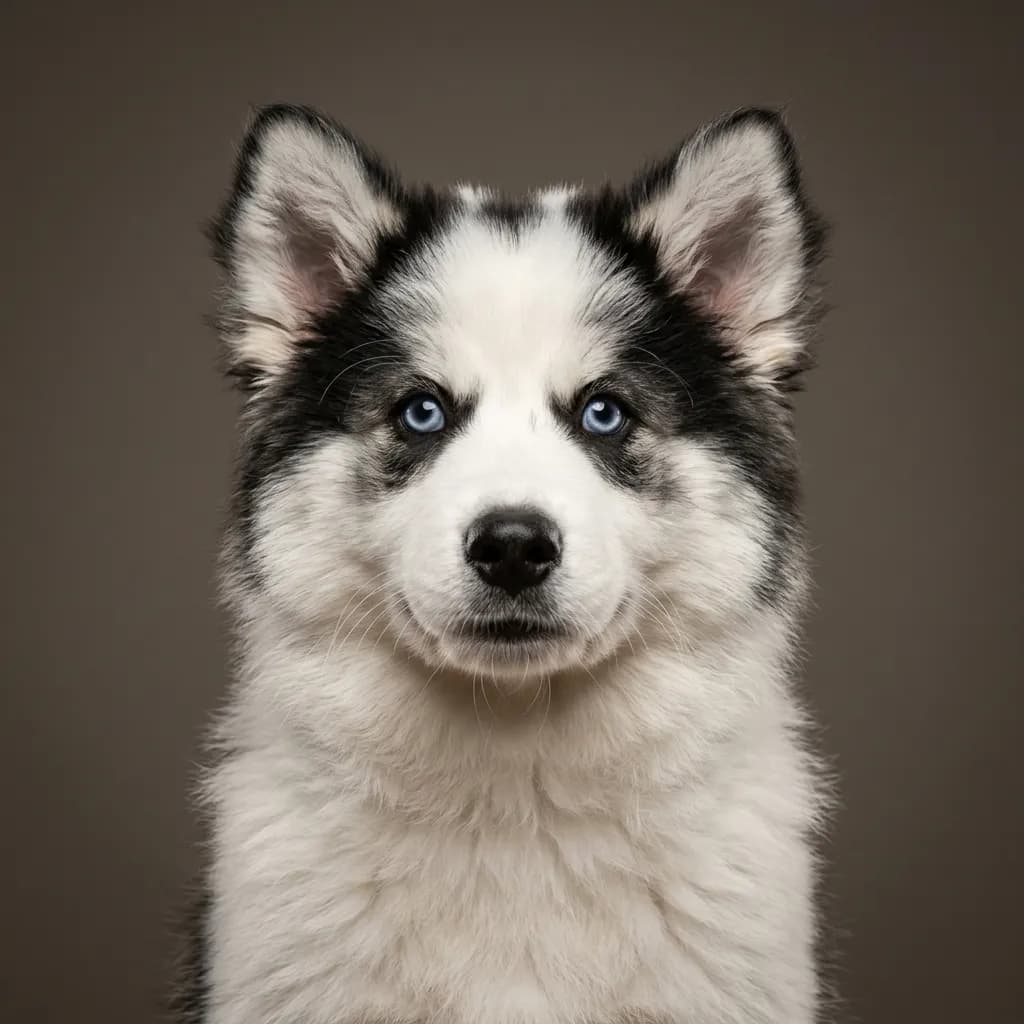
What Training a Yakutian Laika Is Actually Like
Training a Yakutian Laika is like partnering with a sharp, independent thinker who’s willing to work with you—on their terms. These dogs are intelligent and observant, but they’re not eager-to-please types like a Border Collie. Their Coren tier 4 ranking means they’ll learn a new command in 25 to 40 repetitions, and they’ll obey the first command about half the time. That’s not stubbornness for the sake of it—it’s caution, bred into them from generations surviving extreme Arctic conditions. They’re affectionate with their people and deeply loyal, but they’ll assess whether your request makes sense before complying. If you’re inconsistent or unclear, they’ll tune you out. They thrive on structure and mental challenges, and they flat-out need 60-90 minutes of vigorous outdoor activity daily. Without it, their high energy and 4/5 mental stimulation needs turn into destructive habits. This isn’t a breed for casual training. You’ll need patience, consistency, and the willingness to adapt your approach.
Training Timeline
Start training the minute you bring your puppy home at 8 weeks. The socialization window closes fast—by 12 weeks—so prioritize exposure to new people, sounds, and surfaces immediately. Use positive reinforcement; fear-based methods will backfire. Between 5 and 14 months, your Laika enters adolescence, a period of testing boundaries and increased independence. This overlaps with their second fear period at 32 to 40 weeks, when previously accepted stimuli may suddenly scare them. Go slow during this stretch. Avoid forced interactions. Reinforce confidence with calm, consistent handling. By 9 months, they’re mentally mature enough to retain complex tasks, but physical maturity lags. Keep training sessions active and engaging to match their energy. Formal obedience training is most effective starting at 6 months, once basic socialization is solid. Crate training and recall should begin early—these dogs have strong prey drives and will bolt if overstimulated.
Breed-Specific Challenges
First, independence. These dogs were bred to make decisions in harsh, remote environments. That means they’ll often choose their own path over yours, especially off-leash. Second, prey drive. They were used to hunt and herd, so squirrels, cats, and even joggers can trigger a chase. Reliable recall takes months of proofing and should never be fully trusted in open areas. Third, climate sensitivity. They’re built for subzero temps, not heat. Training in warm weather requires early-morning or late-night sessions, and even then, they overheat fast. Fourth, aloofness with strangers. While affectionate with family, they’re naturally wary of new people. Without rigorous early socialization, this can tip into suspicion or reactivity.
What Works Best
Use an adaptive mixed approach—combine positive reinforcement with clear leadership. They respond best to confident handlers who set consistent rules. Short sessions of 10-15 minutes, two to three times daily, work better than long drills. Reward with high-value treats like freeze-dried liver or small chunks of meat, especially in distracting environments. Once a behavior is solid, phase in variable rewards to build reliability. Incorporate tasks that mimic their original work—sledding, carting, or structured off-leash hikes—these fulfill their mental and physical needs better than repetitive backyard commands. Avoid repetitive drilling; they disengage fast. Instead, keep it dynamic, purposeful, and rooted in partnership.
Crate Training Your Yakutian Laika
A Yakutian Laika needs a 36-inch crate once full grown, but get one with a divider because puppies start around 15–20 pounds and reach about 48 pounds. You’ll want to adjust the space as they grow to prevent accidents in the back corner. These dogs are smart and affectionate but independent, so crate training works best when it’s part of a mixed approach—positive reinforcement with clear boundaries. Don’t expect them to settle quietly right away. With a 5/5 energy level, they’ll likely bounce around and test the crate at first, especially if they’re used to roaming. They’re not typically destructive in crates like some high-drive breeds, but chew marks on plastic trays or fabric pads do happen. I’ve seen more than one Laika puppy shred a soft bed in half overnight. Stick to chew-proof pads—rubber or nylon works best.
Laikas are alert and vocal, so barking at the crate is common the first few nights, especially if they’re used to being near people. They bond closely with their people, so separation anxiety can pop up if you crate them too long too soon. Keep initial sessions short—15 minutes max for puppies—and build up slowly. By 6 months, they can handle 3–4 hours with exercise beforehand. Never use the crate as punishment. These dogs respond to consistency, not force. Make it a den, not a jail. Toss a worn t-shirt in there early on; the scent helps. And always pair crate time with activity. A tired Laika is a quiet Laika. If you skip exercise, you’ll hear every whine and paw scratch for hours. They’re not stubborn like some Nordic breeds, but they’re not pushovers either. Train like you mean it, but keep it light. They’ll respect the routine if you make it predictable.
Potty Training Your Yakutian Laika
Yakutian Laikas are medium-sized dogs, averaging about 48 pounds, so their bladder capacity is decent but not great. Puppies in this breed don’t have the same endurance as larger breeds, which means you can’t expect them to hold it for too long early on. A good rule of thumb is one hour per month of age, plus one. So a 12-week-old pup shouldn’t be expected to wait more than three hours, even during the day.
Their trainability rating of 3 out of 5 tells you what you need to know—they’re intelligent and affectionate, yes, but also independent. They’re not as eager to please as a Golden Retriever or Border Collie. That independence means they’ll learn, but on their own timeline. You’ll need consistency, not force. They respond best to positive reinforcement, but the reward has to be worth their effort. Treats work, but so does enthusiastic praise and a quick game of fetch—just don’t overdo it or you’ll ramp up their energy right after they’re supposed to be settling.
Expect this breed to take 25 to 40 repetitions to reliably learn a command, and house training is no different. A realistic timeline for a Yakutian Laika to be consistently house-trained is four to six months, assuming daily consistency. Some will pick it up faster, but don’t count on it.
One breed-specific challenge is their history as working sled dogs in extreme climates. They’re used to being outside and may not signal the way other breeds do. Watch for subtle cues—sniffing, circling, hesitation near the door—because they might not whine or scratch. Also, their intelligence means they’ll quickly learn where they can go if they’re left unsupervised indoors. Crate training is non-negotiable here.
Use immediate, high-value rewards when they go in the right place. Keep sessions short and frequent. Patience and routine will win over stubbornness every time with this breed.
Leash Training Your Yakutian Laika
Leash training a Yakutian Laika means working with a dog who was built to cover vast distances in extreme cold, pulling hard against resistance. That sled-pulling instinct doesn’t vanish in your suburban neighborhood. This breed will test the leash, especially when young, because they’re wired to move and explore. You need equipment that matches that strength and drive. A front-clip harness is your best bet. A 48-pound dog with 5/5 energy can easily yank your shoulder out if they lock onto movement, and a collar—even a sturdy one—won’t give you enough control. The front-clip harness redirects their momentum and makes steering easier, especially since their thick double coat can make neck pressure less effective.
Their prey drive is high, so expect sudden lunges at squirrels, birds, or bikes. They’re intelligent and affectionate, but that doesn’t mean they’ll ignore instincts. Early exposure to urban distractions helps, but don’t expect off-leash reliability in open areas. Off-leash should only happen in secure spaces, if at all. Common leash problems include pulling, sudden stops to sniff (they’re hunters, not just pullers), and weaving at your feet when excited—likely leftover herding behavior.
Realistic expectations matter. “Good” leash behavior for a Yakutian Laika isn’t perfect heeling. It’s loose-leash walking with minimal pulling, quick redirection after distractions, and the ability to stay focused despite high stimulation. They won’t be a lapdog on a walk. They need mental and physical challenges, so pair leash training with off-leash runs in safe zones and tasks that use their brain—fetch with retrieval, scent games, or cart-pulling in harness. Train consistently, but adapt. They respond best to variety and purpose. Make the walk feel like a mission, and you’ll get cooperation.
“I just wish someone would tell me what to do and when to do it.”
Not generic puppy tips. Not a video course you’ll never finish. Just one email a week telling you exactly what to work on with your Yakutian Laika, at the age they are right now. Nothing to sift through. Nothing to figure out. Just this week.
Get Started — It’s FreeTell us your breed and your puppy’s age. We’ll send you exactly what to work on this week.
Socializing Your Yakutian Laika
The Yakutian Laika’s socialization window opens at three weeks and slams shut by twelve, and here’s the kicker—those critical weeks directly overlap with their first fear period, which hits between eight and eleven weeks. That means the very time you’d normally be ramping up new experiences is when your puppy is most vulnerable to negative impressions. You can’t just flood them with novelty; you’ve got to be strategic. Introduce new sights, sounds, and surfaces gradually and positively, never forcing. A scary encounter during that fear window can stick for life.
These dogs were bred to work independently in harsh Arctic conditions, pulling sleds, hunting game, and managing reindeer herds. That means they’re naturally alert and reserved around unfamiliar people, animals, and situations. They don’t default to friendliness like some breeds. So you need to expose them early and often to a wide range of people—not just adults but also children, people in hats or bulky winter gear, and folks moving unpredictably. Their herding and hunting background makes them quick to notice motion, so desensitizing them to fast movements and sudden noises is non-negotiable.
Because they’re intelligent and independent thinkers, they pick up on tension. If you’re nervous introducing them to something, they’ll assume it’s dangerous. A common mistake is overprotecting them during the fear period instead of calmly guiding them through new experiences. Another is assuming their affectionate nature with family means they’ll be fine with strangers. They won’t. Without proper socialization, they become excessively wary or reactive, especially toward unfamiliar dogs or people. That doesn’t mean aggression, but it does mean a dog that’s hard to manage in public, always on high alert, and potentially difficult to handle around newcomers. Early, confident, consistent exposure shapes a Yakutian Laika that’s still discerning but not distrustful—a capable companion, not a shut-down or reactive one.