Alaskan Malamute vs Chesapeake Bay Retriever
Side-by-side comparison across all 14 AKC trait ratings, with a clear verdict on which breed fits which kind of household.
Not sure which breed fits your life?
Answer five questions about your home, your schedule, and your tolerance for shedding. We’ll match you to your top three breeds from over 200.
Alaskan Malamute vs Chesapeake Bay Retriever
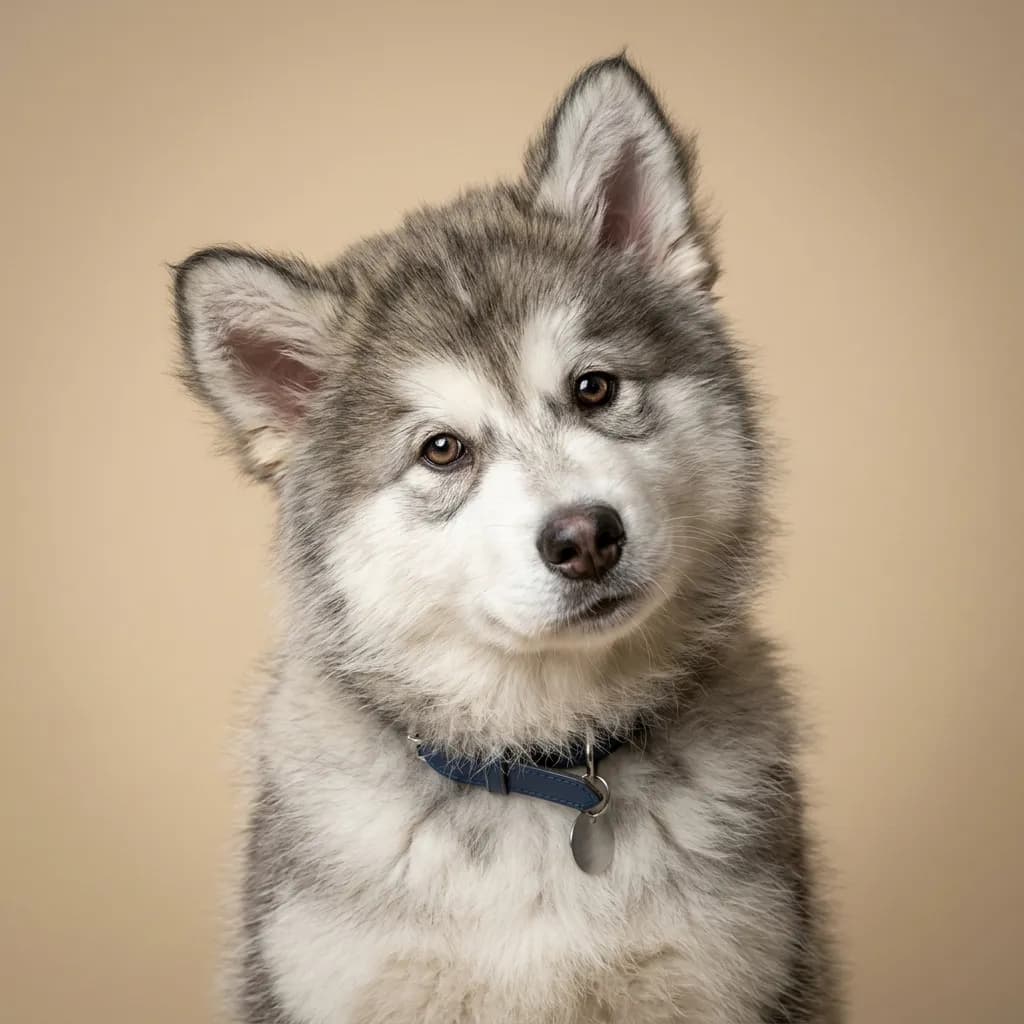
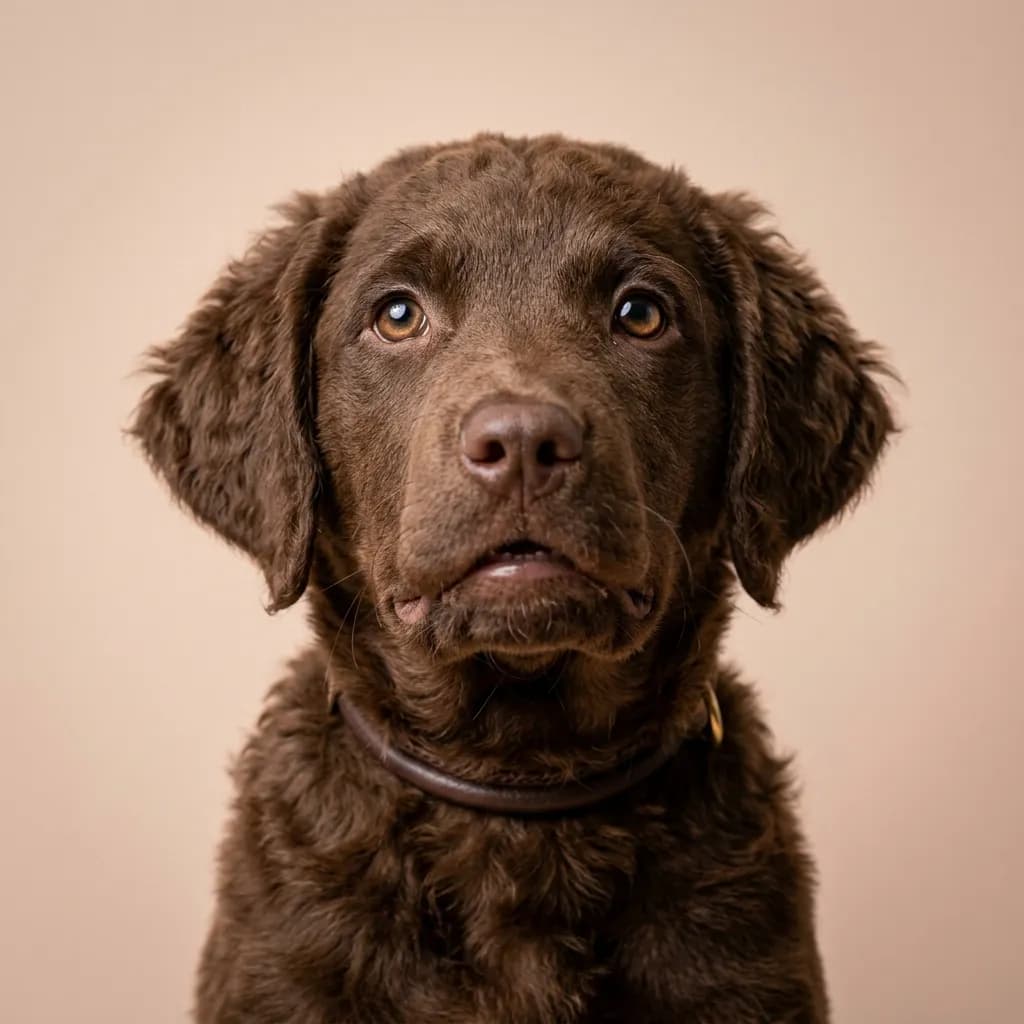
People toss these two together because they’re big, rugged-looking dogs with thick coats and a love for cold weather. Both pull their weight. literally. But that’s where the story splits. An Alaskan Malamute isn’t built to obey; it’s built to endure. This dog was bred to haul hundreds of pounds across frozen tundra, working alongside other dogs, not listening to commands. It’s loyal and affectionate, sure, but it’s got the heart of a draft animal and the stubbornness of a mule. You don’t own a Malamute. You negotiate with it. They’re not natural retrievers. They’re not even natural singles. They want a pack, snow, space, and a job that burns serious calories. Without it, they’ll redecorate your yard and howl at 3 a.m. for fun. The Chessie? That’s a working athlete with a switch. Bred to dive into icy surf, grab a duck, and swim back. cheerful as hell. They’re more tuned in to people, easier to train not because they’re softer, but because they want to please. They’re affectionate with their family, wary of strangers, and surprisingly adaptable. A Malamute in a suburban yard is a recipe for destruction. A Chessie? With daily exercise and mental work, it can settle into family life, even tolerate a weekend without five miles of hiking. Here’s the real difference: Malamutes run on ancient instinct. Chessies run on partnership. If you want a dog that feels like family and works with you, pick the Chessie. If you want a powerful, independent sled dog with a wolfish grin and zero interest in obedience, the Malamute’s your beast. Just don’t expect either to live happily in an apartment. Or in Texas. Or without a plan.
Trait-by-trait
Higher bar = more of that trait. Shedding, barking, drooling, grooming flipped for readability.Where they diverge
Choose the Alaskan Malamute if…
- Active people
- Cold climates
- Experienced owners
Choose the Chesapeake Bay Retriever if…
- Active families
- Hunters and waterfowlers
- Cold and wet climate owners
- You value affectionate w/ family — Chesapeake Bay Retriever scores higher here.