Alaskan Malamute vs Great Pyrenees
Side-by-side comparison across all 14 AKC trait ratings, with a clear verdict on which breed fits which kind of household.
Not sure which breed fits your life?
Answer five questions about your home, your schedule, and your tolerance for shedding. We’ll match you to your top three breeds from over 200.
Alaskan Malamute vs Great Pyrenees
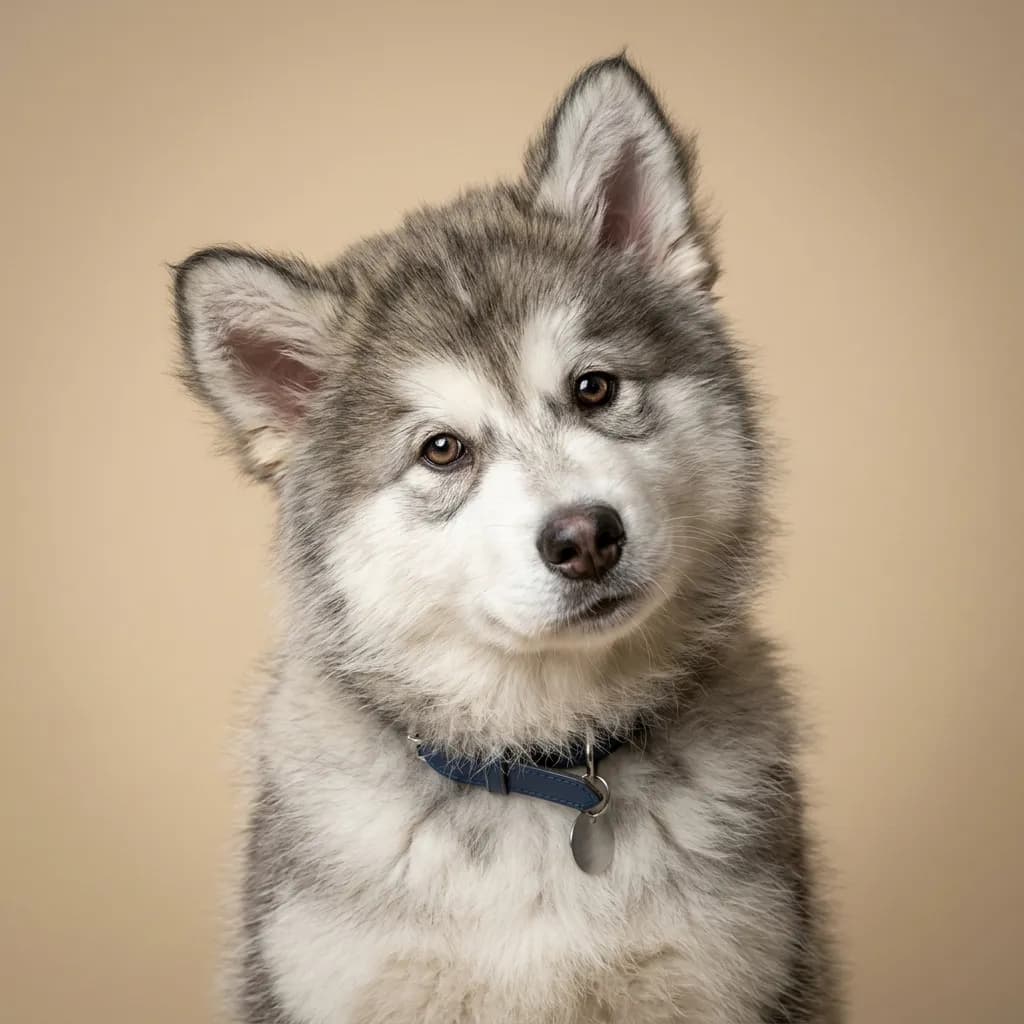
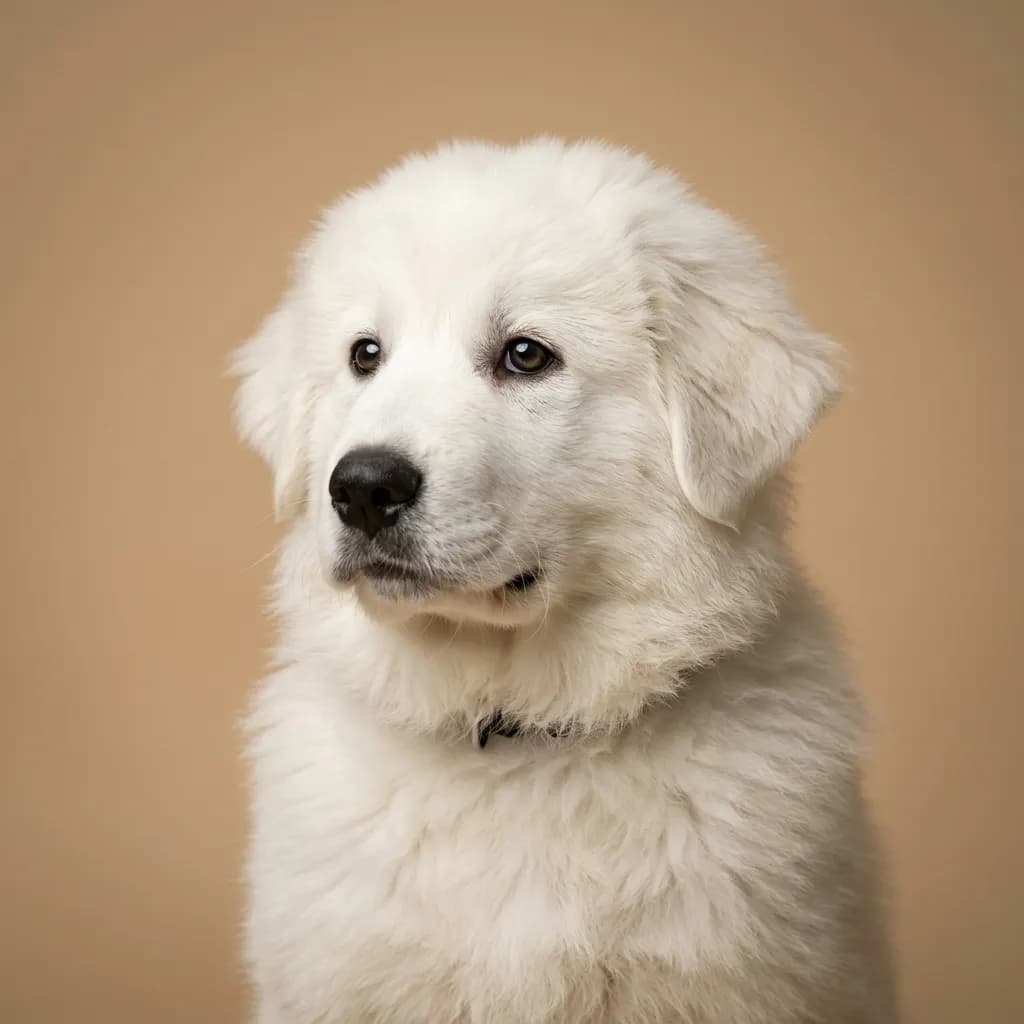
People compare Alaskan Malamutes and Great Pyrenees because they’re both big, fluffy, snow-friendly dogs with a dignified presence and a shared spot in the Working Group. At first glance, they look like cousins. white coats, sturdy builds, built for cold. But live with either, and you’ll realize they’re solving entirely different problems. The Malamute is the athlete. Bred to pull heavy sleds across frozen tundra, this dog has muscle, drive, and a need for daily exertion. You’ll need to keep up. think long hikes, weight-pulling, snow play. They’re more social, more eager to please, and actually enjoy training when it’s engaging. But they’re independent thinkers and will test you if bored. Not a first-timer’s dog. The Great Pyrenees is the quiet watcher. Calm, patient, deeply bonded to home and family. Bred to guard flocks at night in the mountains, they’re light sleepers and natural guardians. They’ll patrol your yard at 3 a.m. and bark at shadows. You don’t train them so much as gently guide them. They’re more affectionate in a laid-back way, but don’t expect off-leash reliability. instinct runs deep. If you’re active, love outdoor challenges, and want a dog that thrives on exertion, go Malamute. If you live on a farm, want a gentle giant around kids, and need a natural guardian, the Pyrenees fits. Here’s the real talk: the Malamute will escape if under-stimulated. The Pyrenees won’t come when called. because in its mind, it’s on duty. One’s built to pull you across miles. The other’s built to stay behind and protect what’s yours. Pick based on what kind of work you need done.
Trait-by-trait
Higher bar = more of that trait. Shedding, barking, drooling, grooming flipped for readability.Where they diverge
Choose the Alaskan Malamute if…
- Active people
- Cold climates
- Experienced owners
- You value trainability — Alaskan Malamute scores noticeably higher.
Choose the Great Pyrenees if…
- Livestock guardians
- Rural or farm living
- Families with children
- You value affectionate w/ family — Great Pyrenees scores higher here.