Alaskan Malamute vs Irish Wolfhound
Side-by-side comparison across all 14 AKC trait ratings, with a clear verdict on which breed fits which kind of household.
Not sure which breed fits your life?
Answer five questions about your home, your schedule, and your tolerance for shedding. We’ll match you to your top three breeds from over 200.
Alaskan Malamute vs Irish Wolfhound
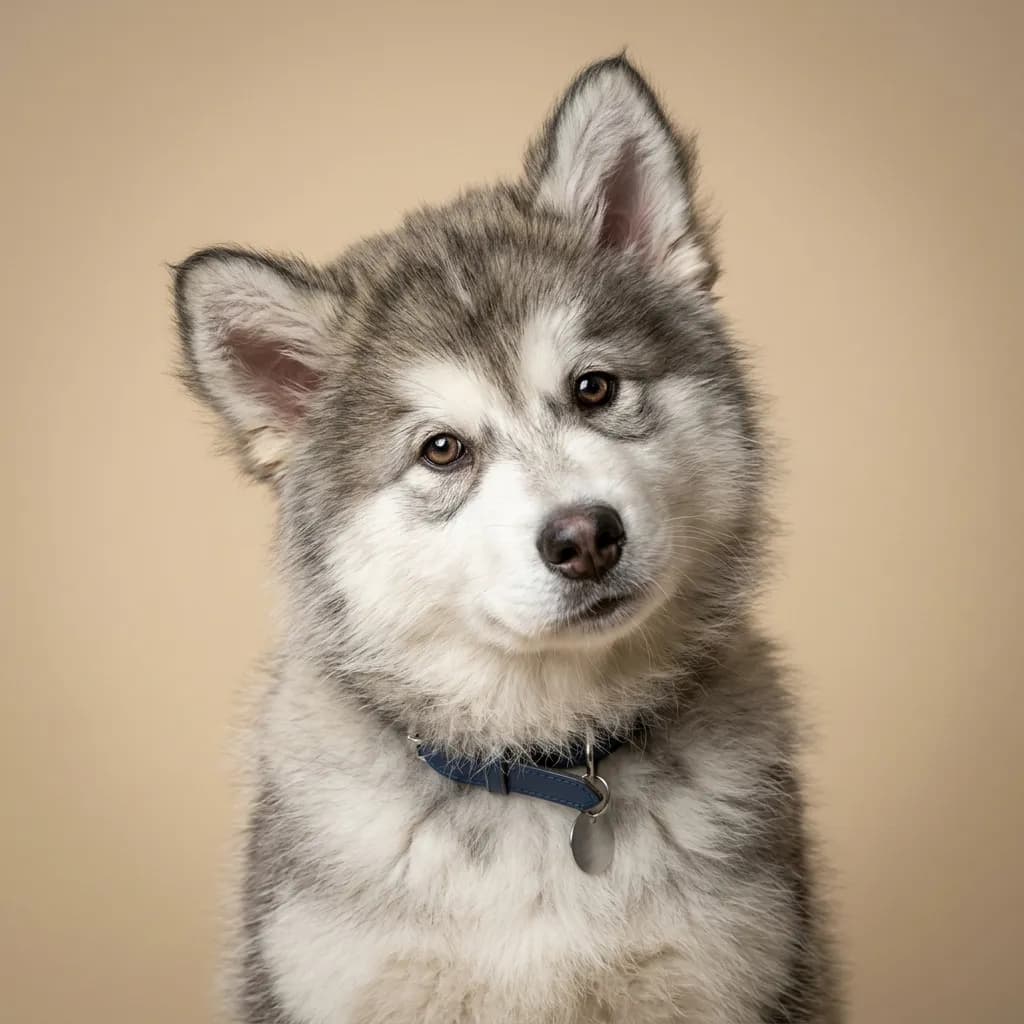
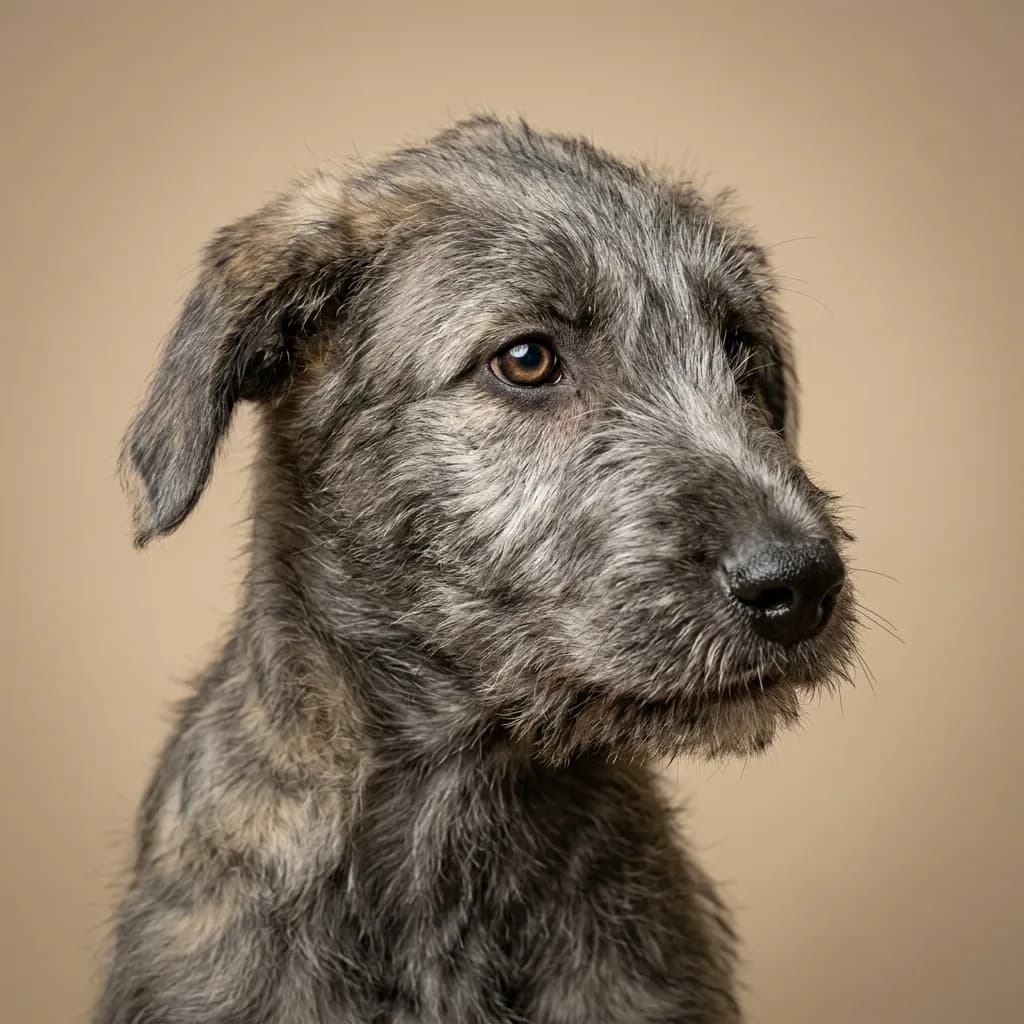
You’re not actually comparing these two breeds because they’re alike. You’re doing it because they’re both giants. imposing, furry, and impossible to ignore. But that’s where the similarity ends. An Alaskan Malamute is a freight train built for Arctic survival, while an Irish Wolfhound is a gentle mastiff-sized poet who just happens to have been bred to take down wolves. If you’re picturing weekend hikes in the snow or living somewhere with real winters, the Malamute thrives there. He’s tough, loyal, and will pull your sled if you ask him to. he was literally born for it. But he’s not a beginner’s dog. He’s strong-willed, needs serious exercise, and will howl if bored. Kids might love him, but he’s not always aware of his strength, so supervision is non-negotiable. The Irish Wolfhound, on the other hand, is surprisingly quiet and calm. He won’t bark much, he moves with a slow grace, and he’ll lean his 120-pound frame against you like a drafty, shaggy wall. But here’s the gut punch: he’ll likely only be at your side for 6 to 8 years. That short lifespan isn’t just a footnote. it shapes the entire experience of owning one. You’re signing up for love with an expiration date. Don’t choose the Malamute if you live in a hot climate or lack outdoor space. Don’t pick the Wolfhound if you can’t handle heartbreak or vet bills. both are expensive, but the Wolfhound’s health risks are more acute and frequent. Here’s the truth beyond the stats: the Malamute demands respect through work. The Wolfhound demands it through love. Pick based on whether you need a partner in adventure or a quiet giant who turns your home into a sanctuary.
Trait-by-trait
Higher bar = more of that trait. Shedding, barking, drooling, grooming flipped for readability.Where they diverge
Choose the Alaskan Malamute if…
- Active people
- Cold climates
- Experienced owners
- You value trainability — Alaskan Malamute scores noticeably higher.
Choose the Irish Wolfhound if…
- Families with space
- Gentle companion seekers
- Owners with large homes
- You value affectionate w/ family — Irish Wolfhound scores higher here.