Alaskan Malamute vs Russian Tsvetnaya Bolonka
Side-by-side comparison across all 14 AKC trait ratings, with a clear verdict on which breed fits which kind of household.
Not sure which breed fits your life?
Answer five questions about your home, your schedule, and your tolerance for shedding. We’ll match you to your top three breeds from over 200.
Alaskan Malamute vs Russian Tsvetnaya Bolonka
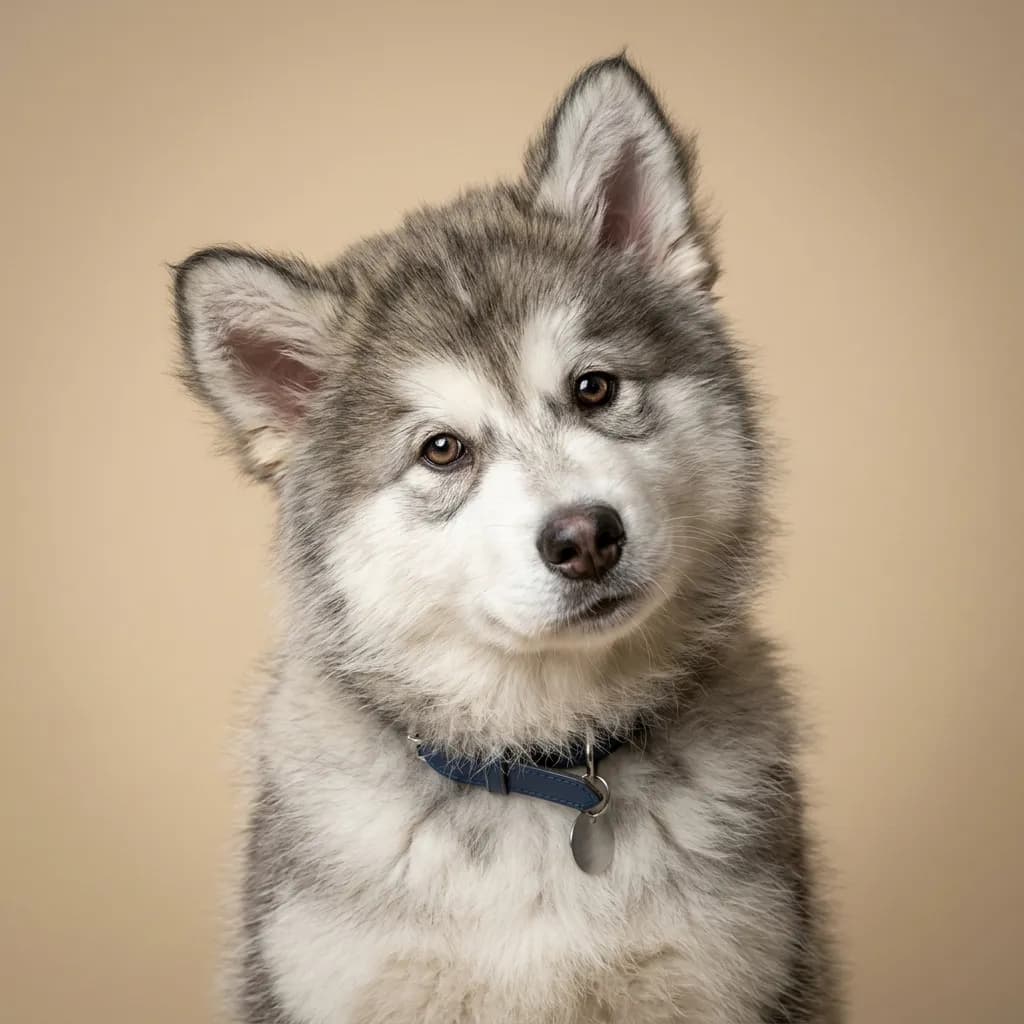
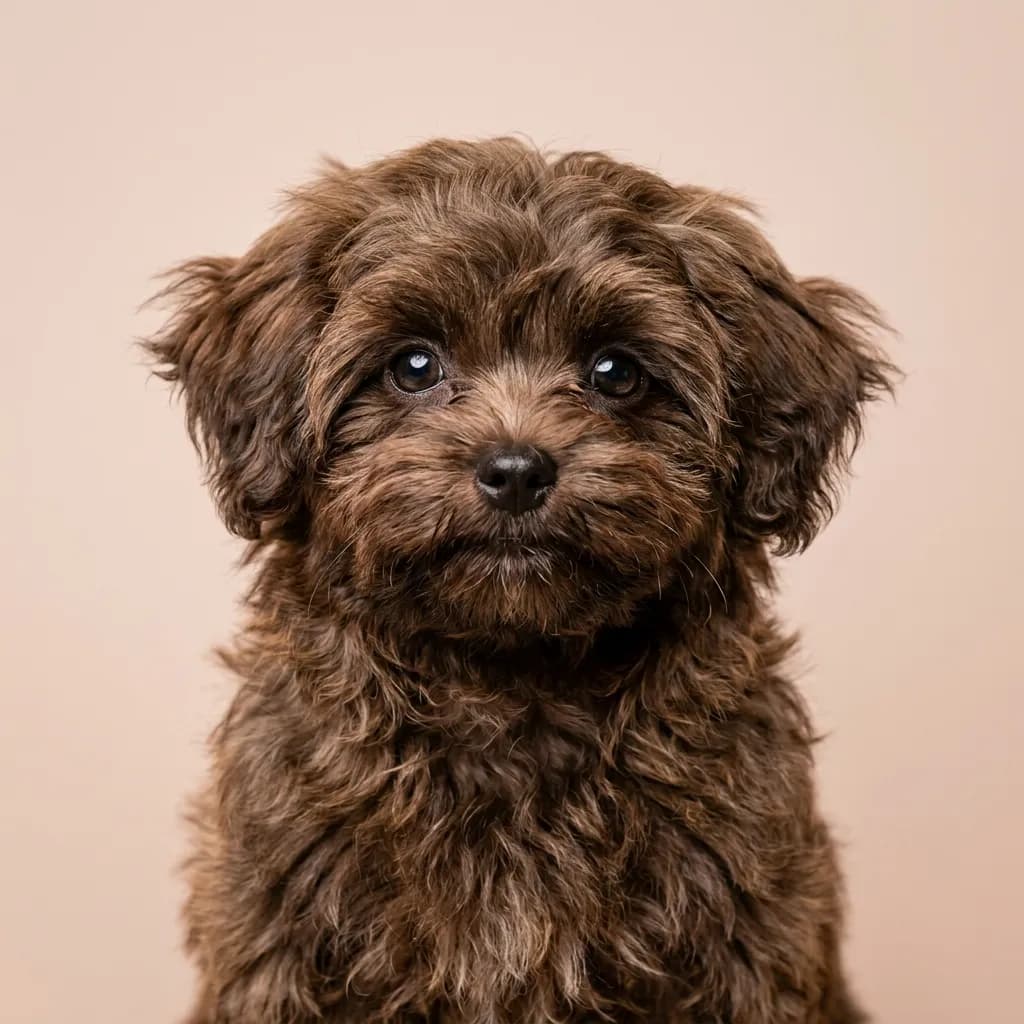
You’re probably not comparing a snow-loving, freight-pulling Alaskan Malamute with a tiny Russian lapdog because you’re planning to buy both. You’re likely torn between two visions of dog ownership. raw outdoor adventure versus cozy companionship. and these breeds represent opposite ends of that spectrum. The Malamute is the dog that’ll pull your sled, sure, but more realistically, it’s the one dragging you out for two-hour walks in the snow, thriving in cold climates and needing serious space. At 80 pounds and built like a wolf with a teddy bear face, it’s not just big. it’s powerful, independent, and stubborn in ways that’ll test a first-time owner. It sheds like a seasonal blizzard and won’t do well in an apartment or hot weather. But if you hike, camp, or live where winters are long? This dog becomes your loyal, goofy, snowplow of a companion. The Bolonka, on the other hand, fits in a tote bag. At under 11 pounds and barely 10 inches tall, it’s bred for silk coats and soft laps. It’s hypoallergenic, affectionate to a fault, and thrives on human closeness. It’s not built for trails or cold. it’s built for your couch, your morning coffee routine, your city apartment. But don’t be fooled by its size. It’s got a voice and won’t hesitate to use it when strangers approach or boredom hits. The real insight? The Malamute wants to be part of your mission. The Bolonka wants to be the mission. Choose based on which life you’re actually living. not the one you’re romanticizing.
Trait-by-trait
Higher bar = more of that trait. Shedding, barking, drooling, grooming flipped for readability.Where they diverge
Choose the Alaskan Malamute if…
- Active people
- Cold climates
- Experienced owners
- You value shedding level — Alaskan Malamute scores noticeably higher.
Choose the Russian Tsvetnaya Bolonka if…
- Apartment living
- Seniors
- Families with gentle children
- You value affectionate w/ family — Russian Tsvetnaya Bolonka scores higher here.