American Eskimo Dog vs Samoyed
Side-by-side comparison across all 14 AKC trait ratings, with a clear verdict on which breed fits which kind of household.
Not sure which breed fits your life?
Answer five questions about your home, your schedule, and your tolerance for shedding. We’ll match you to your top three breeds from over 200.
American Eskimo Dog vs Samoyed
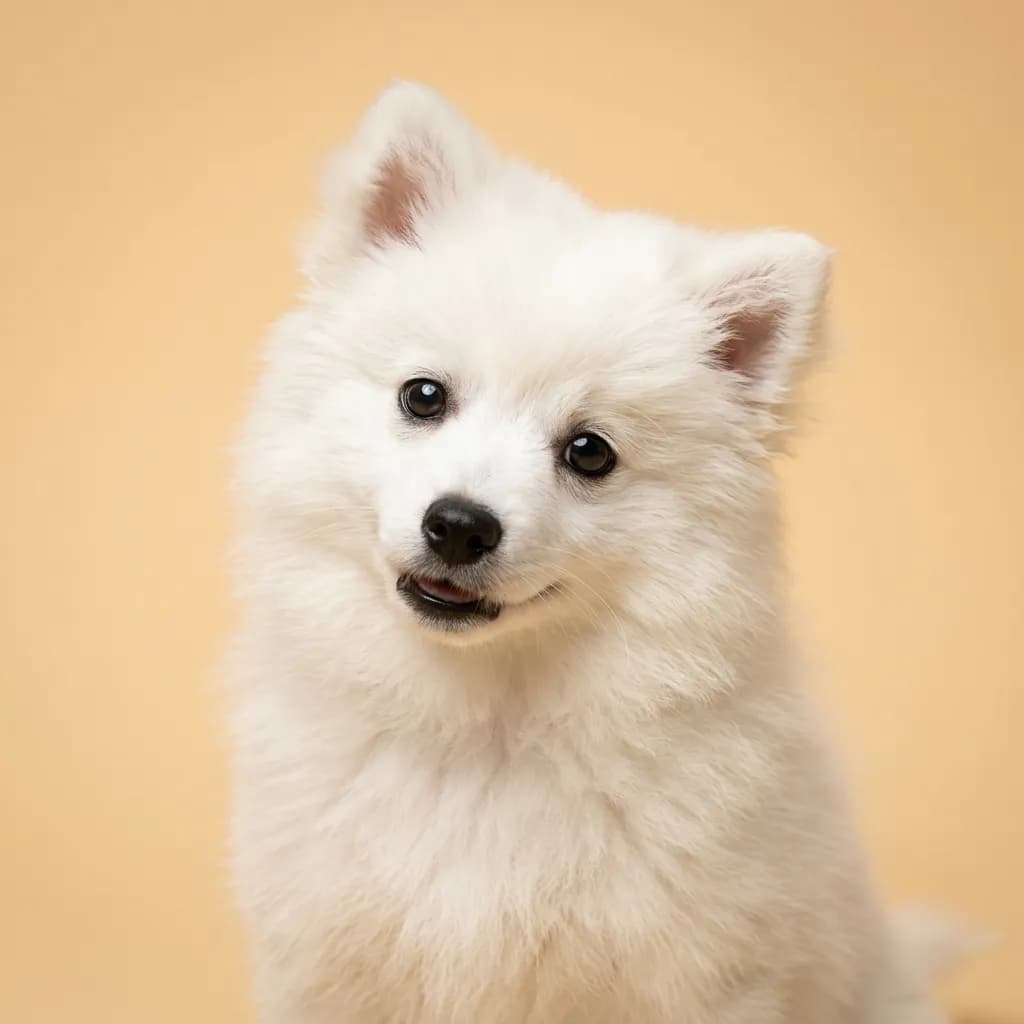
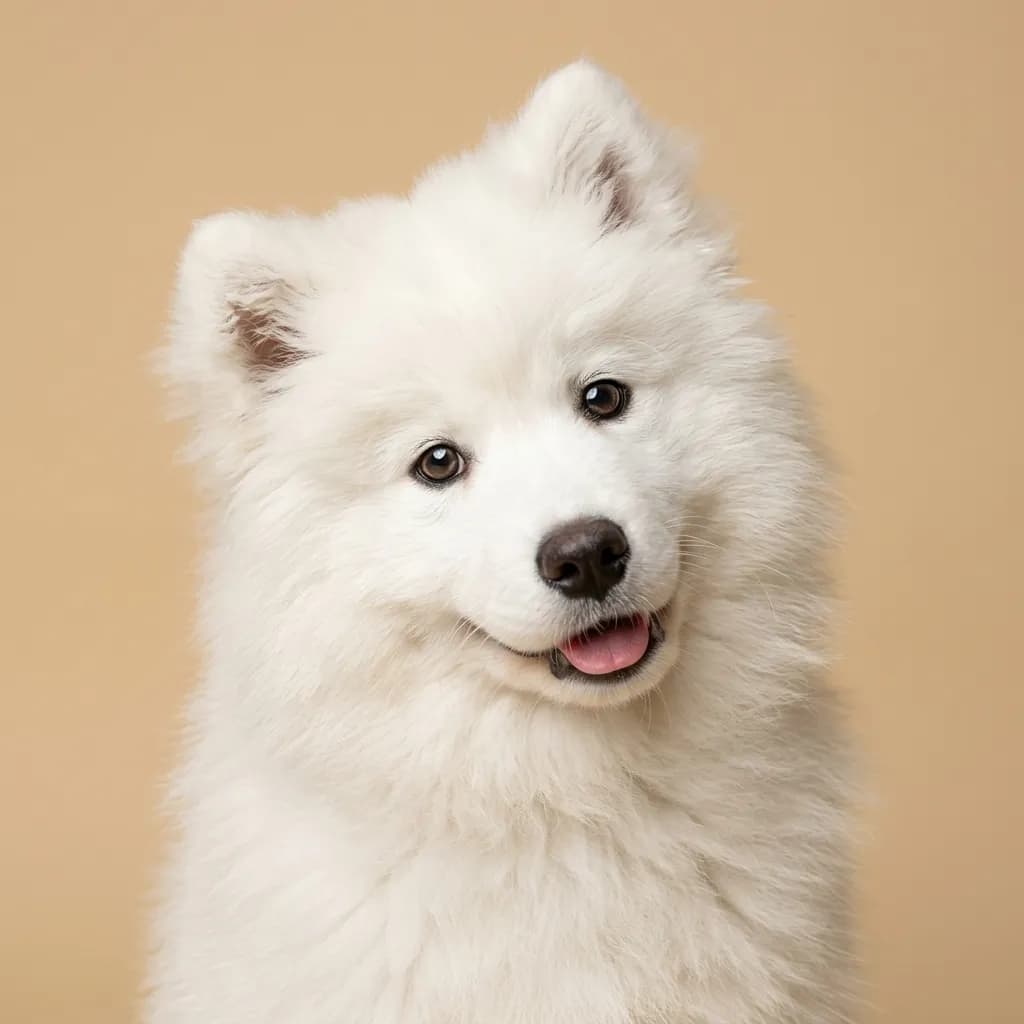
People often compare American Eskimo Dogs and Samoyeds because they look like cousins dipped in the same frosty paint. fluffy white coats, pricked ears, and that signature grin. But don’t be fooled by the blizzard aesthetic. These breeds come from different worlds. The Eskie is the compact, quick-witted entertainer, bred for circus tricks and alert barking, while the Samoyed is a big-hearted northern powerhouse, built to pull sleds and herd reindeer across frozen tundras. If you live in a small apartment but love winter breeds, the Eskie might be your best shot. At under 35 pounds, they’re agile, need less space, and still bring that fluffy charm. They’re fantastic with kids and thrive on interaction, but don’t expect silence. they’ll bark when excited, though not constantly. Their grooming is serious but manageable, about three times a week. Now, if you’ve got room to move. literally and figuratively. the Samoyed is a joyful force of nature. Bigger, louder, and more expressive, they’re known for their “Sammy smile” and need for conversation. They bark more, not out of anxiety but because they have opinions. Their coat? A commitment. Weekly brushing turns into daily duty during shedding season, and forget about hot climates. These dogs run hot and can overheat fast. Here’s the real talk: both are smart and affectionate, but the Samoyed demands more mental stimulation. Leave them bored and you’ll come home to a redecorated living room. The Eskie’s happy with a puzzle toy; the Samoyed wants a job, a sport, a purpose. Choose the Eskie if you want a lively, loyal companion with slightly less fluff and fuss. Pick the Samoyed if you’re all in. on space, time, and energy. for a dog that’s as much a partner as a pet.
Trait-by-trait
Higher bar = more of that trait. Shedding, barking, drooling, grooming flipped for readability.Where they diverge
Choose the American Eskimo Dog if…
- Families
- Active people
- Cold climates
Choose the Samoyed if…
- Active families
- Cold climate households
- Dog sports enthusiasts
- You value playfulness — Samoyed scores higher here.