American Water Spaniel vs Otterhound
Side-by-side comparison across all 14 AKC trait ratings, with a clear verdict on which breed fits which kind of household.
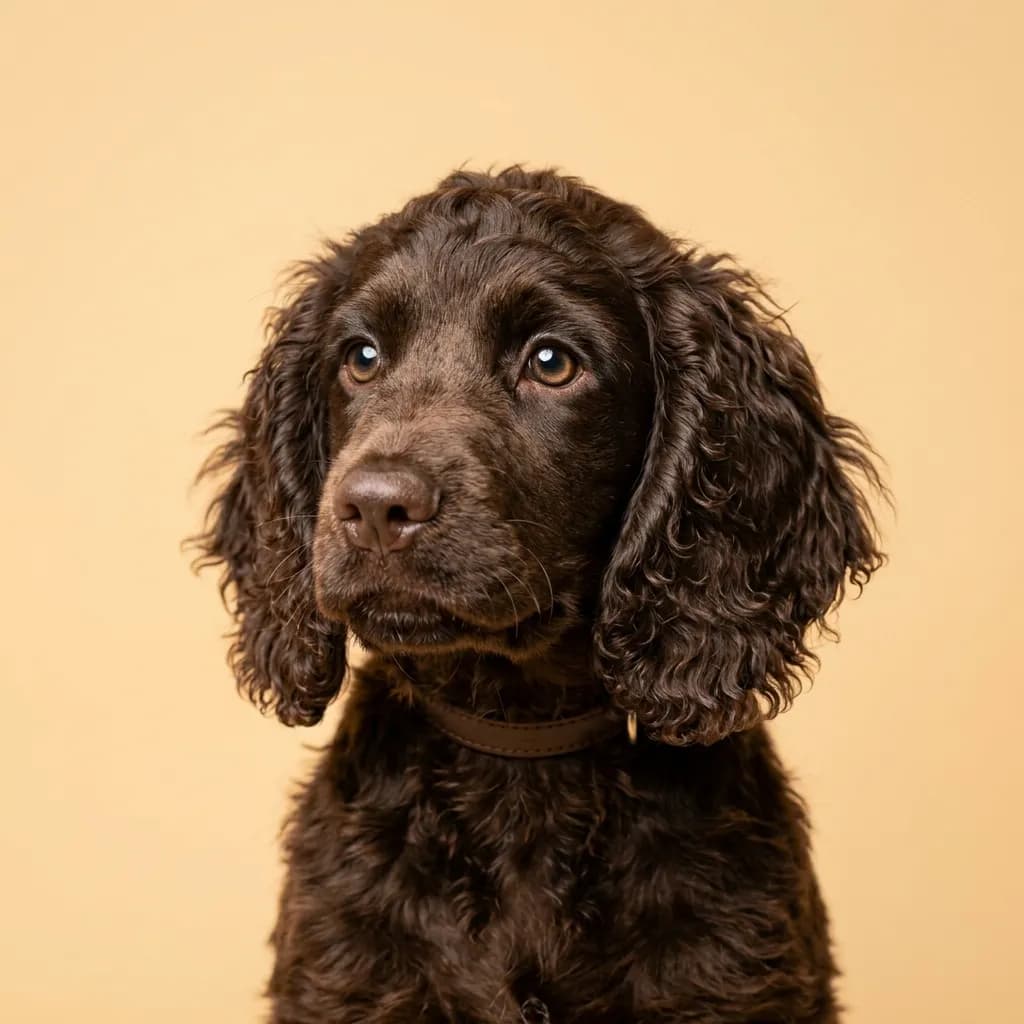
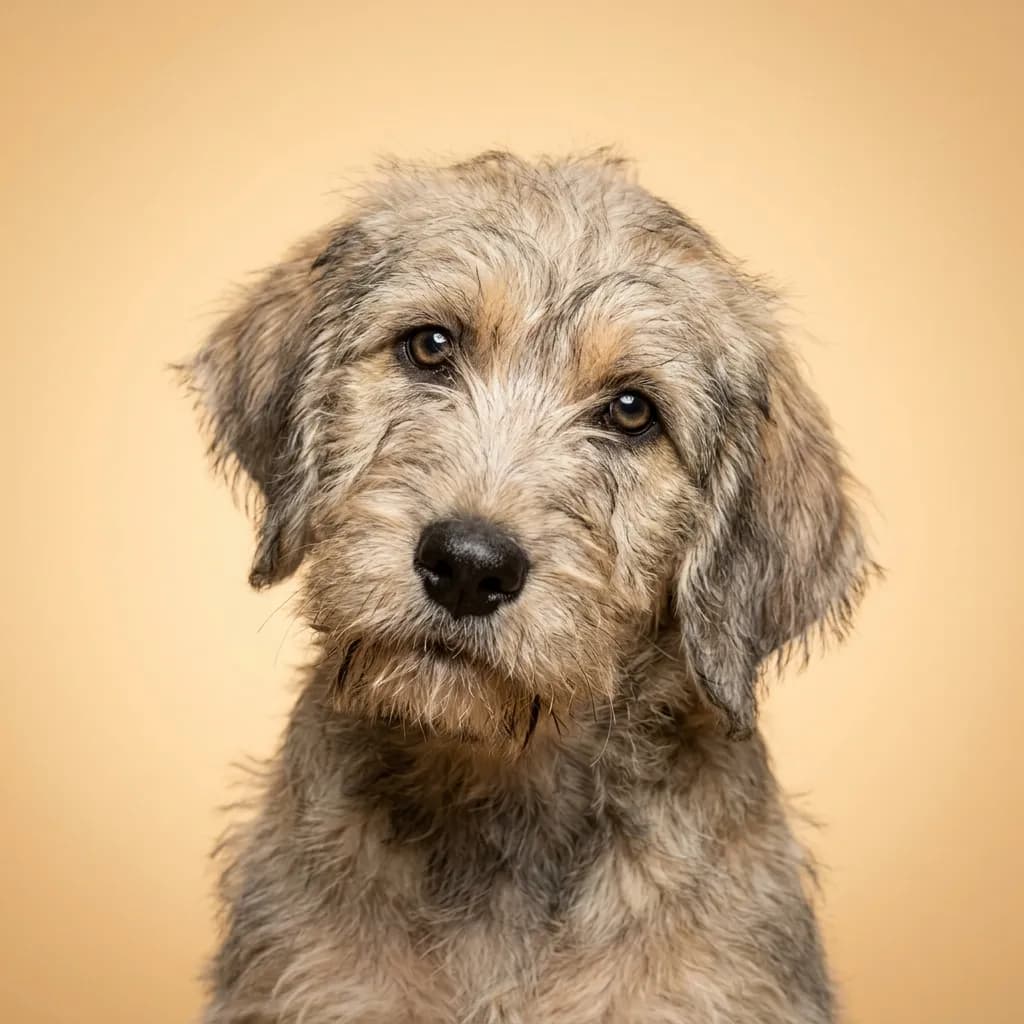
Not sure which breed fits your life?
Answer five questions about your home, your schedule, and your tolerance for shedding. We’ll match you to your top three breeds from over 200.
American Water Spaniel vs Otterhound
People compare the American Water Spaniel and the Otterhound because both are rare, water-loving breeds with serious talent in wet conditions. But that’s where the similarity ends. Think of it like choosing between a nimble kayak and a sturdy river barge. they both handle currents, but your lifestyle decides which one you actually want to steer. The American Water Spaniel is compact, trainable, and surprisingly adaptable for an active home. At 30 to 45 pounds, it fits in a truck bed or a midsize yard. It’s eager to please, picks up commands fast, and doesn’t shed much, which matters if you’re not vacuuming daily. But it needs real outdoor time. This isn’t a couch companion. It was built to hop off a duck boat in the Great Lakes, and it still acts like it. The Otterhound? You’re signing up for a big, boisterous character. Weighing up to 115 pounds with a shaggy coat and a bark that carries across fields, this dog turns heads and demands space. It’s affectionate and good with kids, but it’s also independent-minded and loud. not a breed you can fine-tune with basic obedience. It’s bred to track otters over miles of riverbank, so recall is iffy, and fencing better be solid. Here’s the real talk: if you’re drawn to either, you probably love the outdoors. But the American Water Spaniel works for a dedicated hunter or active family in suburbia. The Otterhound needs rural room, patience, and a tolerance for doggy odor and slobber. And that price gap? The Otterhound’s rarity isn’t just novelty. it’s a breeding challenge. You’re not just buying a dog. You’re helping keep a near-extinct breed alive.
Trait-by-trait
Higher bar = more of that trait. Shedding, barking, drooling, grooming flipped for readability.Where they diverge
Choose the American Water Spaniel if…
- hunters and waterfowl enthusiasts
- active families
- outdoor adventurers
- You value coat grooming — American Water Spaniel scores noticeably higher.
Choose the Otterhound if…
- Active families
- Rural settings
- Outdoor and swimming enthusiasts
- You value affectionate w/ family — Otterhound scores higher here.