Basset Fauve de Bretagne vs Keeshond
Side-by-side comparison across all 14 AKC trait ratings, with a clear verdict on which breed fits which kind of household.

Not sure which breed fits your life?
Answer five questions about your home, your schedule, and your tolerance for shedding. We’ll match you to your top three breeds from over 200.
Basset Fauve de Bretagne vs Keeshond
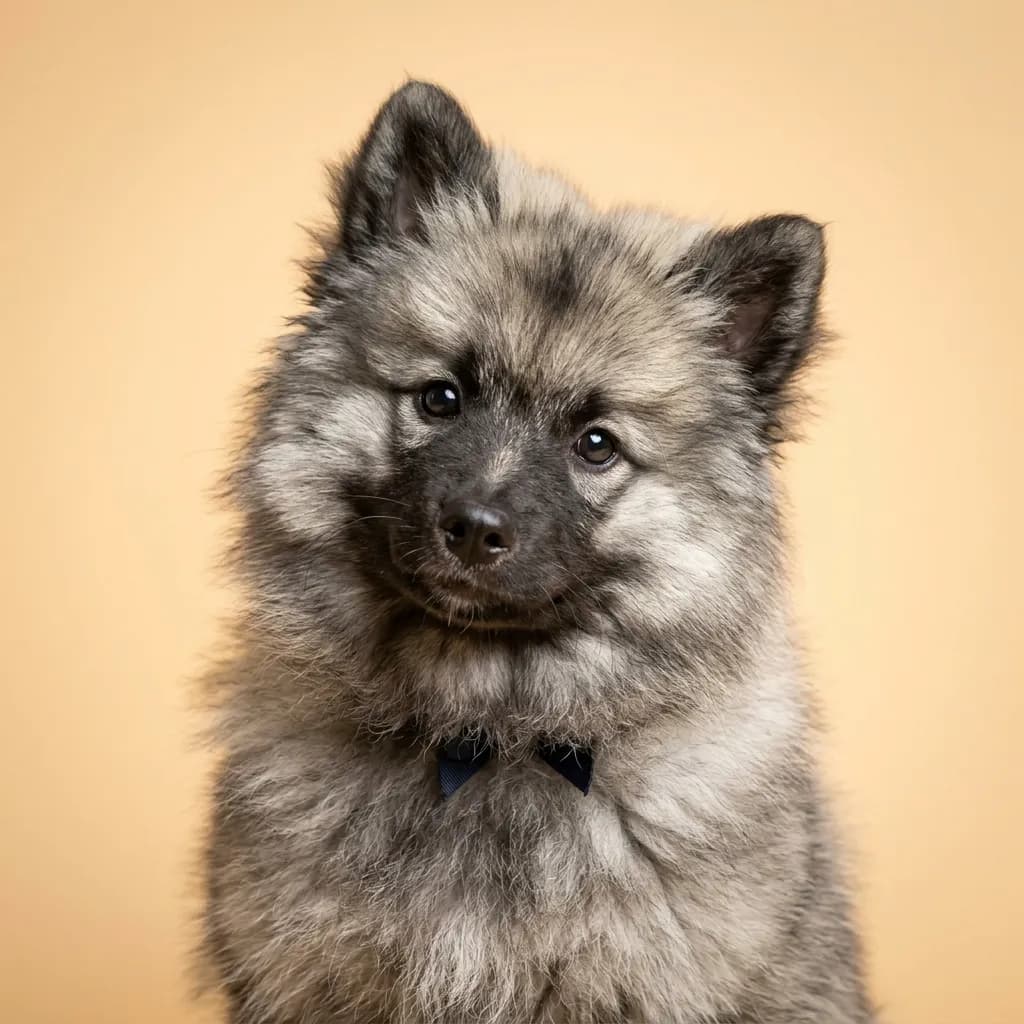
You’re probably comparing a Basset Fauve de Bretagne and a Keeshond because you want a spirited, family-friendly dog with some personality. and you don’t mind a bit of noise. Both are lively, pack-oriented breeds that adore being part of the action. But here’s the thing: they’re built for entirely different worlds, and that shapes everything. The Basset Fauve is a little firecracker from rural France, bred to push through thickets and flush out rabbits. He’s low to the ground, wiry, and stubborn in that charming, determined way. You’ll love his grit and goofy cheer, but don’t expect flawless recall. this dog has a nose and a mission. He’s happiest with a job or a backyard big enough to explore. Apartments? Not ideal. And yes, he barks when excited, which is often. The Keeshond, with his lion-like ruff and “spectacles,” was born on Dutch houseboats, barking at anything that floated too close. He’s a little bigger, fluffier, and more eager to please. He learns fast, thrives on routines, and bonds tightly with all family members. kids included. But that luxurious coat needs weekly brushing, and he really hates heat. If you live somewhere warm, you’ll be running the AC all summer. The real difference? The Basset Fauve is a hunter with a family side hustle. The Keeshond is a companion who moonlights as a watchdog. If you want a dog who’ll track squirrels with intense focus and doesn’t mind mud, go Fauve. If you want a fluffy, expressive co-pilot who’ll greet the mailman like a long-lost friend and learn tricks in a weekend, the Keeshond’s your guy. One truth the breeders won’t shout: the Keeshond’s bark is constant. You don’t just own a voice. You inherit a commentary.
Trait-by-trait
Higher bar = more of that trait. Shedding, barking, drooling, grooming flipped for readability.Where they diverge
Choose the Basset Fauve de Bretagne if…
- Families
- Active people
- Suburban homes
Choose the Keeshond if…
- Families with children
- Active owners
- Cold climates
- You value good with strangers — Keeshond scores higher here.