Belgian Laekenois vs Keeshond
Side-by-side comparison across all 14 AKC trait ratings, with a clear verdict on which breed fits which kind of household.

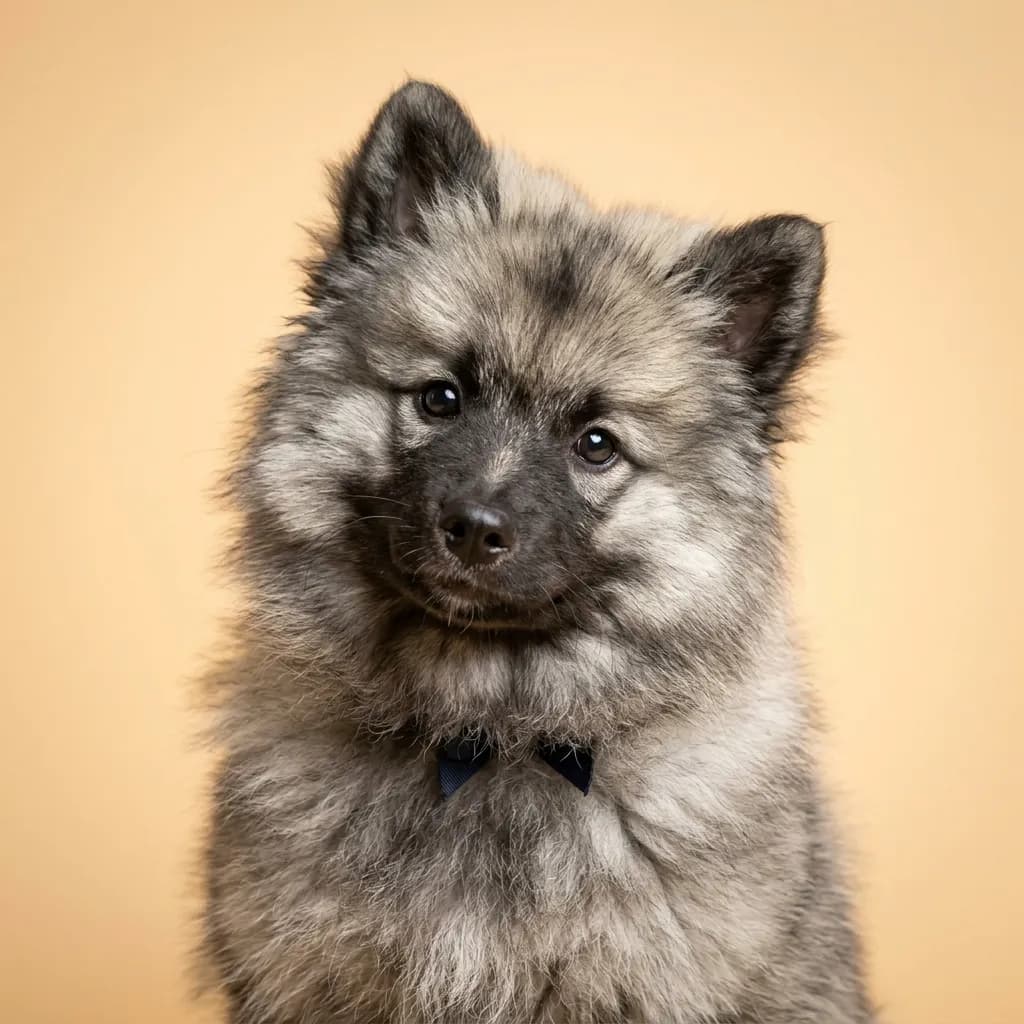
Not sure which breed fits your life?
Answer five questions about your home, your schedule, and your tolerance for shedding. We’ll match you to your top three breeds from over 200.
Belgian Laekenois vs Keeshond
People compare Belgian Laekenois and Keeshonds because both are fluffy, intelligent mid-sized dogs with alert expressions and a knack for bonding deeply with their people. But that’s where the similarities end. If the Laekenois were a special forces operative, the Keeshond is your cheerful, chatty neighbor who knows everyone on the block. One was bred to work rugged Belgian fields, the other to charm crews on Dutch barges. and it shows in how they live with you. The Laekenois is intense. At 55 to 65 pounds and built for action, this dog thrives on challenge. You’ll need big spaces, serious activity, and advanced training plans. It's not that they’re unkind with kids. they just move too fast, too hard, for chaotic homes. This isn’t a couch dog. It’s a dog for someone who already speaks fluent “heel,” “recall,” and “mental stimulation.” First-time owners? You’ll be overwhelmed. But if you’re into dog sports or need a working partner, the Laekenois is a precision instrument. The Keeshond, meanwhile, weighs in at just 35 to 45 pounds and packs a personality so warm and outgoing it feels like you adopted a tiny politician. They’re natural watchdogs, yes, but they’ll bark at the mail and the breeze. so if you live in an apartment or hate noise, think twice. What they lack in size they make up for in presence. They adapt beautifully to homes, kids, even first-time owners. And while they need grooming, they’re built for cold weather and family life. Here’s what no chart tells you: the Keeshond wants to be included in every decision you make. The Laekenois just wants to know when the next mission starts. Pick based on which dynamic fits your life. not just the coat or the price.
Trait-by-trait
Higher bar = more of that trait. Shedding, barking, drooling, grooming flipped for readability.Where they diverge
Choose the Belgian Laekenois if…
- Experienced owners
- Active people
- Working roles
- You value mental stimulation needs — Belgian Laekenois scores noticeably higher.
Choose the Keeshond if…
- Families with children
- Active owners
- Cold climates
- You value good with young children — Keeshond scores higher here.